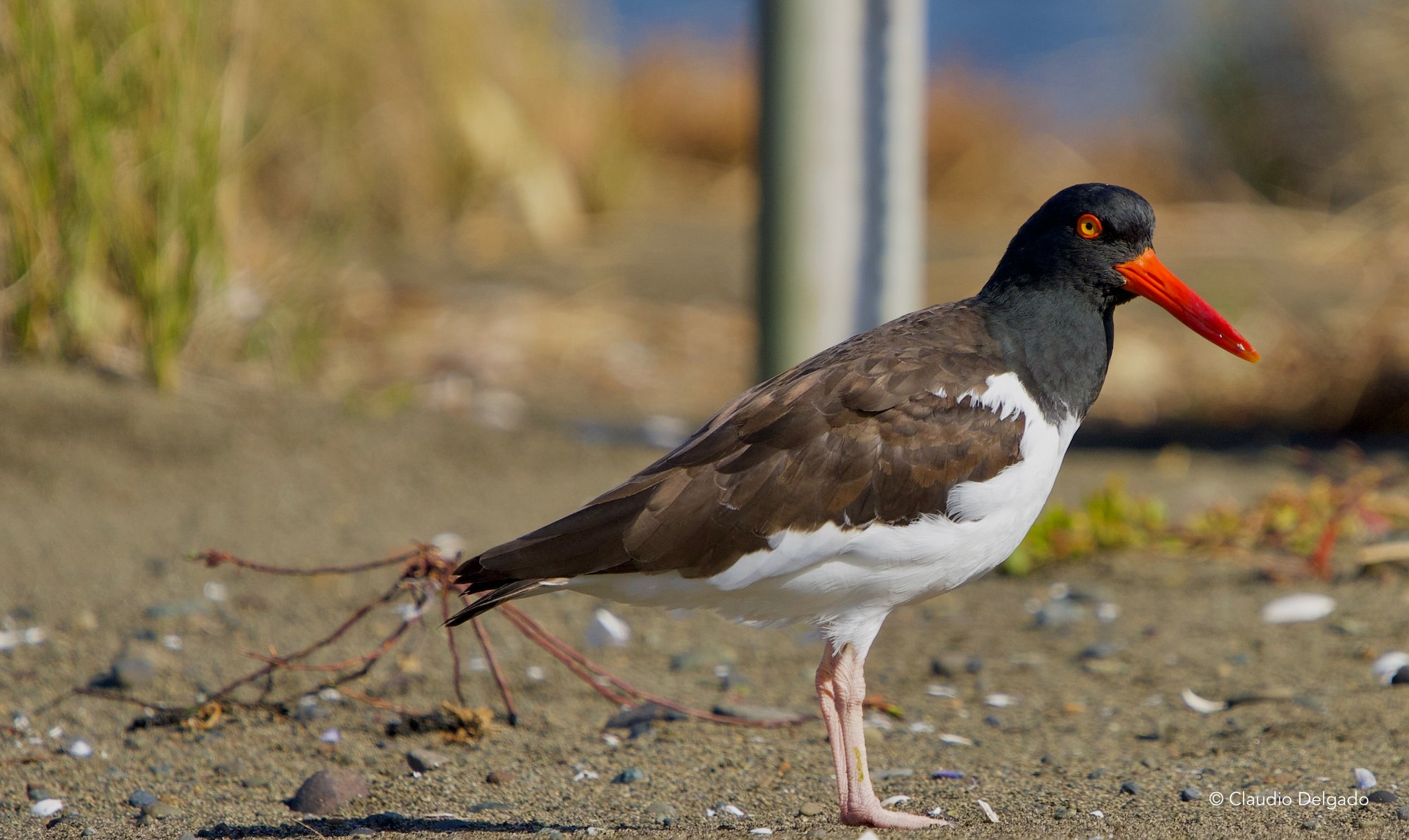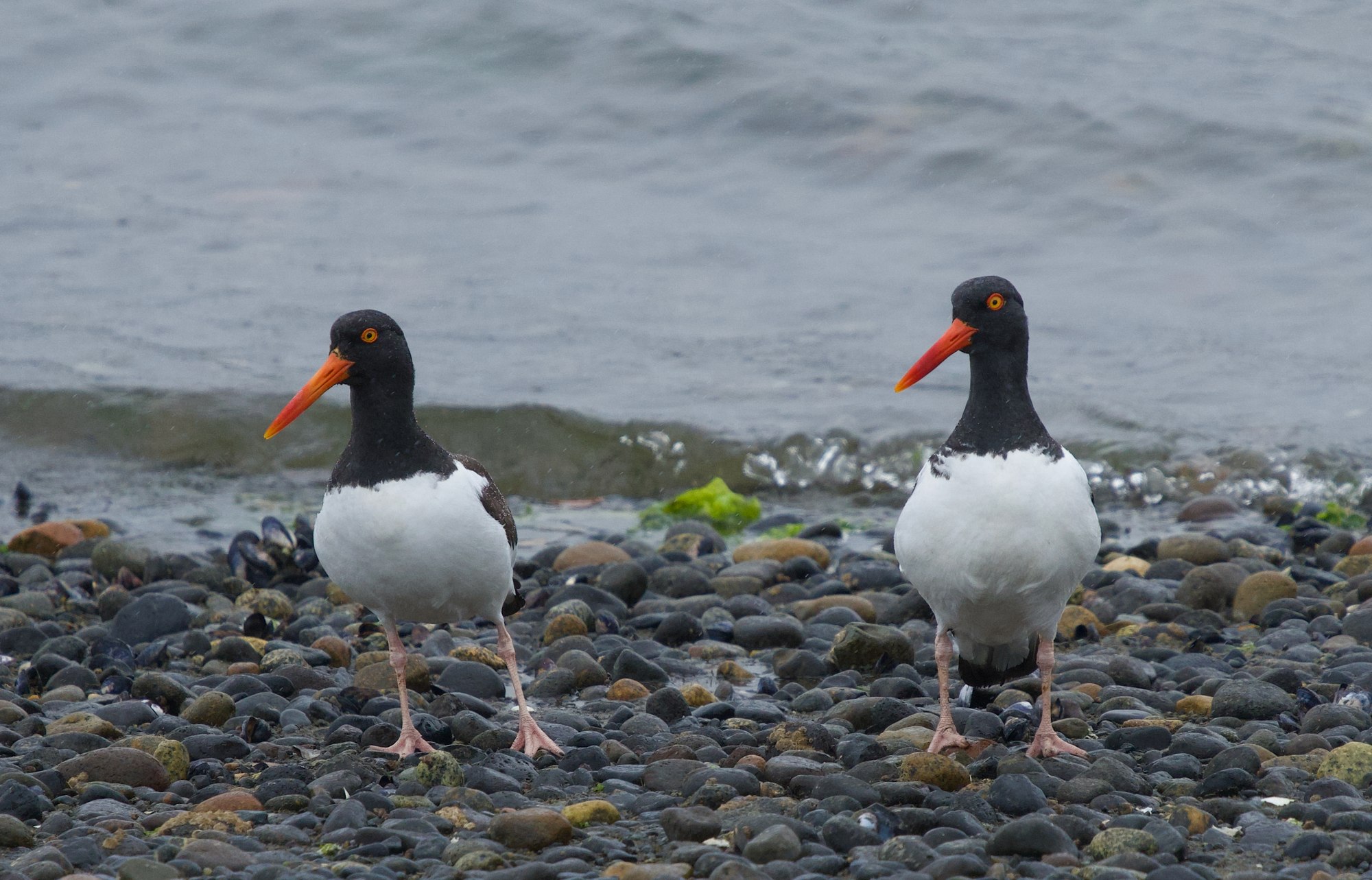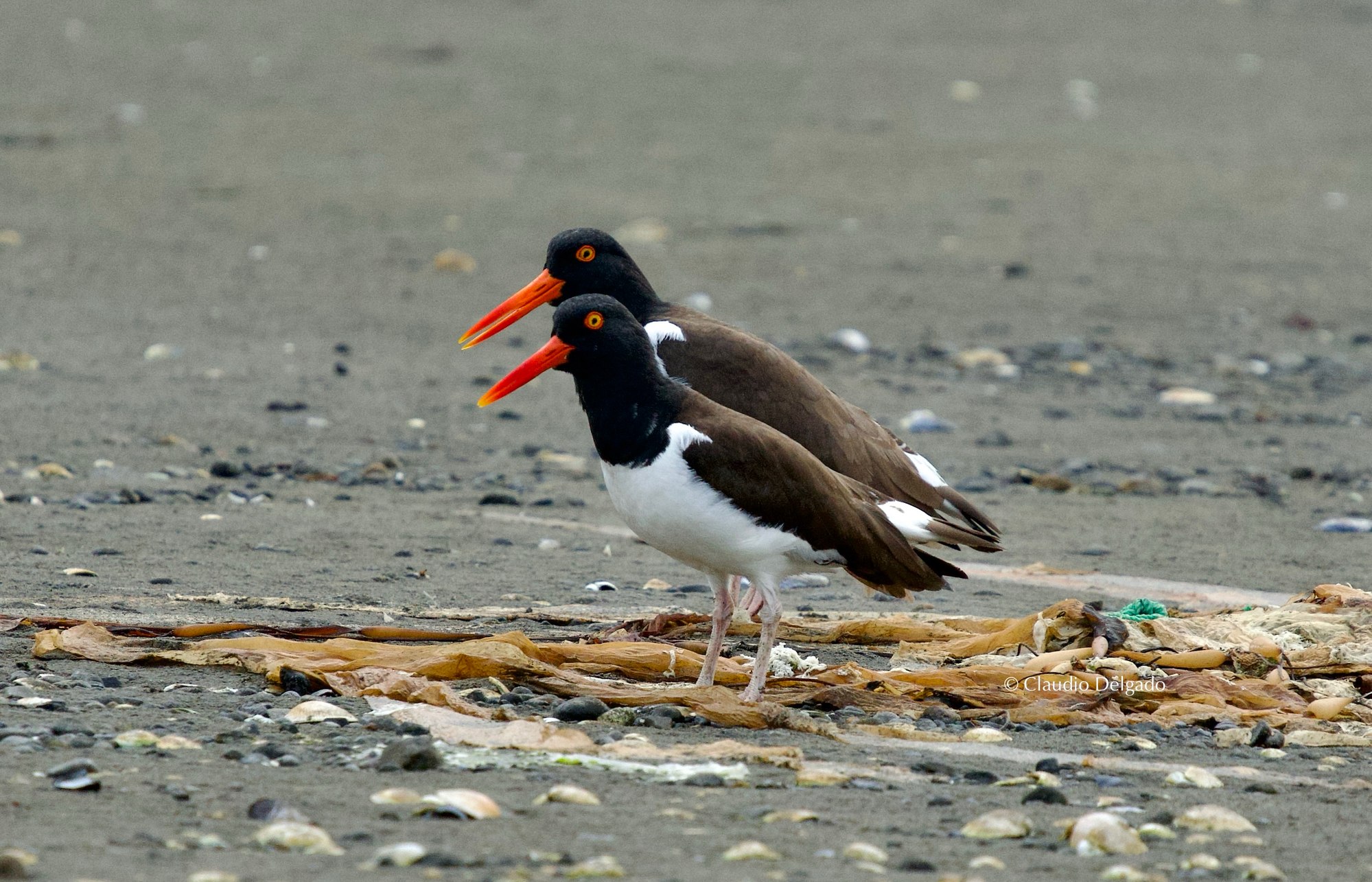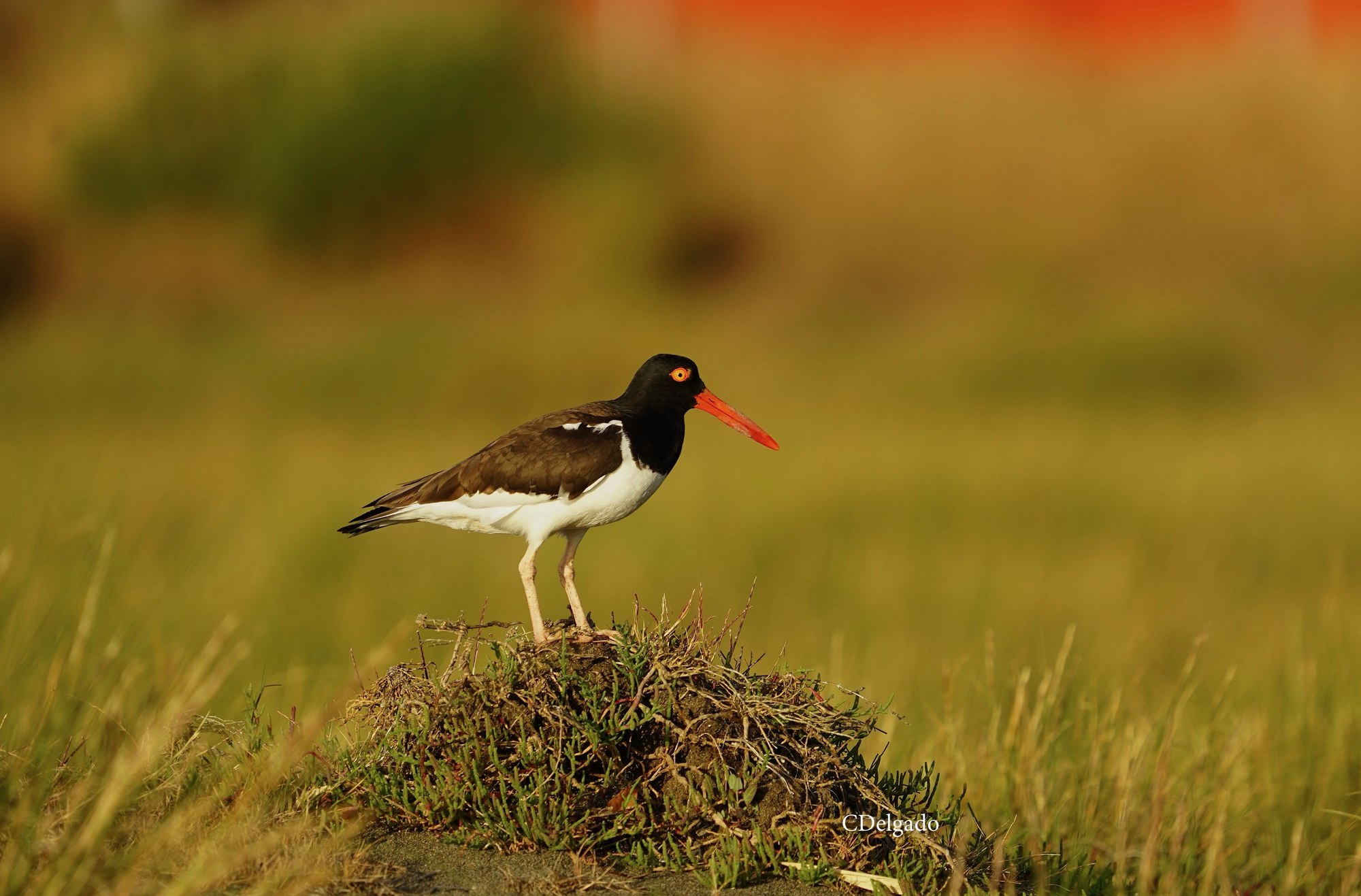
American Oystercatcher (pilpilén)
Haematopus palliatus
Haematopus palliatus
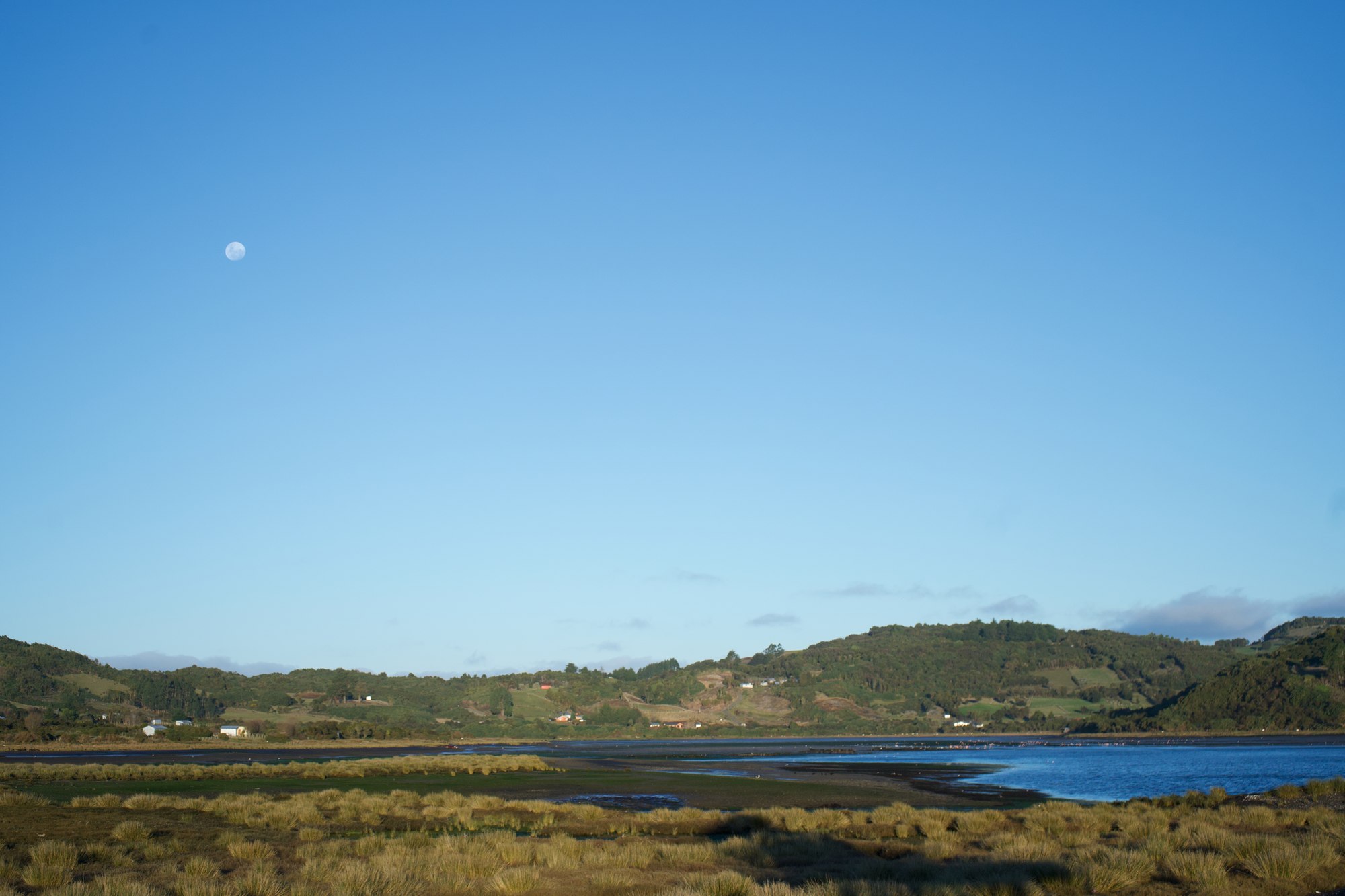
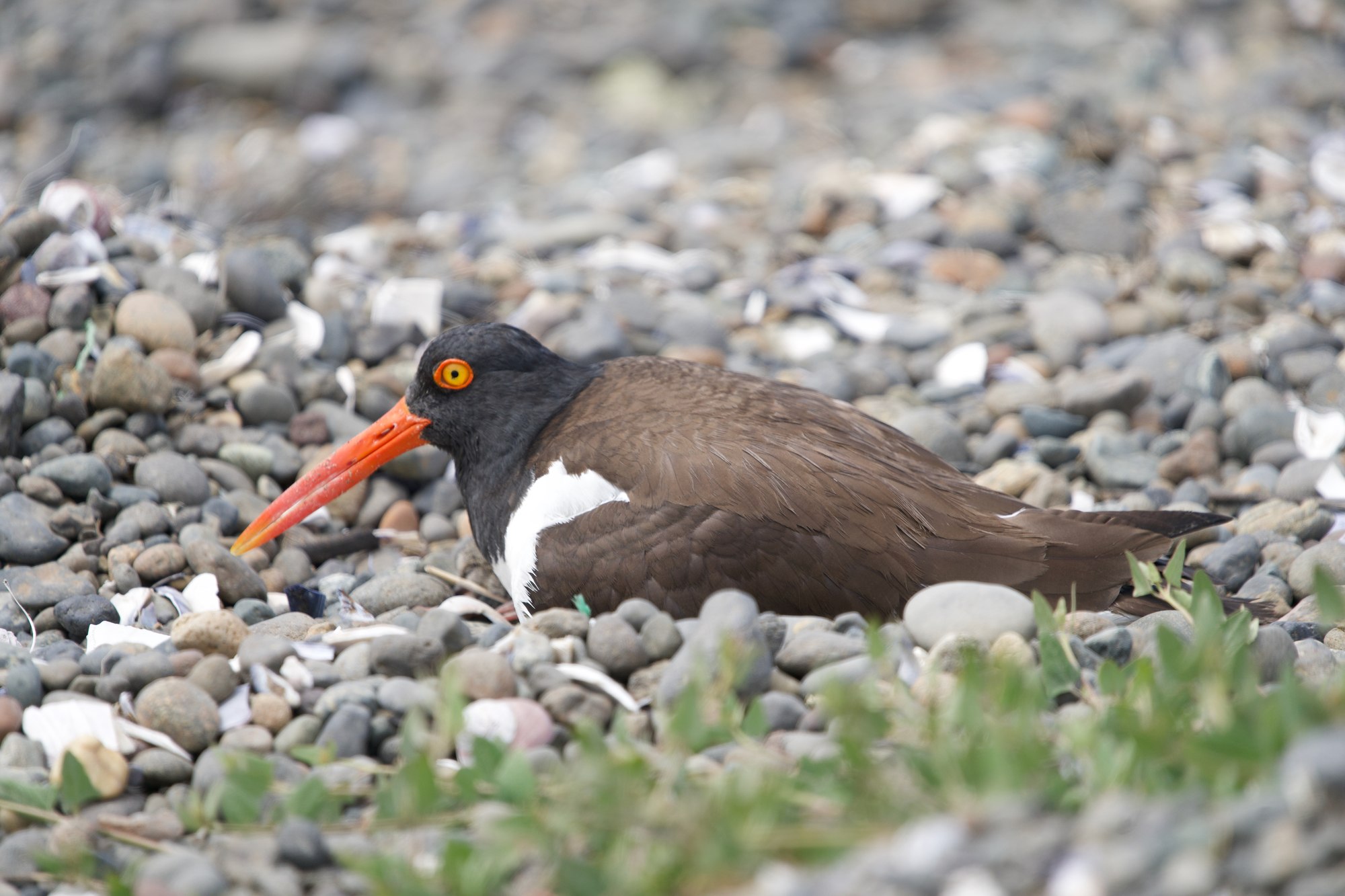
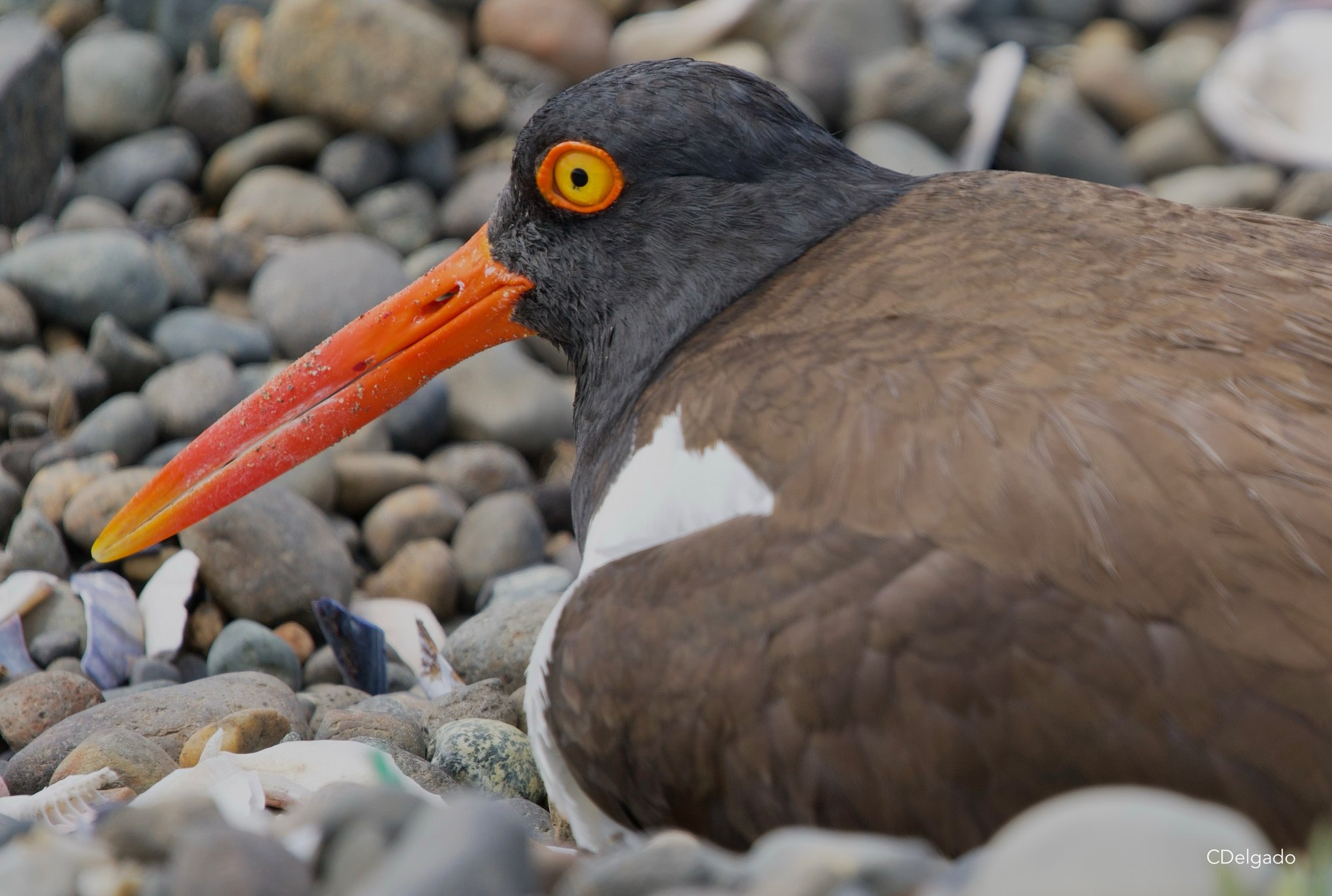
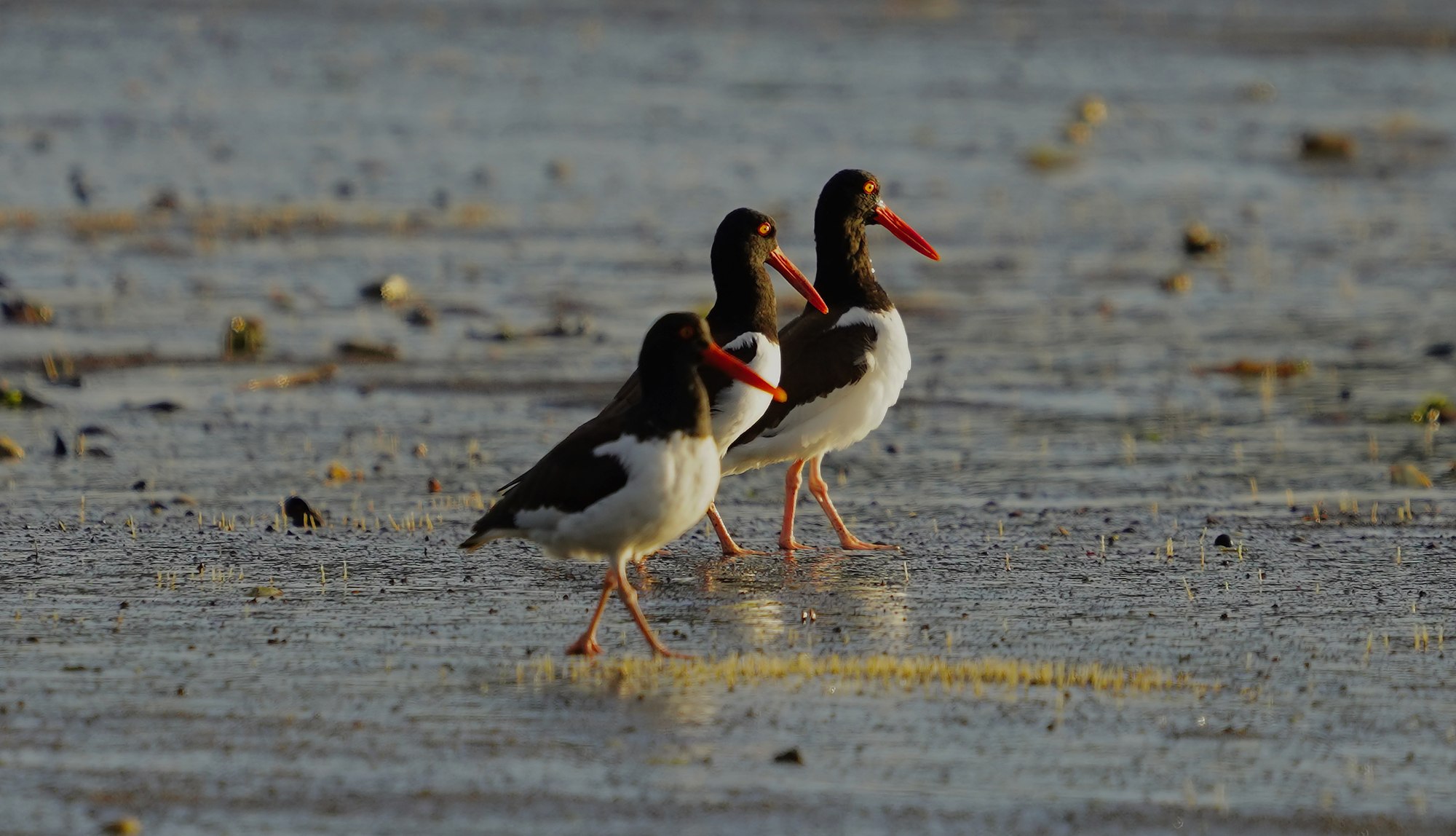
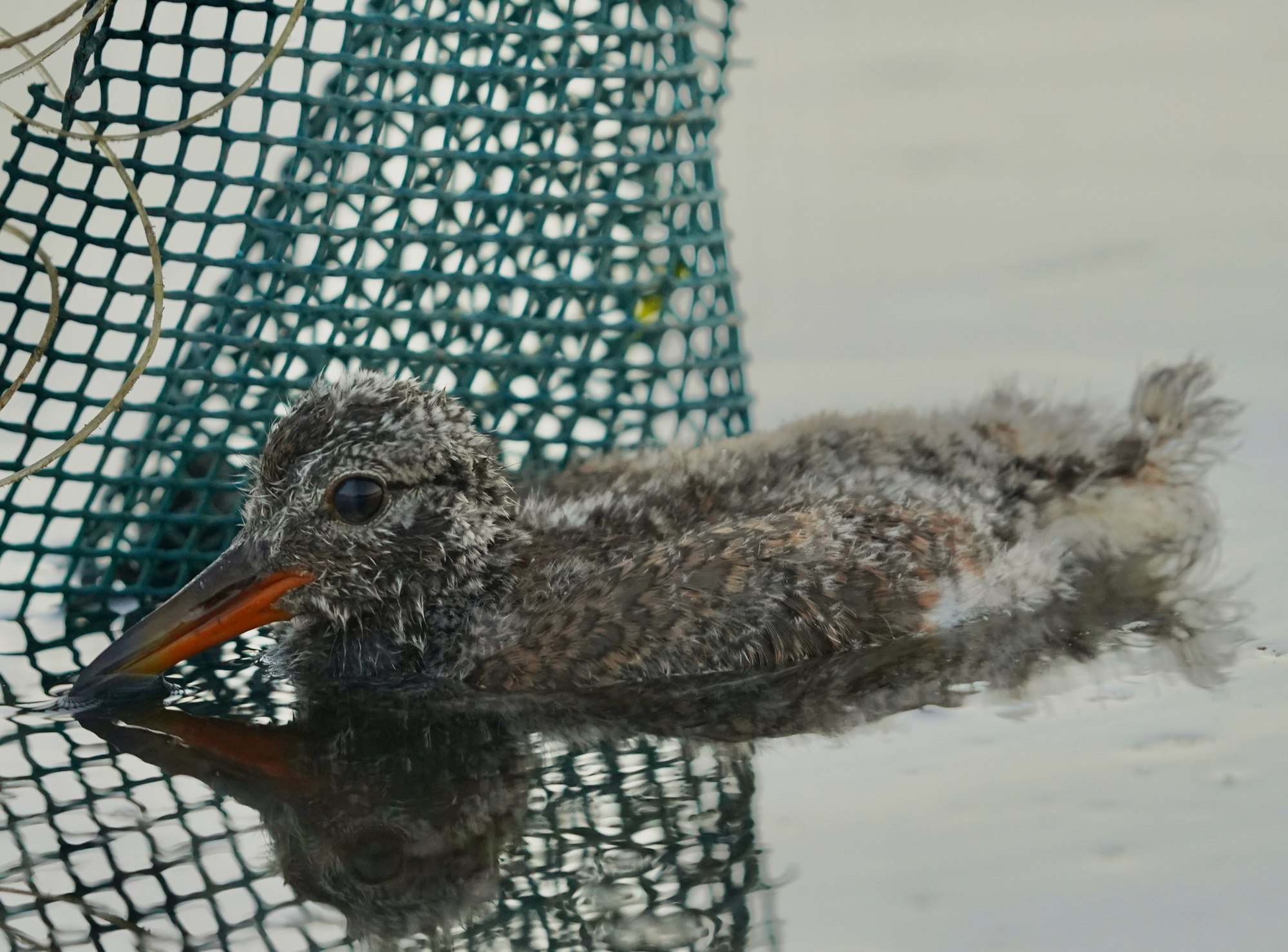
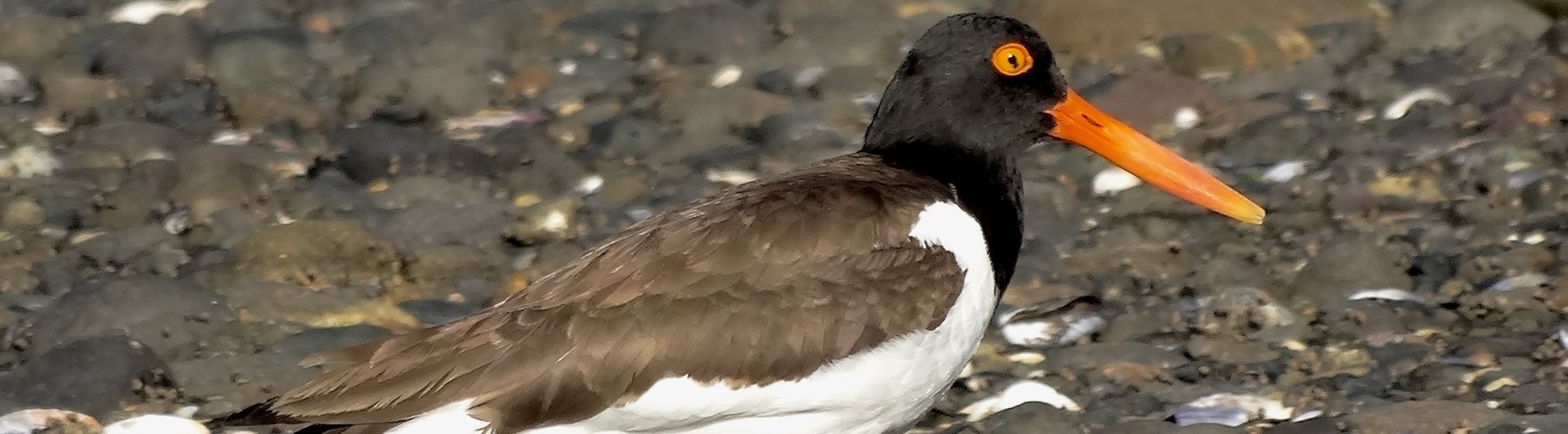
Since 2019, a conservation program for the American oystercatcher (Haematopus palliatus), locally known as pilpilén, has been underway on Quinchao Island, Chiloé, with special focus on the Bahía de Quinchao wetland. The initiative seeks to protect the breeding sites of this resident shorebird and increase the survival of its eggs, chicks, and fledglings.
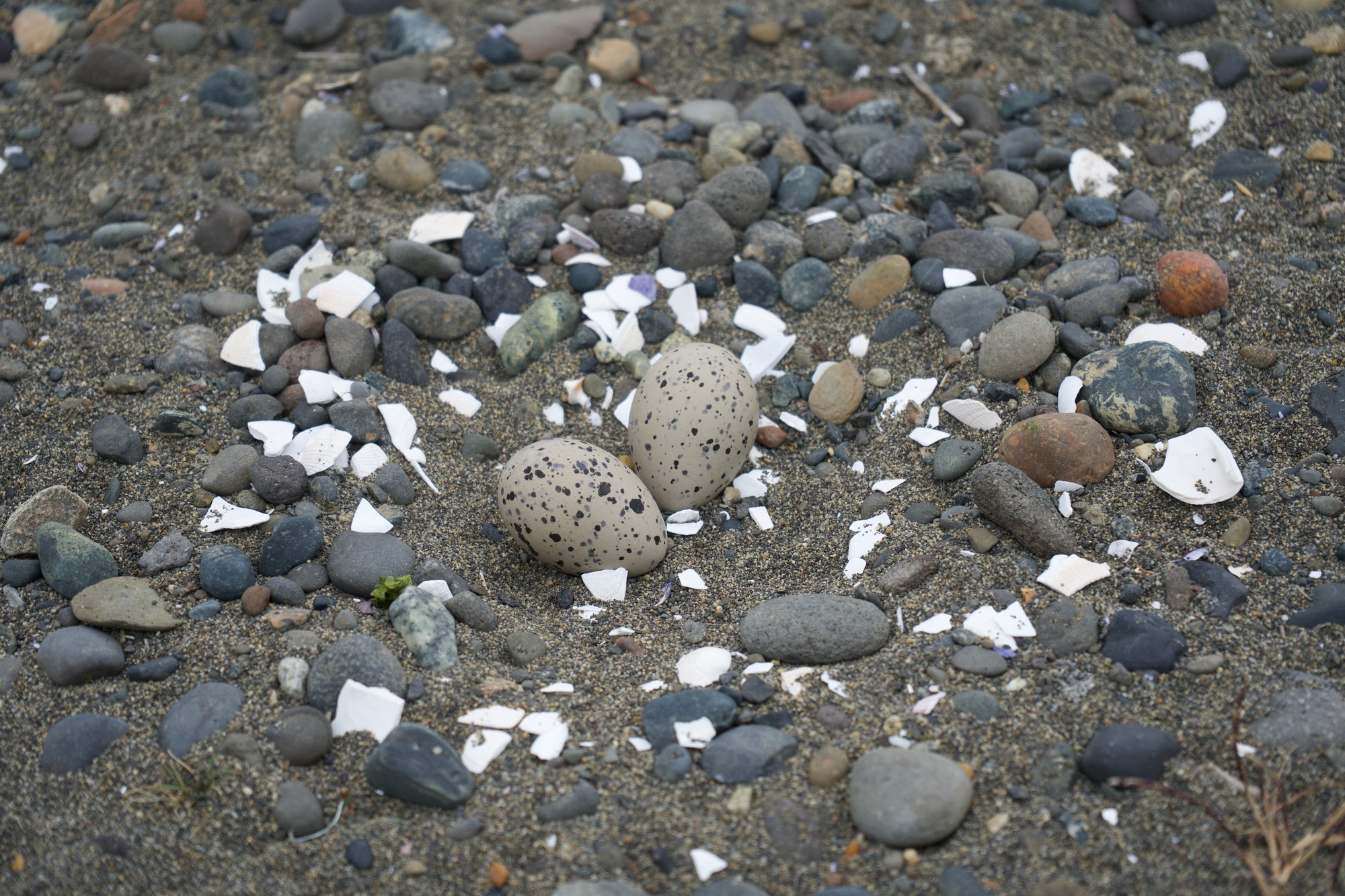
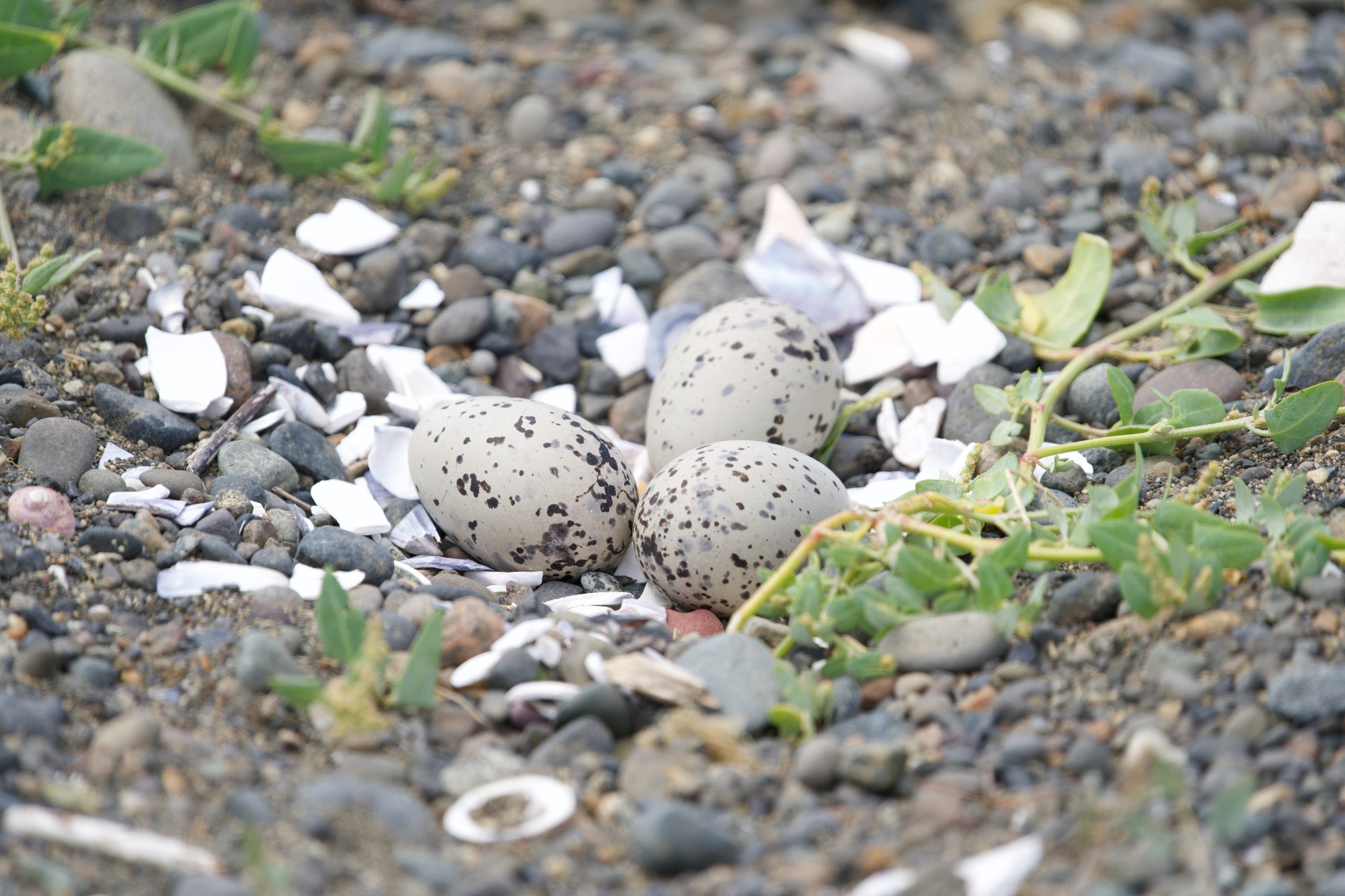
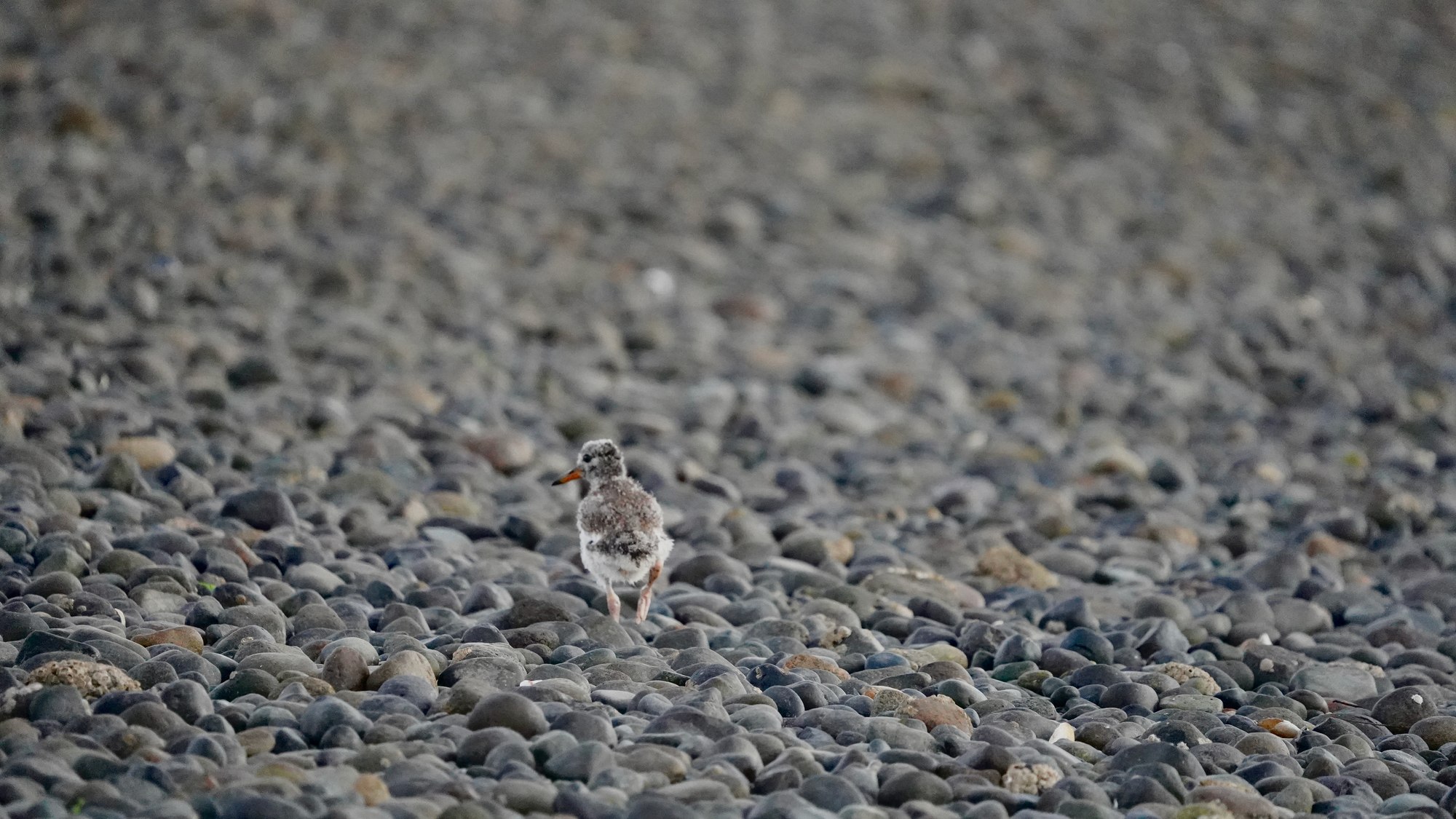
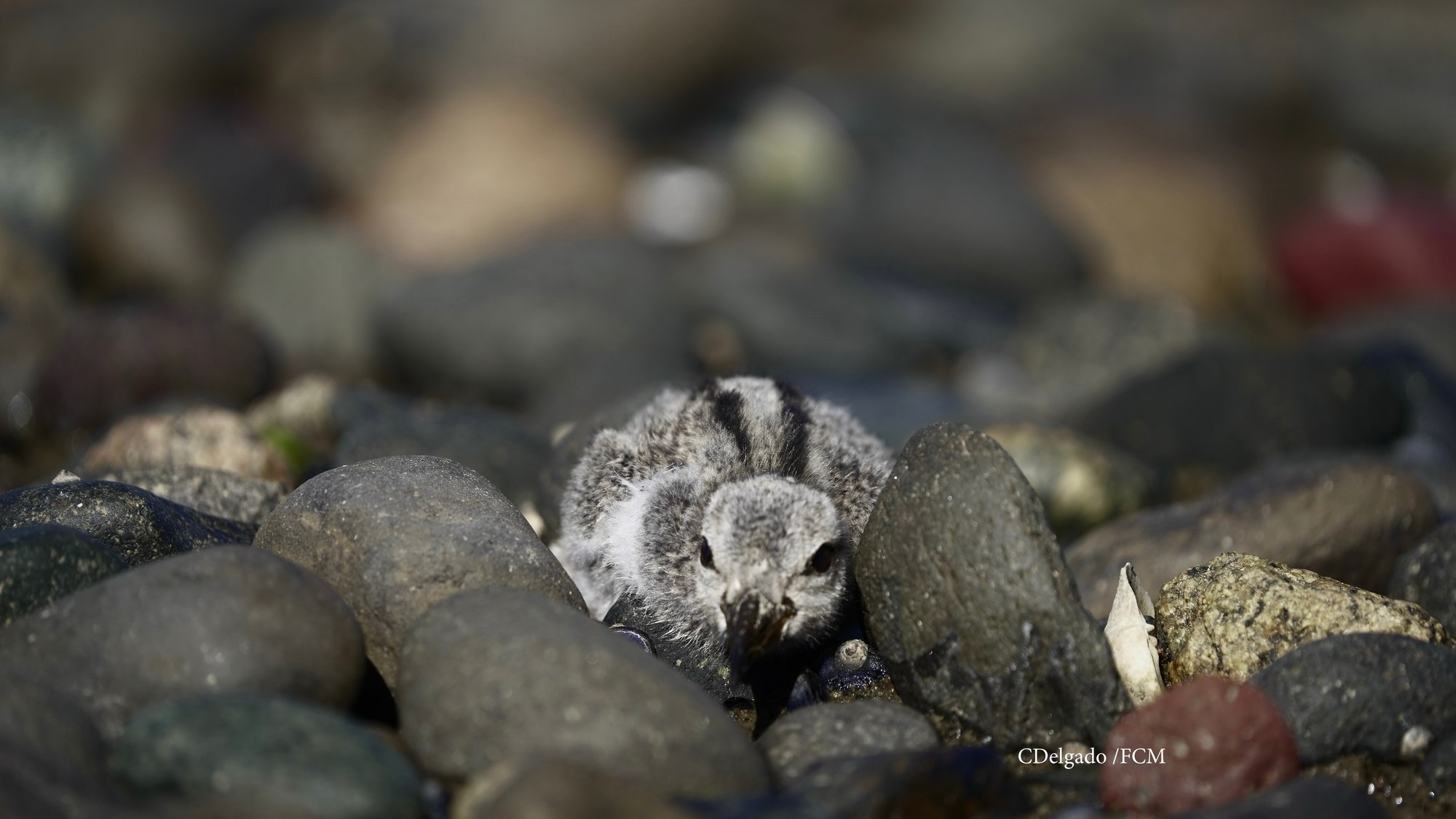
The American oystercatcher nests directly on beaches, coastal grasslands, and areas above the tide line. Its eggs are poorly protected and blend in with the substrate, which makes nests especially vulnerable to foot and vehicle traffic, trampling, poor vegetation management, and unsupervised dogs. These threats can lead to egg loss, chick mortality, or the abandonment of breeding sites.
The program combines scientific monitoring with direct conservation action. Each breeding season, FCM locates and monitors nests, records the number of eggs and chicks, identifies causes of loss, and evaluates the success of breeding pairs.
Monitoring is complemented with automatic cameras, which reveal what happens at nests without increasing disturbance. The information gathered helps identify predators, document the presence of dogs and people, and guide management measures.
In Bahía de Quinchao, nesting sectors have been temporarily protected, coastal grassland vegetation managed, and sensitive areas delimited to reduce traffic and disturbance. These measures aim to conserve a mosaic of suitable habitats where pairs can build nests, incubate, and raise their chicks.
Management follows an adaptive approach: each season the results are evaluated and actions adjusted according to nest locations, threats detected, and the birds' response.
Long-term monitoring has shown that one of the main challenges for the species lies in the transition between egg-laying and chick survival. Based on this knowledge, FCM has strengthened nest protection and measures aimed at reducing the presence of dogs and other sources of disturbance.
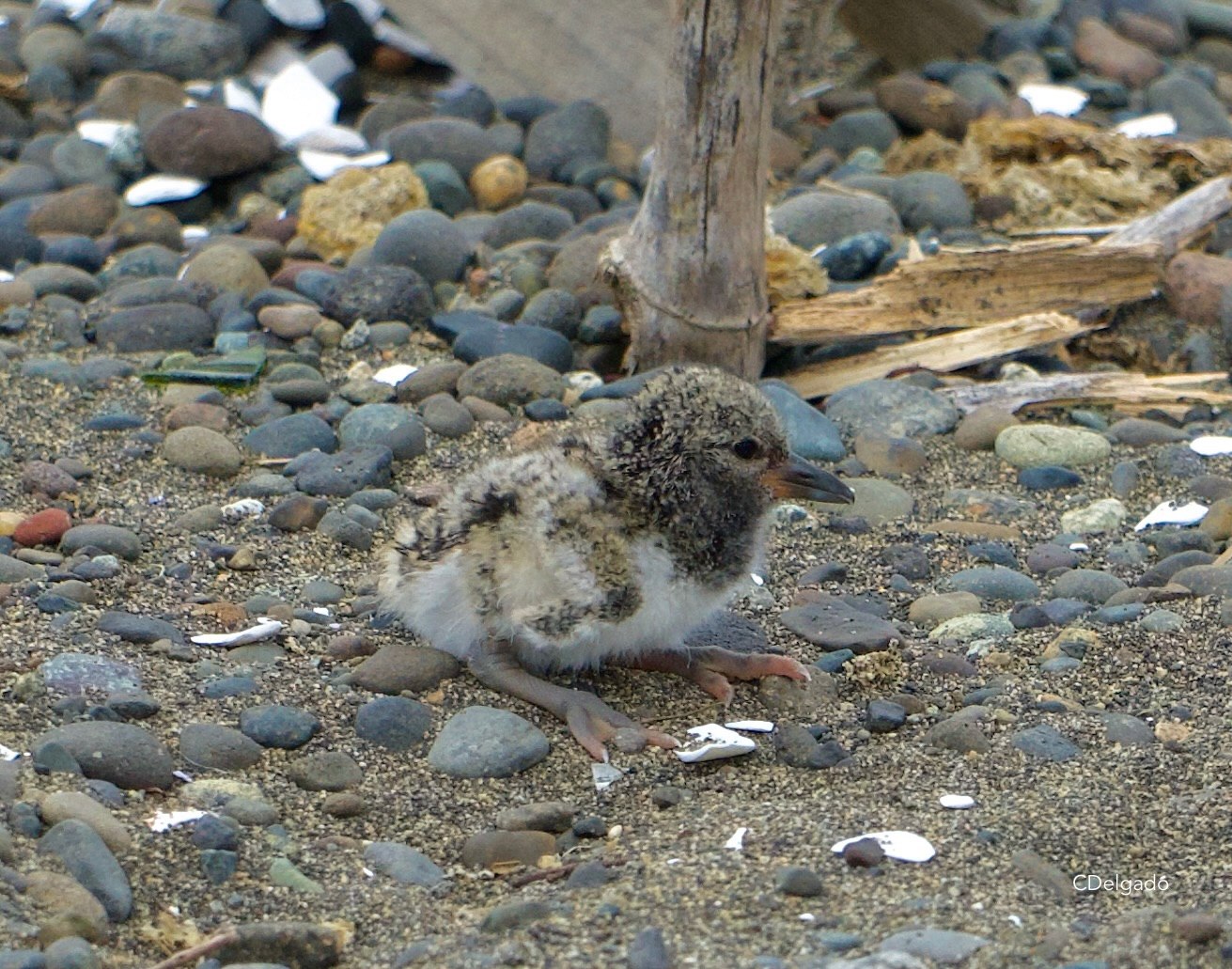
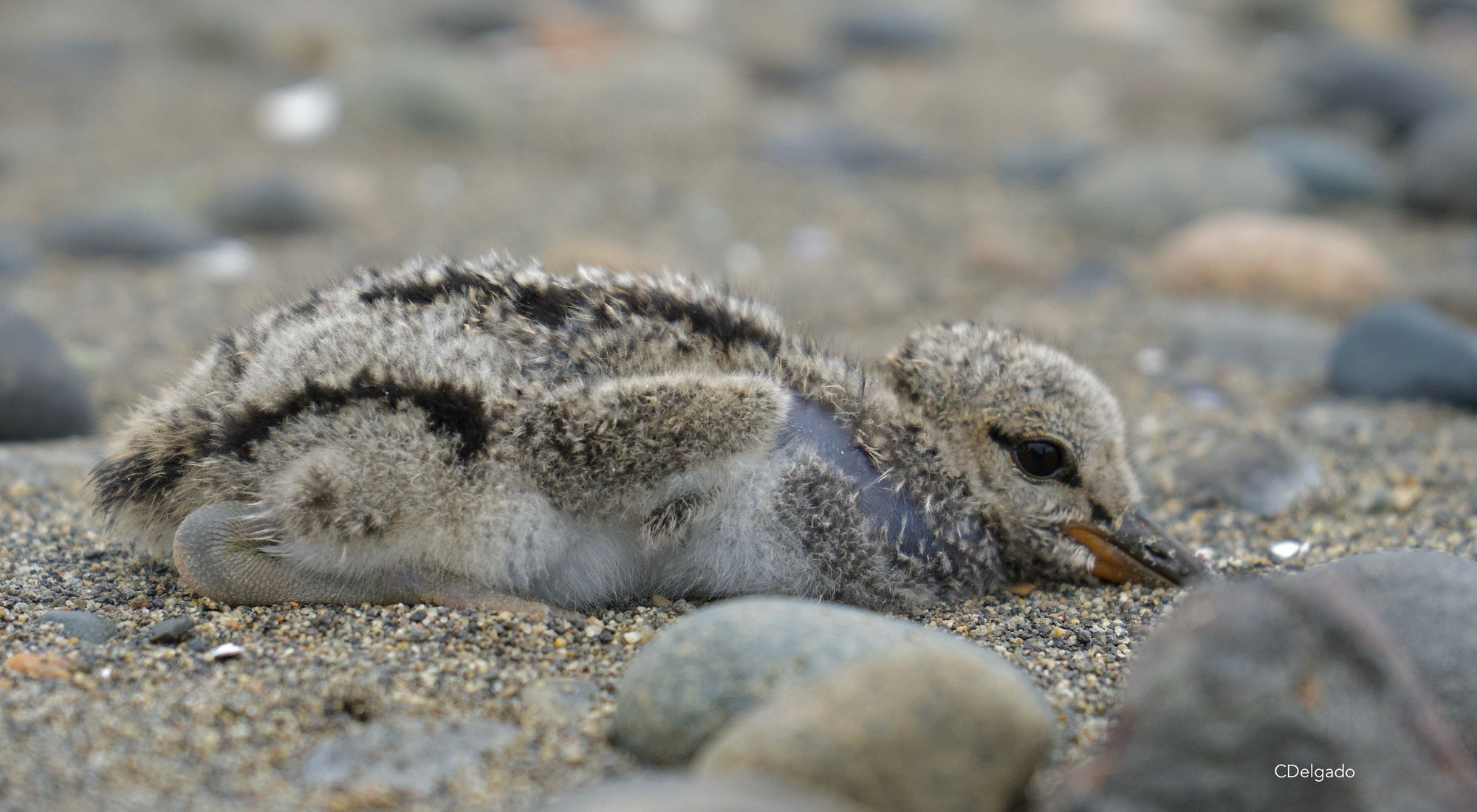
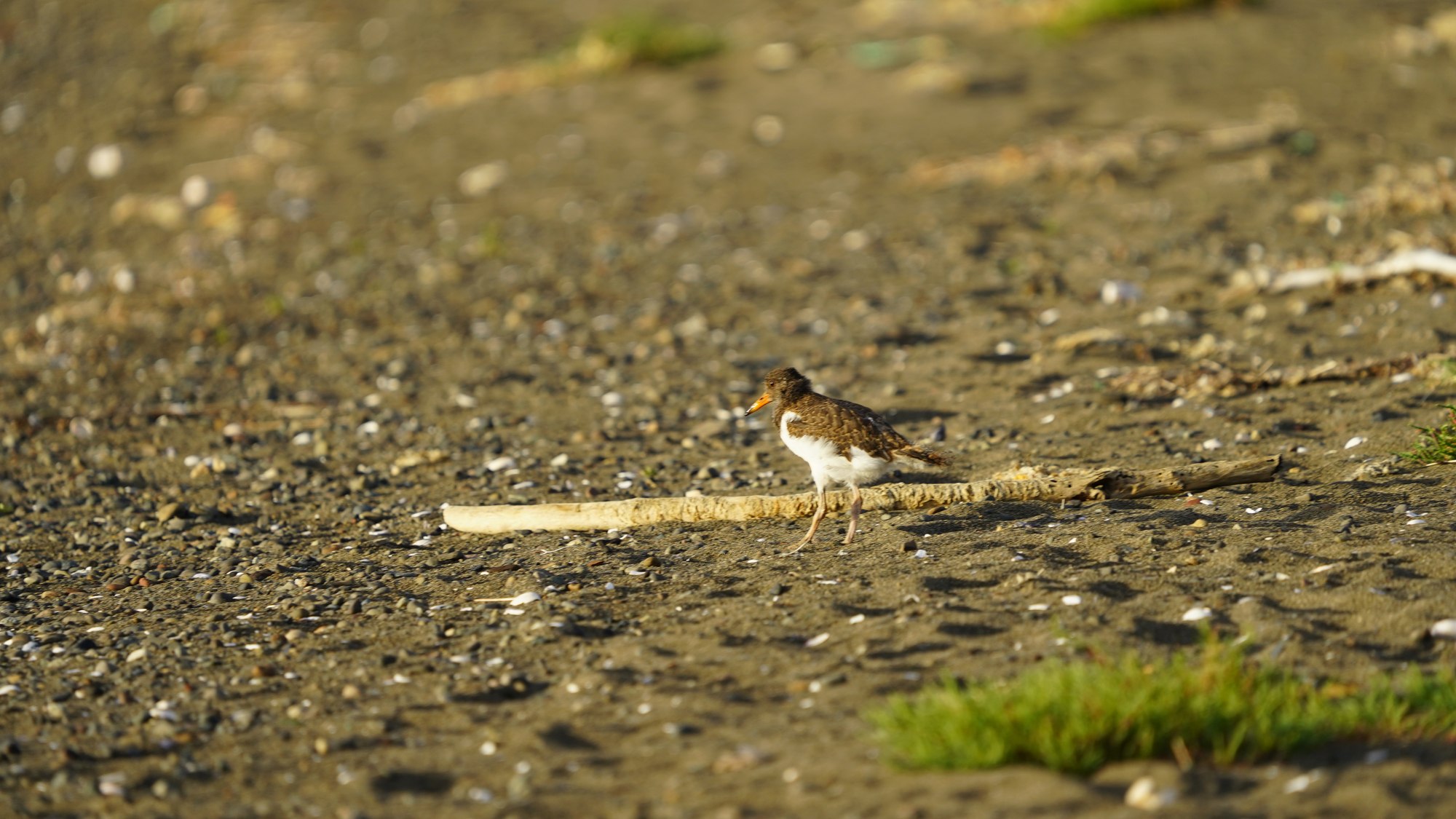
During the 2025–2026 season, six breeding attempts, eleven eggs, four chicks, and four fledglings were recorded. Although egg loss remains a challenge, every chick that hatched reached the fledgling stage. These results show that habitat protection and intensive monitoring can increase the odds of survival once hatching occurs.
The program's goal is to reach and maintain a minimum productivity of 0.30 fledglings per nest, while steadily reducing the threats affecting breeding areas.
The program is also moving toward the capture and banding of American oystercatchers with rings and visible flags. Individual recognition will make it possible to estimate adult survival, understand site fidelity, identify movements between wetlands, and assess whether fledglings return to Quinchao Island in later years.
This information is essential to understanding the dynamics of the local population and strengthening the connection between management actions and long-term conservation outcomes.
The recovery of the American oystercatcher requires beaches and coastal grasslands to be used responsibly. For this reason, FCM works with the Municipality of Quinchao, community organizations, residents, schools, and visitors to promote responsible pet ownership, reduce dogs entering nesting areas, and regulate human activities during the breeding season.
Actions include environmental education, signage, outreach on recommendations, coordination with authorities, and strengthening the protected area's governance. The municipal ordinance on responsible pet ownership is a relevant tool for reducing this threat.
The American oystercatcher program integrates research, direct nest protection, habitat restoration, community participation, and territorial management. Its purpose is not merely to protect isolated pairs or nests, but to maintain a viable breeding population and conserve the coastal environments the species needs throughout its life cycle.
The experience developed in Bahía de Quinchao is a model of applied conservation that can be adapted to other sites in the Chiloé Archipelago. Protecting the American oystercatcher also means safeguarding beaches, salt marshes, and coastal grasslands used by other birds, and strengthening the relationship between local communities and their natural heritage.
This program is supported with funding from BIOME, ICF, RHRAP-Manomet, and the Municipality of Quinchao.