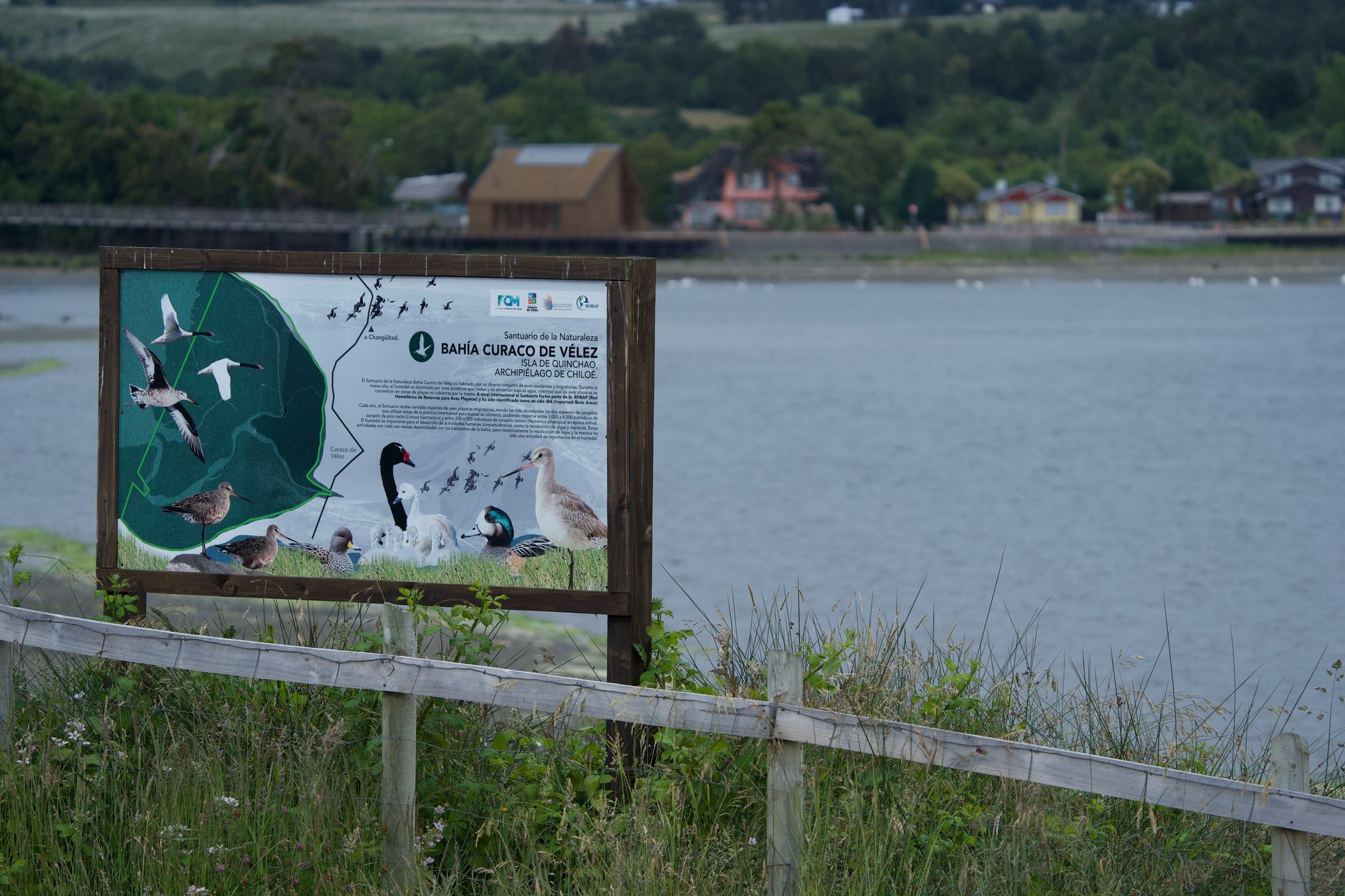
Curaco de Vélez Bay Natural Monument
Protection and management of the Curaco de Vélez Bay Wetland Nature Sanctuary, key habitat for migratory shorebirds on Quinchao Island, Chiloé.
Protection and management of the Curaco de Vélez Bay Wetland Nature Sanctuary, key habitat for migratory shorebirds on Quinchao Island, Chiloé.
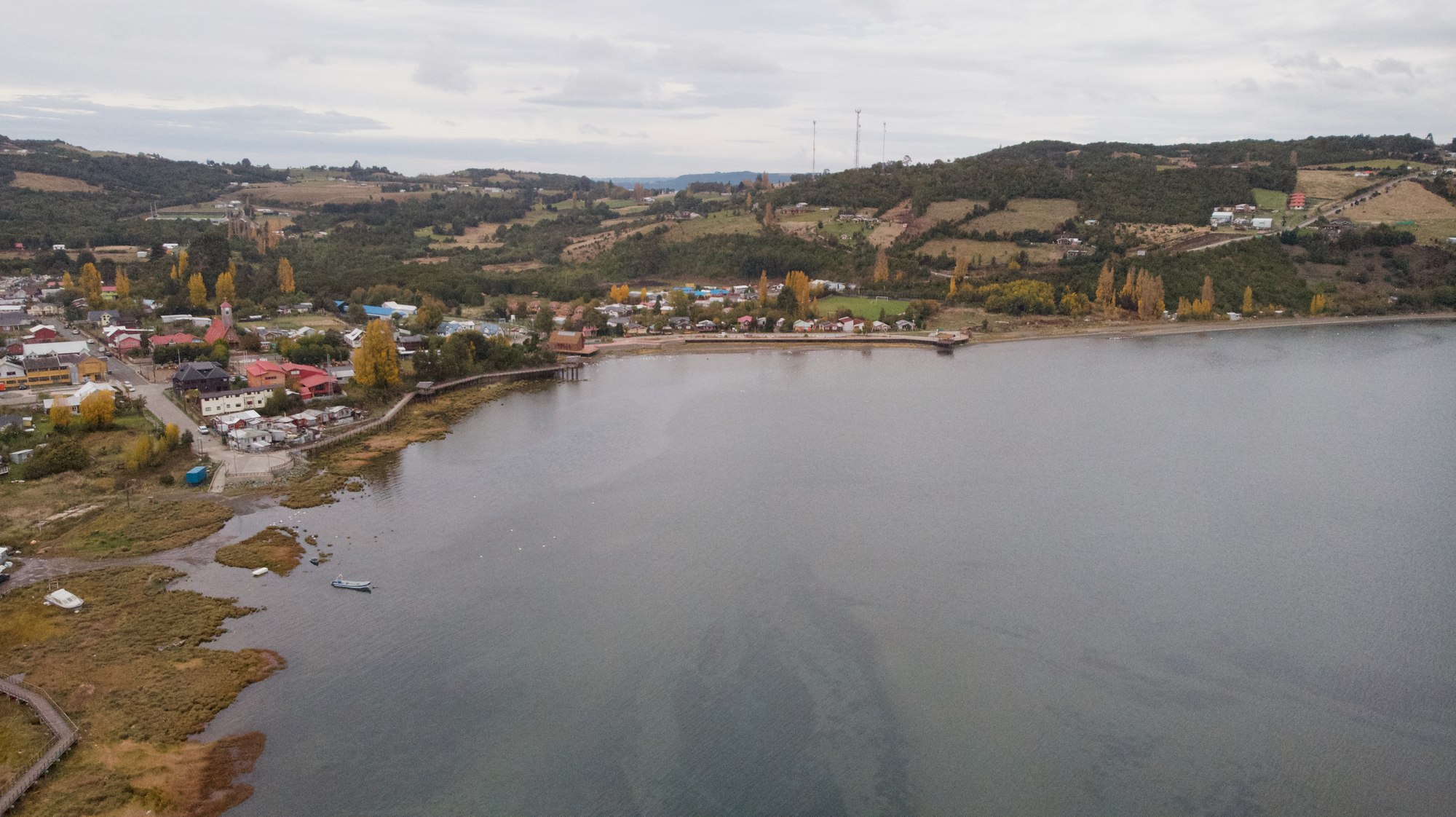
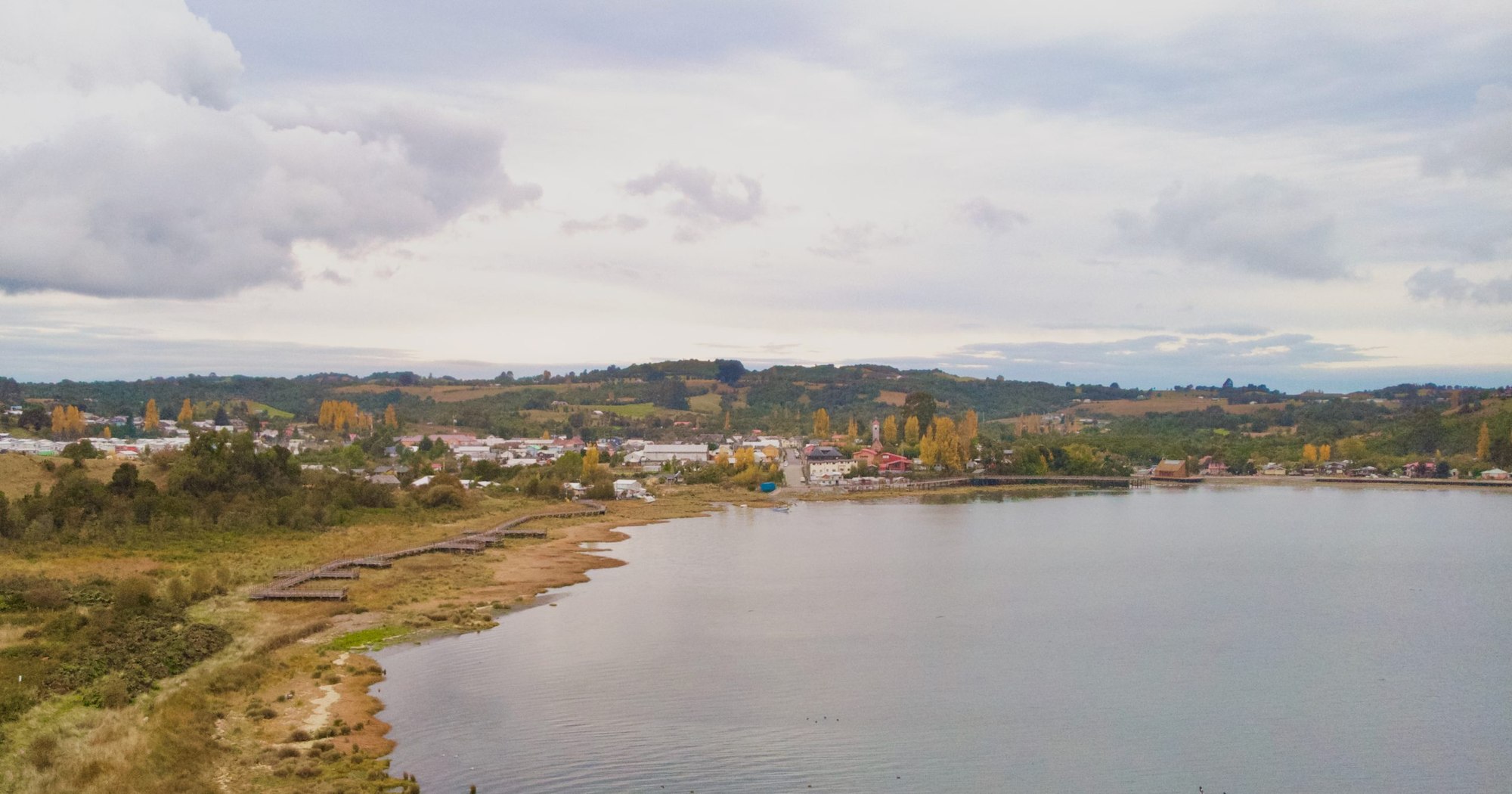
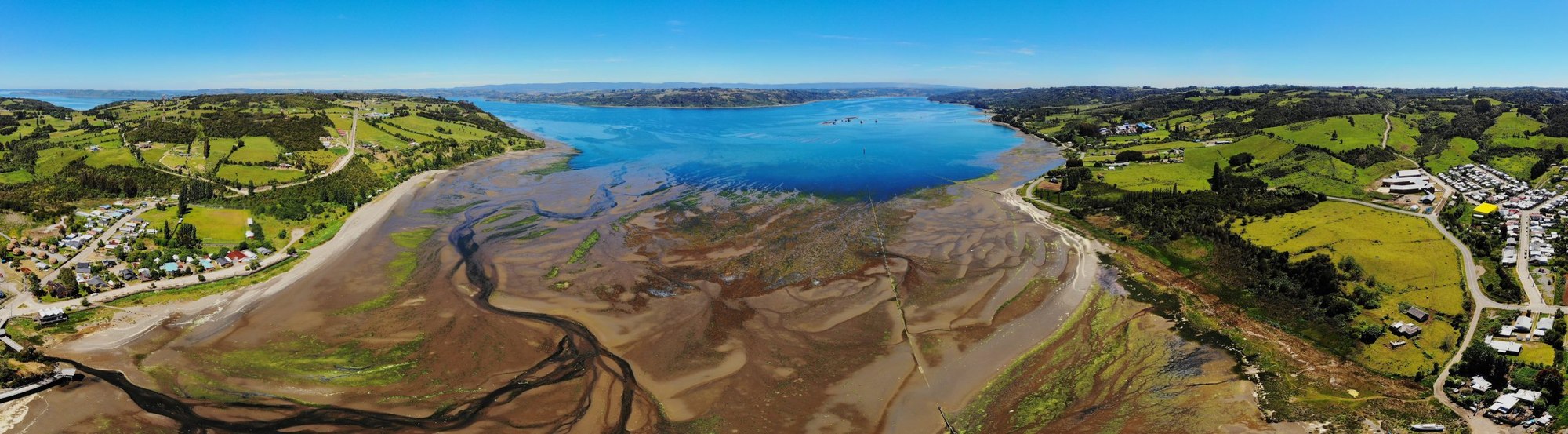
The Curaco de Vélez Bay Wetland Natural Monument protects 59.7 hectares of coastal ecosystems in the commune of Curaco de Vélez, Quinchao Island, Chiloé Province, Los Lagos Region. Its official declaration, finalized in 2022 as a Nature Sanctuary, marked an important step forward for the conservation of the natural and cultural heritage of the Chiloé Archipelago.
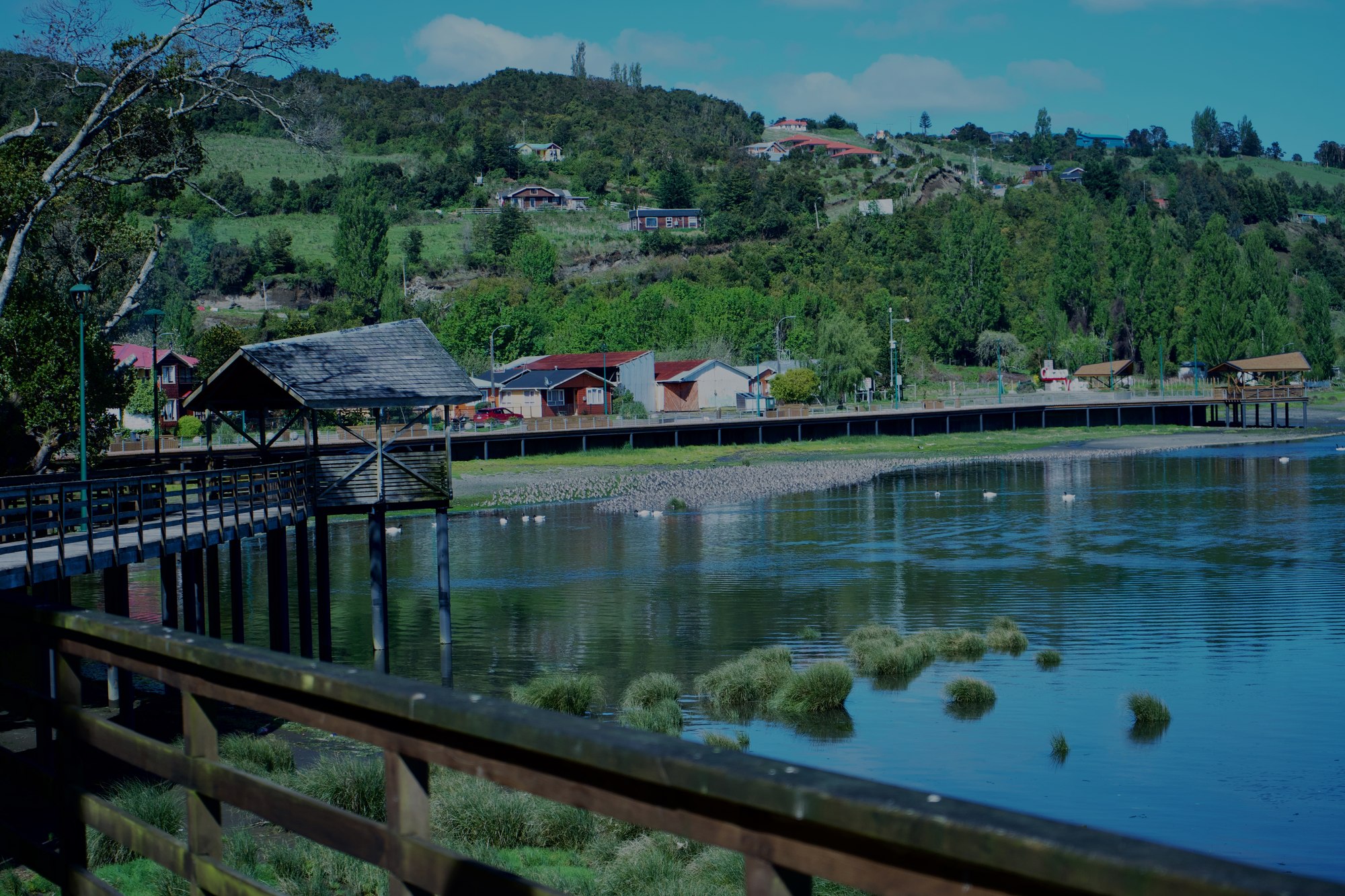
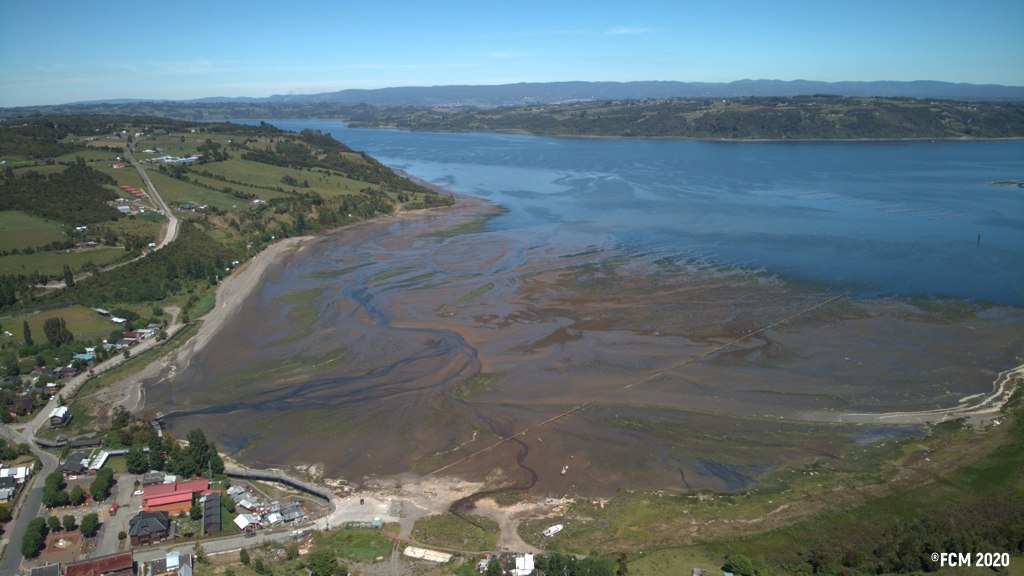
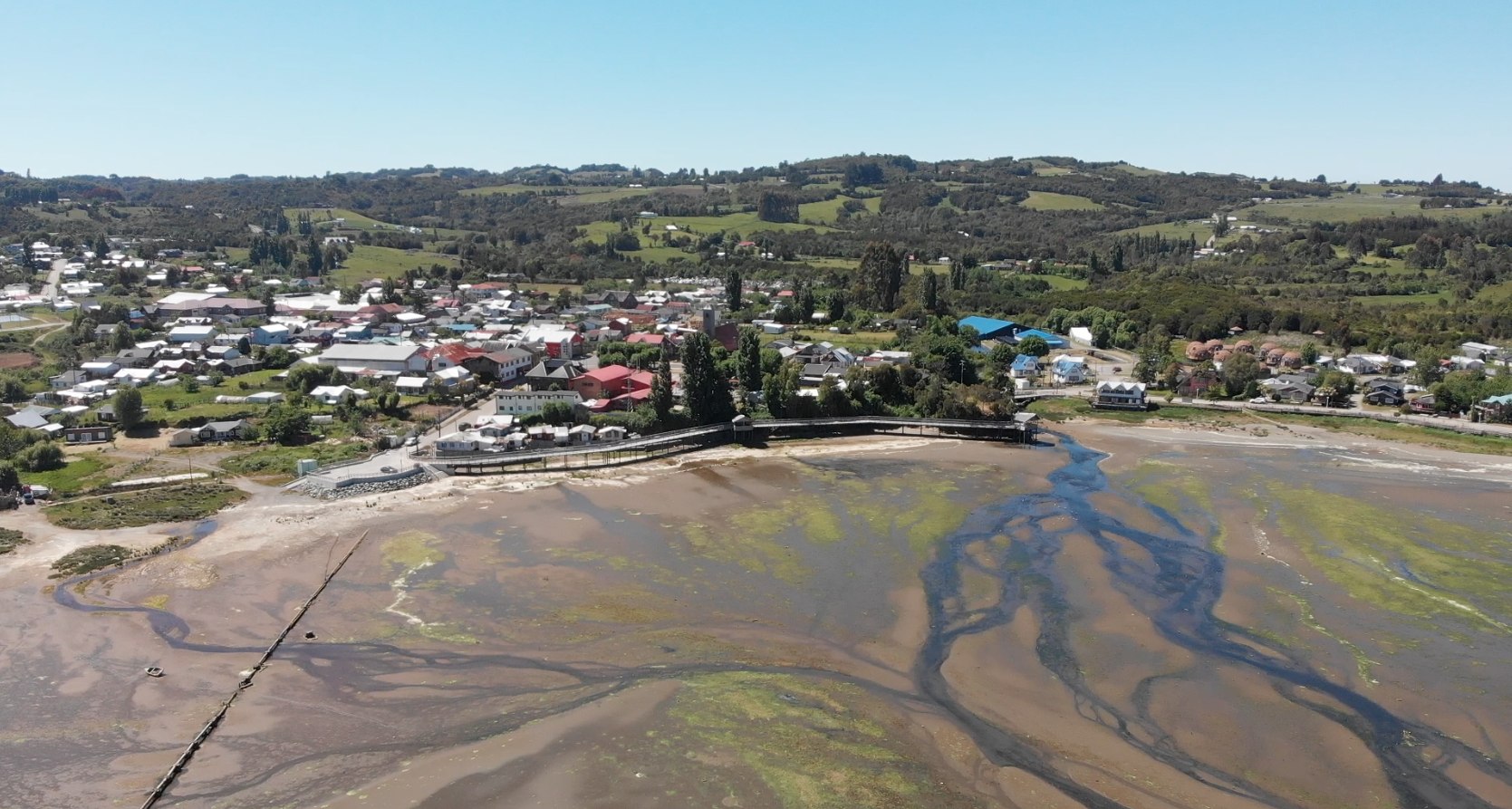
The protected area encompasses a diversity of interconnected environments, including beaches, estuaries, salt marshes, and extensive intertidal flats. Two microwatersheds from the interior of Quinchao Island flow into the bay, and their freshwater input — especially from the Vélez River — helps sustain the wetland's productivity and ecological character.
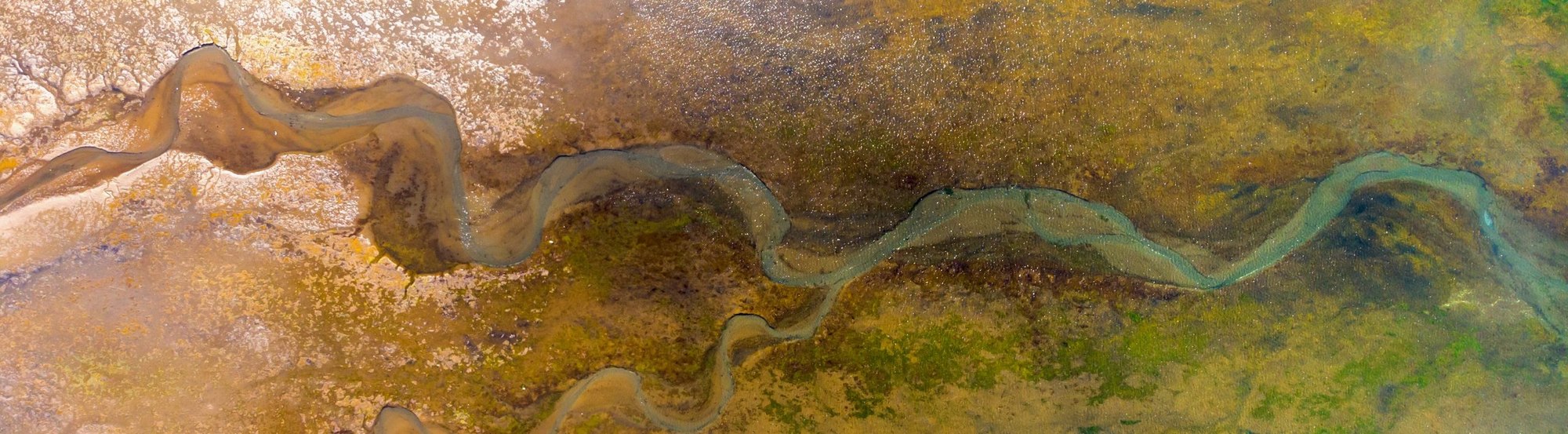
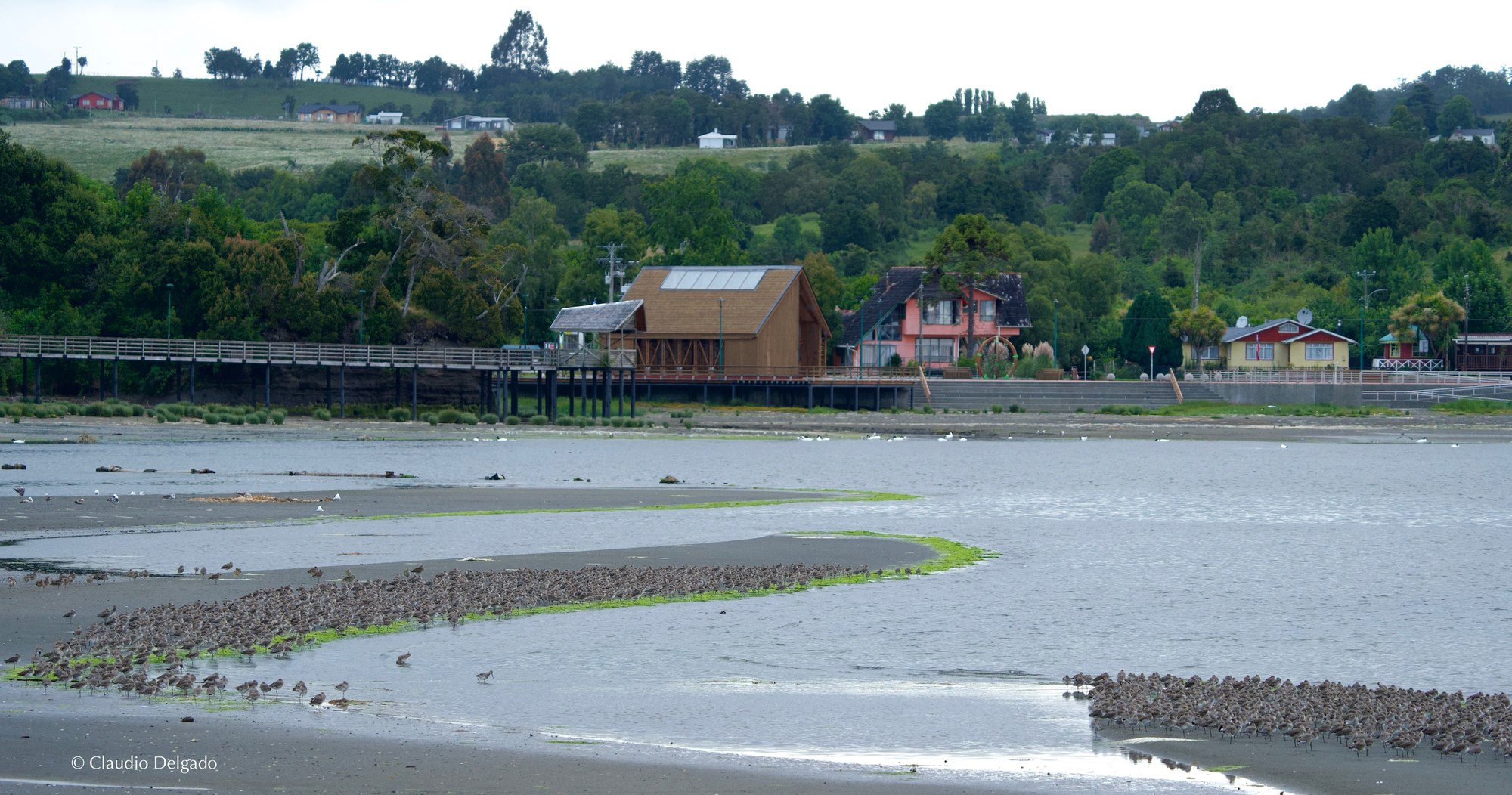
The bay is part of Chiloé's inland sea, a coastal system governed by tidal dynamics. Roughly every six hours, the rising and falling tide covers and exposes the intertidal flats, transporting nutrients and renewing the environments used by birds, fish, algae, mollusks, and other organisms. In this area, the difference between high and low tide can exceed eight meters.
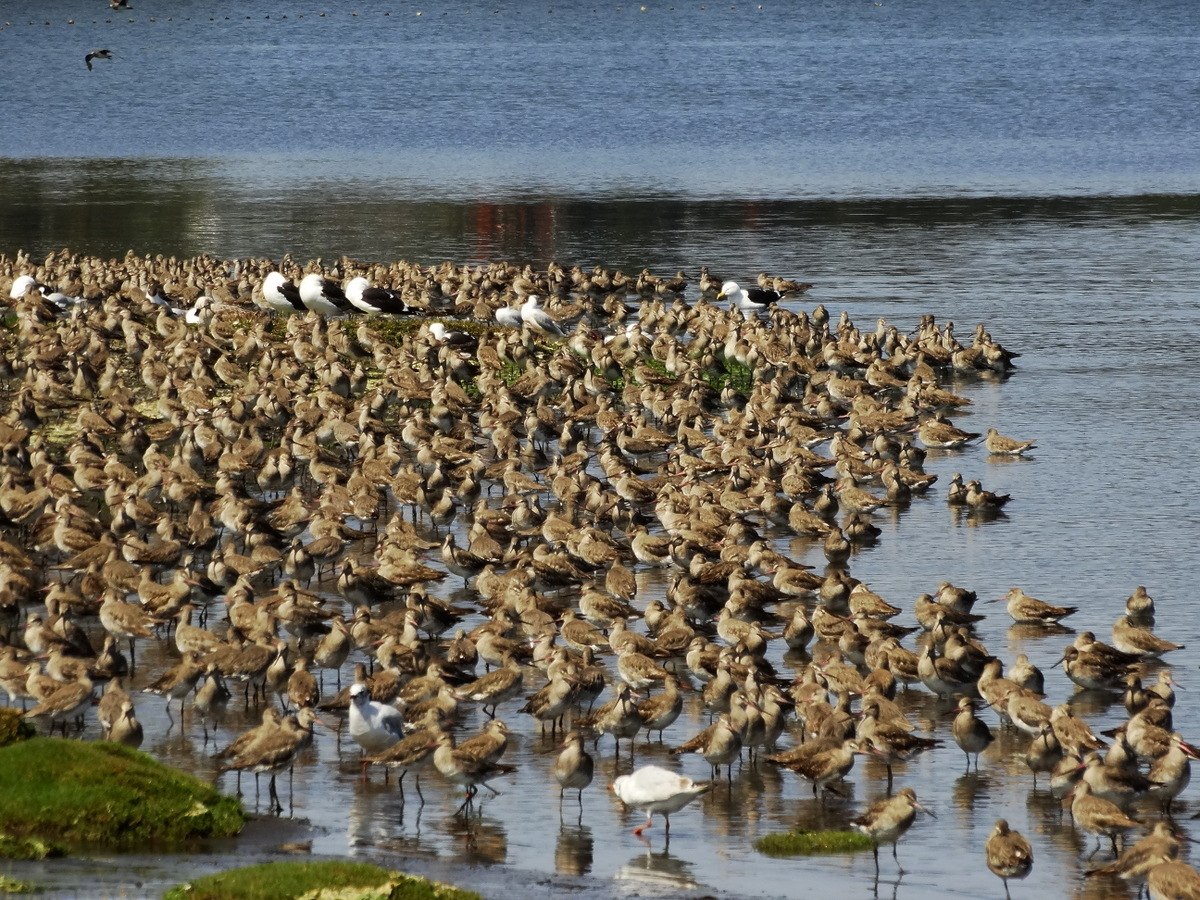
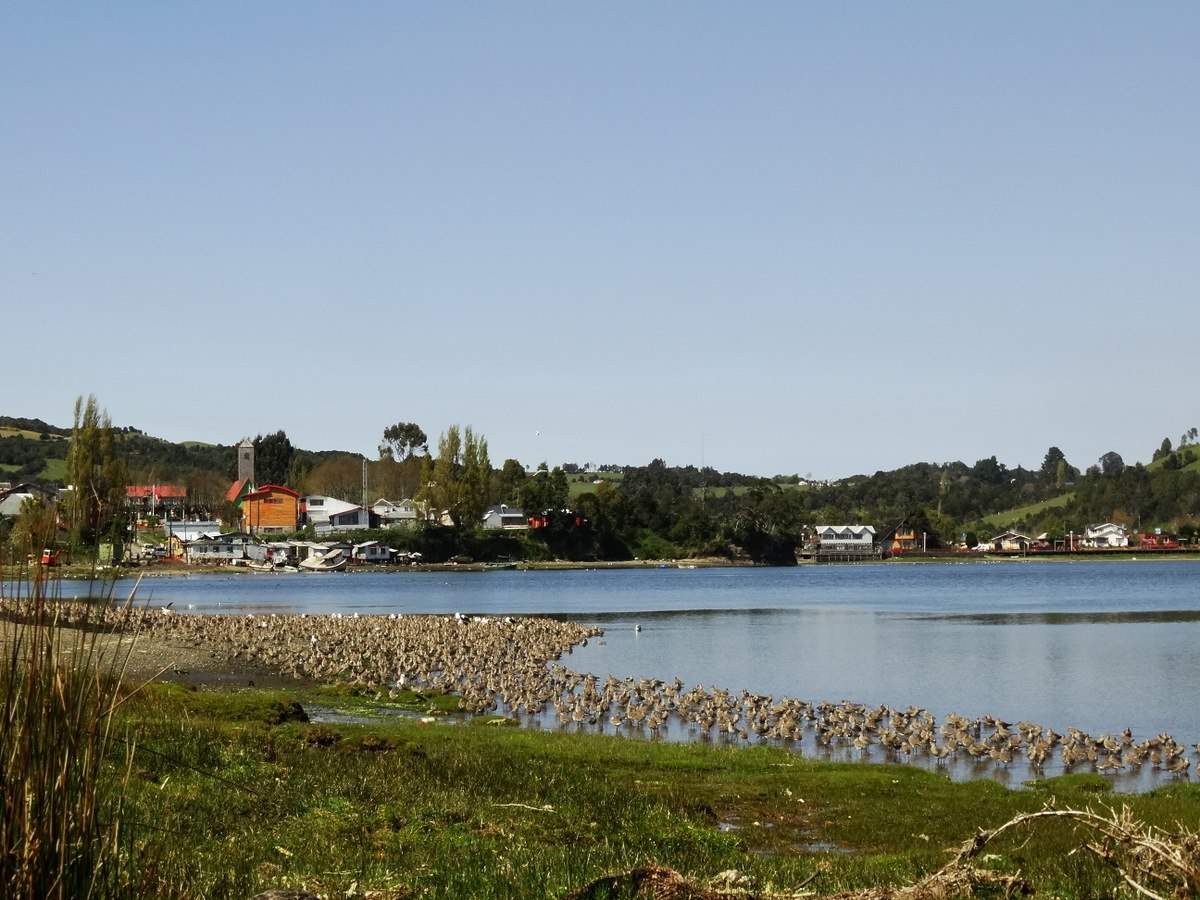
The intertidal flats of Curaco de Vélez offer shelter and abundant food to numerous species of resident and migratory waterbirds. Thanks to its ecological importance, the bay has received international recognition as an Important Bird and Biodiversity Area (IBA) and as a Site of Hemispheric Importance within the Western Hemisphere Shorebird Reserve Network (WHSRN).
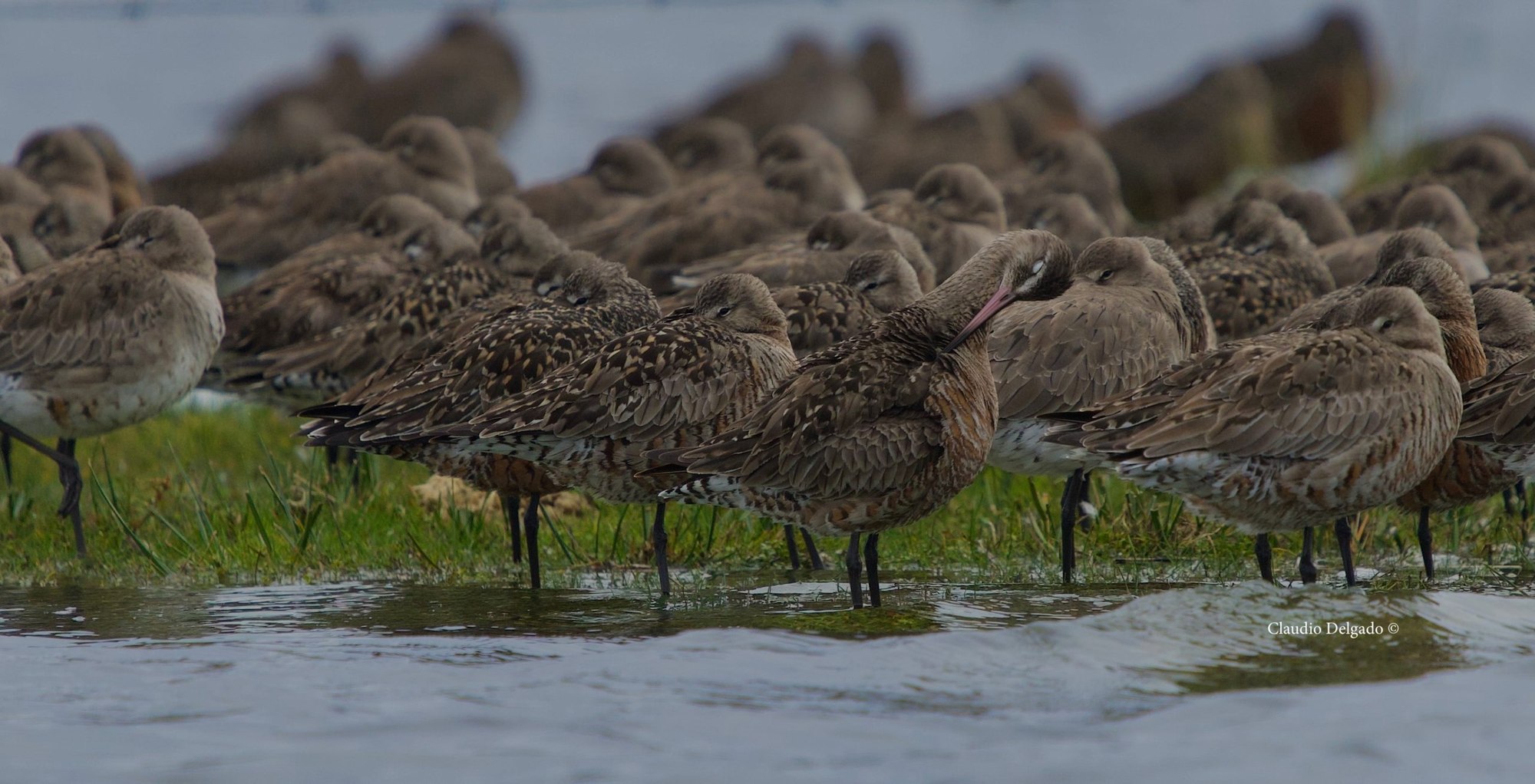
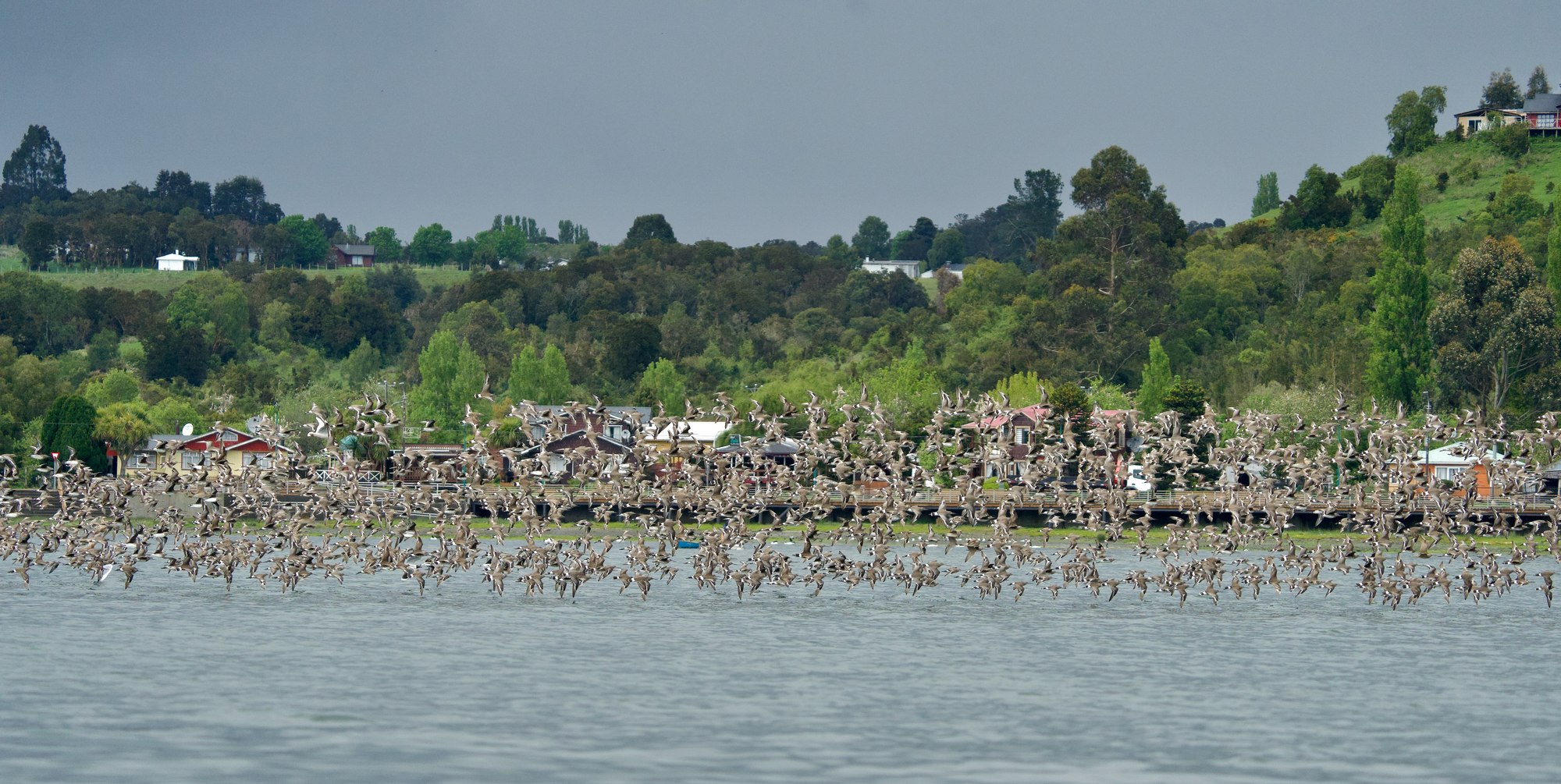
Every austral spring, shorebirds that breed in the northern hemisphere and travel thousands of kilometers across the Americas arrive at the bay. Among them is the Hudsonian godwit (Limosa haemastica), which arrives from Alaska in September and remains in Chiloé for close to seven months. In late April it begins its return journey to its breeding grounds in the northern hemisphere.
Curaco de Vélez is one of the most important sites in South America for this species, regularly hosting a significant share of its biogeographic population. Alongside the Hudsonian godwit, the bay hosts the whimbrel (Numenius hudsonicus), another boreal migratory species that uses the intertidal flats to feed and rebuild energy reserves.
During fall and winter, austral migratory birds also arrive, such as the rufous-chested plover (Charadrius modestus). Occasionally, the bay receives Chilean flamingos (Phoenicopterus chilensis), which use the shallow coastal environments to rest and feed.
Resident waterbirds found here include the southern lapwing (Vanellus chilensis), brown-hooded gull (Chroicocephalus maculipennis), chiloe wigeon (Mareca sibilatrix), yellow-billed pintail (Anas georgica), speckled teal (Anas flavirostris), flightless steamer duck (Tachyeres pteneres), American oystercatcher (Haematopus palliatus), neotropic cormorant (Nannopterum brasilianum), and the black-necked swan (Cygnus melancoryphus), one of the most emblematic species of Curaco de Vélez.
The main conservation targets defined for the Natural Monument are:
Conserving these elements seeks to safeguard both the bay's biodiversity and the historical relationship the Curaco de Vélez community maintains with its coastal environment.
On January 12, 2021, Chile's Council of Ministers for Sustainability approved the proposal to declare Curaco de Vélez Bay a Nature Sanctuary. The initiative was submitted by Fundación Conservación Marina, with support from the Municipality of Curaco de Vélez, social organizations, local institutions, and residents of the commune.
This milestone was the result of sustained research, monitoring, and conservation work led by Fundación Conservación Marina, with support from the Manomet Center for Conservation Sciences and the David and Lucile Packard Foundation.
The Natural Monument declaration granted legal recognition and protection to one of the most important coastal wetlands in Chiloé. At the same time, it opened new opportunities to strengthen environmental education, nature tourism, territorial planning, and the protection of the commune's biocultural heritage.
Management of the protected area is grounded in an inclusive conservation approach, in which local organizations and the Curaco de Vélez community play a fundamental role. The aim is to reconcile biodiversity protection with traditional activities and promote a more balanced relationship between people and the wetland.
In 2026, with the entry into force of the new Law 21.600 creating the Biodiversity and Protected Areas Service, the Nature Sanctuary protection category is being recategorized and aligned with Natural Monument status.
The initiative had the unanimous support of the mayor and Municipal Council of Curaco de Vélez, as well as the following local organizations and institutions:
Agrupación de Artesanos de Curaco de Vélez; Comité de Agua Potable Rural de Curaco de Vélez; Cuerpo de Bomberos de Curaco de Vélez; CESFAM Curaco de Vélez; Comité de Agua Potable Rural de Quetro; Comité de Medioambiente y Turismo de Curaco de Vélez; Corporación Municipal de Curaco de Vélez; Junta de Vecinos Bordemar; Junta de Vecinos Villa Bicentenario; Junta de Vecinos Vista Hermosa; Unión Comunal de Juntas de Vecinos de Curaco de Vélez; Agroturismo El Medán; and numerous residents connected to the bay.
Their participation was essential to advancing the protection of this natural heritage, reaffirming that the conservation of Chiloé's wetlands requires the commitment and active collaboration of the communities that live in and use these territories.