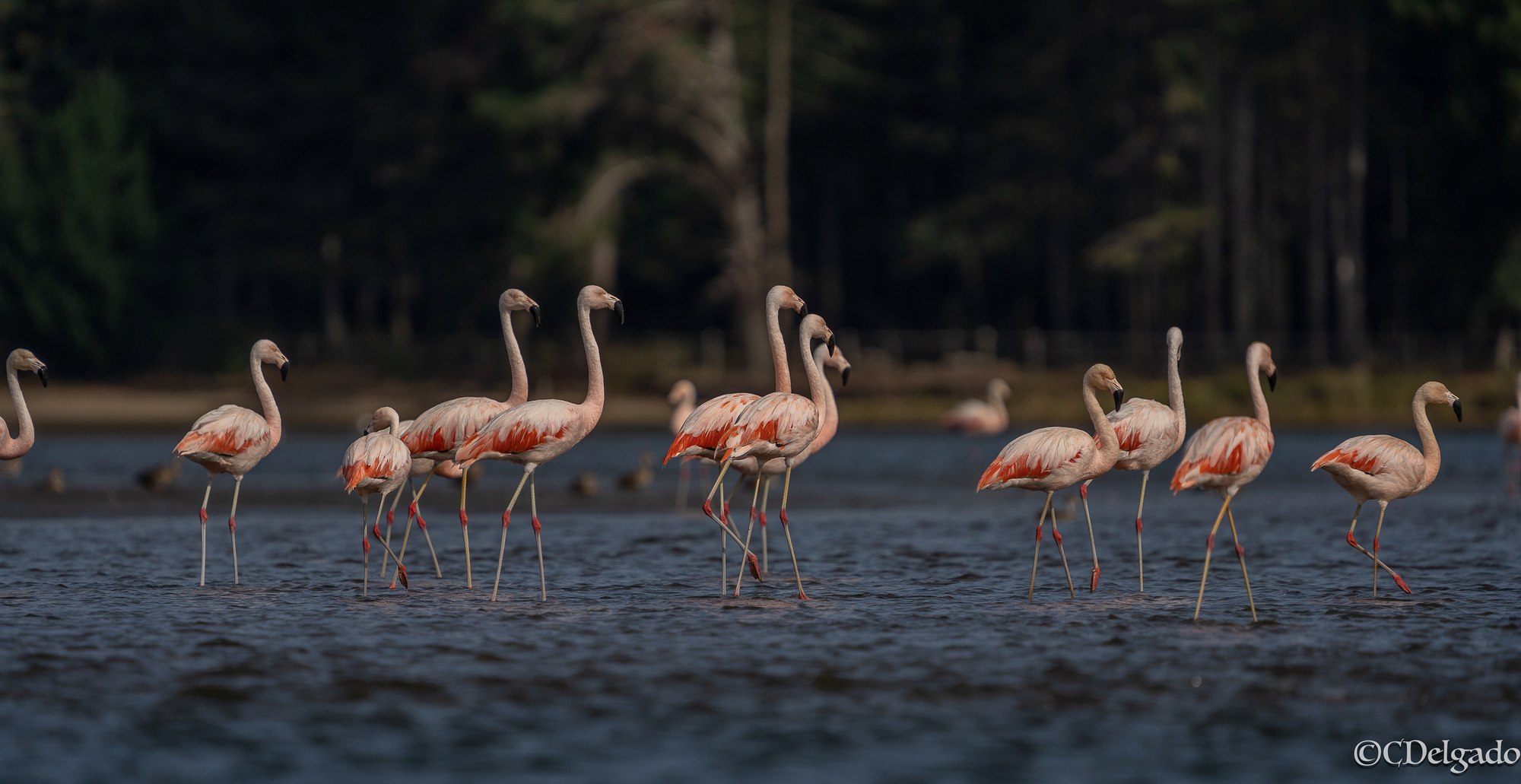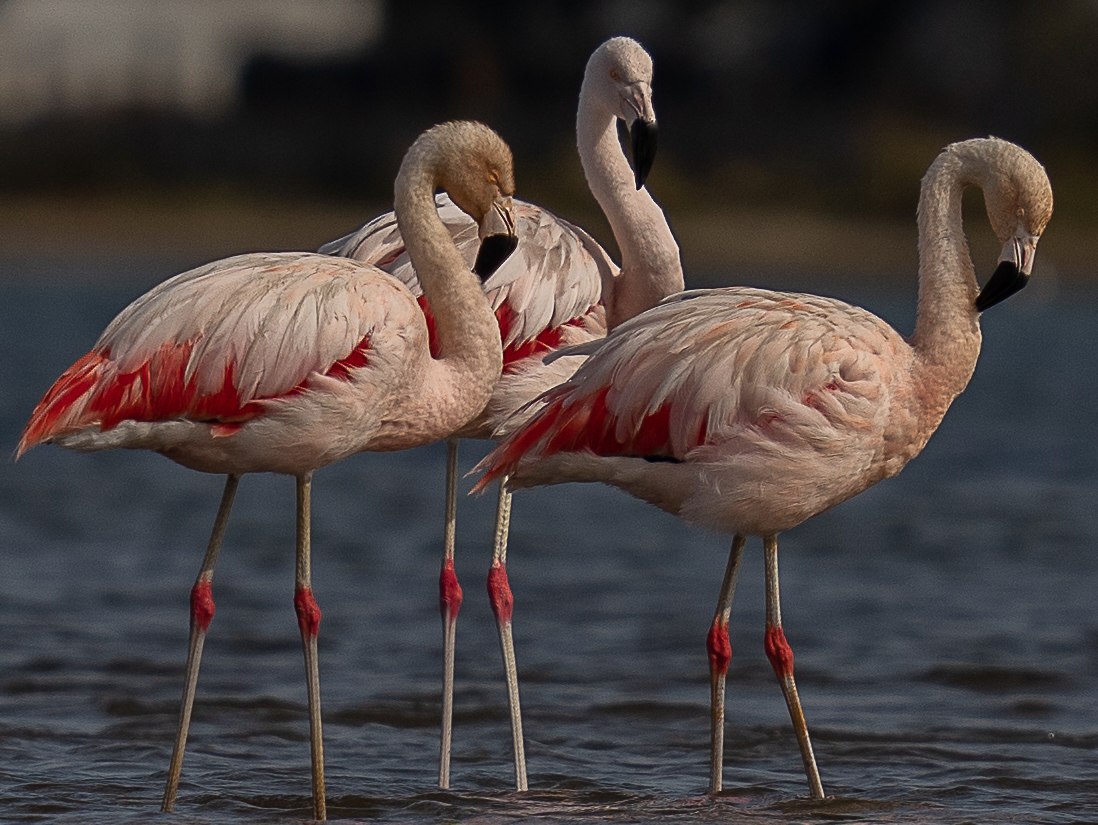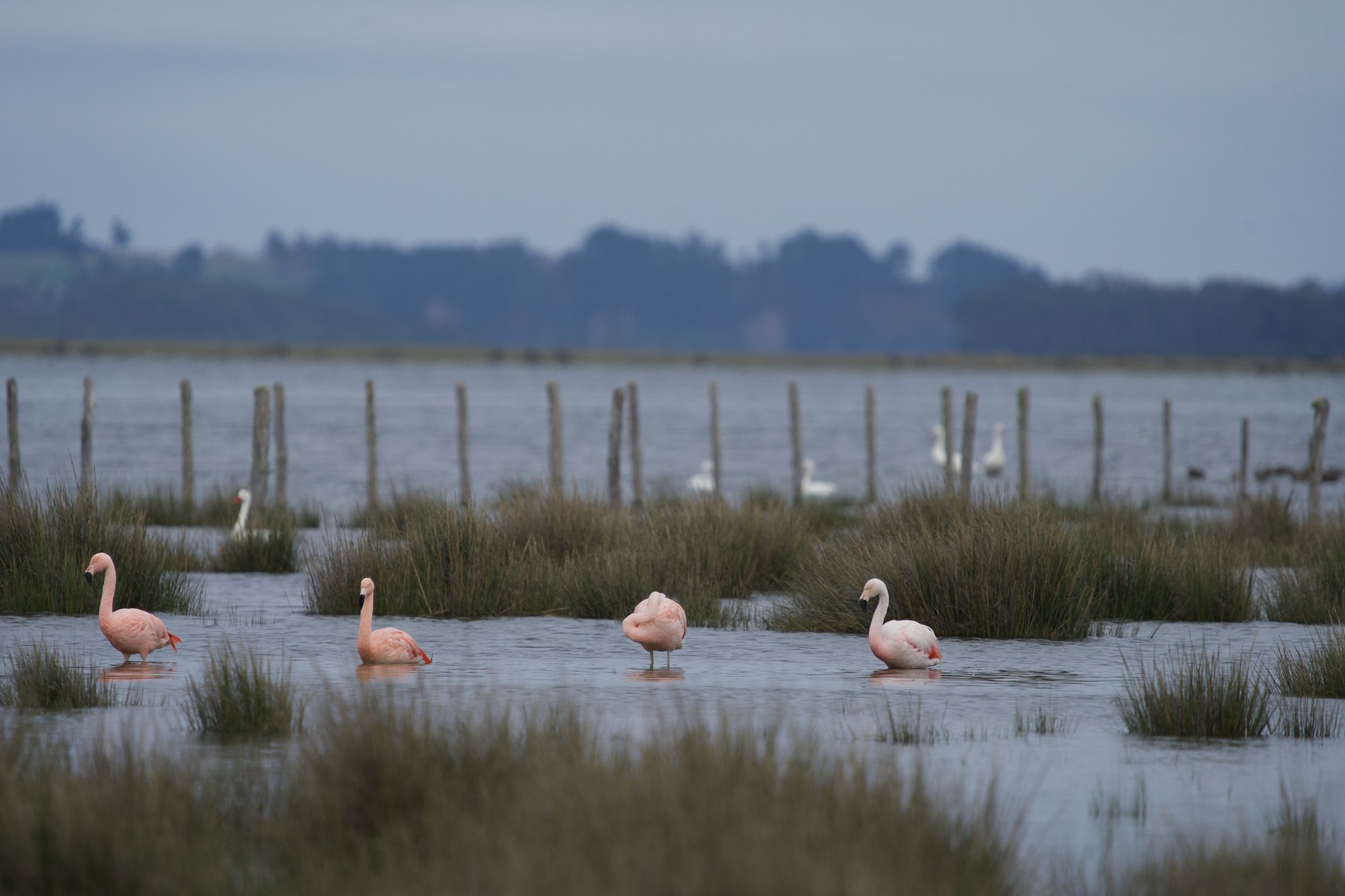
Chilean Flamingo
Monitoring and conservation of the Chilean flamingo (Phoenicopterus chilensis) in the coastal wetlands of southern Chile.
Monitoring and conservation of the Chilean flamingo (Phoenicopterus chilensis) in the coastal wetlands of southern Chile.
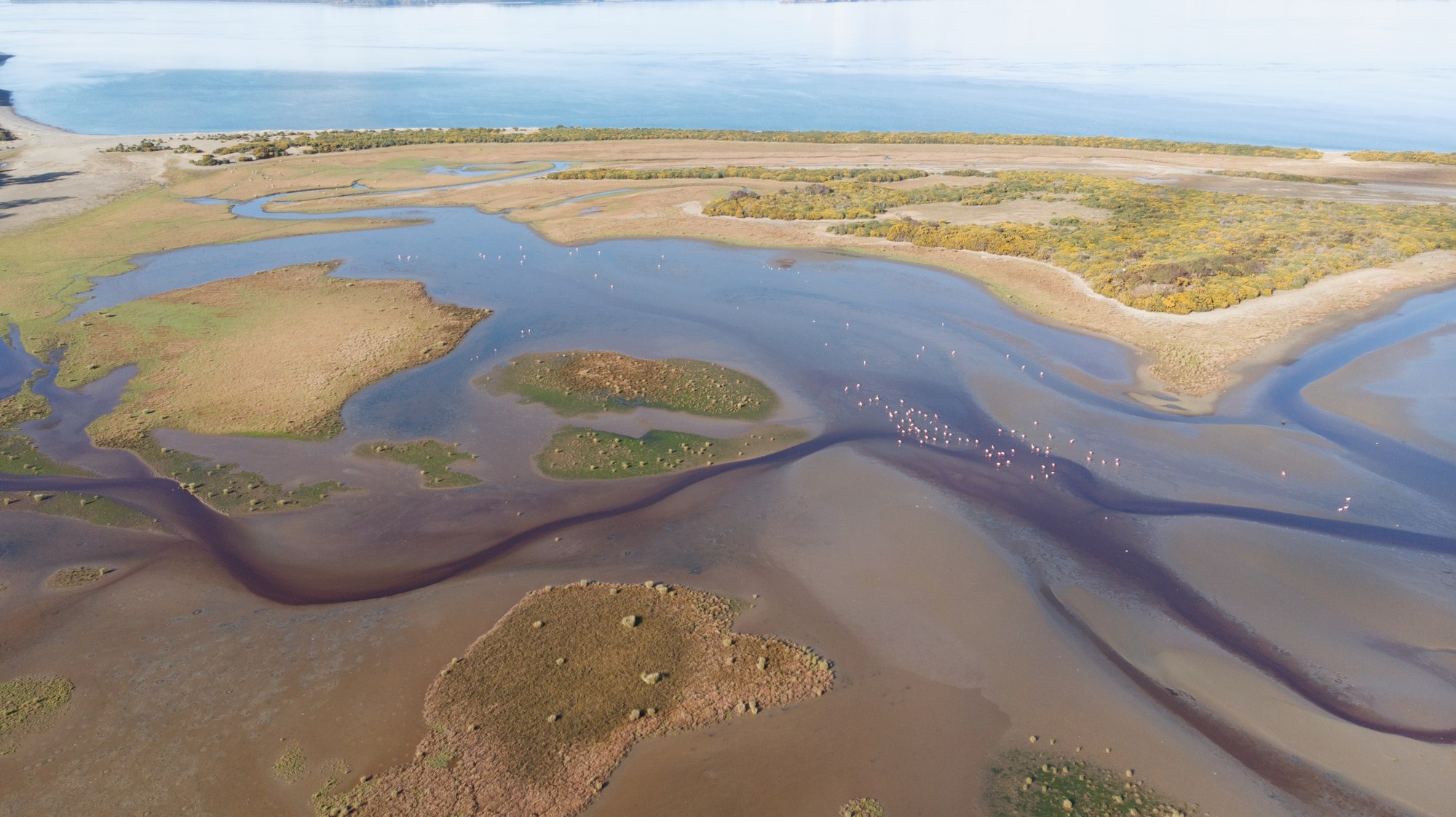
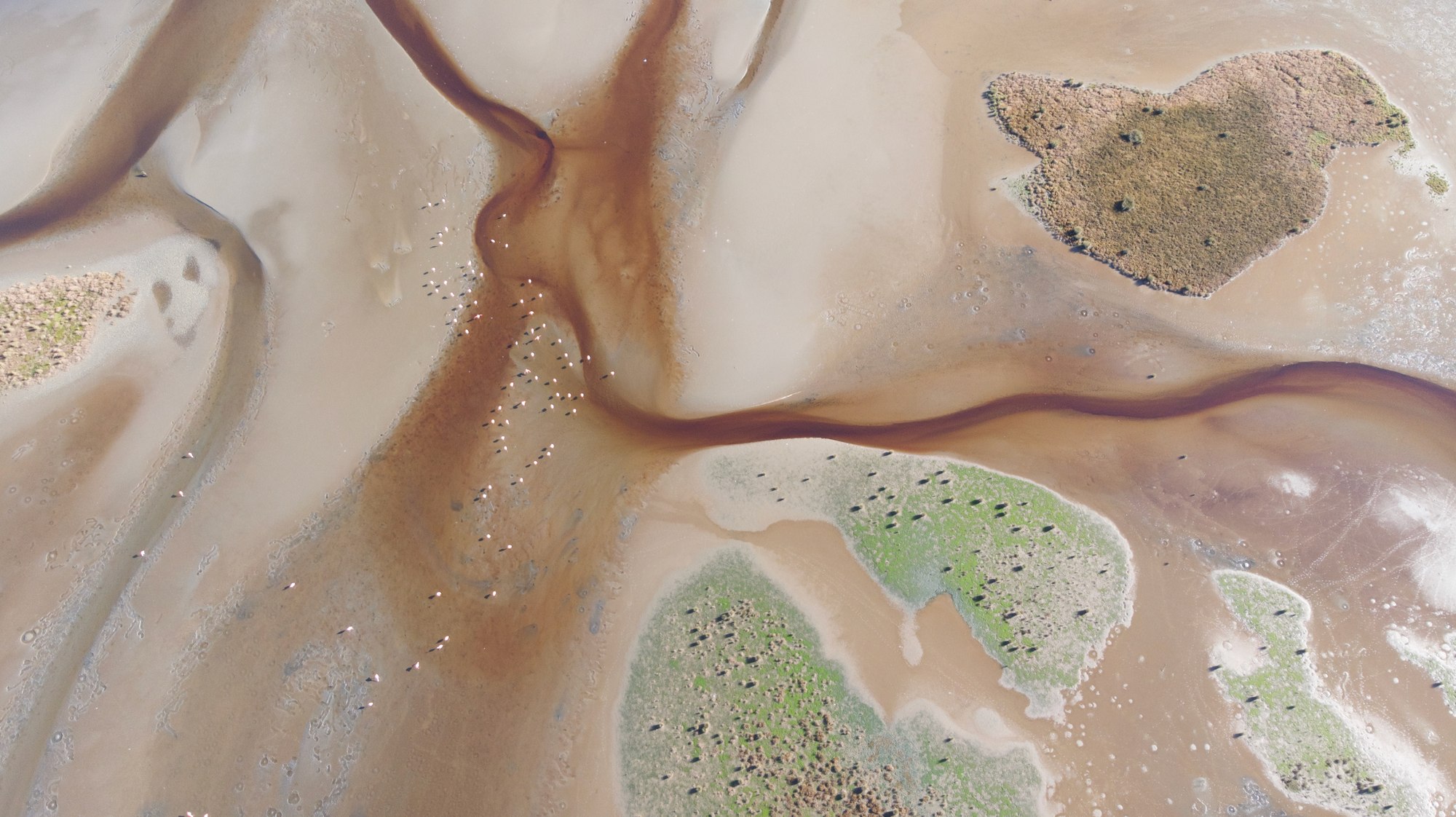
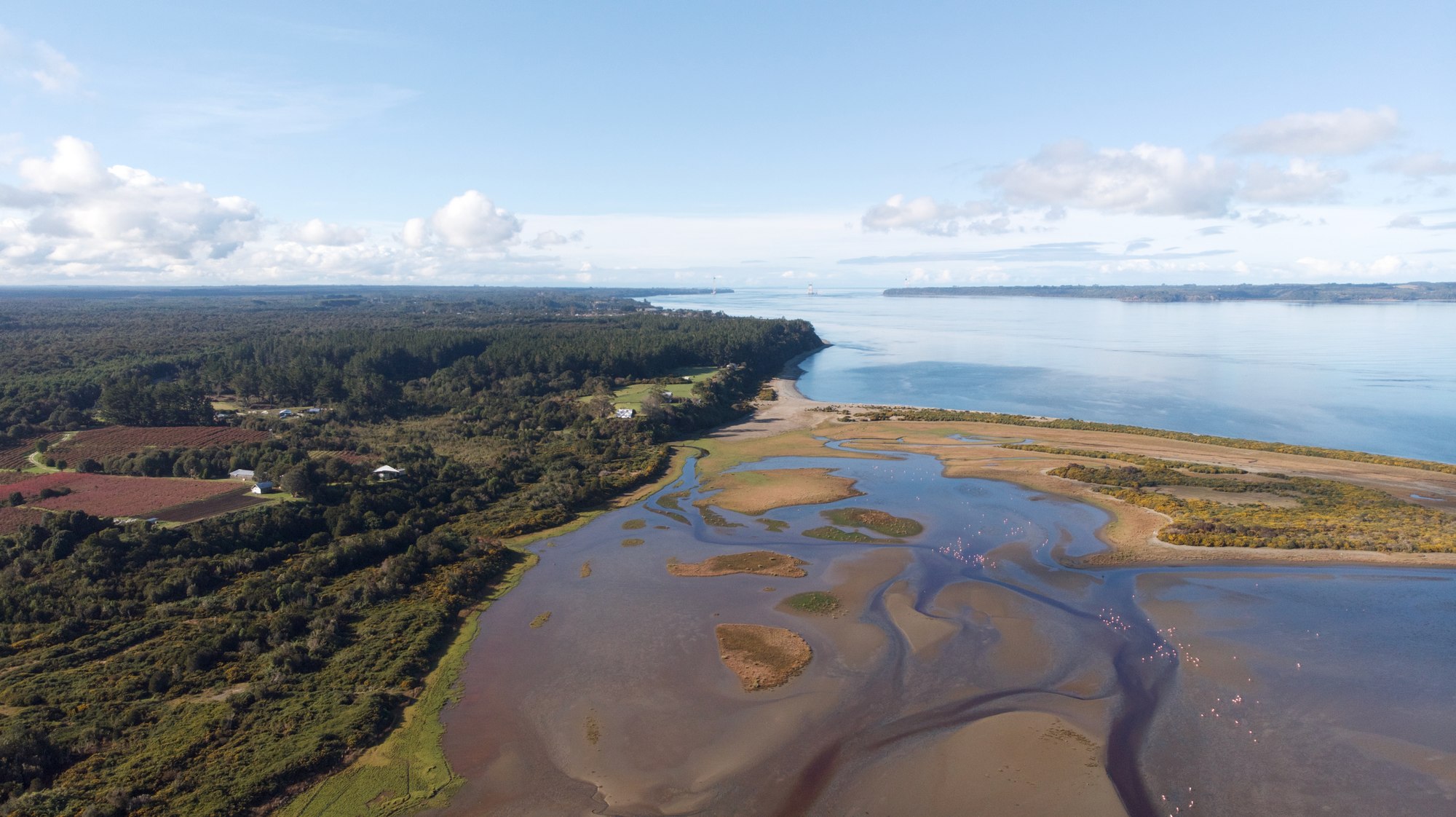
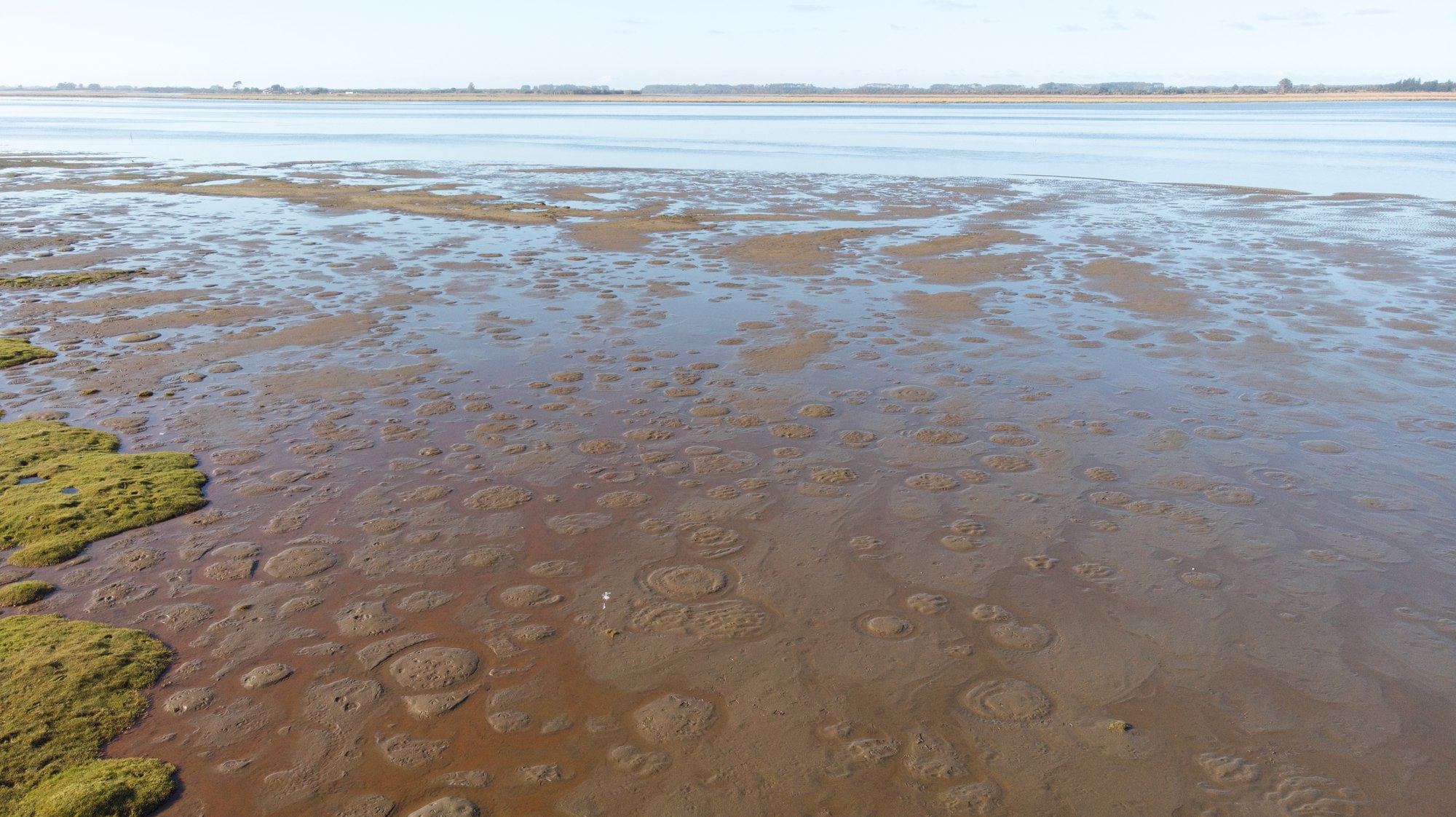
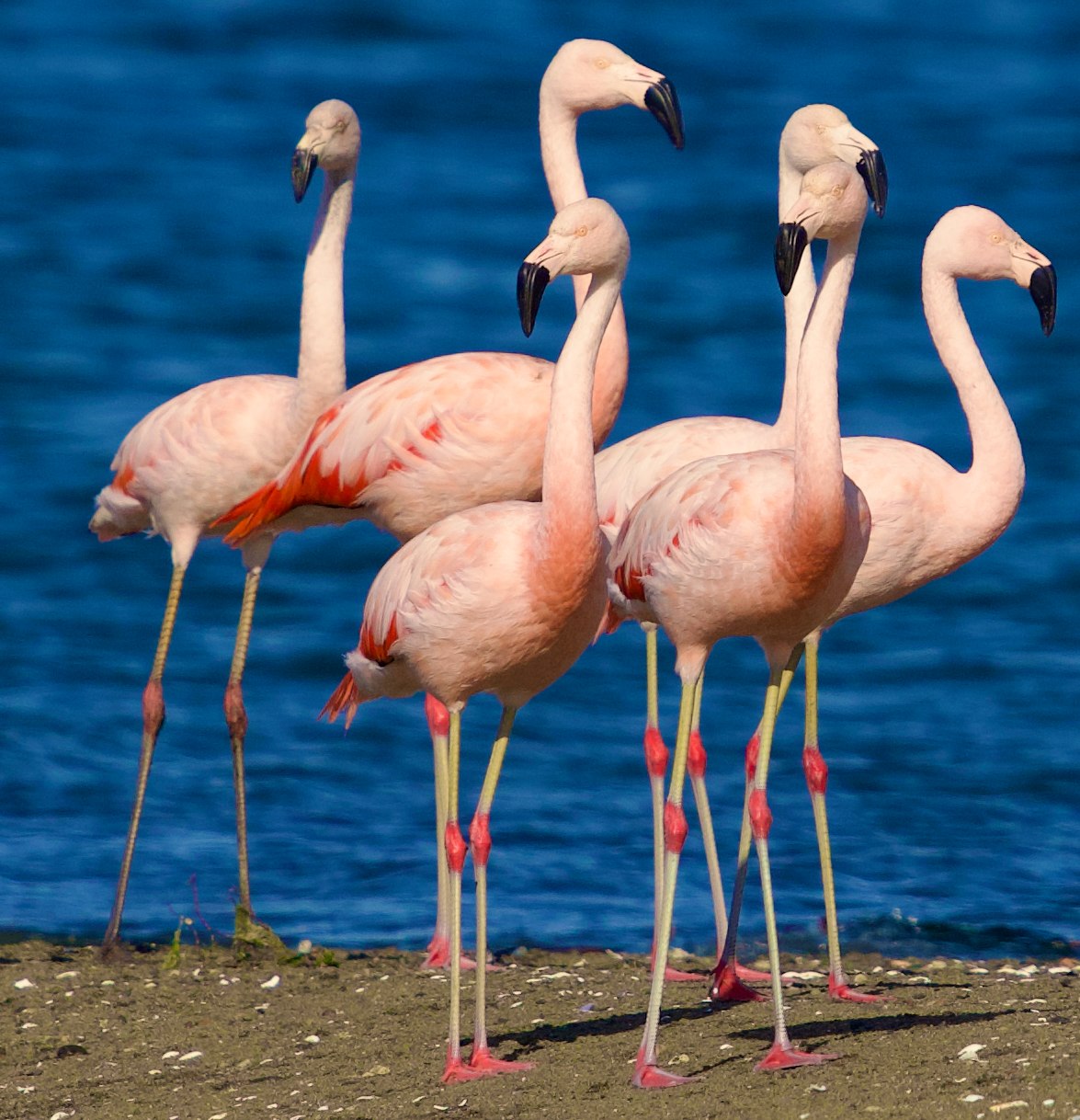
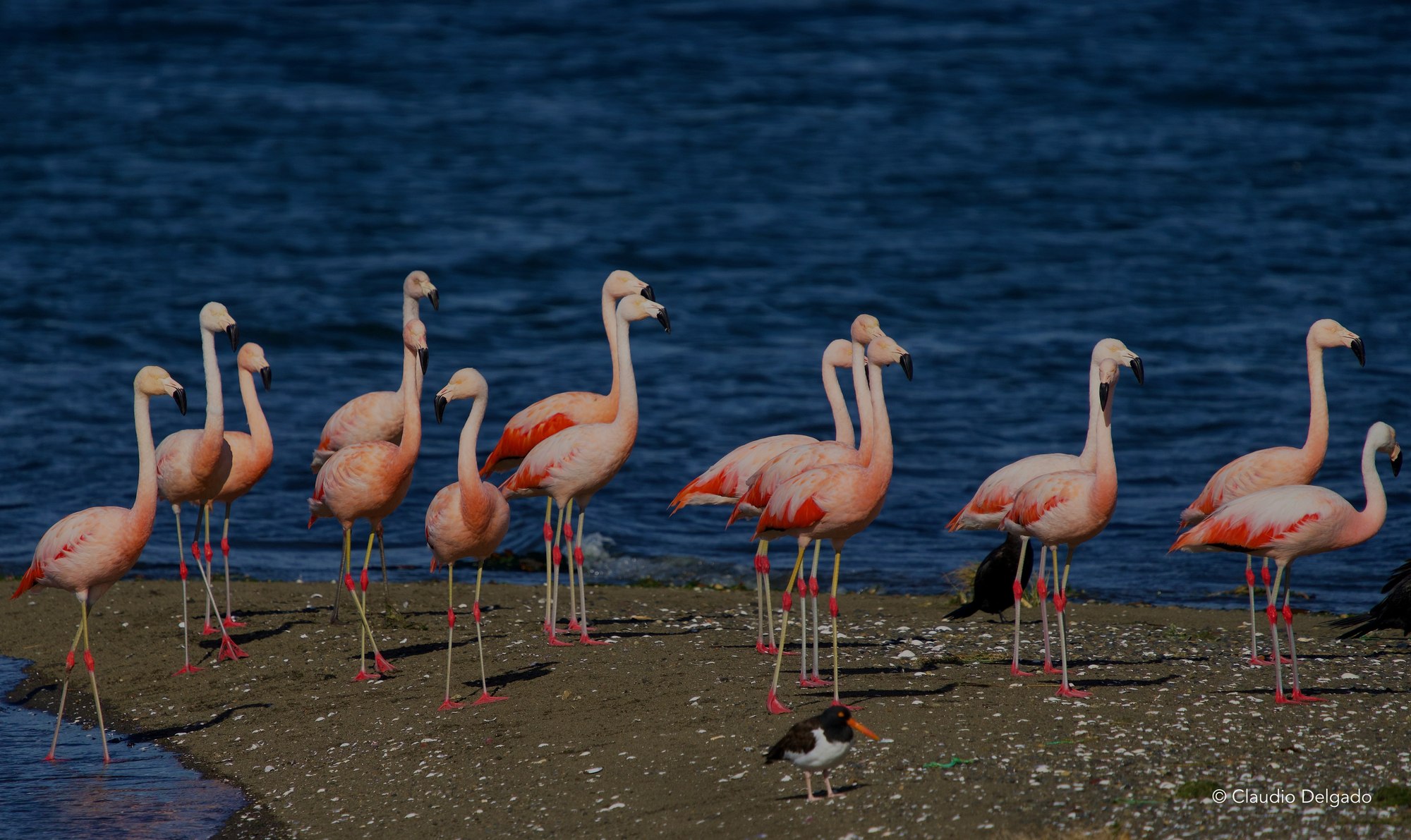
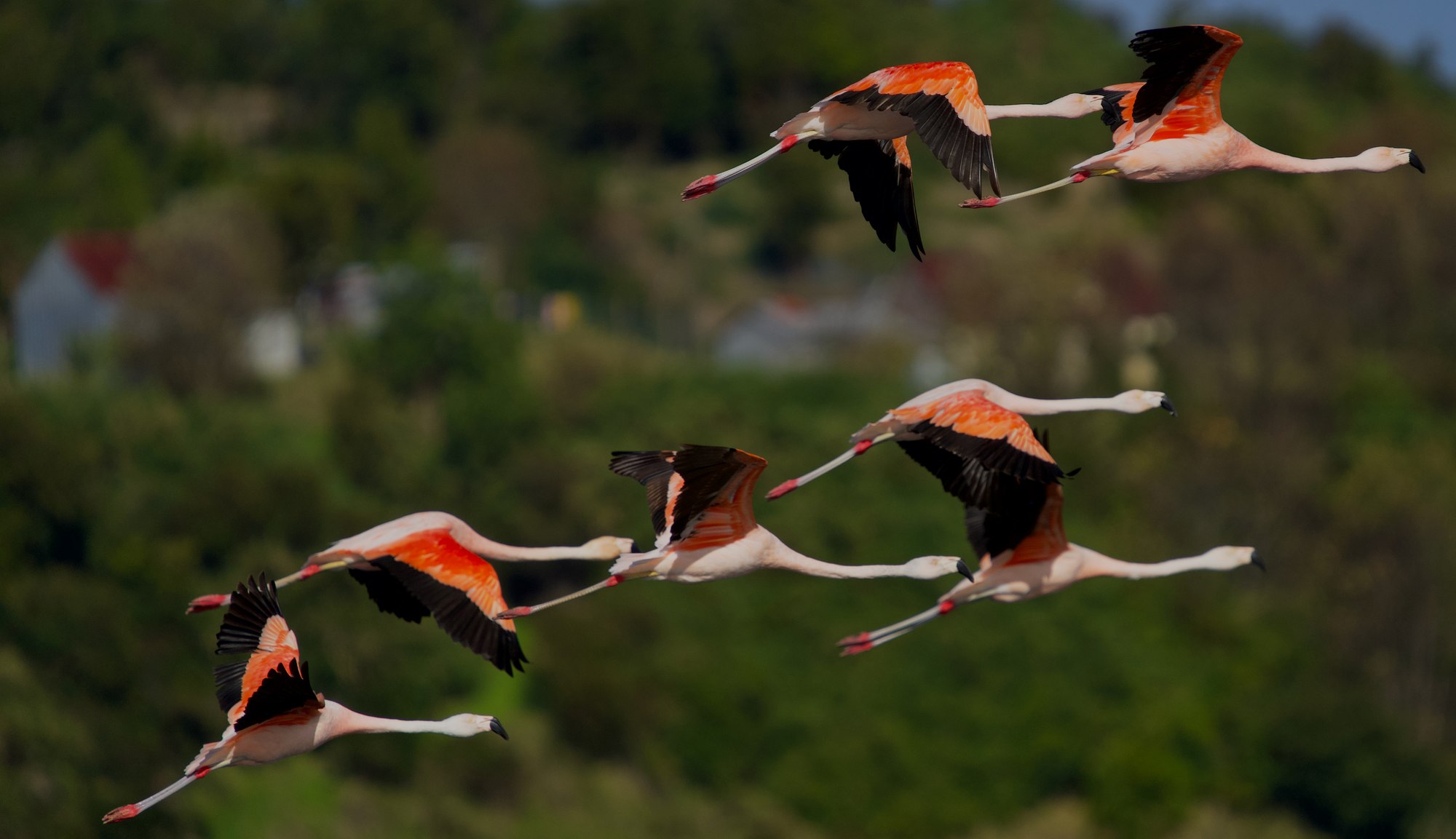
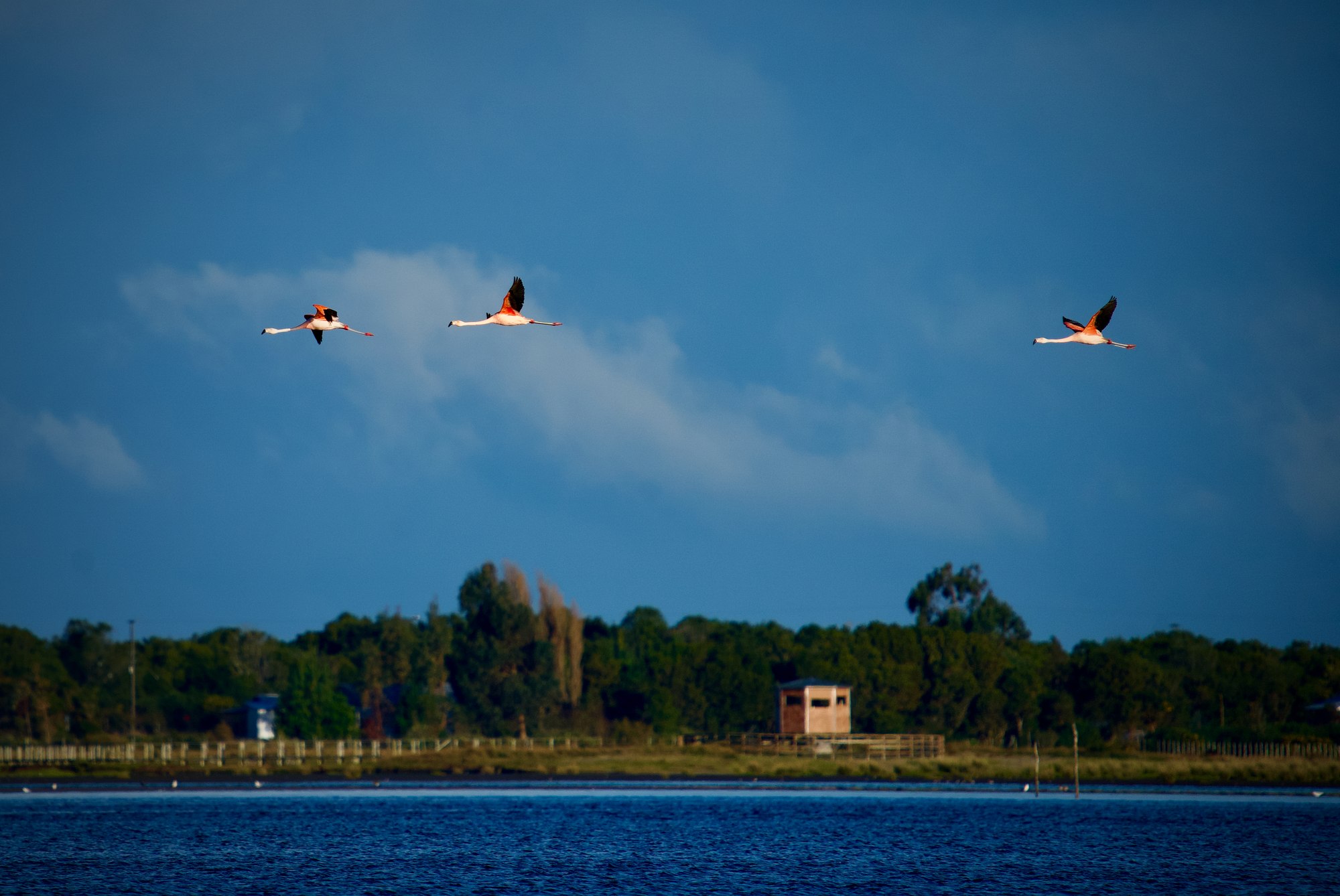
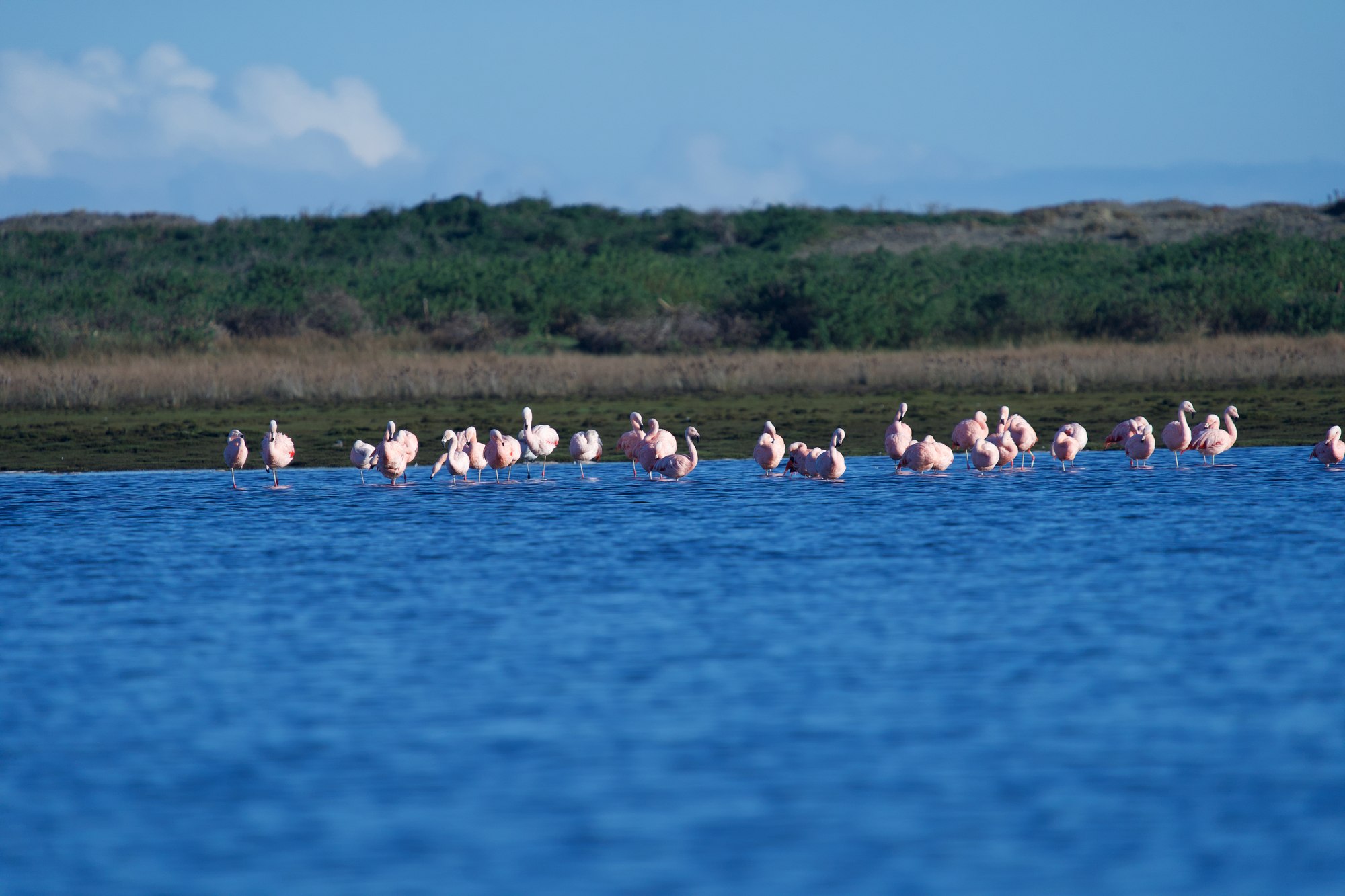
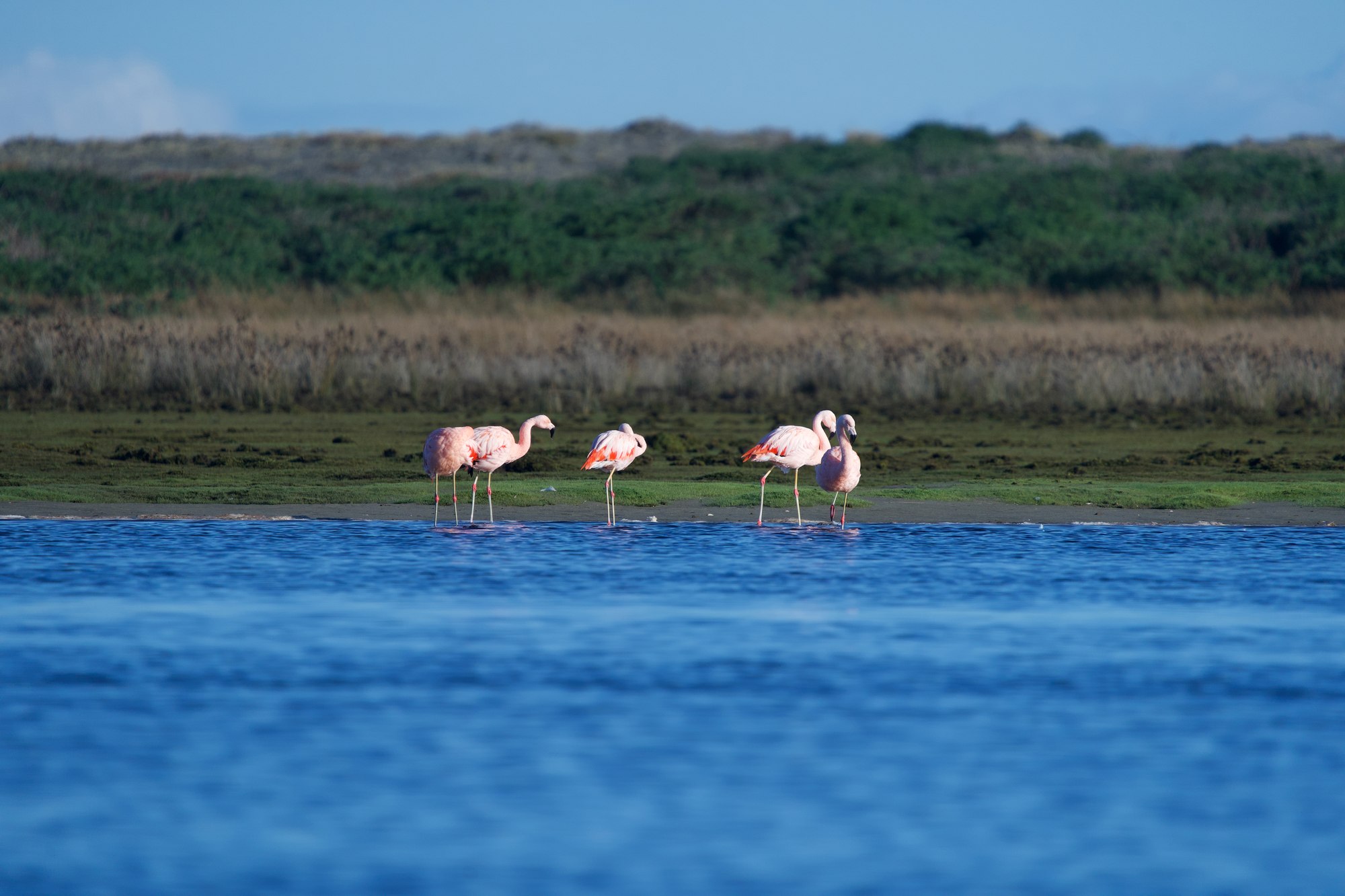
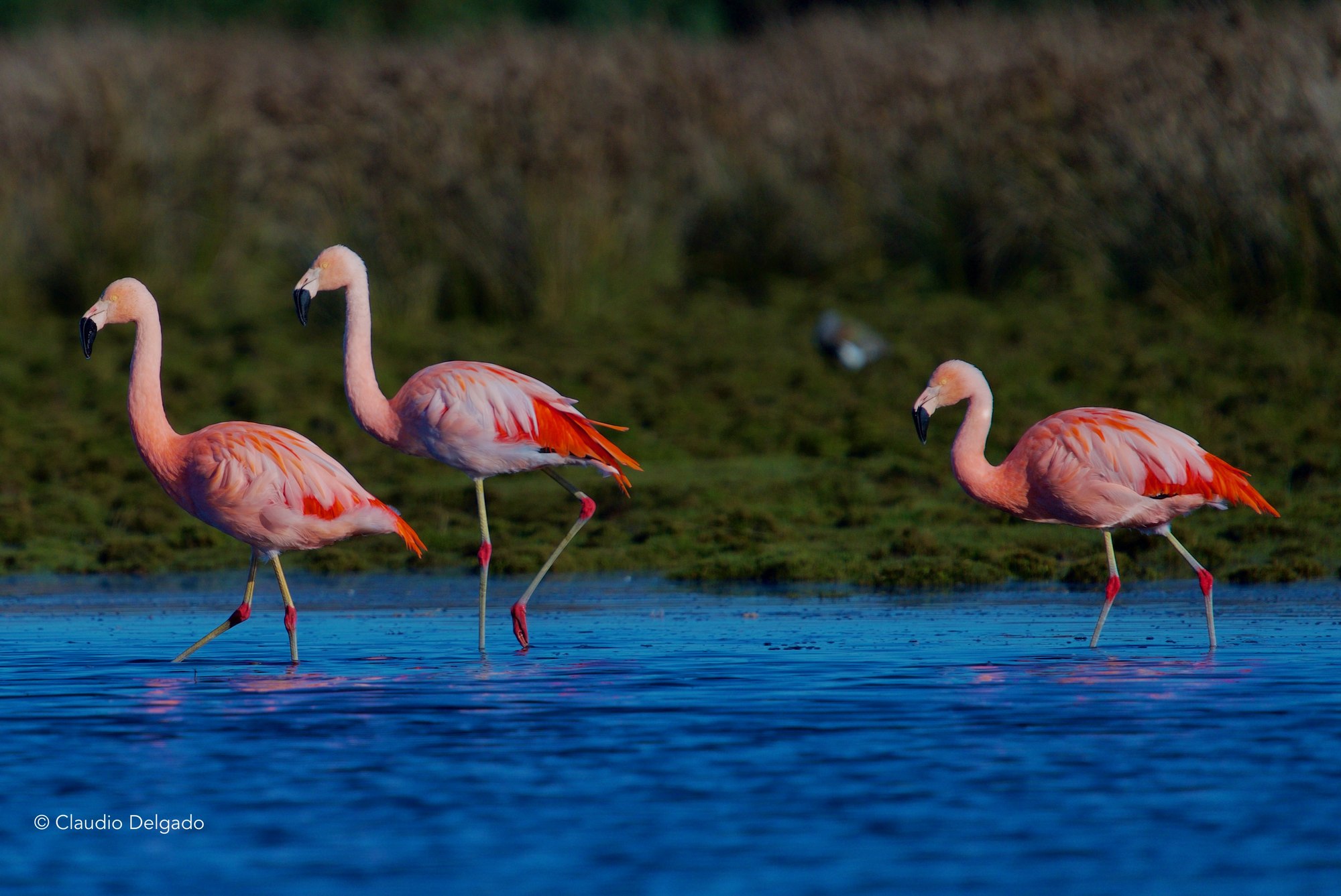
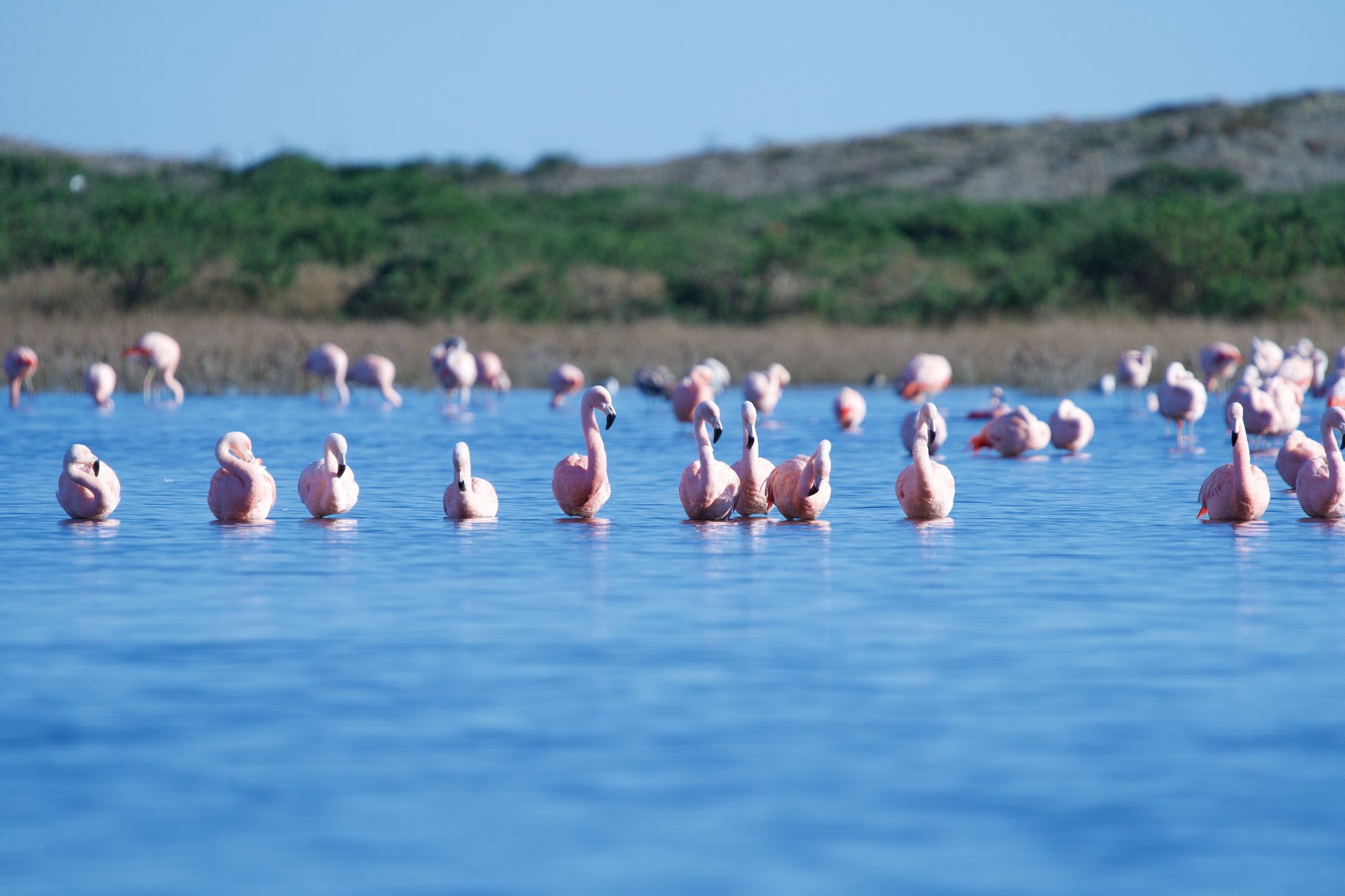
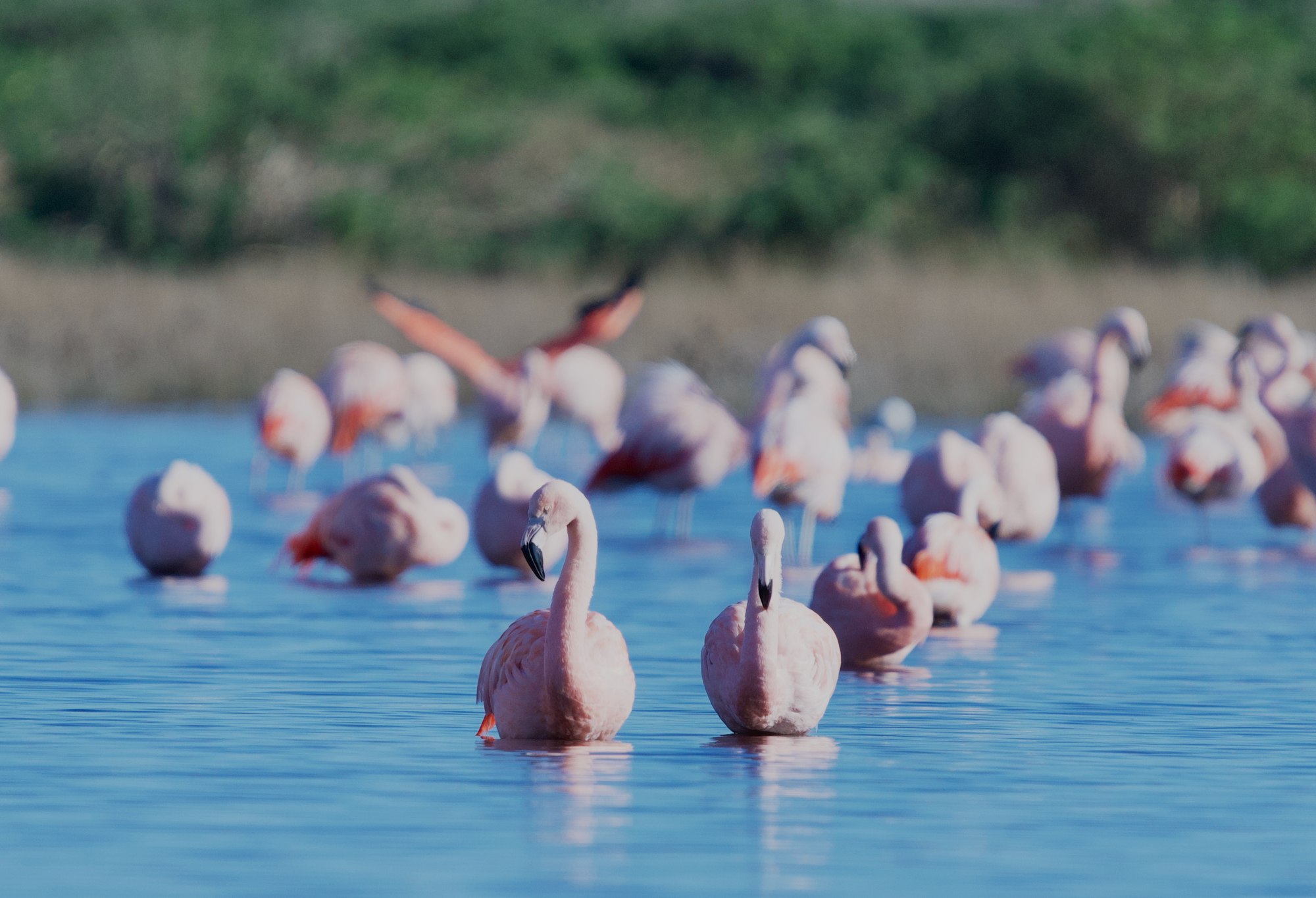
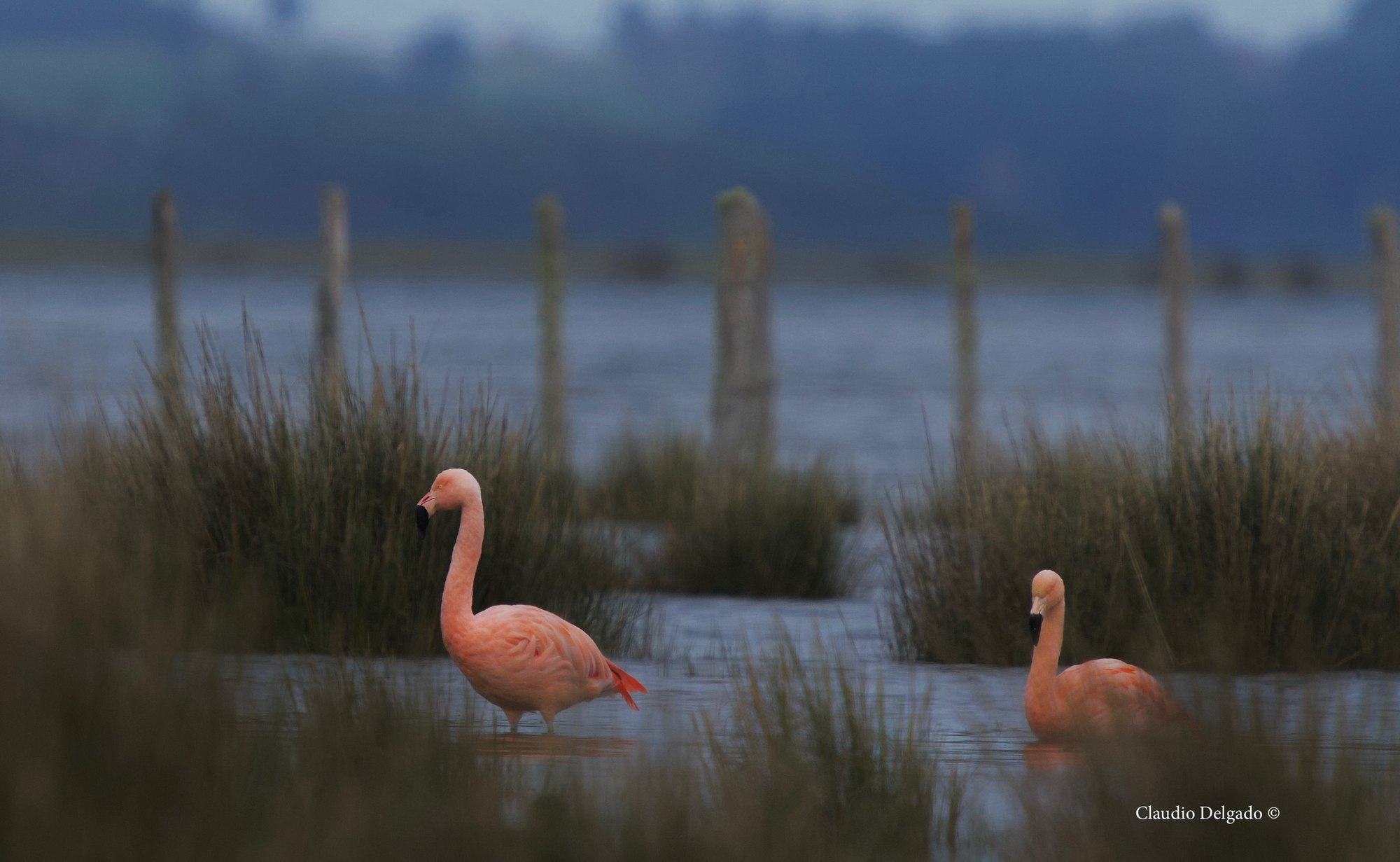
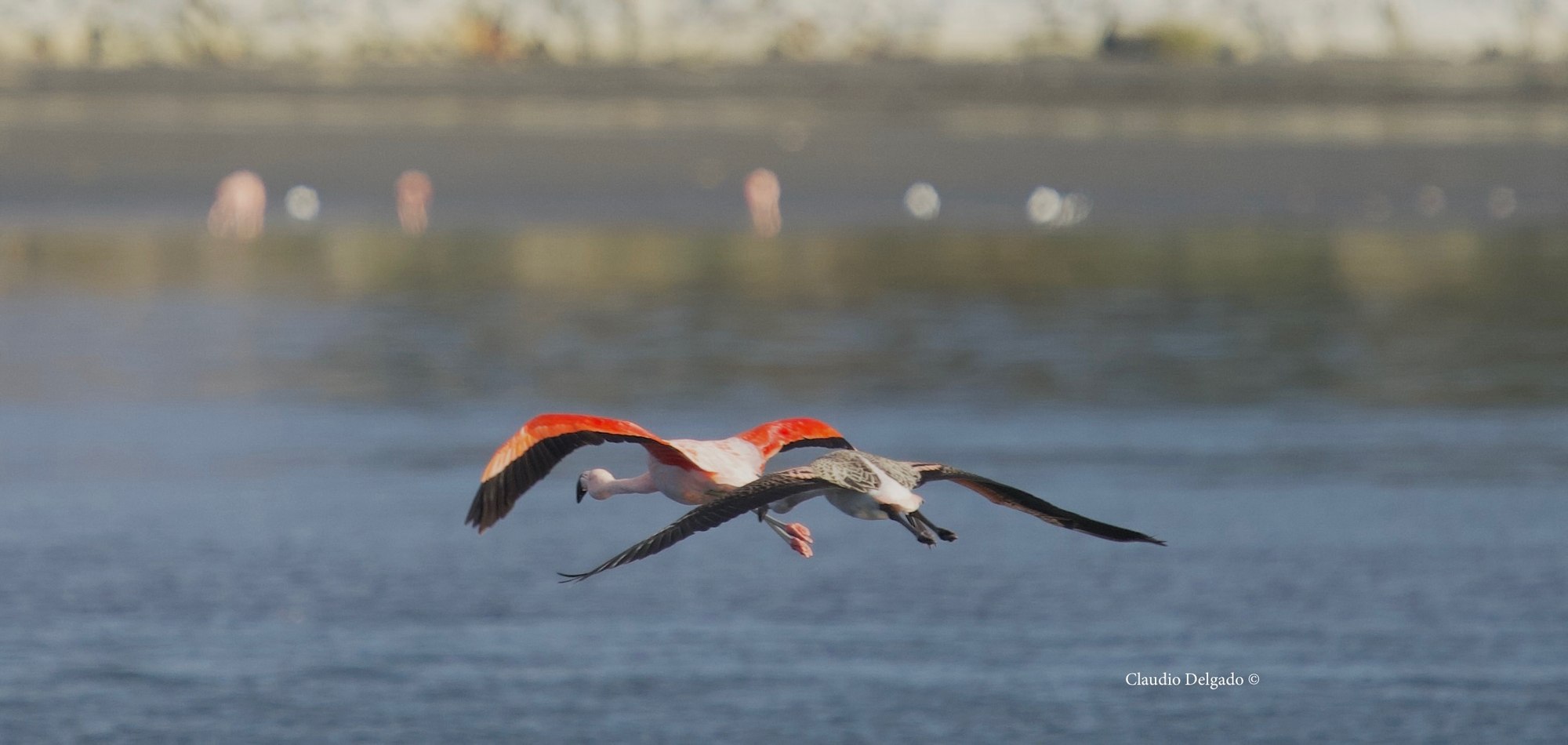
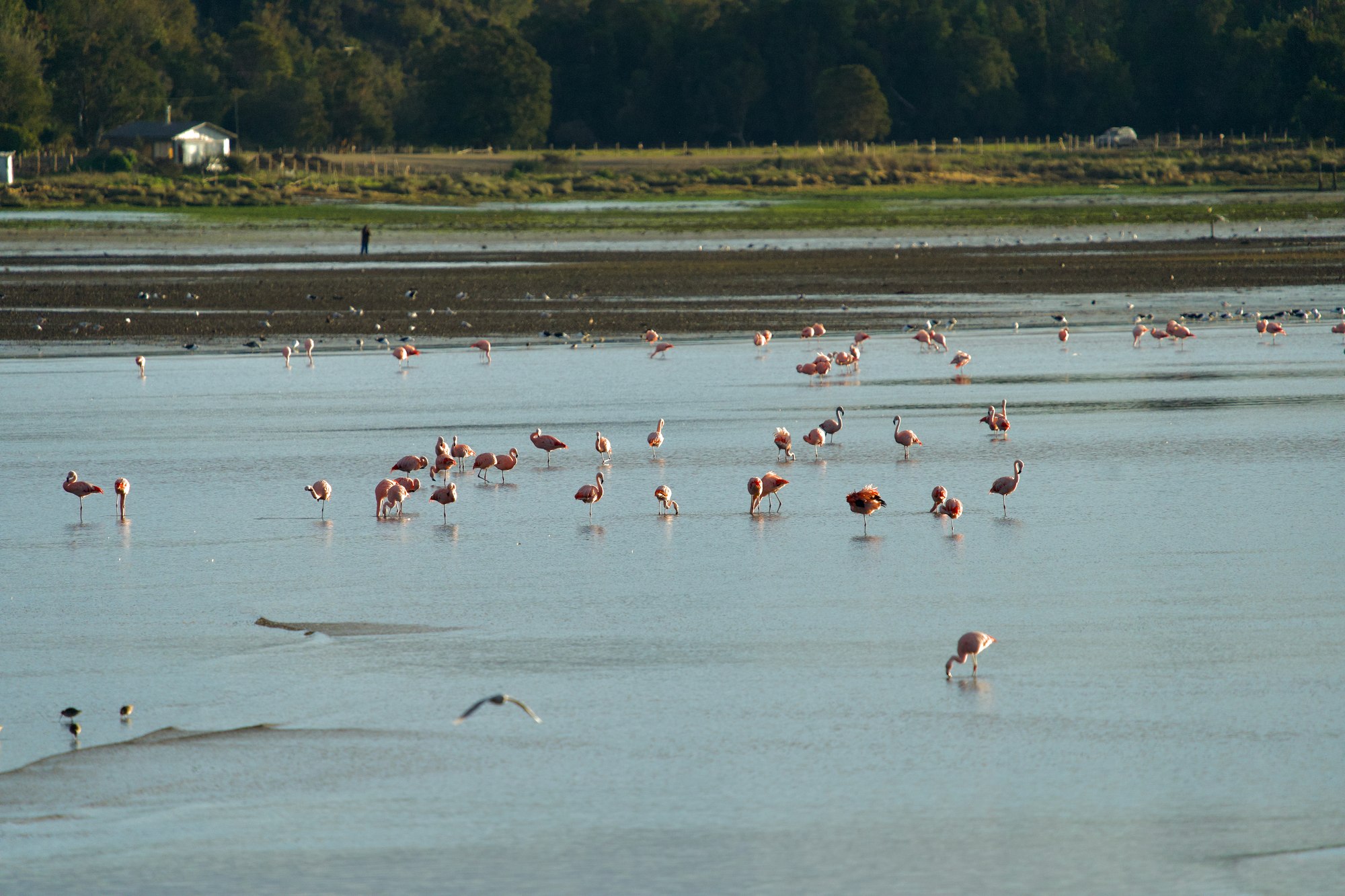
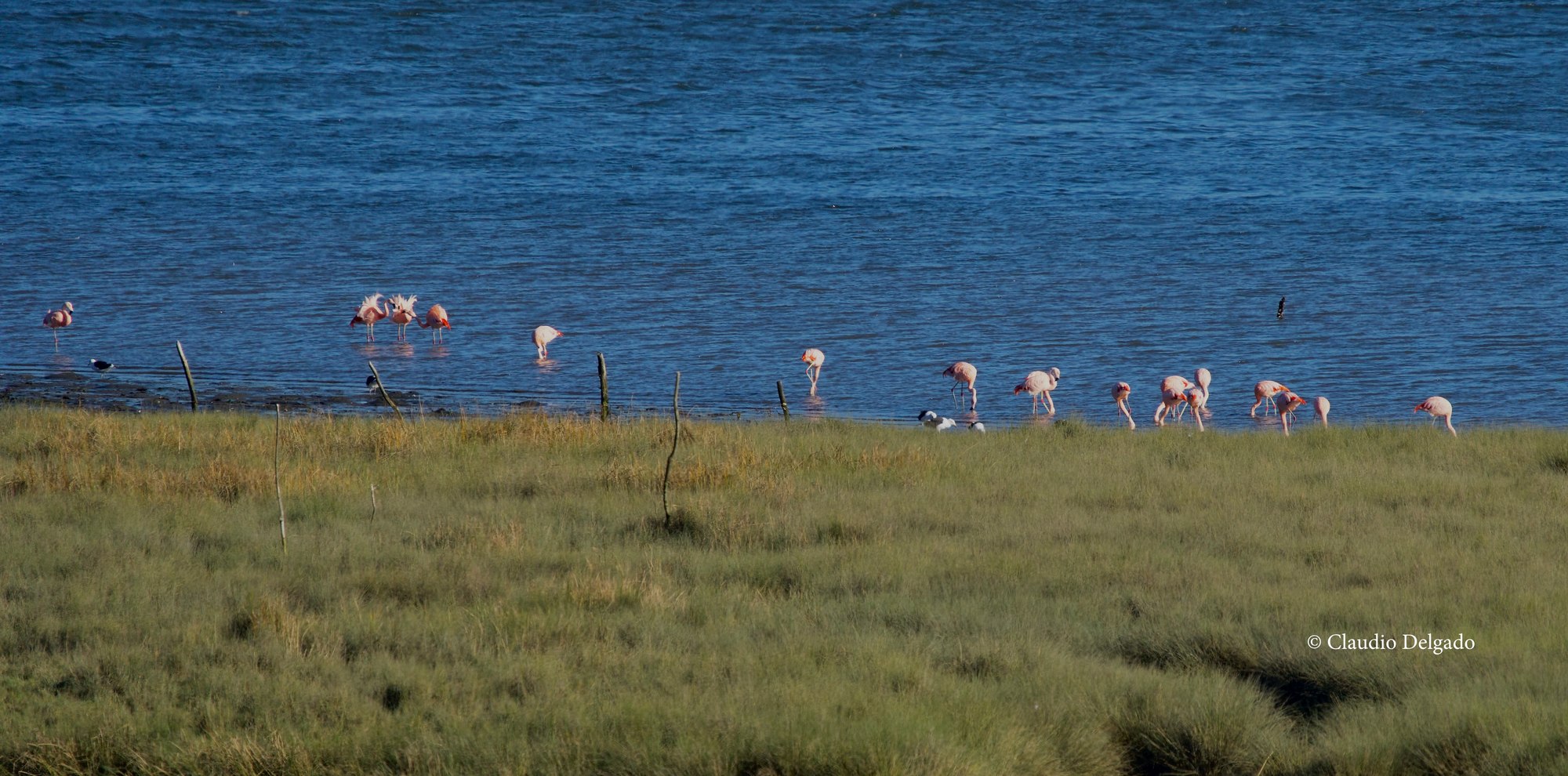
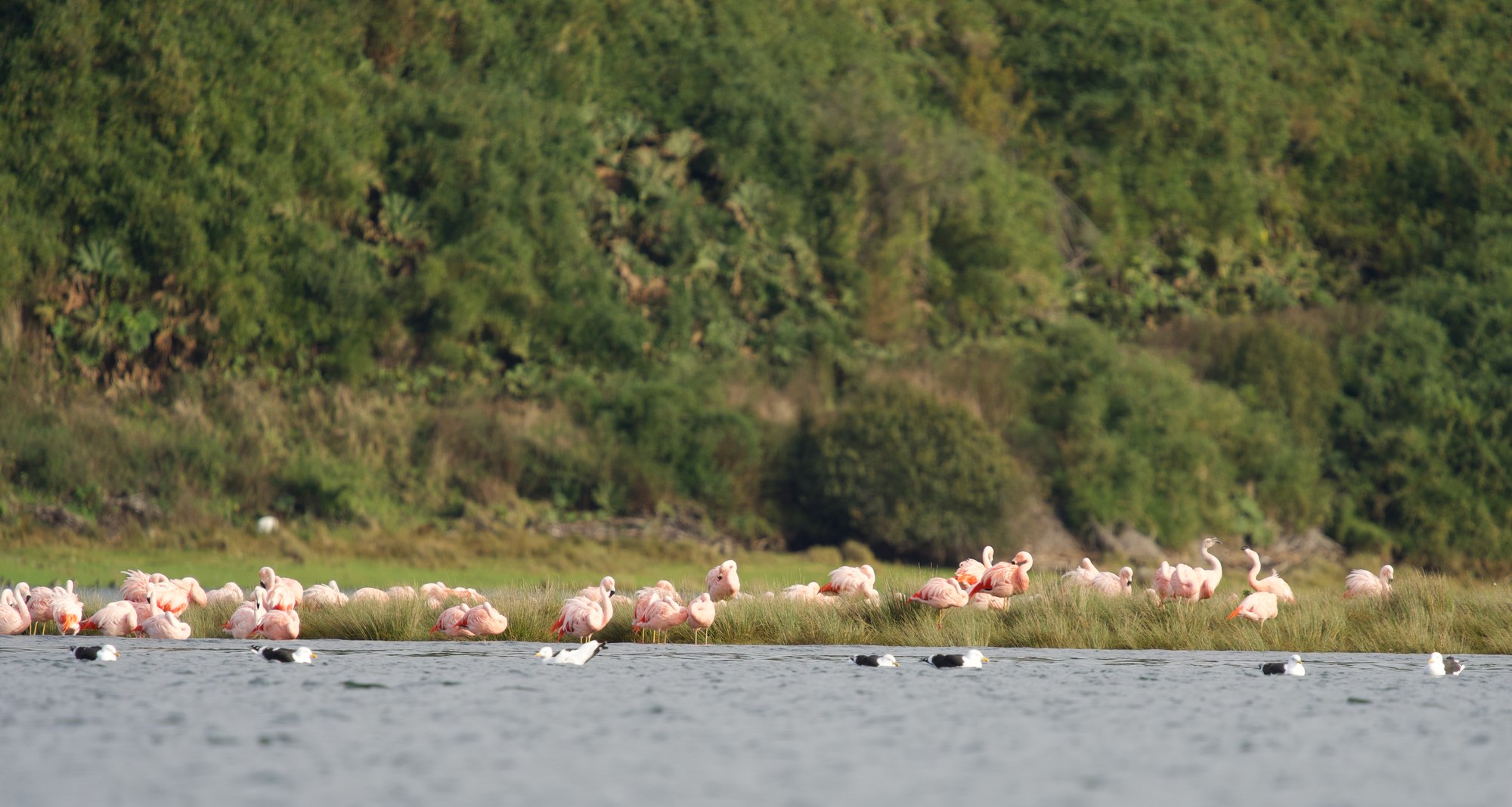
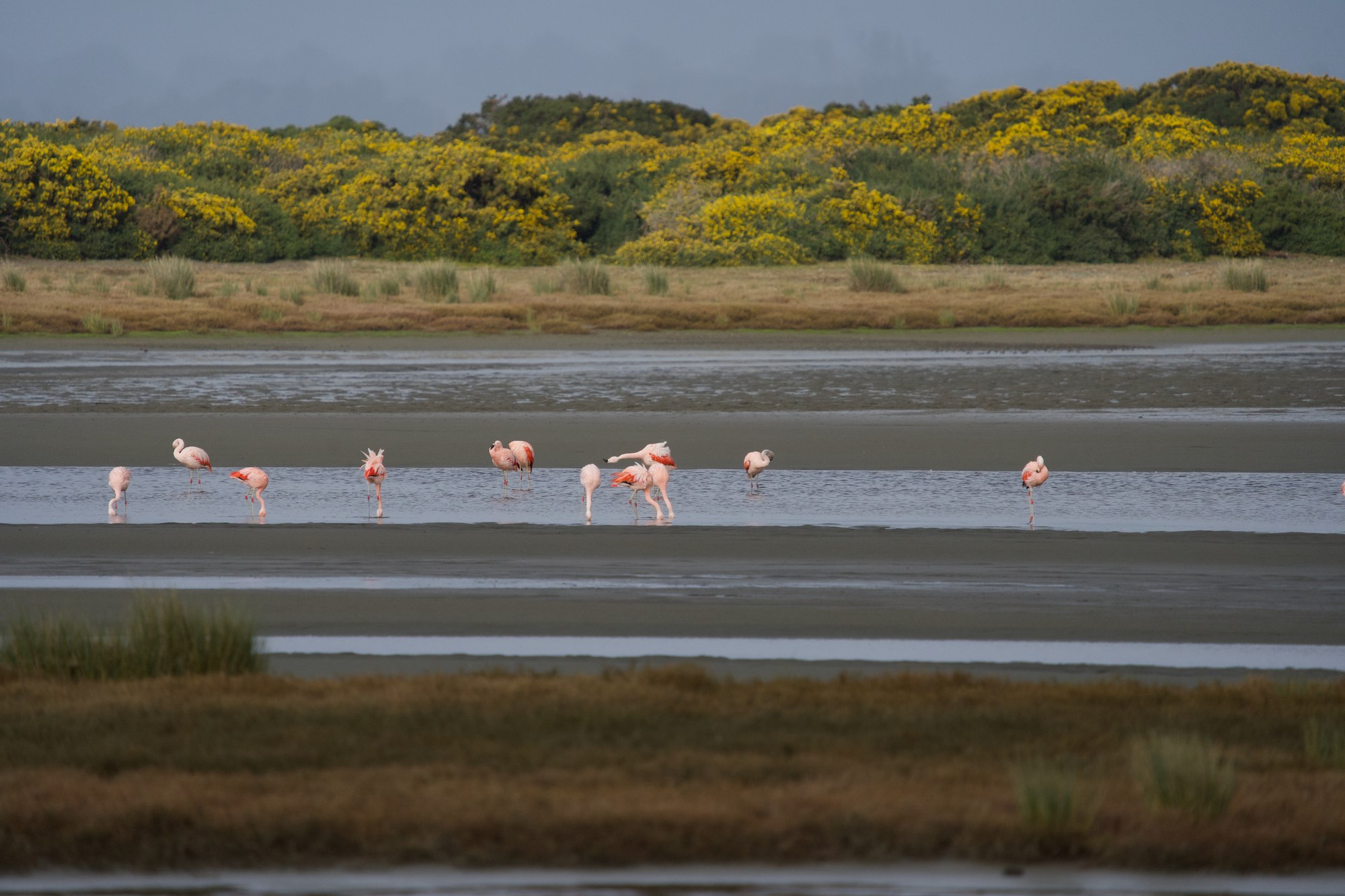
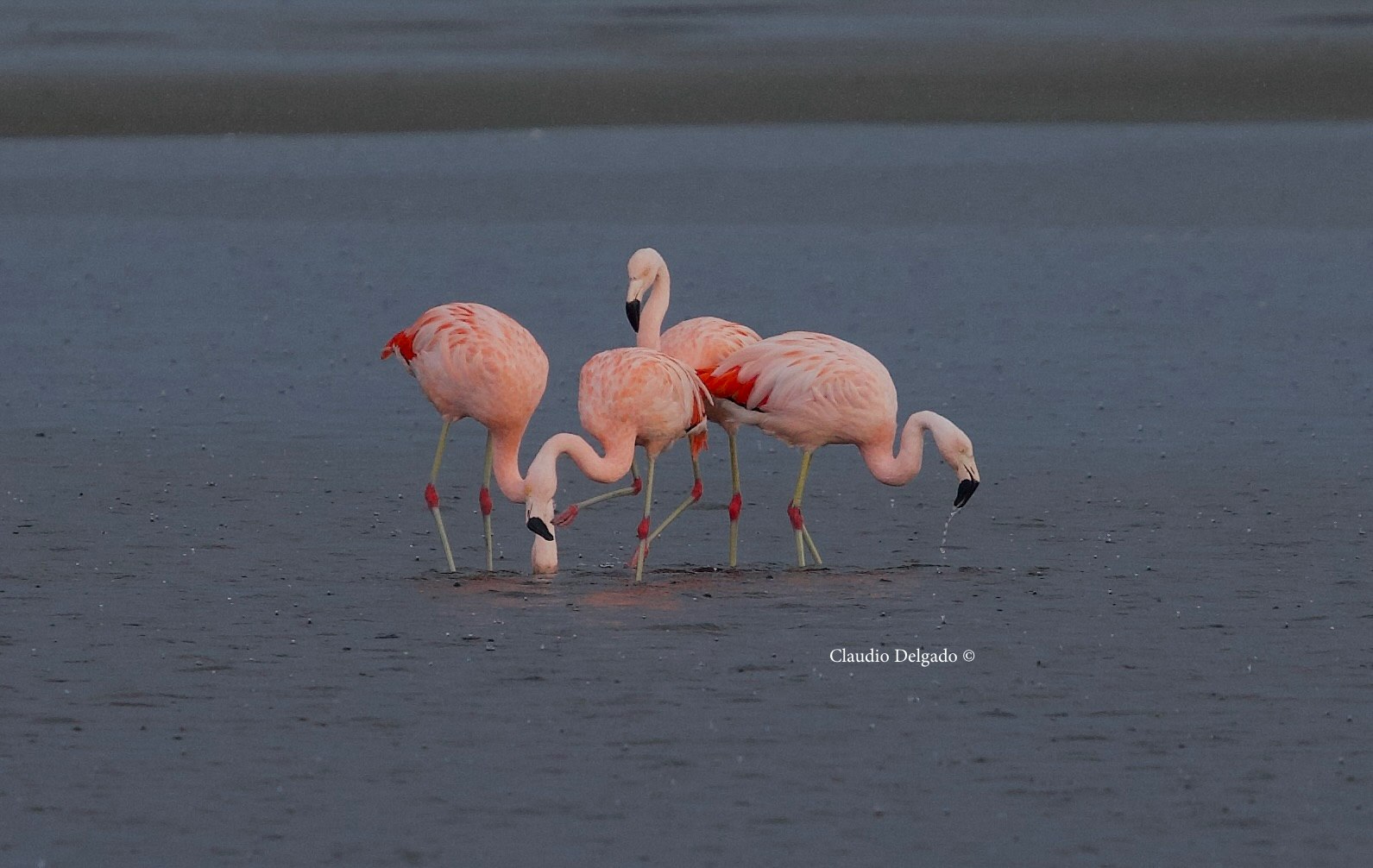
The Chilean flamingo (Phoenicopterus chilensis) is one of three flamingo species found in South America, and the only one that regularly occurs in the coastal wetlands of southern Chile. It depends on coastal lagoons, estuaries, and brackish wetlands to feed and rest for much of its annual cycle, making it a sensitive indicator of the conservation status of these ecosystems.
In the wetlands monitored by Fundación Conservación Marina in the Los Lagos Region — including the Maullín River Wetlands Nature Sanctuary and the wetlands of Curaco de Vélez and Quinchao in Chiloé — Chilean flamingos are regularly recorded, alongside other waterbird species such as swans, coscoroba swans, red-gartered coots, and herons.