News
2026-06-29
2026-06-29
A benthic macrofauna monitoring program confirmed the high ecological productivity of the intertidal flats of the Curaco de Vélez Bay Nature Sanctuary, environments that provide essential food for thousands of migratory shorebirds that arrive each year in the Chiloé Archipelago.
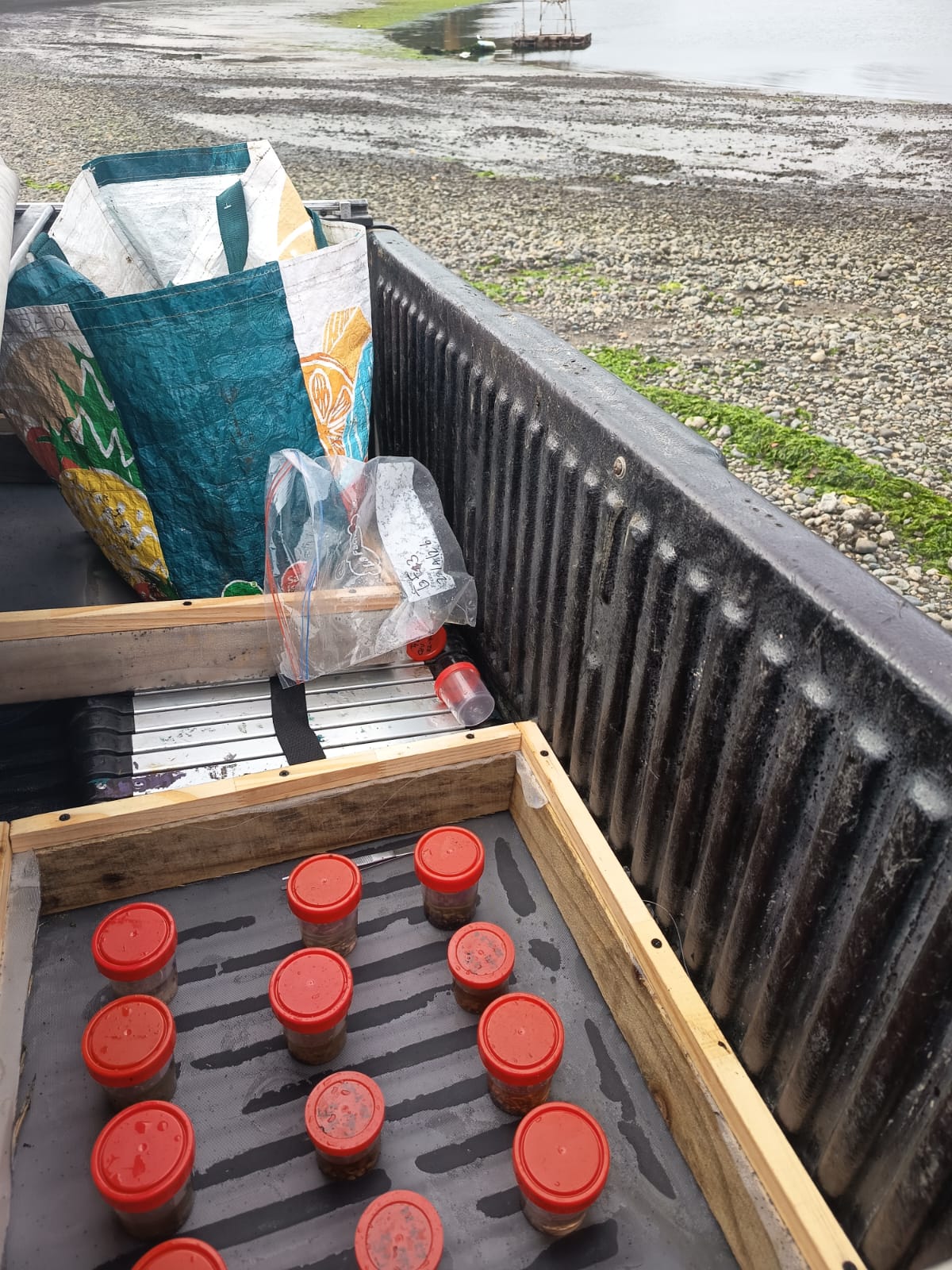
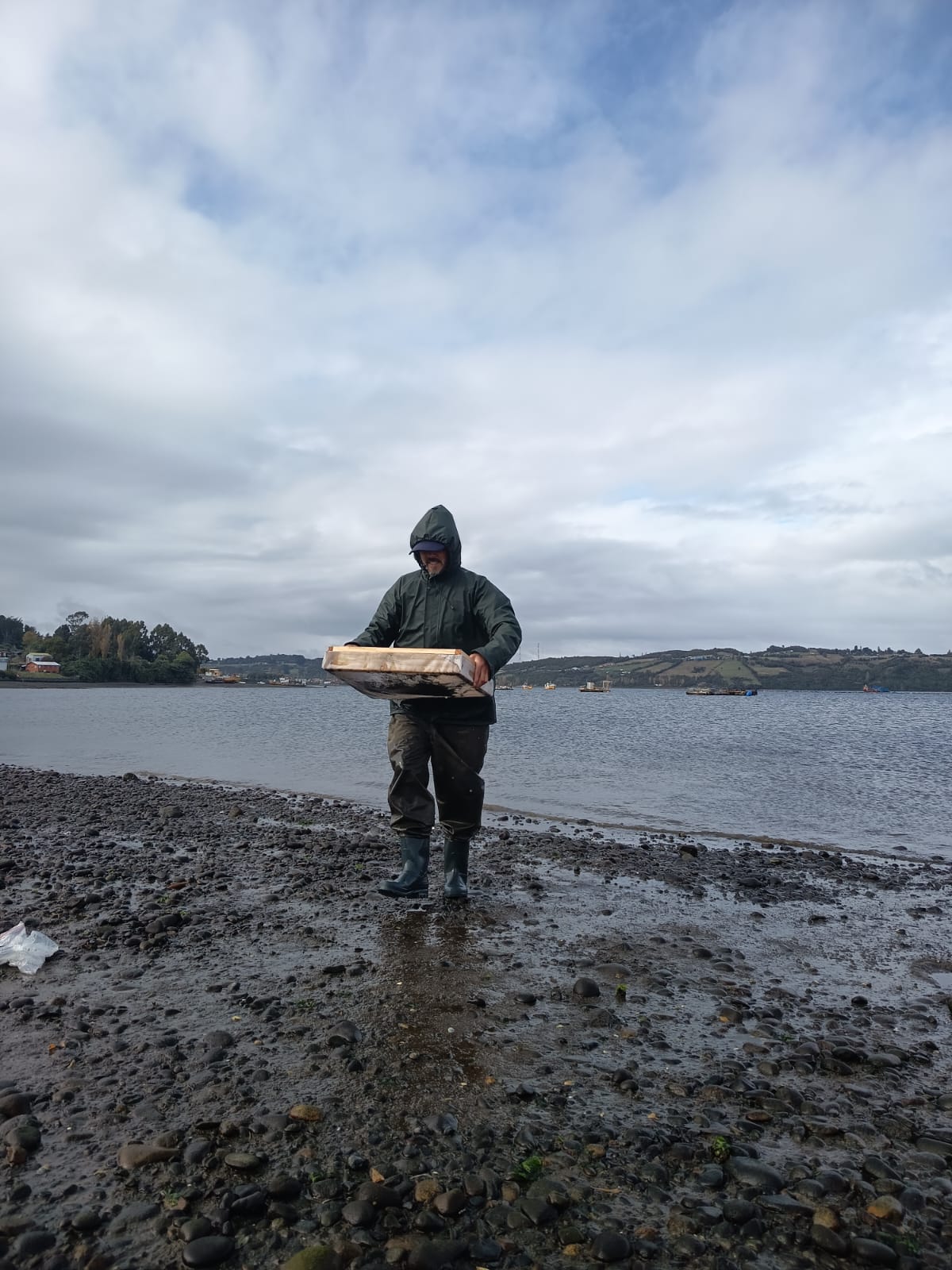
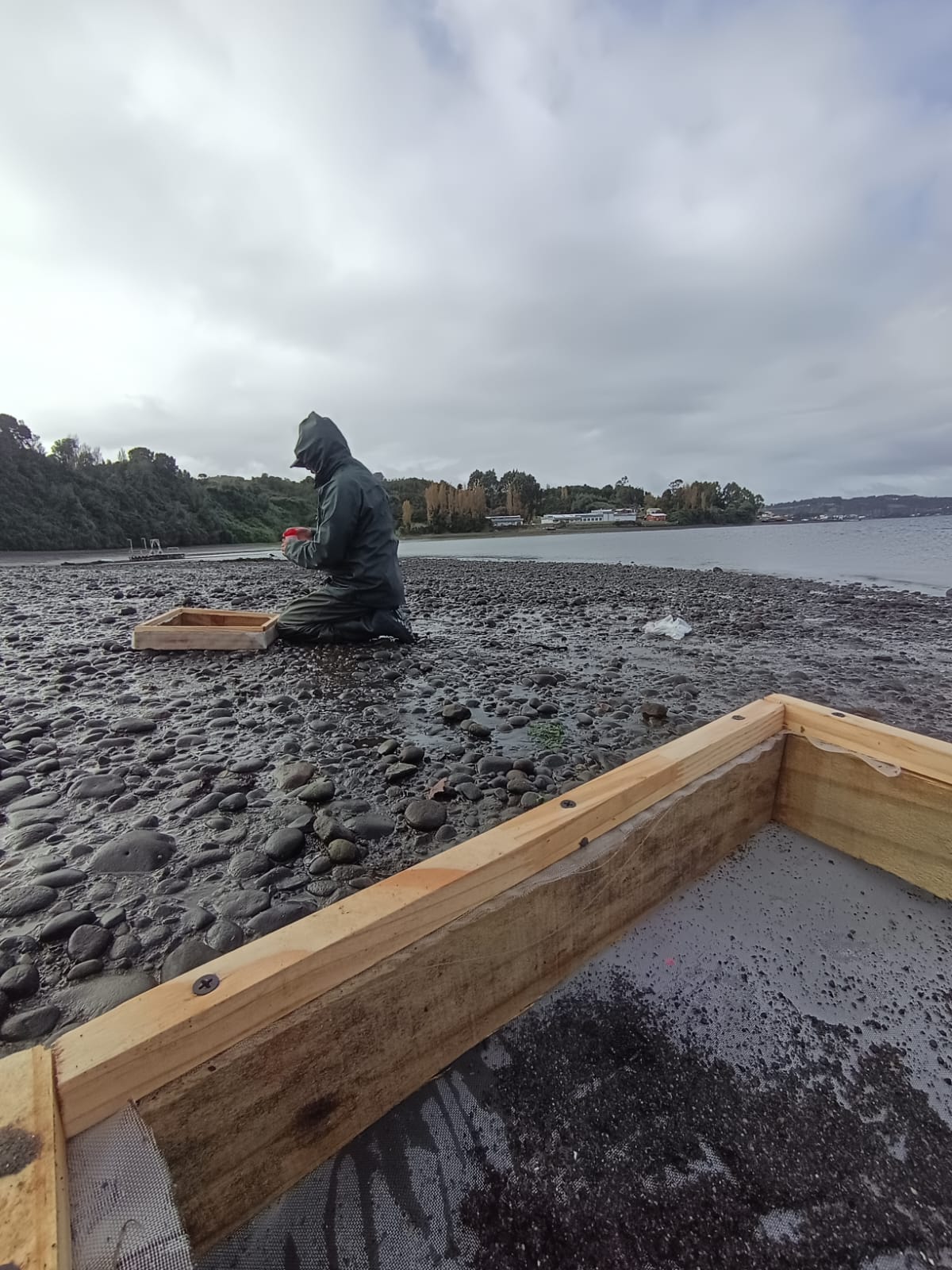
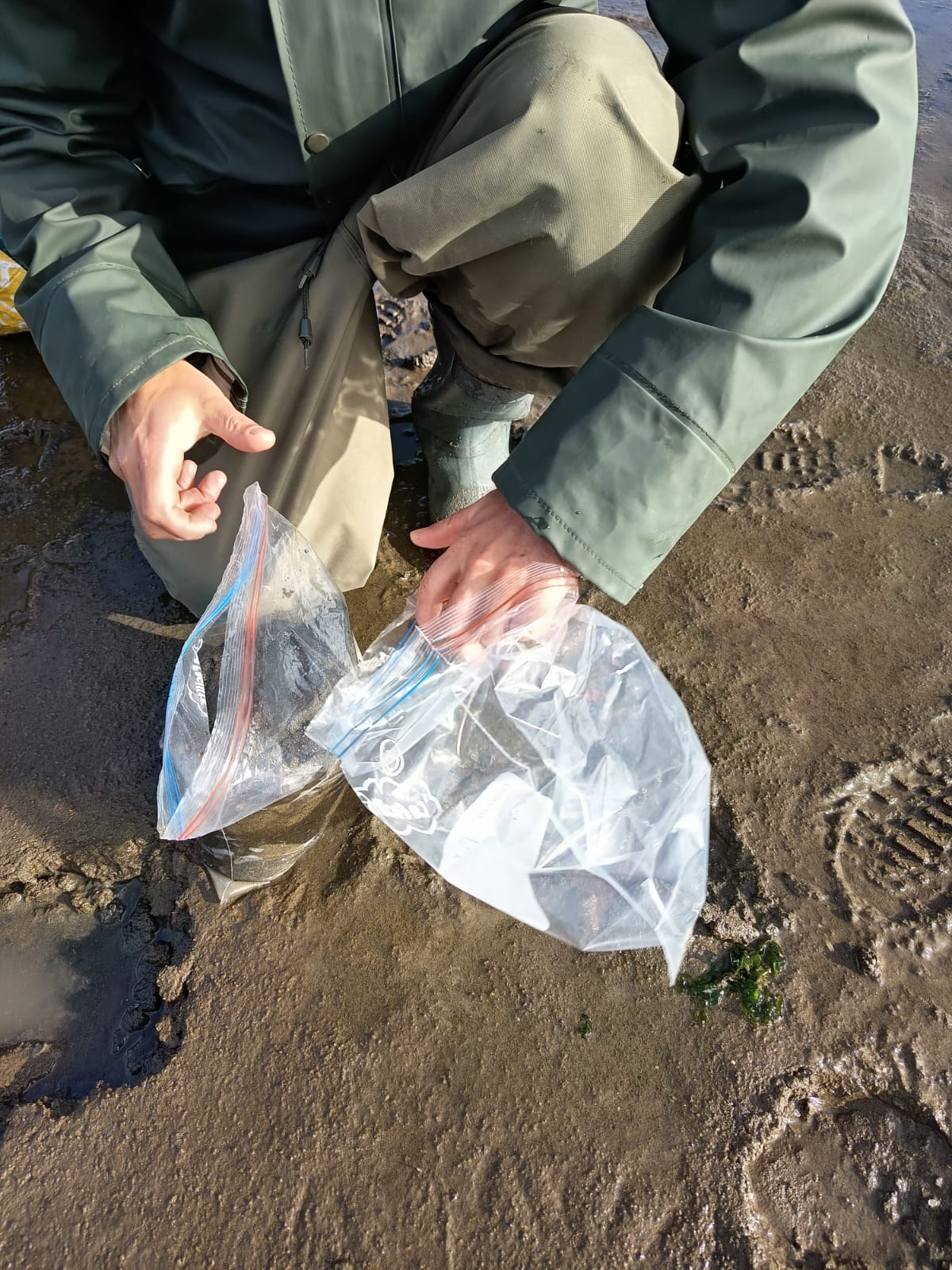
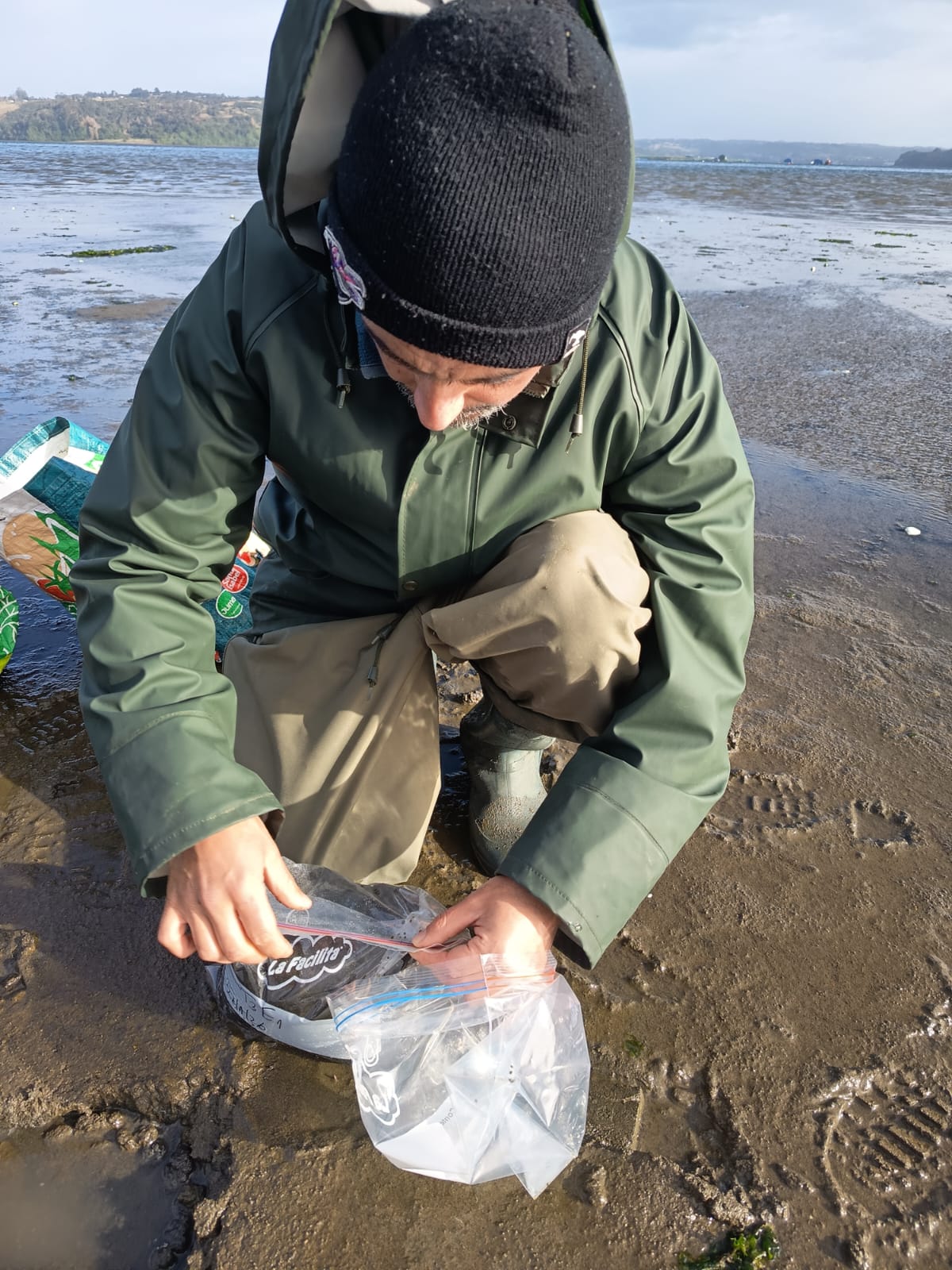
The study compared two sampling campaigns carried out in July 2025 and April 2026. Combined, 2,757 organisms belonging to 31 species and six major taxonomic groups, or phyla, were recorded. The results showed a 218% increase in the abundance of organisms and a 42% increase in species richness between the two campaigns.
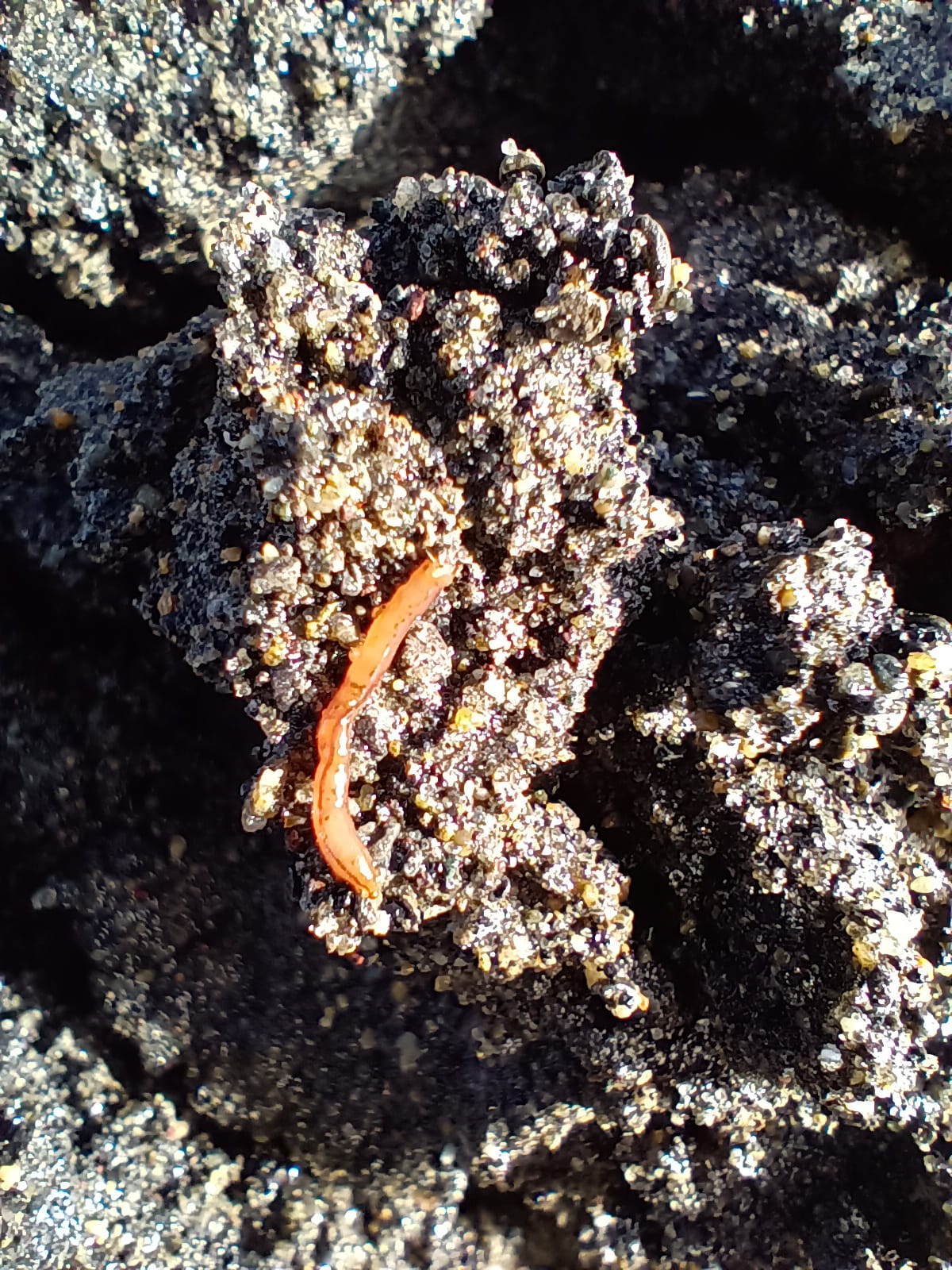
Benthic macrofauna is made up of small invertebrates that live on or within marine sediments, such as worms, mollusks, and crustaceans. Although they often go unnoticed, they play a fundamental role in the functioning of coastal ecosystems and are the main food source for various birds that use the flats during low tide.
Among them, the Hudsonian godwit stands out — a migratory species that connects breeding grounds in the northern hemisphere with the wetlands of southern Chile. Curaco de Vélez Bay can concentrate thousands of individuals during the austral season, so understanding the availability and variation of their food resources is key to assessing habitat quality and guiding management decisions.
The results obtained support the importance of the sanctuary as a feeding site within the Pacific Flyway. They also provide a baseline for future comparisons, help identify ecological changes, and make it possible to evaluate potential effects associated with disturbance, pollution, sediment modification, or environmental variation.
This component complements the bird censuses periodically carried out by Fundación Conservación Marina. Integrating information on bird abundance, habitat use, and food availability provides a more complete understanding of how the wetland functions and strengthens adaptive management based on scientific evidence.
During the first half of 2026, the network's overall monitoring recorded 71 species and 31,697 individuals across the Curaco de Vélez, Quinchao Bay, and Maullín River Wetlands sanctuaries. In March, counts of the Hudsonian godwit exceeded 4,000 individuals in Chullec, once again confirming the strategic value of the area.
The monitoring was carried out as part of the shorebird conservation site-strengthening project, implemented by Fundación Conservación Marina with support from Biome Conservation.