News
2026-05-15
2026-05-15
The Governance Roundtable of the Curaco de Vélez Bay Nature Sanctuary agreed that the Natural Monument category is the option that best fits the protected area's conservation objectives, in the context of its recategorization under the new Law No. 21,600 and the implementation of the Biodiversity and Protected Areas Service (SBAP).
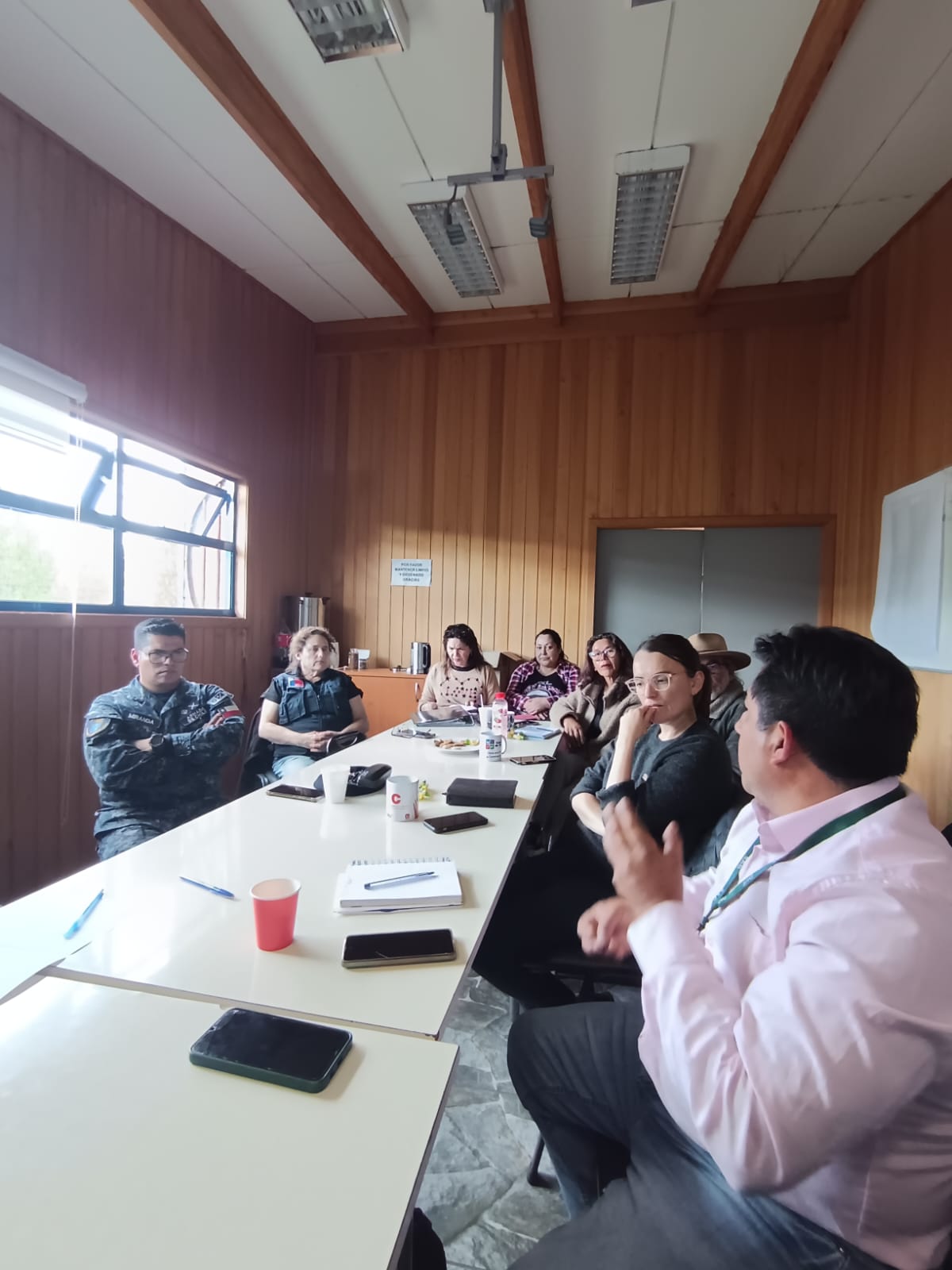
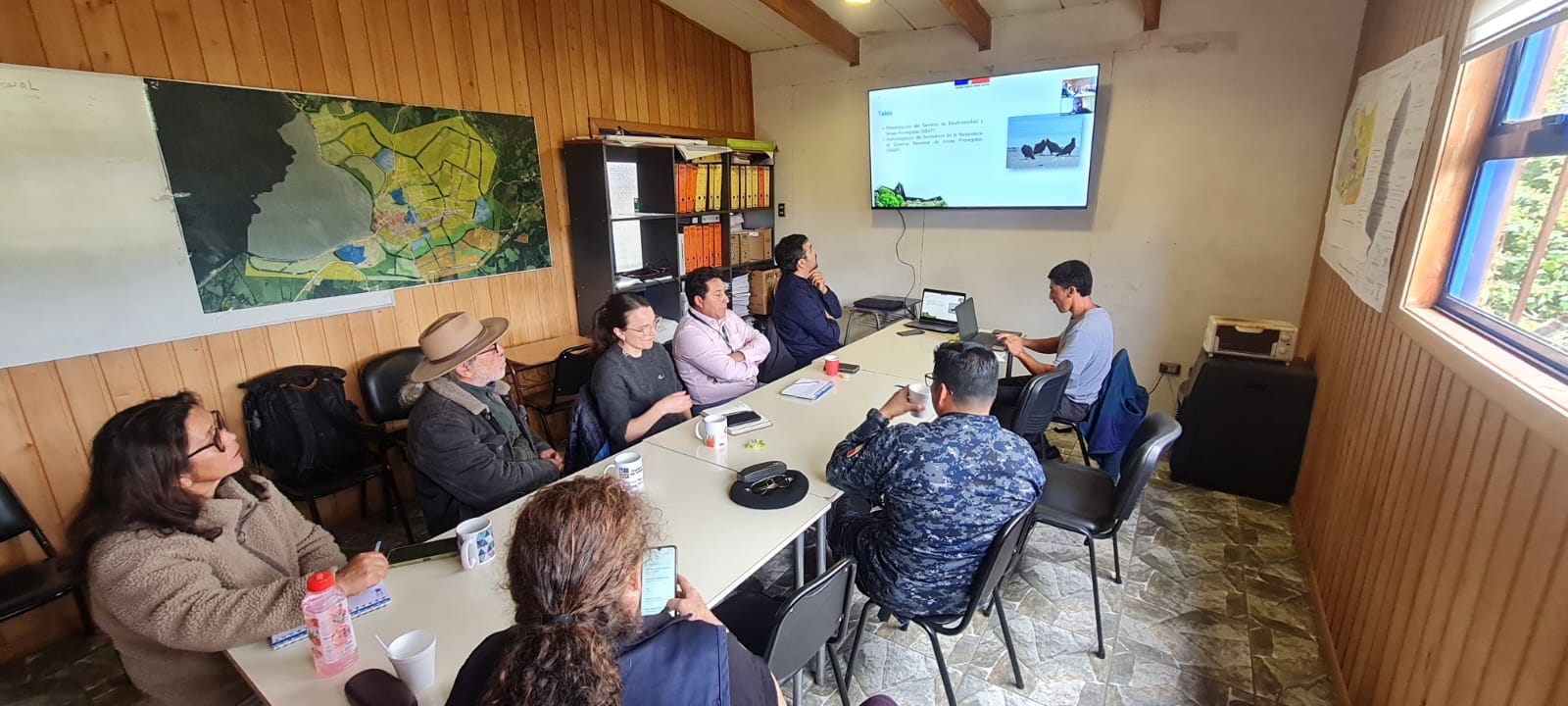
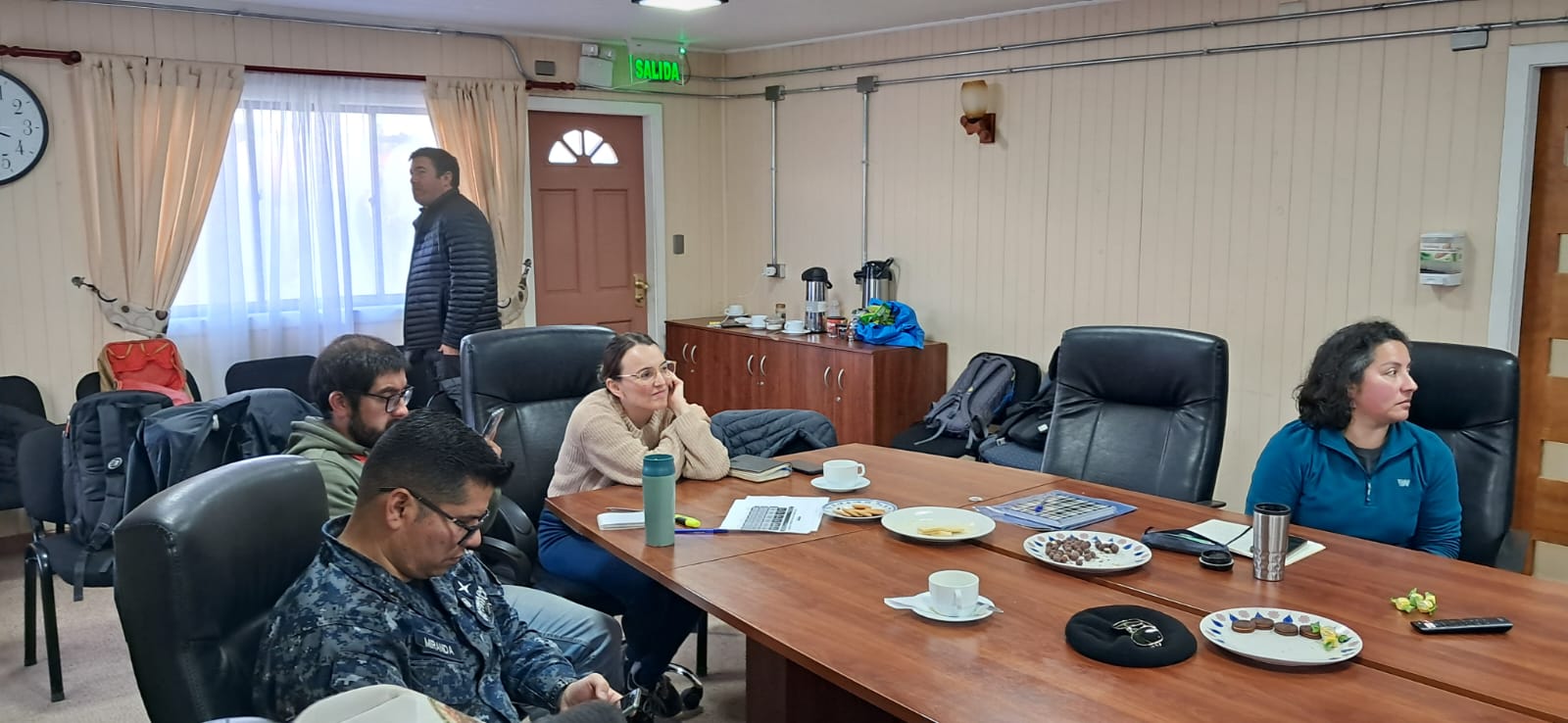
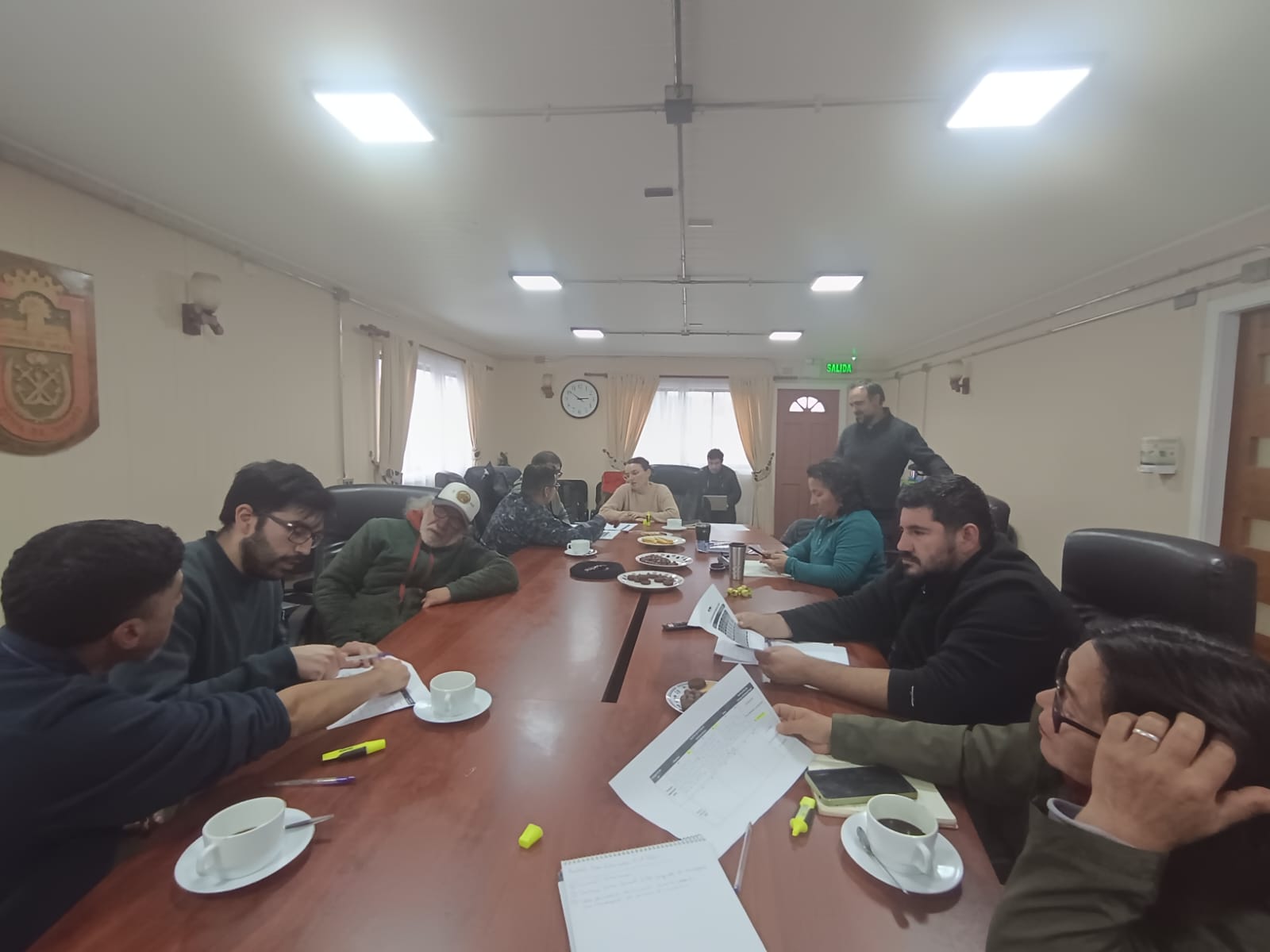
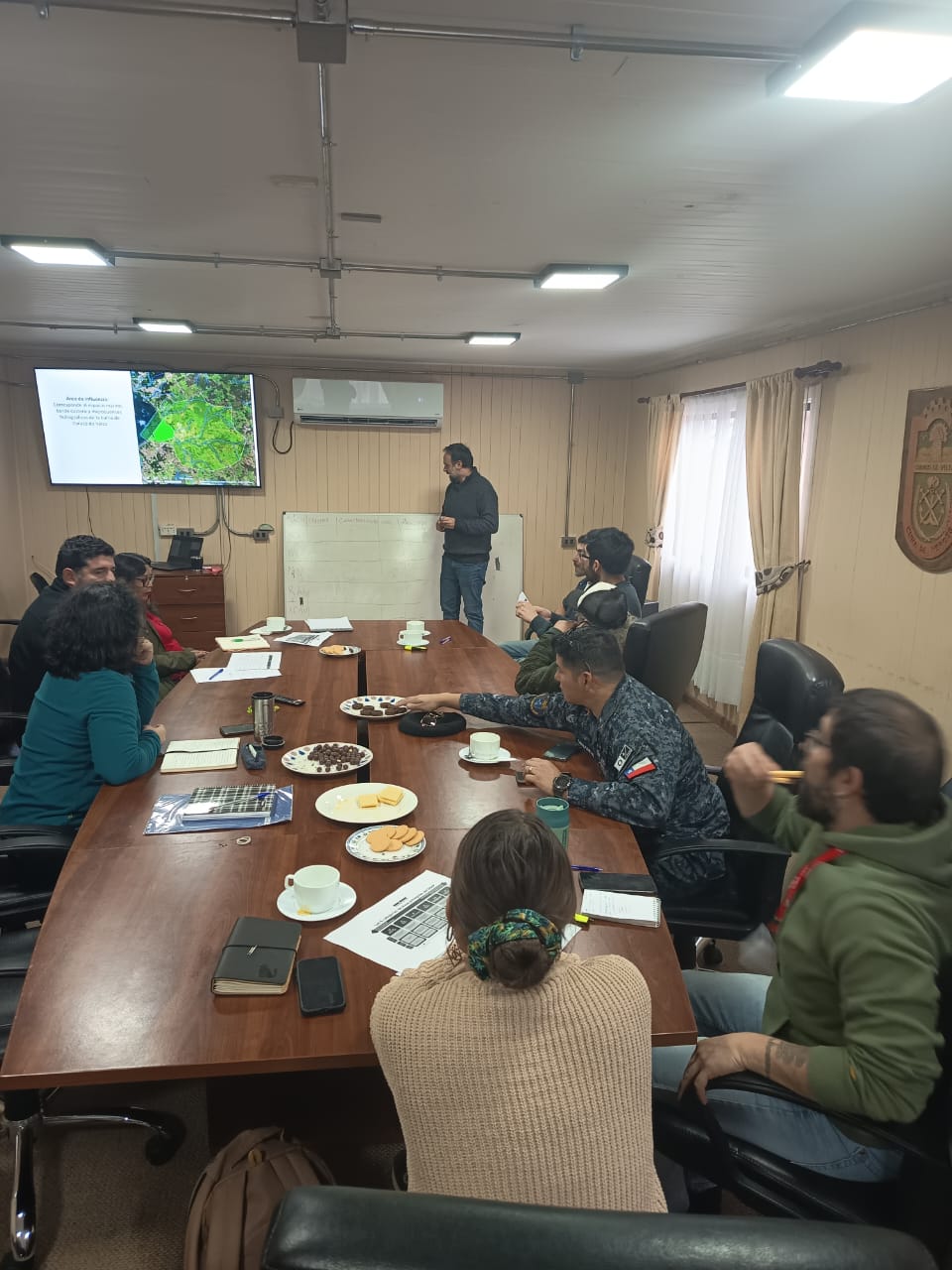
The decision was made during the regular meeting held on May 15, 2026, which brought together 11 representatives from local organizations and public institutions. Participants included members of SBAP, the Chilean Navy, the Indigenous community, the municipal environment office, and the National Monuments Council of Chiloé, among other stakeholders involved in managing the sanctuary.
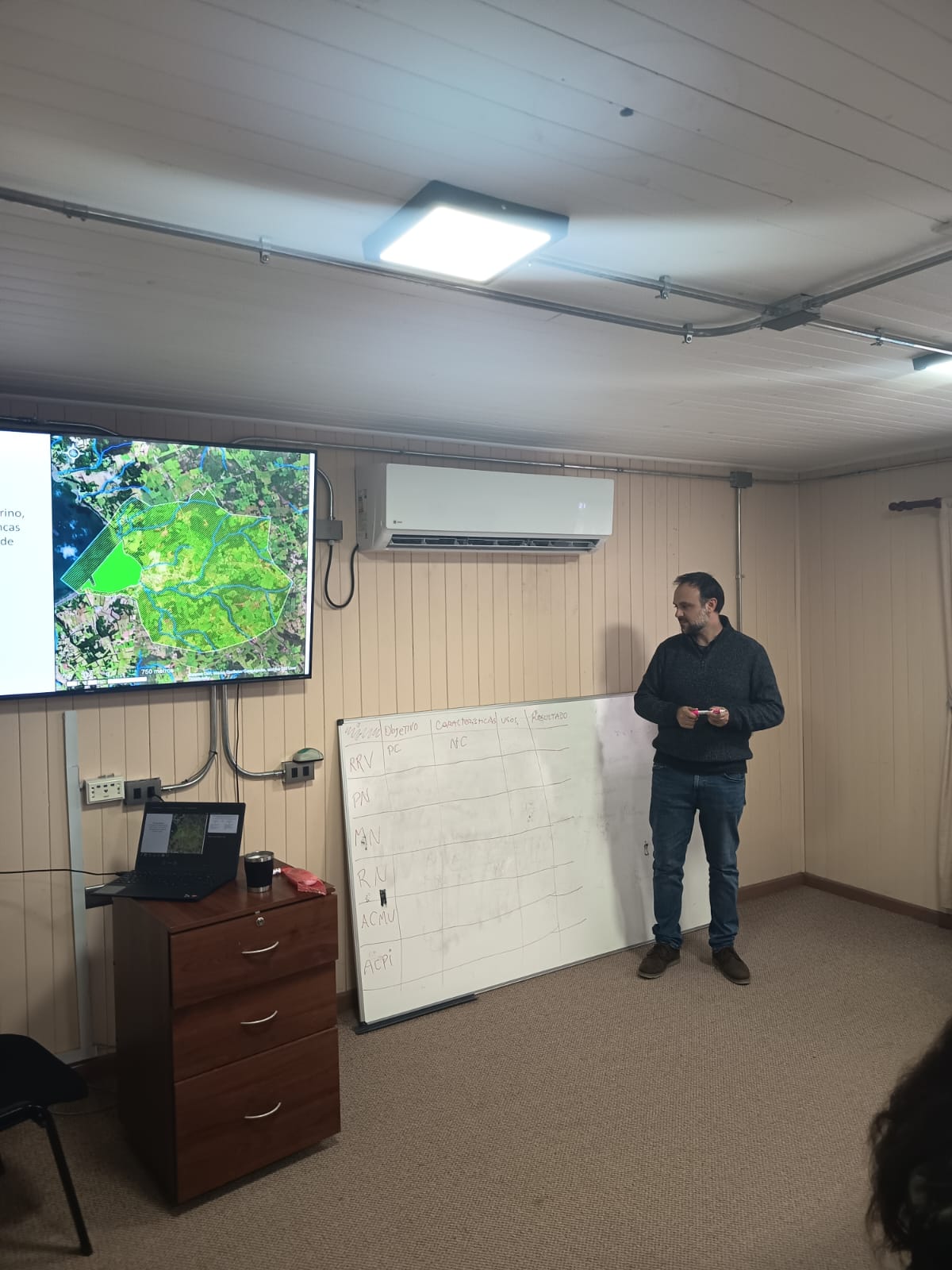
The session included a participatory review of the categories recognized under the new legal framework and how they correspond to the ecological and social characteristics of Curaco de Vélez Bay. After reviewing the site's conservation targets, threats, and management needs, the roundtable agreed that Natural Monument would help strengthen its protection while maintaining the emphasis on migratory shorebirds and their habitats.
Curaco de Vélez Bay is one of the main resting and feeding sites for the Hudsonian godwit in the Chiloé Archipelago. During the austral migration, thousands of individuals use its intertidal flats, whose productivity provides essential food resources for completing their migratory cycle. The sanctuary is also home to black-necked swans, resident waterbirds, and environments of cultural value to the local community.
The meeting also addressed the coordinated response to the avian influenza outbreak detected in the sanctuary since April 25. The participating institutions and organizations reviewed reporting protocols, safe removal of dead birds, and preventive information for families living near the wetland.
The agreement reached by the Governance Roundtable is a significant technical and social precedent for the recategorization process, which must continue moving forward with SBAP. It also demonstrates the importance of having stable participatory forums where decisions about the future of protected areas can be built on local knowledge, institutional support, and shared objectives.
Fundación Conservación Marina supports this process as part of the project to strengthen the network of protected marine wetlands, with support from Biome Conservation.