News
2026-09-12
2026-09-12
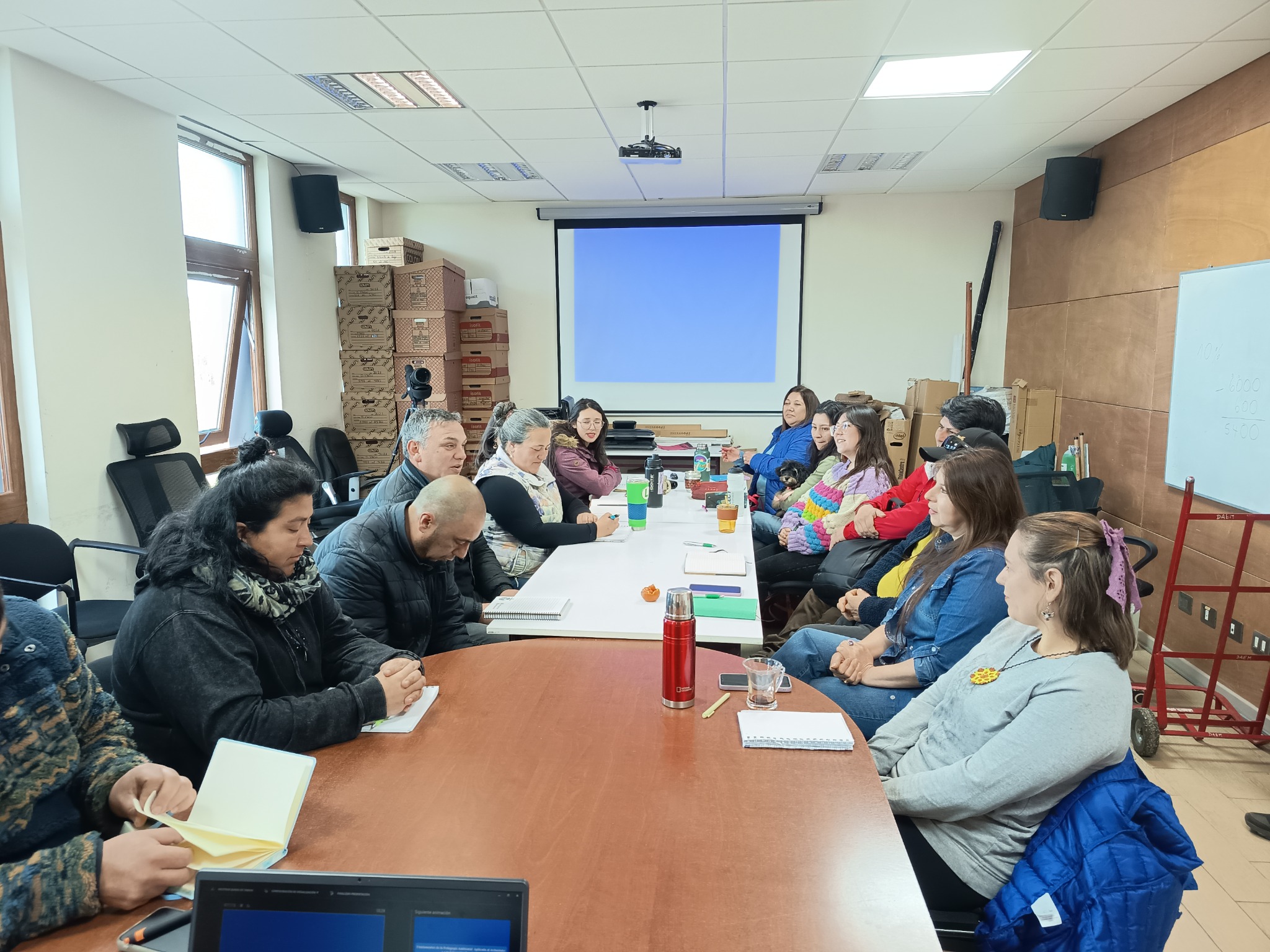
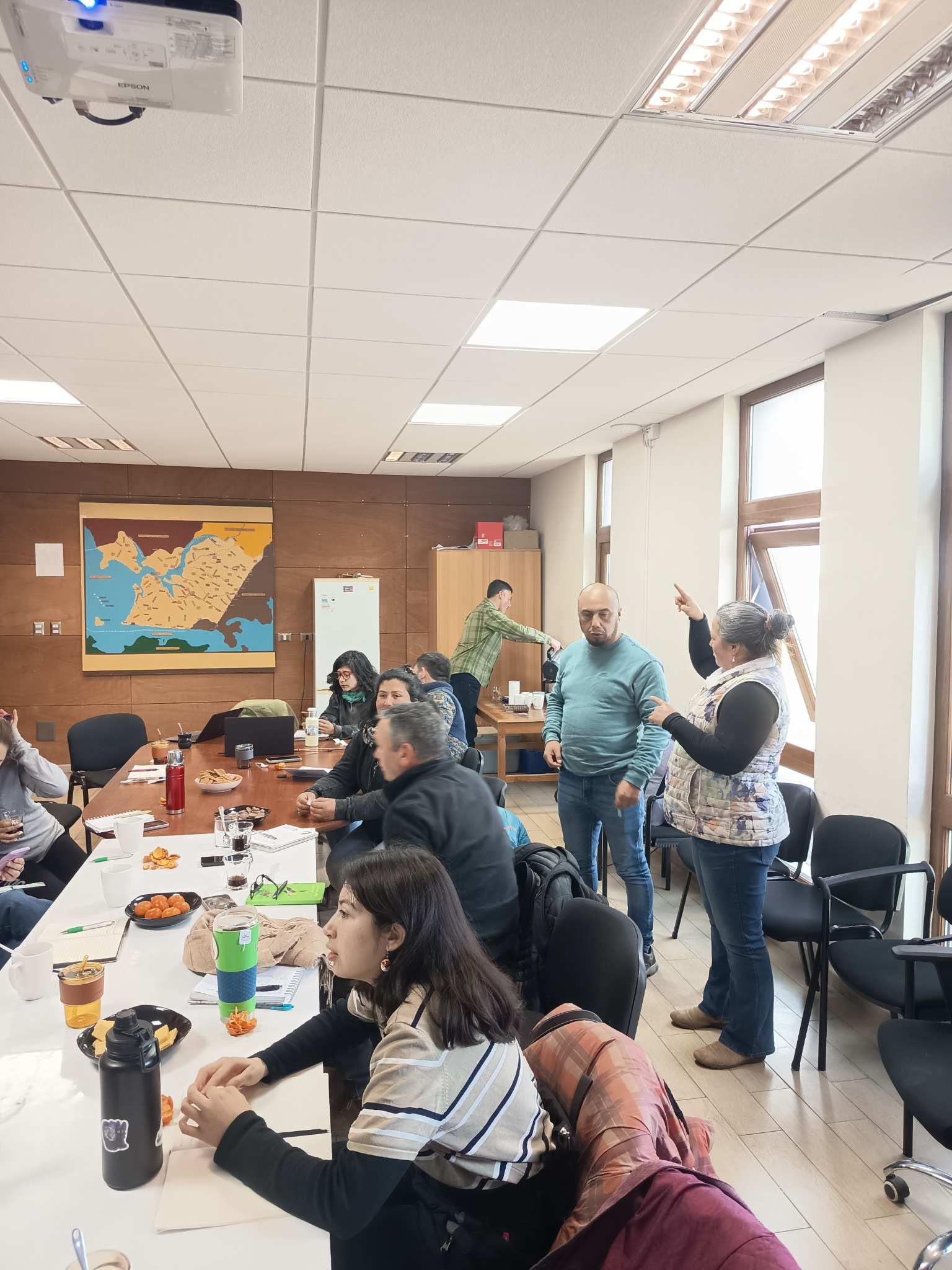
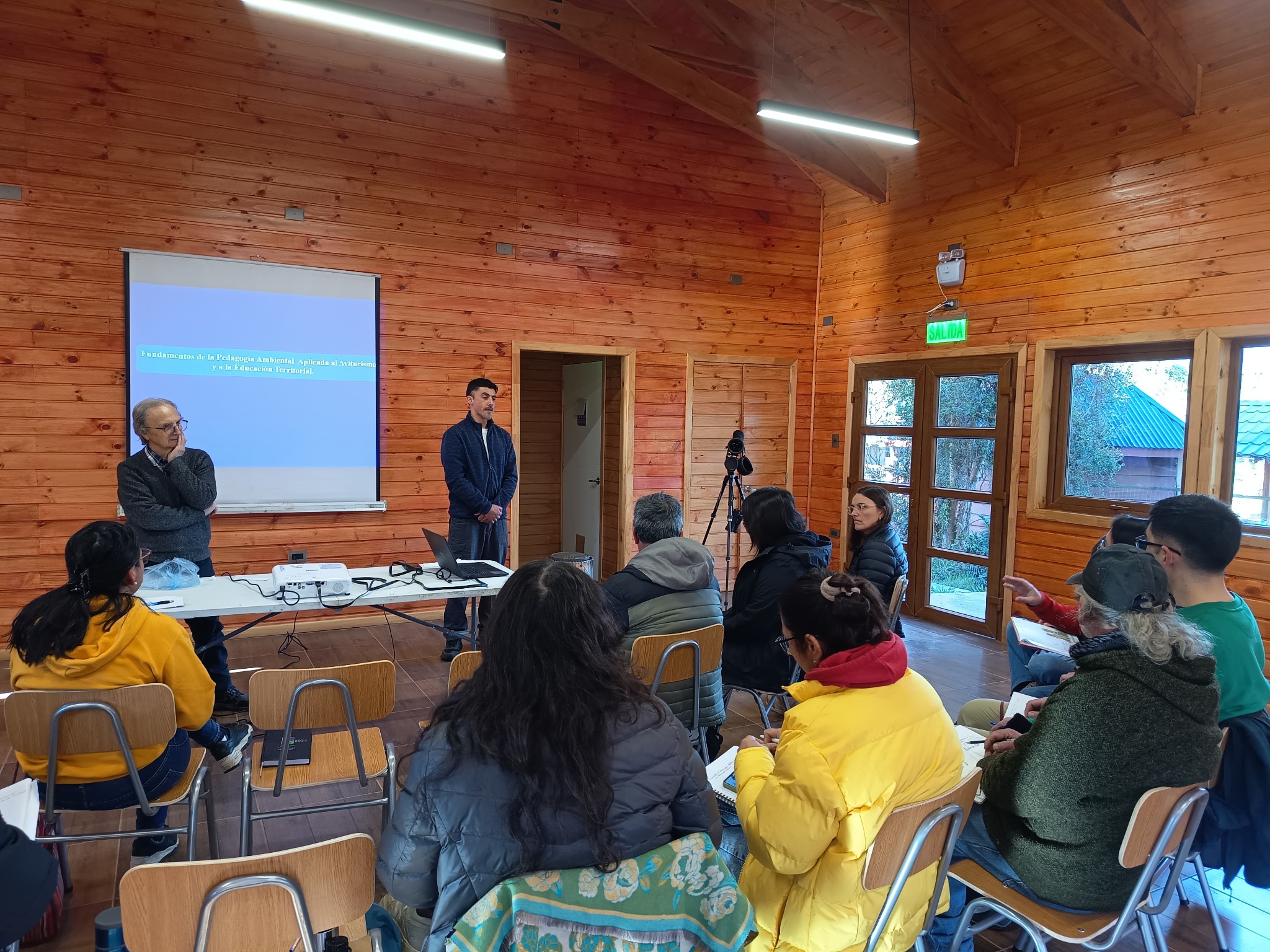
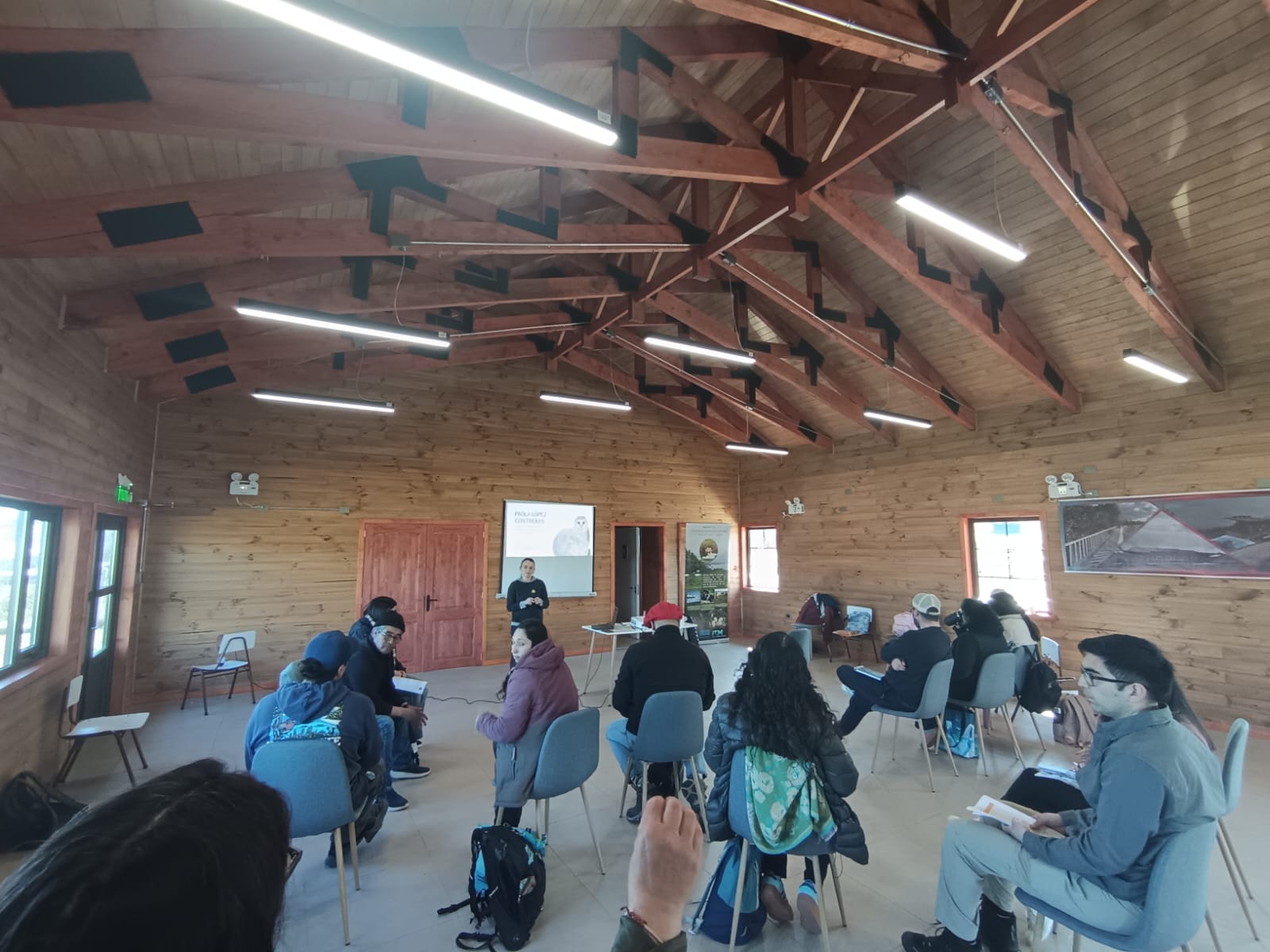
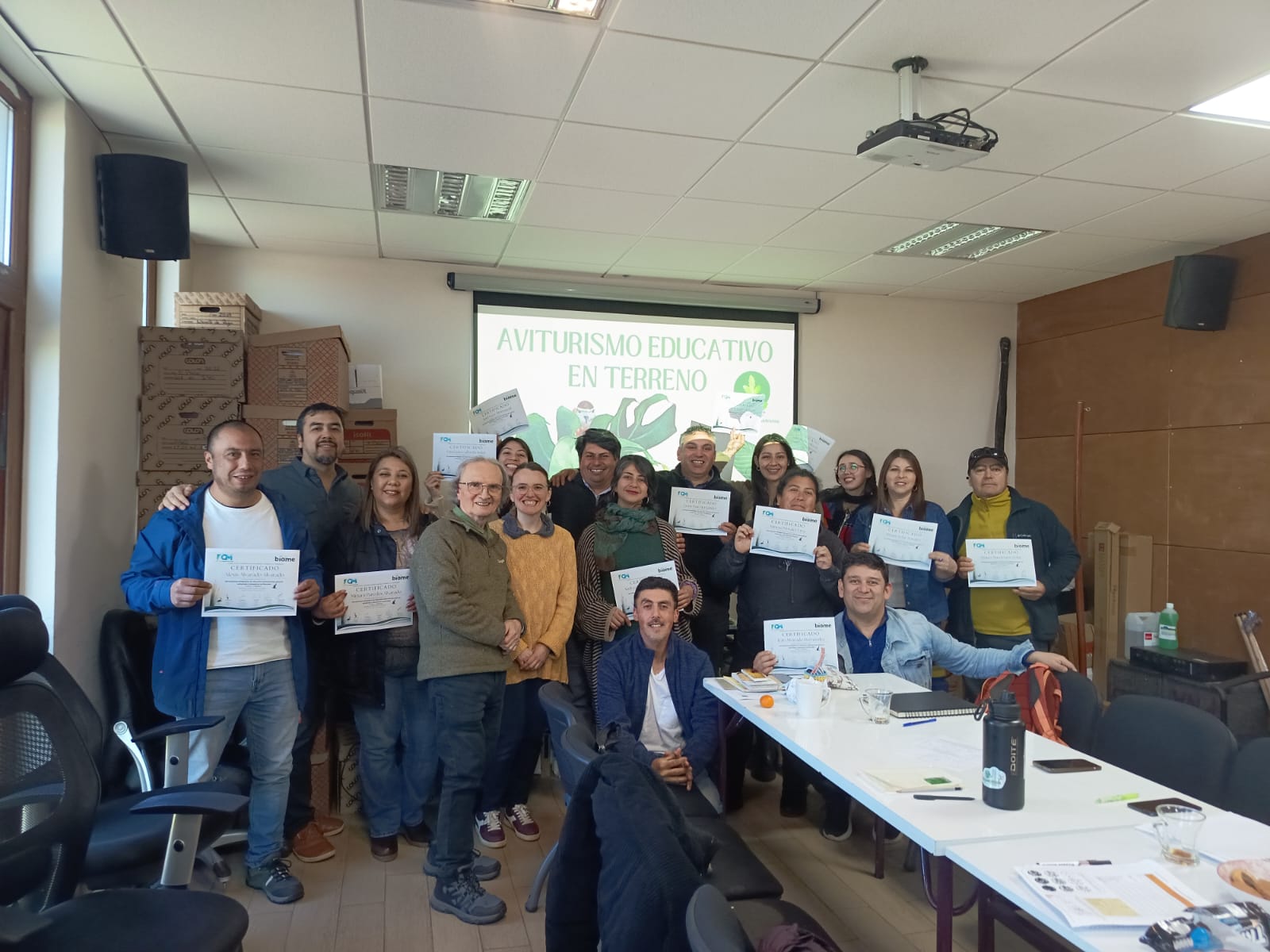
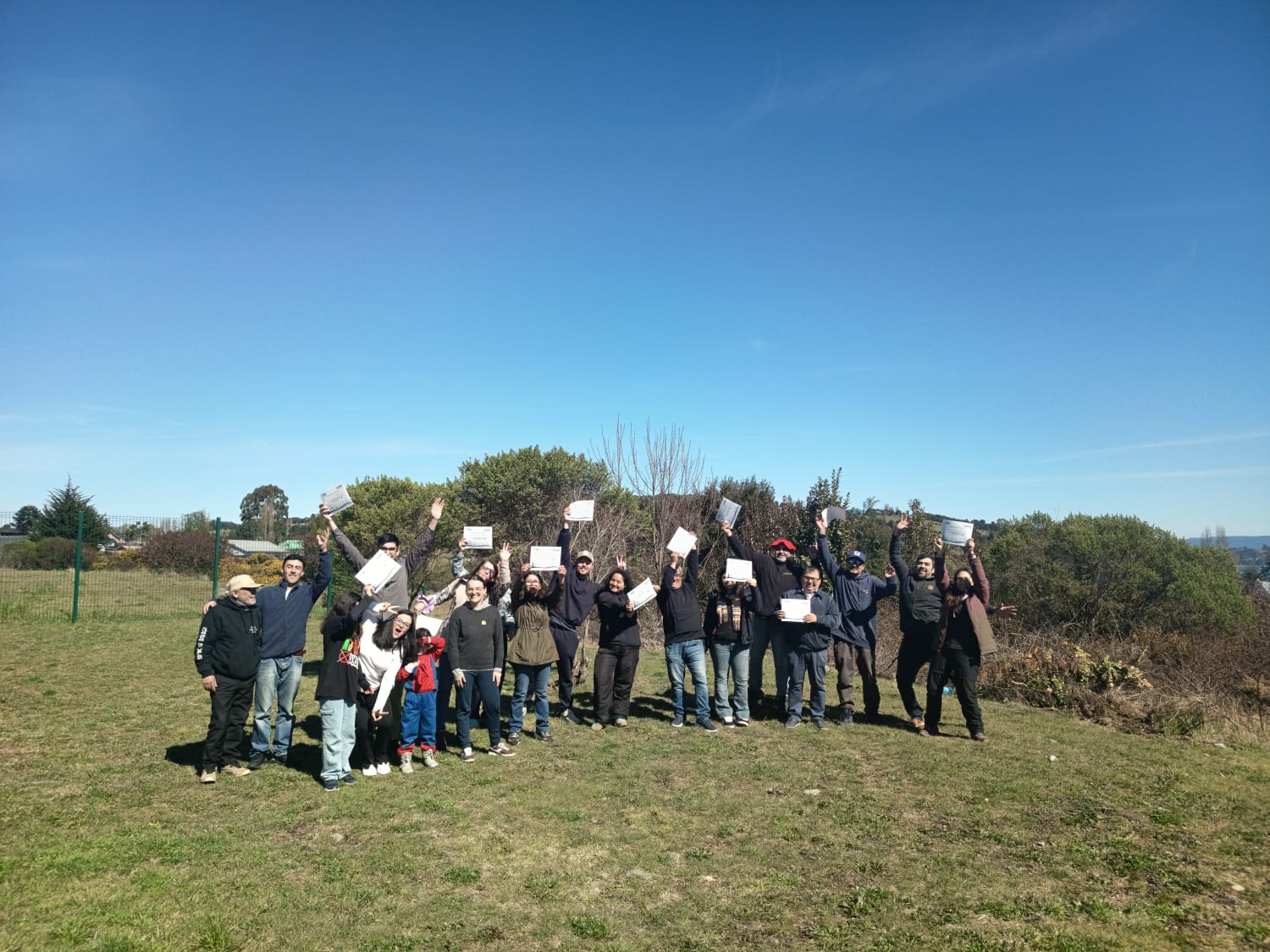
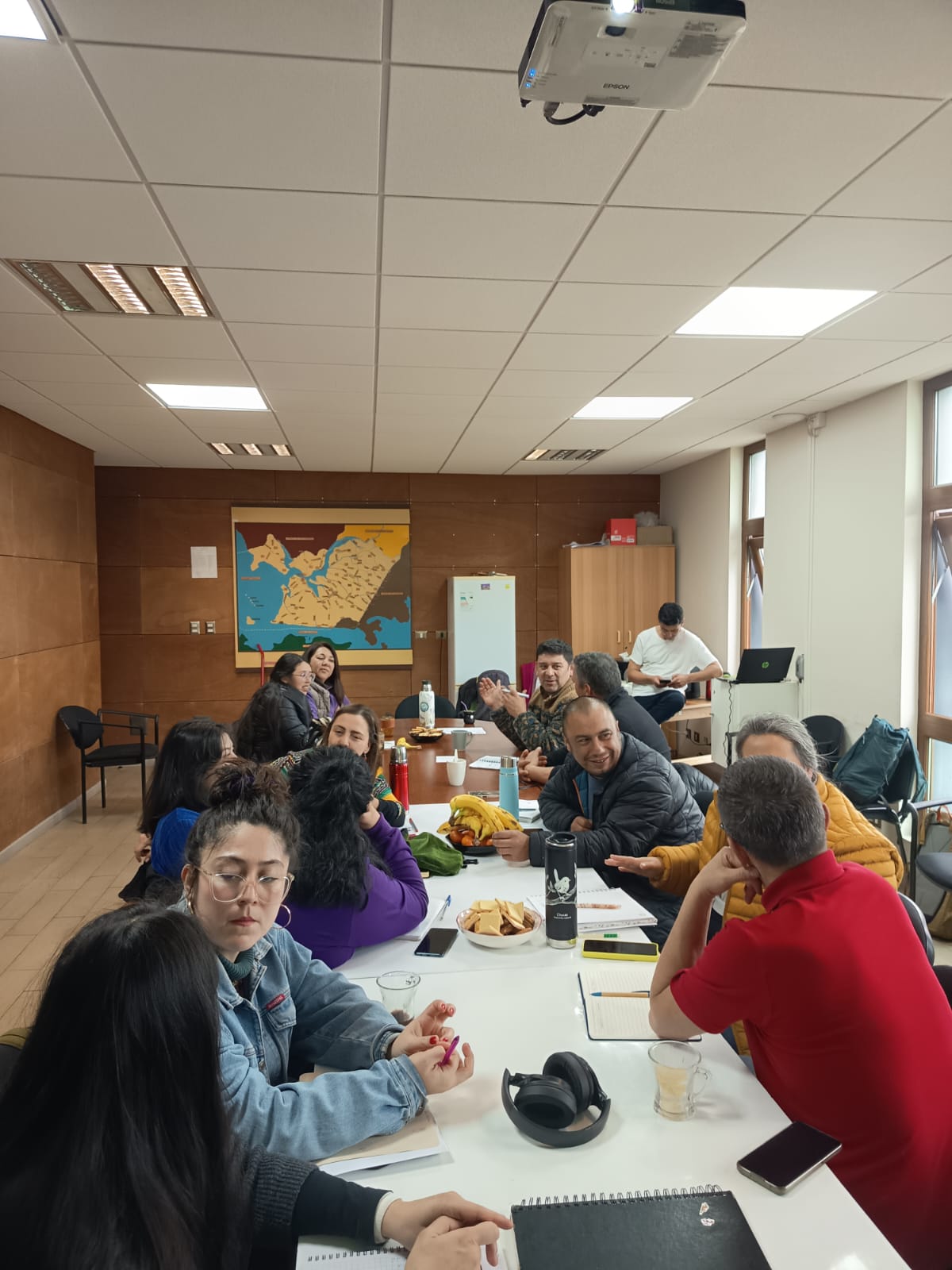
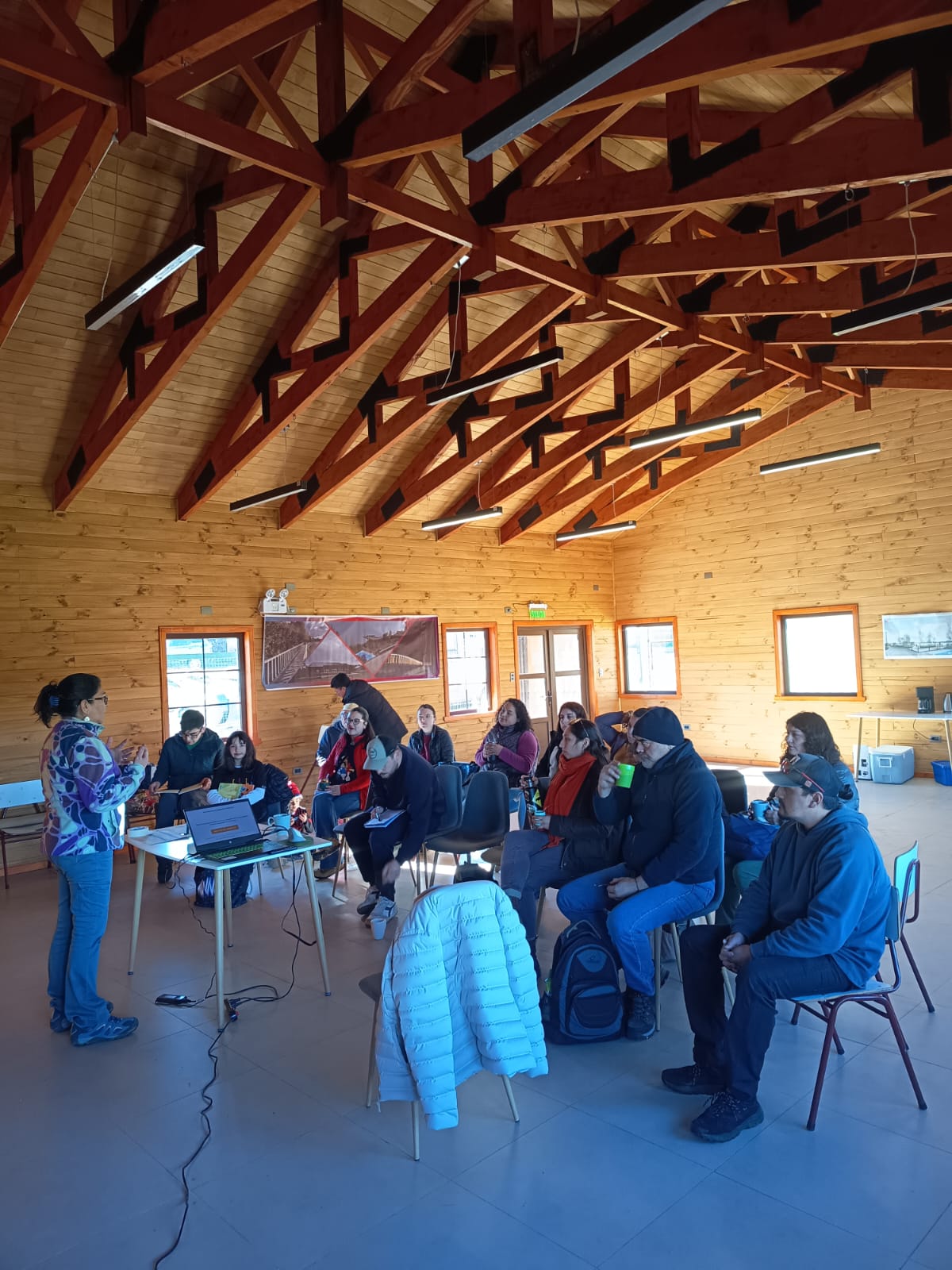
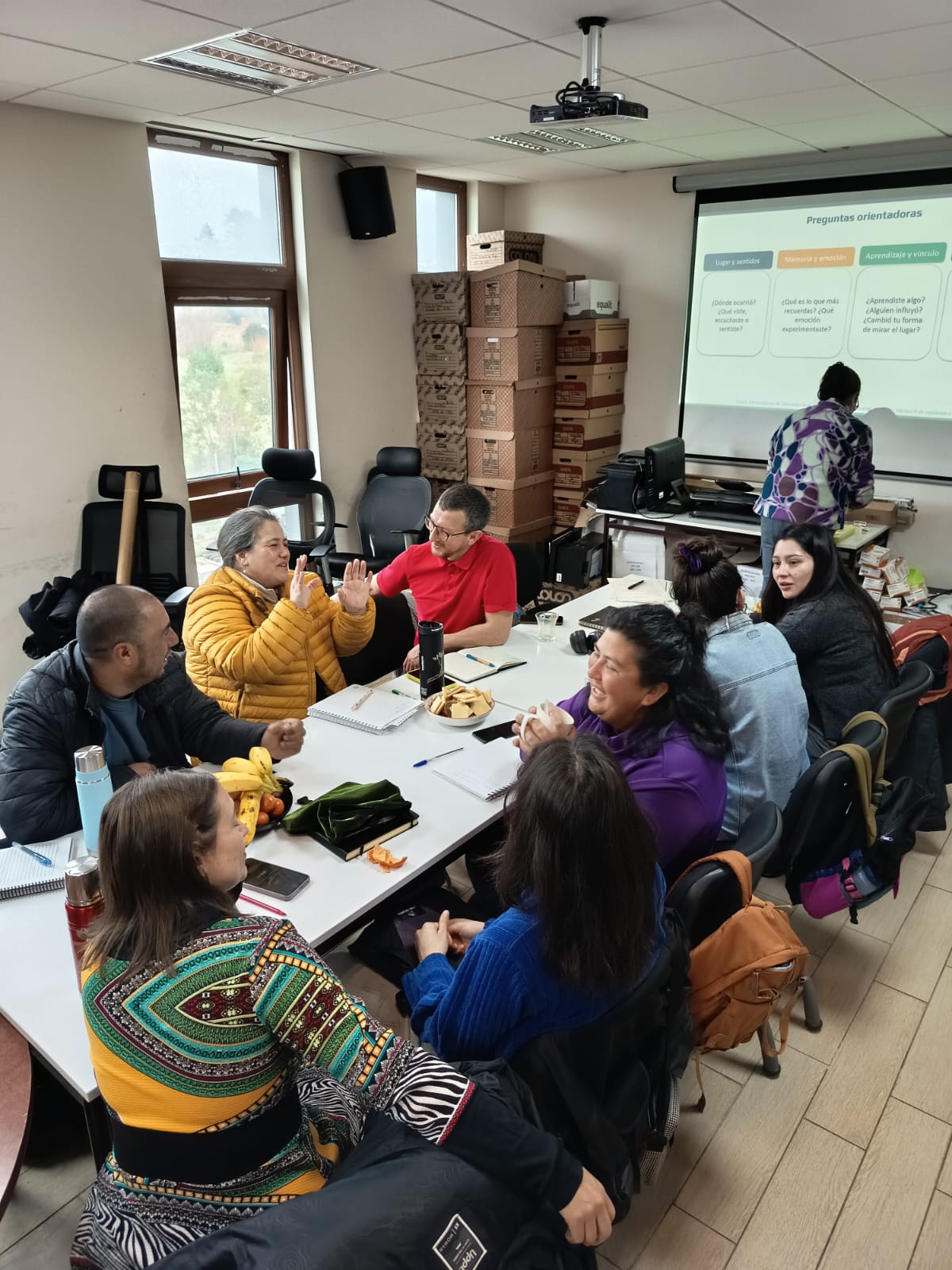
With 32 participants completing the training process, Fundación Conservación Marina concluded the course "Environmental Education Tools for Strengthening Birdwatching Guides and Territorial Educators." The final sessions took place on September 11 in Maullín and September 12 in Curaco de Vélez, closing out four in-person sessions in each territory.
The course was aimed at local birdwatching guides and territorial educators linked mainly to the Maullín River wetland system and the coastal wetlands of Quinchao Island. During the training, participants incorporated new tools and deepened skills they already used in their work, strengthening both their role as local guides and their role as environmental educators in their own territories.
The course proposed understanding wetlands, birds, and landscapes as learning spaces. From this perspective, the territory becomes a "living classroom," where observation can connect with emotion, knowledge, and conservation. The guide thus moves beyond simply transmitting information and takes on a role as a facilitator of experiences capable of generating understanding and a connection with nature.
This approach takes on special importance in the Maullín–Chamiza–Chiloé corridor, where coastal wetlands support significant bird diversity, including resident and migratory shorebird species. Strengthening the capacities of those who work directly with visitors, students, and communities expands opportunities to understand the value of these ecosystems, recognize the threats they face, and promote responsible practices for observing and using the territory.
Every birdwatching outing or educational activity can become an opportunity for conservation. A well-prepared guide can help people understand why it is important to keep a distance from birds, avoid disturbances, respect resting and breeding areas, and value wetlands not only as places to observe nature, but also as essential spaces for biodiversity and for the communities that live around them.
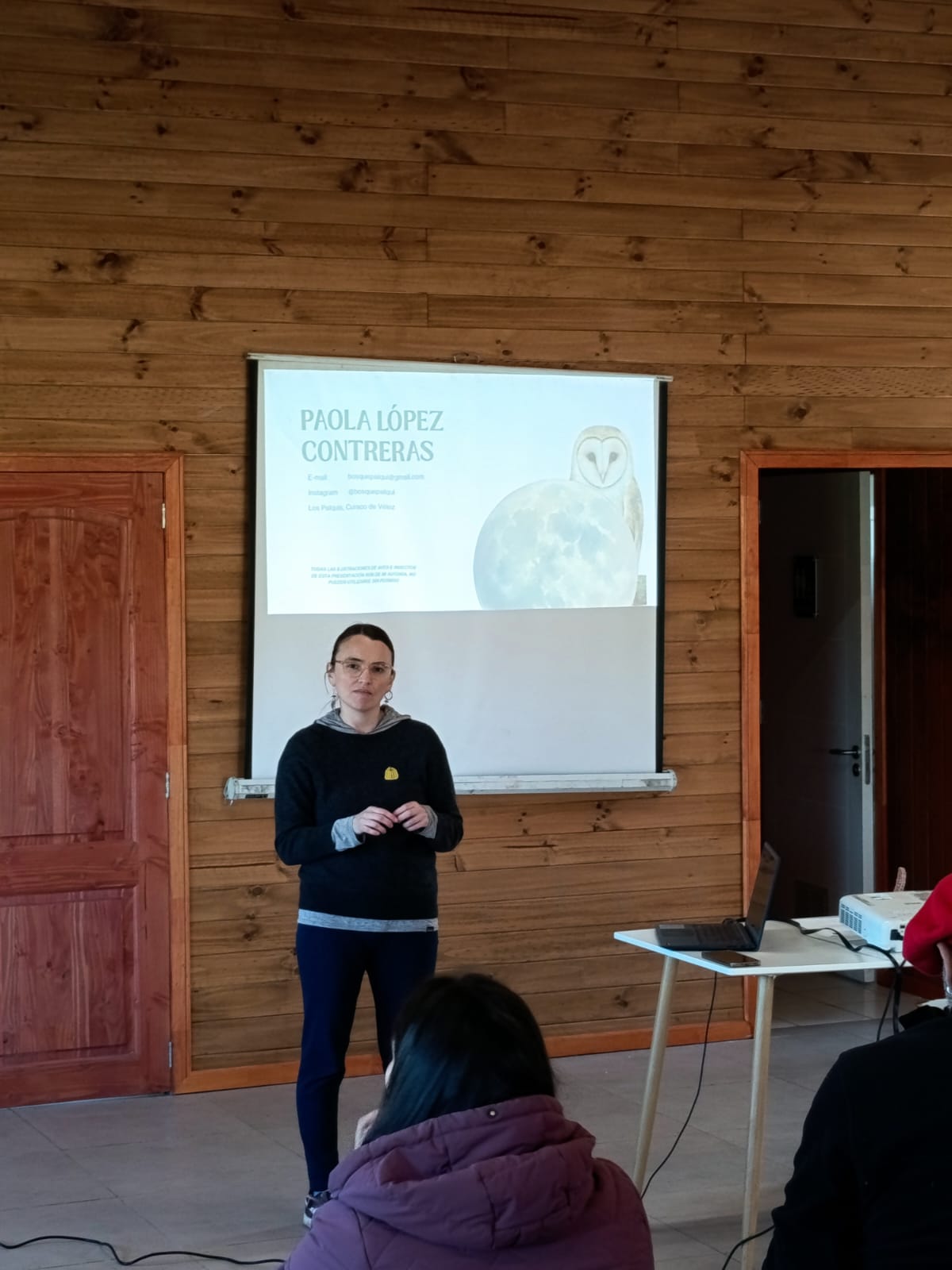
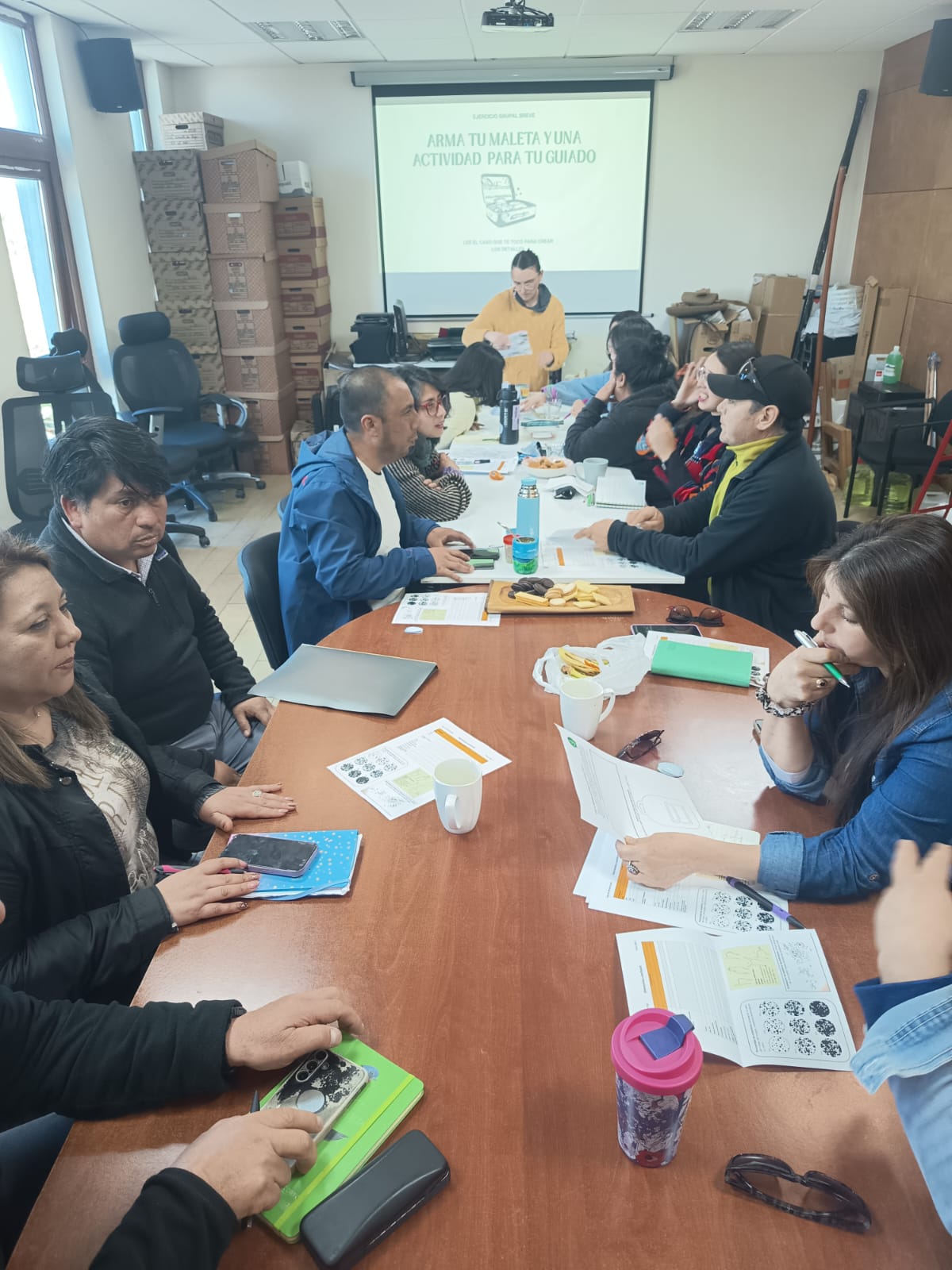
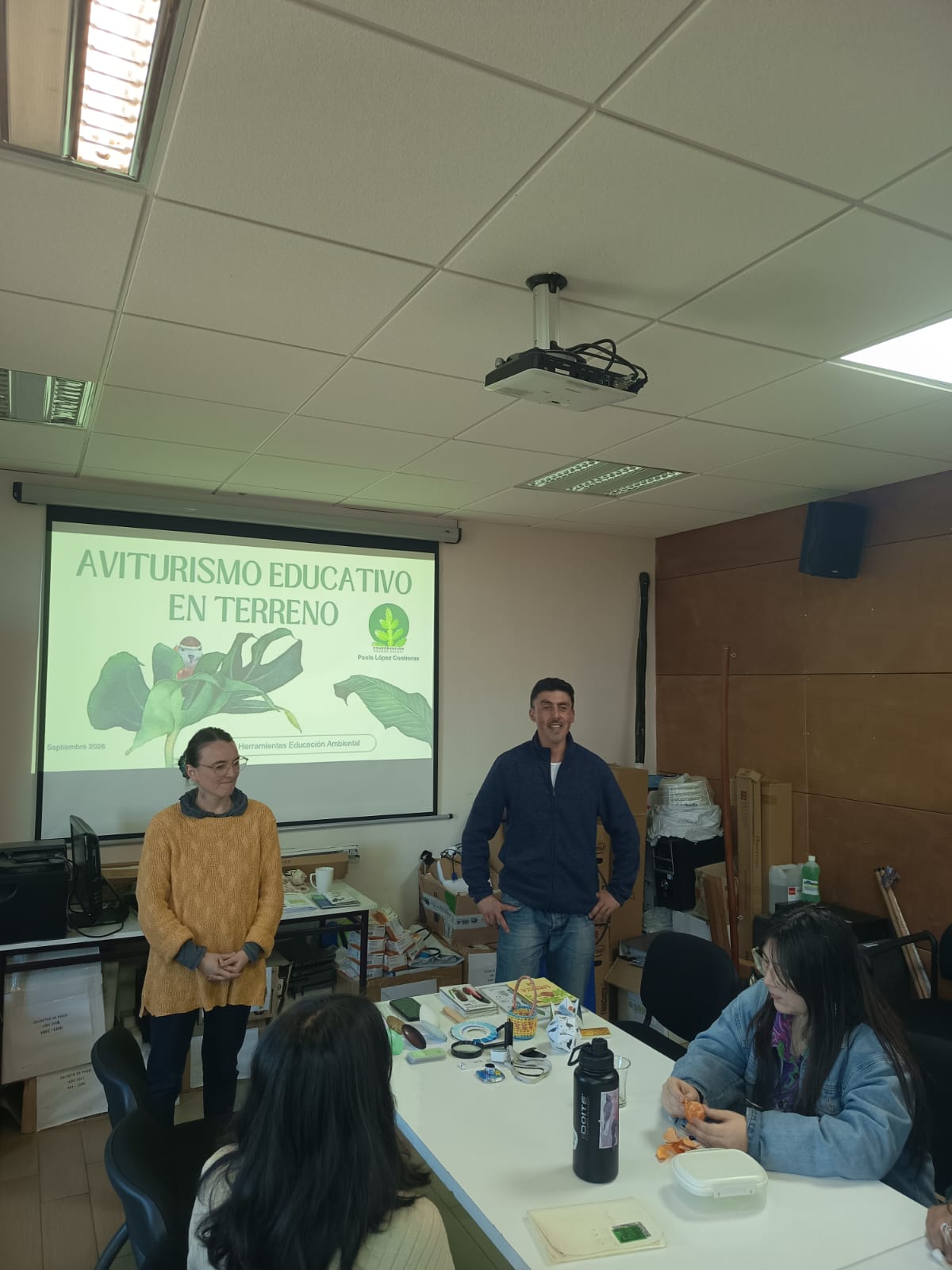
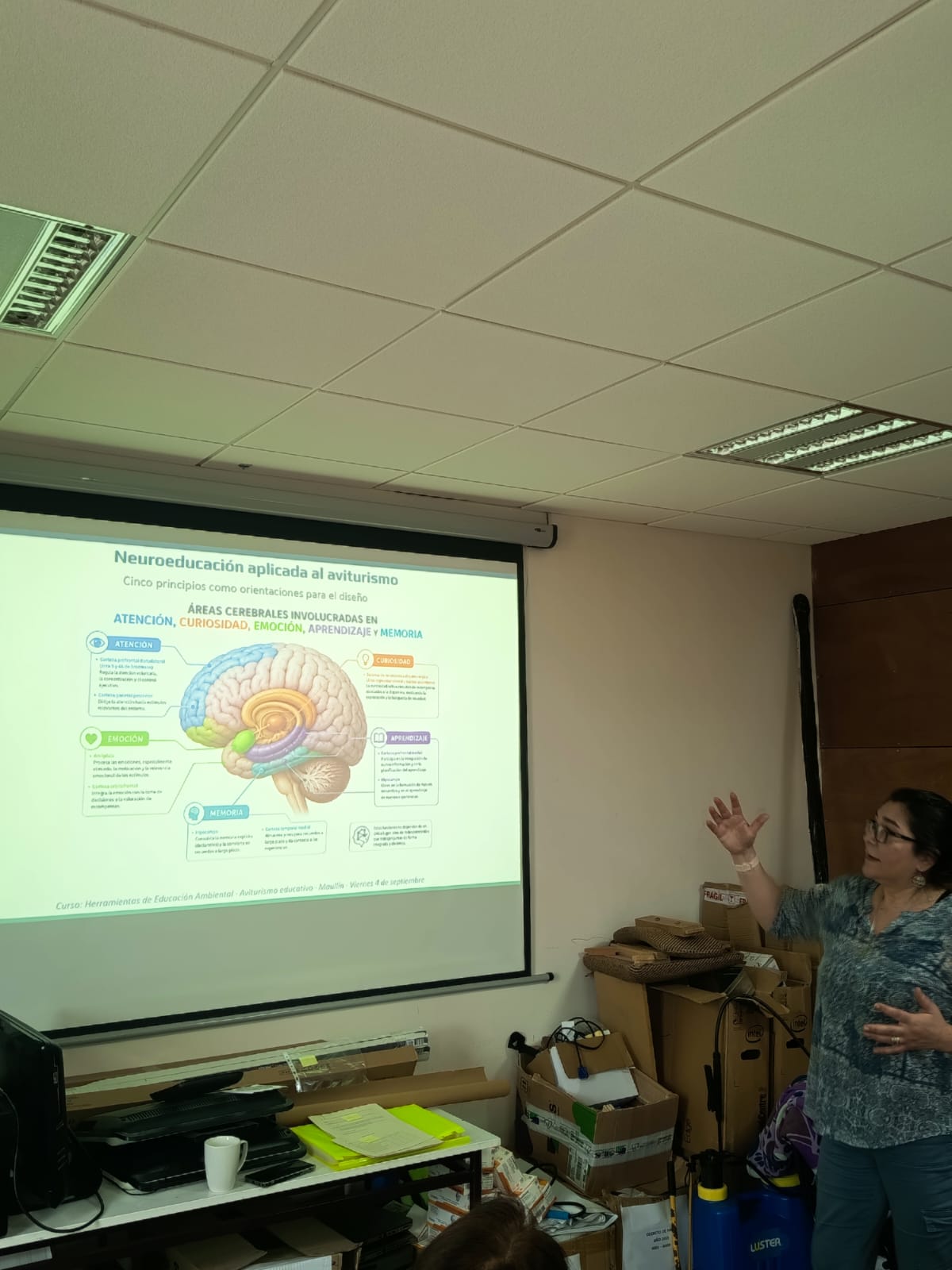
The training was organized into four modules: fundamentals of environmental pedagogy, environmental education didactics, planning of educational experiences, and leading educational birdwatching experiences in the field. The sessions combined conceptual content with practical exercises, group work, discussion, and experience design, allowing participants to relate the tools learned to the characteristics and needs of their own territories.
The process was led by four experienced instructors: Luis Espinosa, teacher, ornithologist, and educator with more than 30 years of experience; Dr. Luis Balboa, professor and researcher in ecology and marine wetland invertebrates; Paola Báez Montenegro, biology teacher with experience in science education and neuroeducation; and Paola López Contreras, teacher, pedagogue, and natural history illustrator involved in education, environmental interpretation, and the conservation of Chiloé's biocultural heritage.
The initiative was developed by Fundación Conservación Marina through ELICONA, with financial support from BIOME-ICFC. Fundación Conservación Marina especially thanks the Municipality of Maullín and the Municipality of Curaco de Vélez for their valuable collaboration and for providing the infrastructure needed to hold the in-person sessions in both territories.
The training of these 32 people represents a growth in capacities that remain within the local community. Guides and educators who know their wetlands, their birds, and their communities now have new tools to interpret this heritage and share it with others. In this way, birdwatching tourism and environmental education are strengthened as concrete tools for the conservation of shorebirds and their habitats along the Maullín–Chamiza–Chiloé corridor.