Environmental Education and Leadership
‹ Environmental Education and Leadership
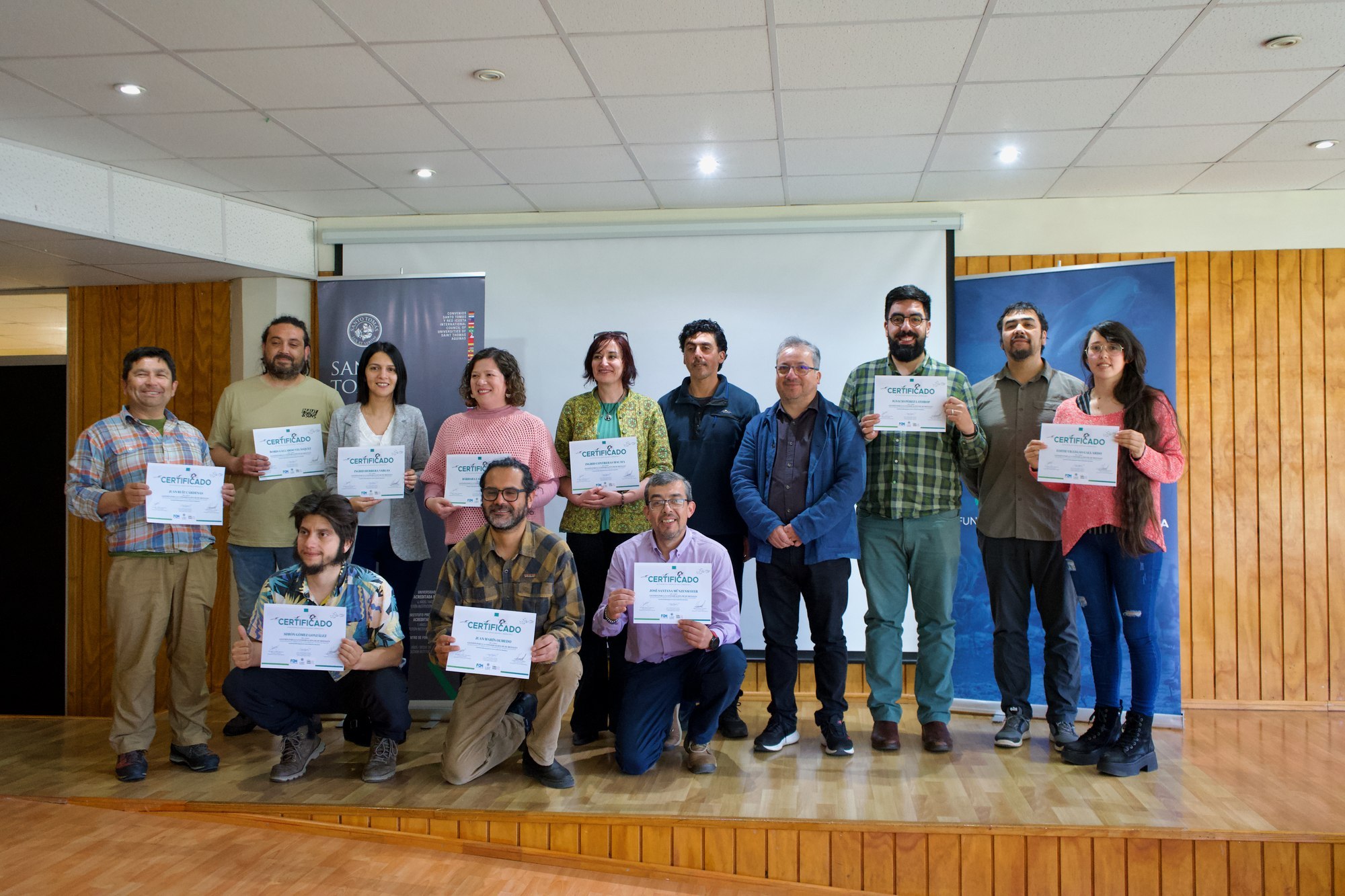
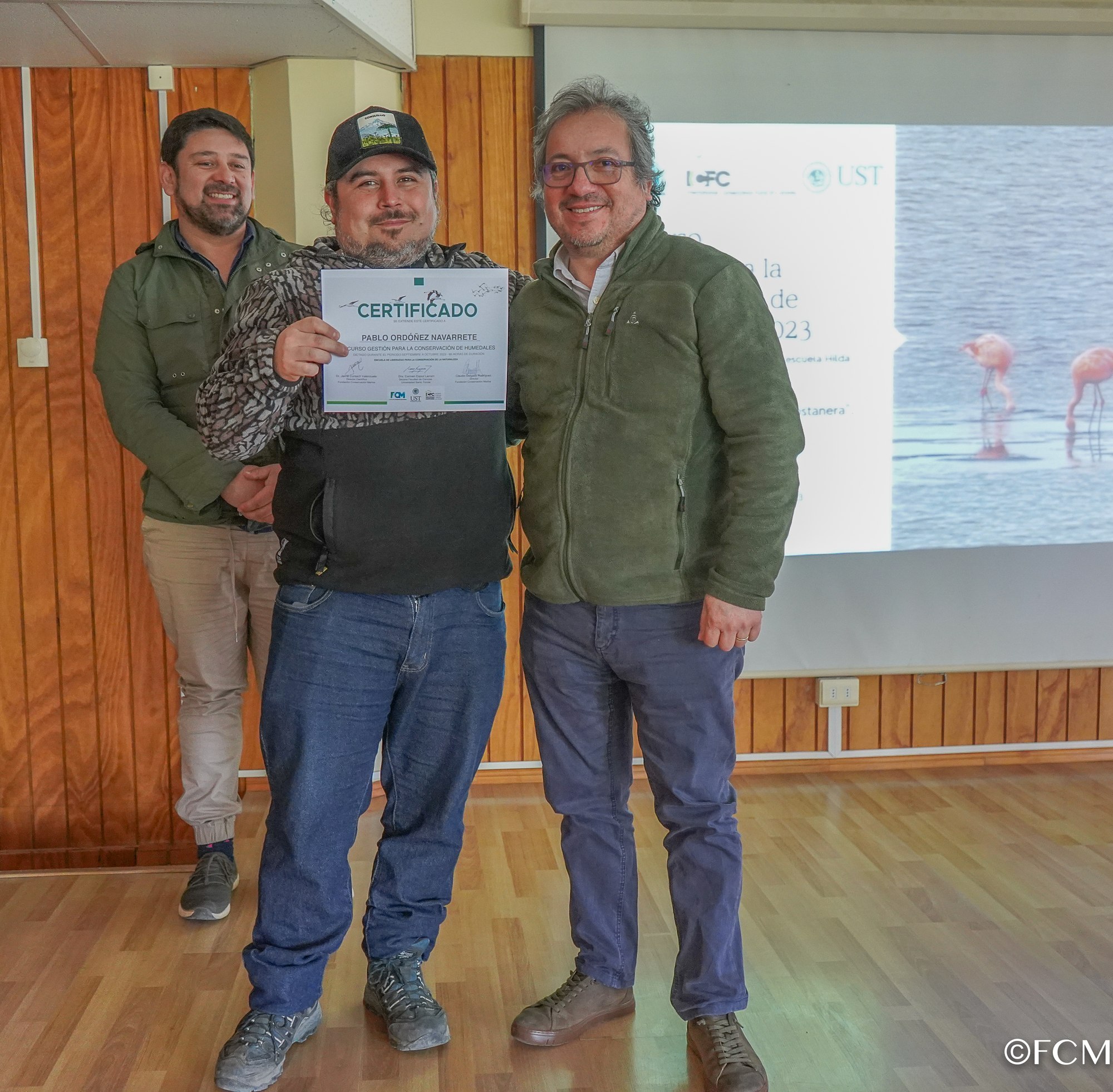
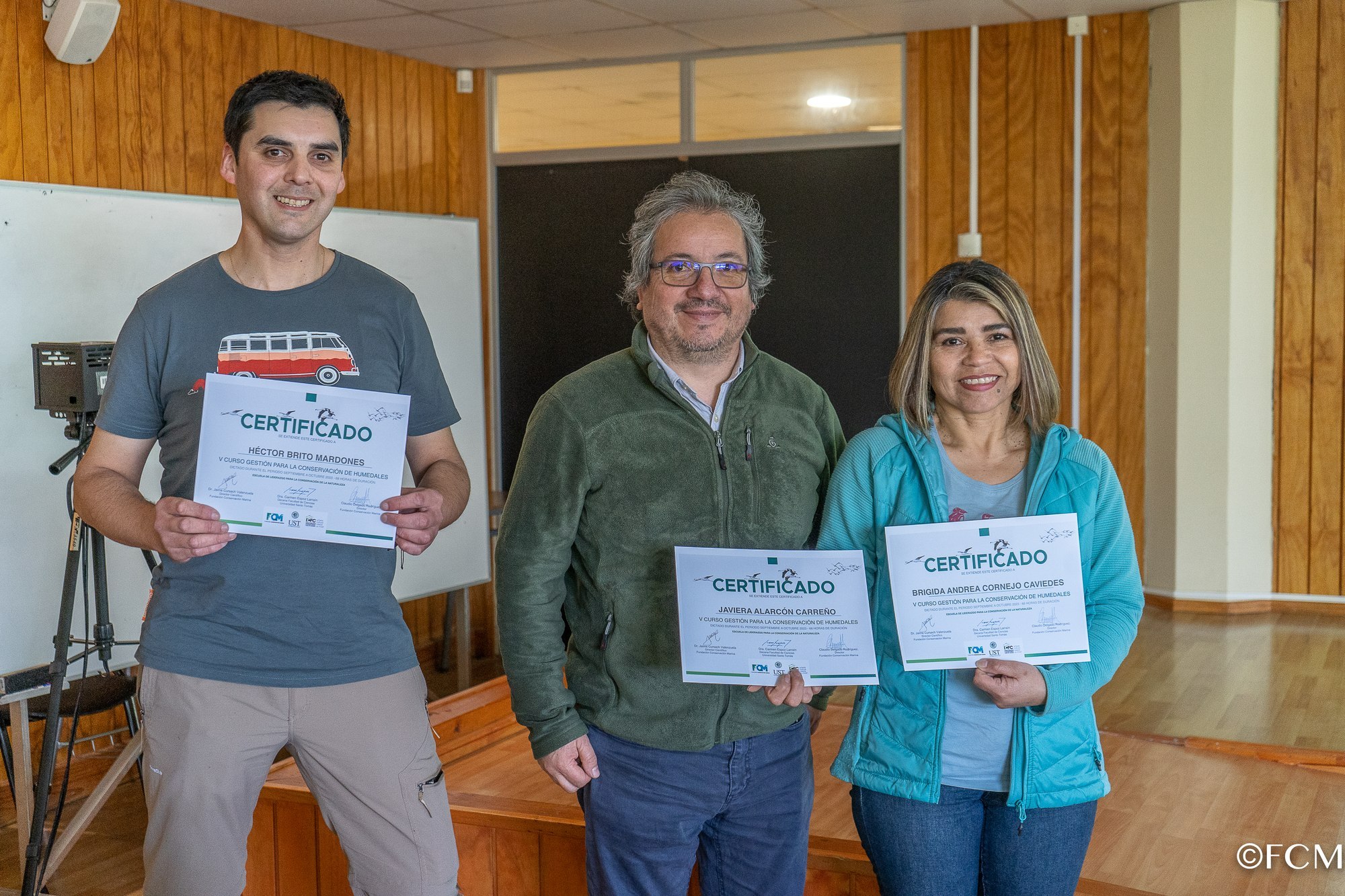
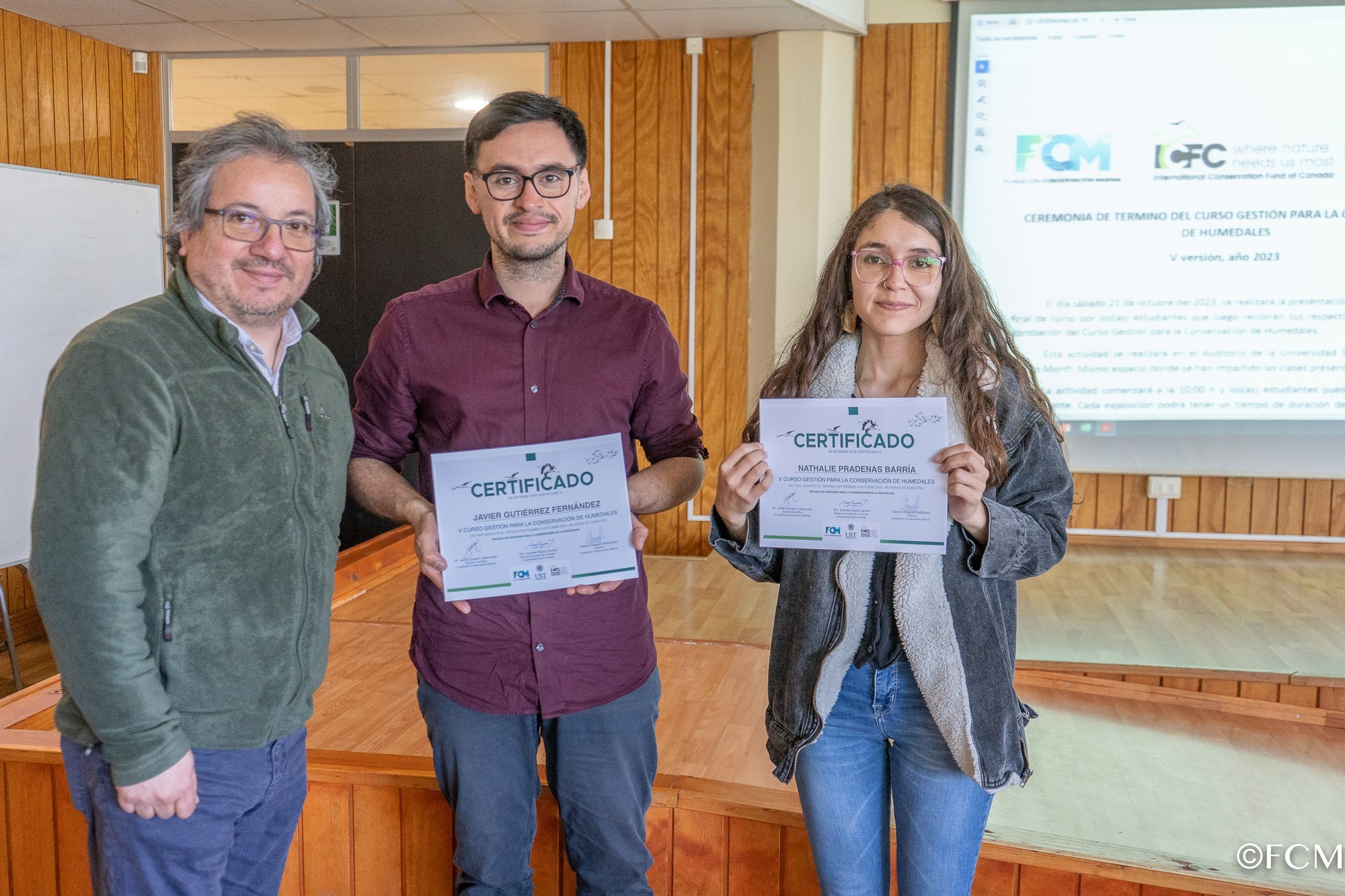
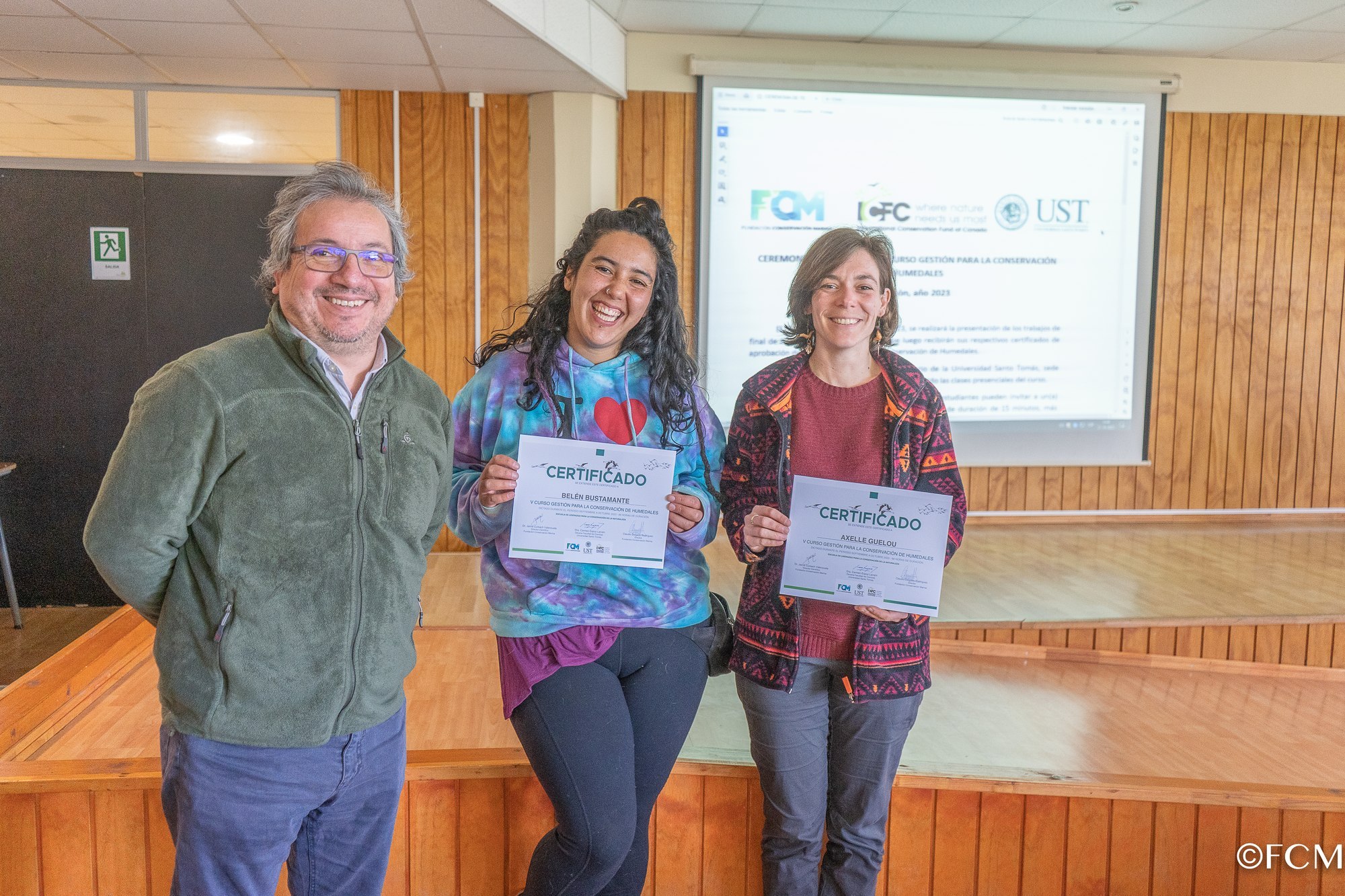
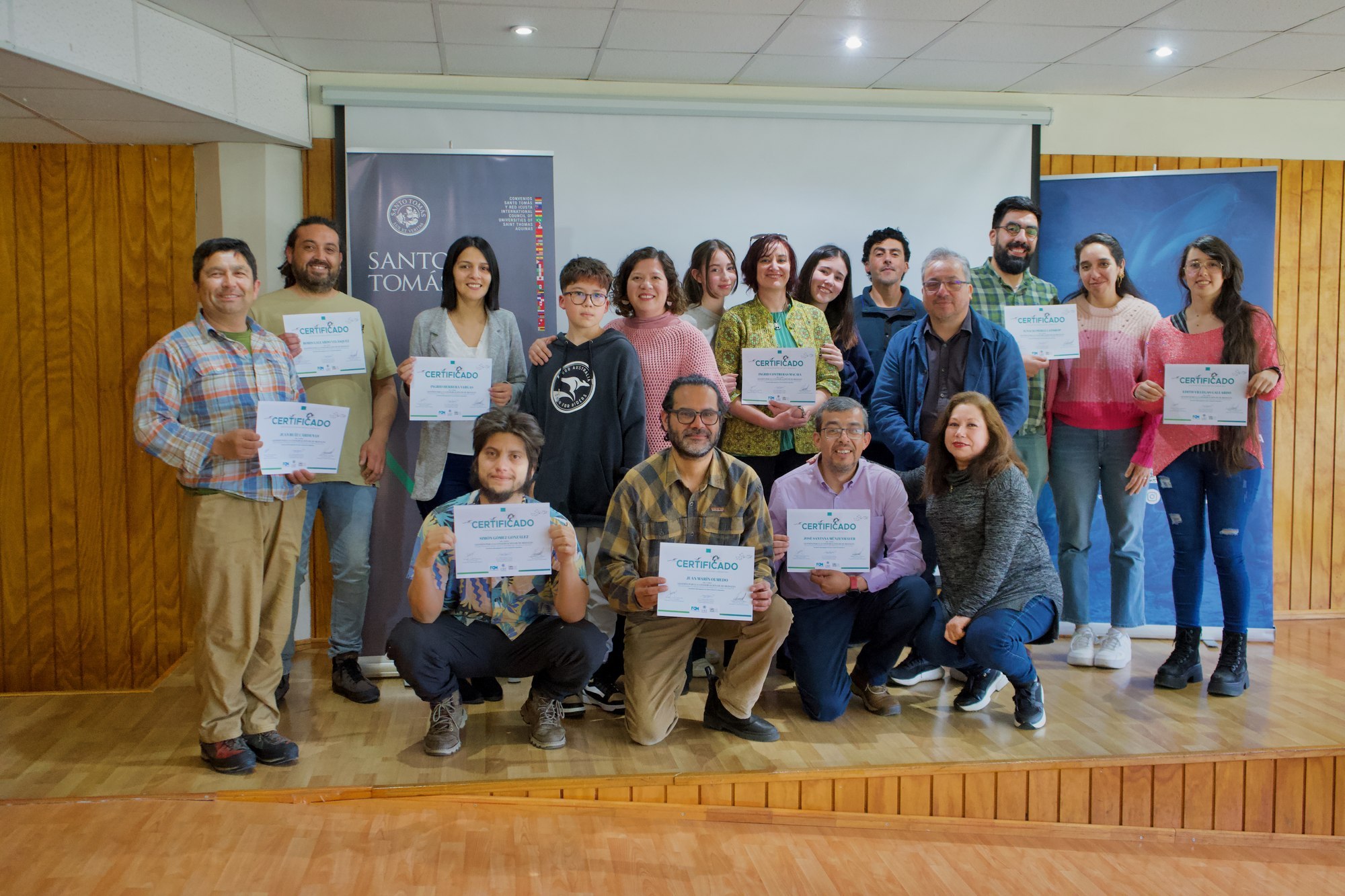
Growing interest in wetland protection in Chile, given the high value of these ecosystems and the threats affecting them, has made wetland conservation a regional priority. This poses a challenge for conservation and management, especially among local stakeholders directly connected to wetlands who, despite living alongside them and making decisions about these territories, often lack the basic tools needed for better conservation, management, and governance. This course seeks to close that educational gap by providing basic and applied knowledge for the management and conservation of wetlands important to migratory shorebirds in the Los Lagos Region. It is an advanced-level course first offered in 2019; six editions have been held to date, with 123 students participating. The course runs for 68 chronological hours across 12 thematic modules. Each participant must complete a final project to earn certification issued by FCM and accredited by Universidad Santo Tomás, Puerto Montt campus.
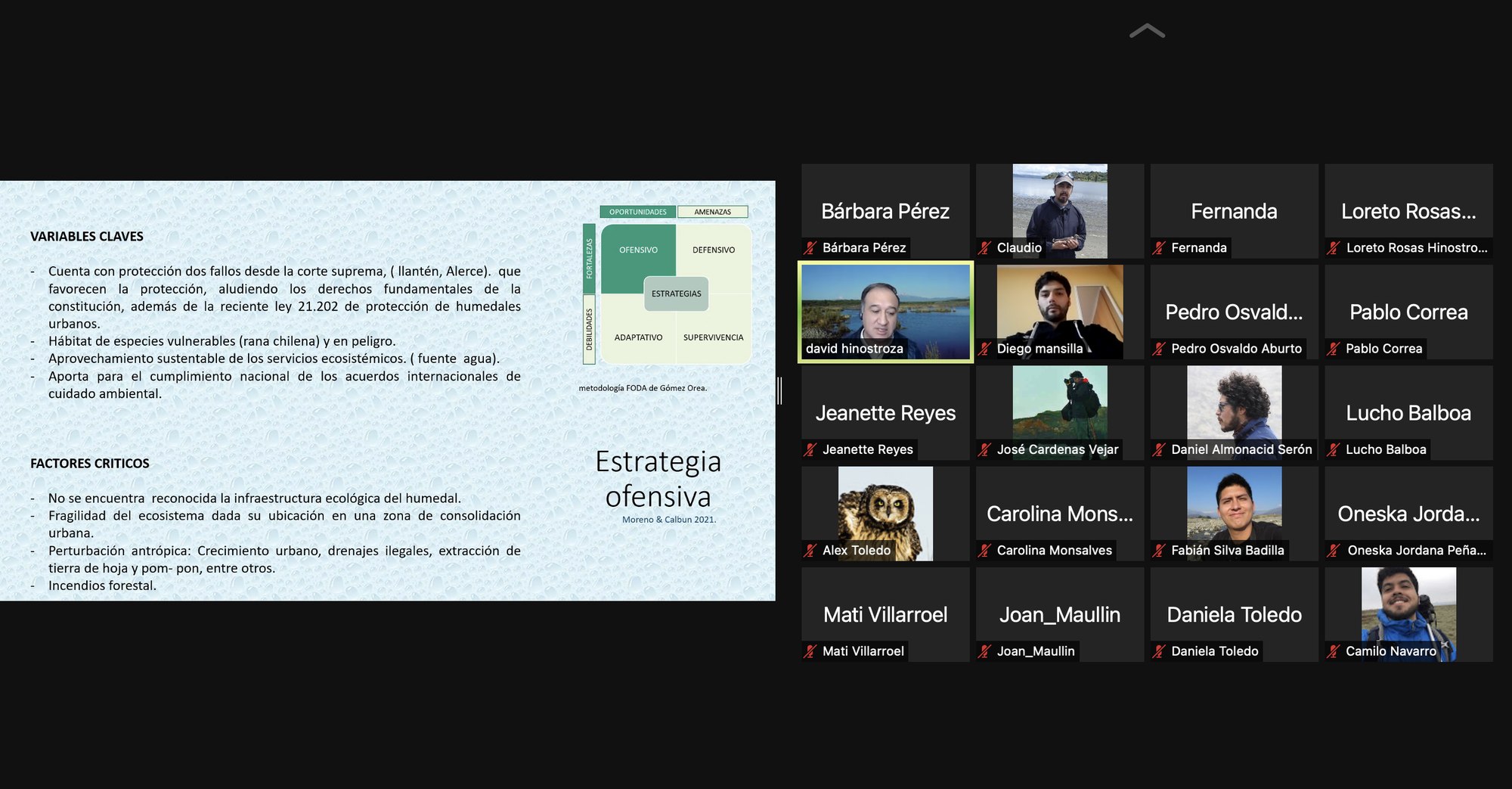
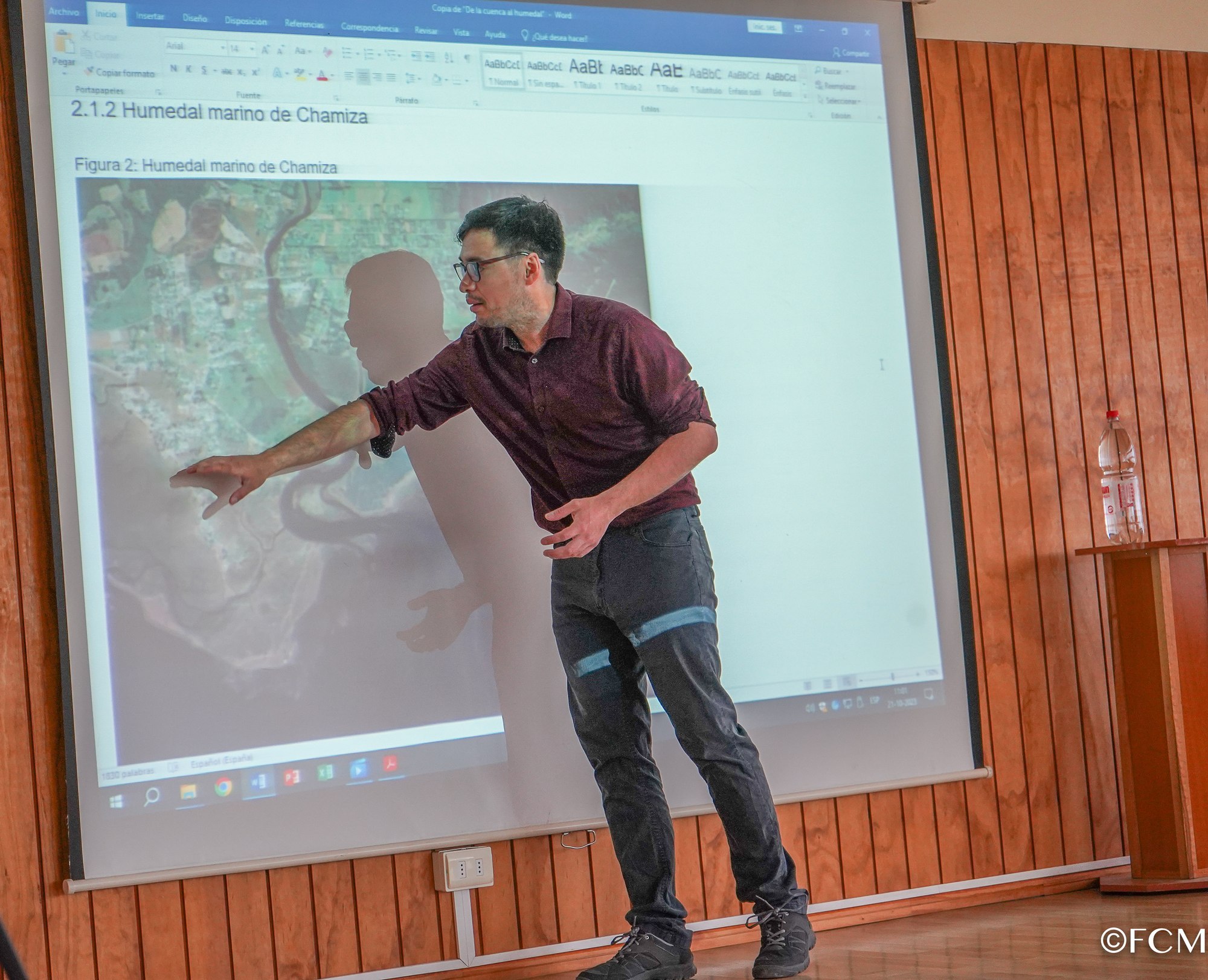
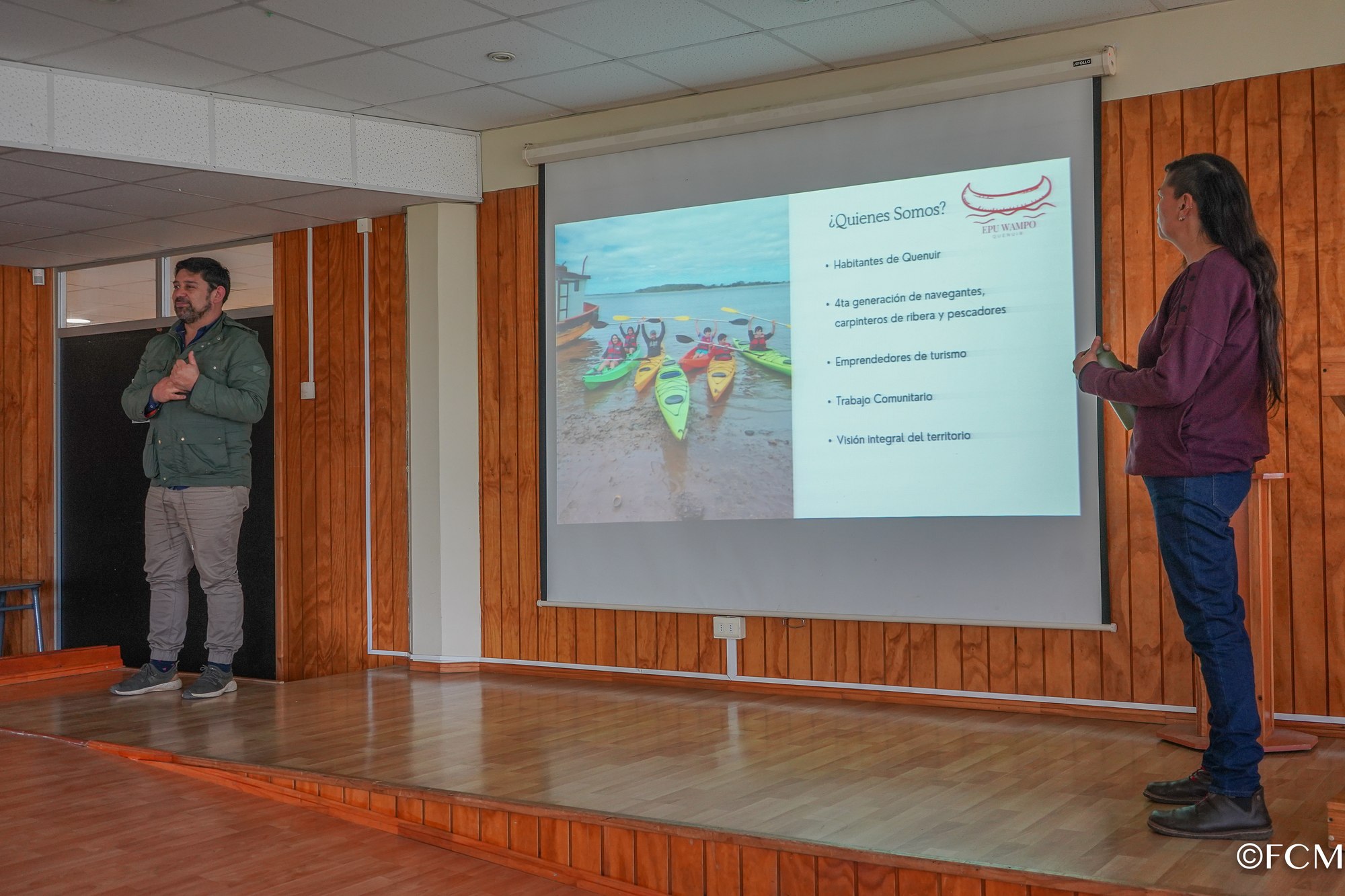
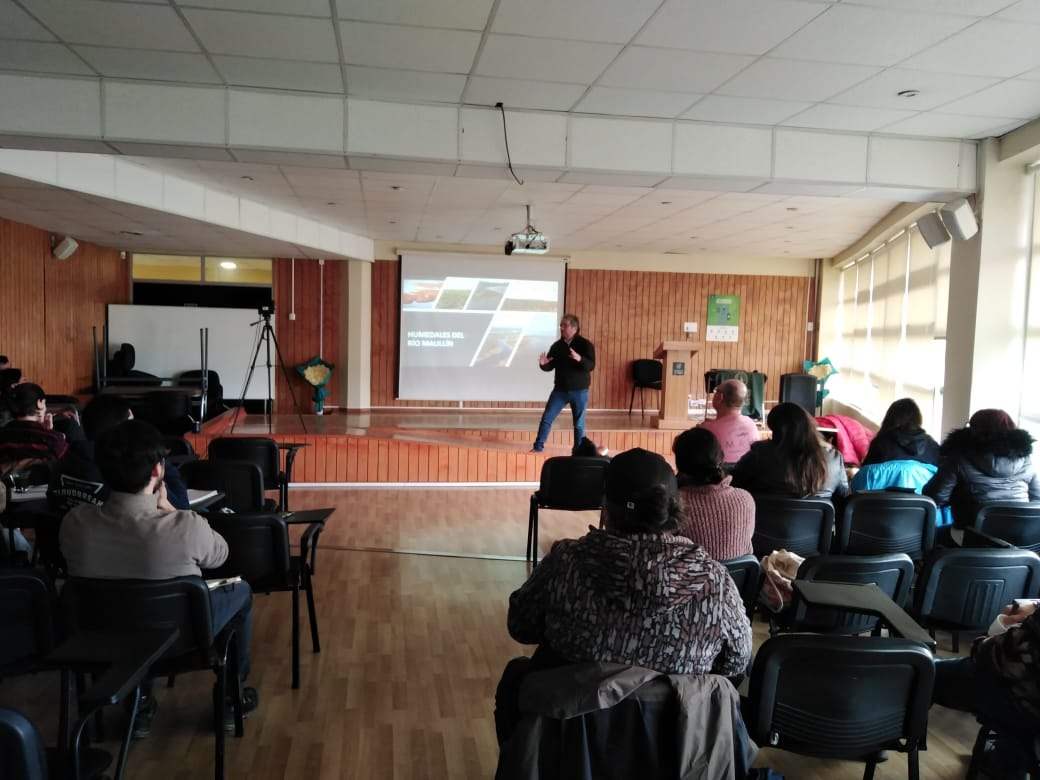
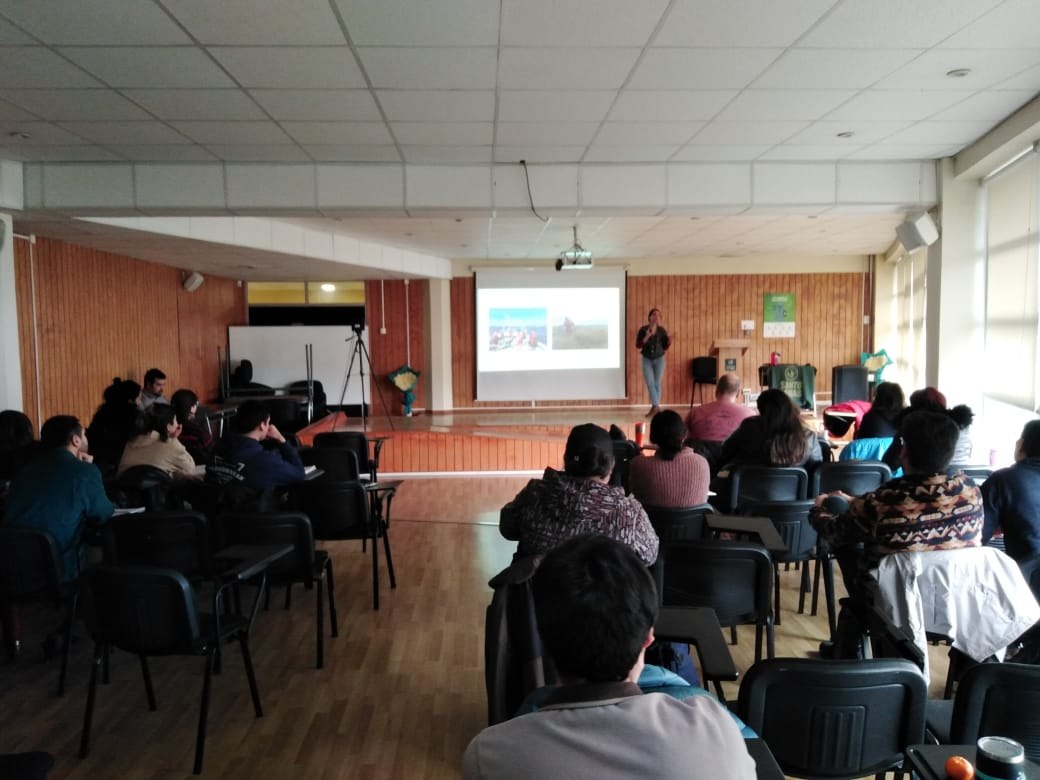
Since 2019, FCM has run the course "Wetland Conservation and Management" in partnership with Universidad Santo Tomás, Puerto Montt campus. It is aimed at municipal professionals, social leaders, students, and anyone interested from the communes adjacent to the Maullín River Wetlands, Curaco de Vélez Bay, Villa Quinchao Bay, Chamiza Marine Wetland, and Calbuco Wetlands Nature Sanctuaries. It is a training course that includes thematic modules on wetland ecology, ecosystem services, biodiversity, legal instruments for protection, peatland management, and good governance, among others. This project is carried out thanks to the financial support of the International Conservation Fund of Canada (ICFC). The course began in 2019 focused on people interested from the Maullín River basin; in 2020 and 2021, however, its geographic coverage expanded to include the provinces of Llanquihue and Chiloé.
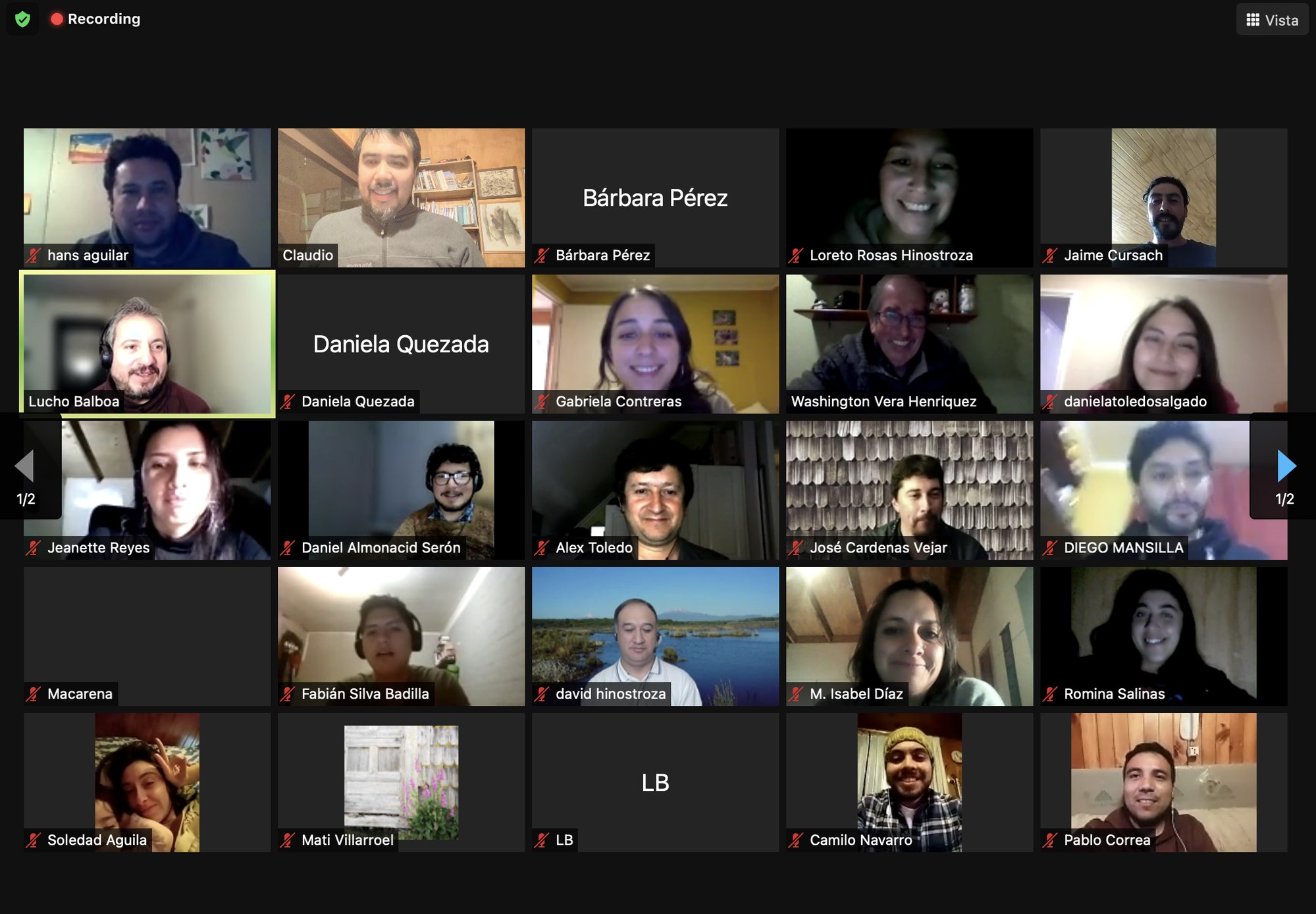
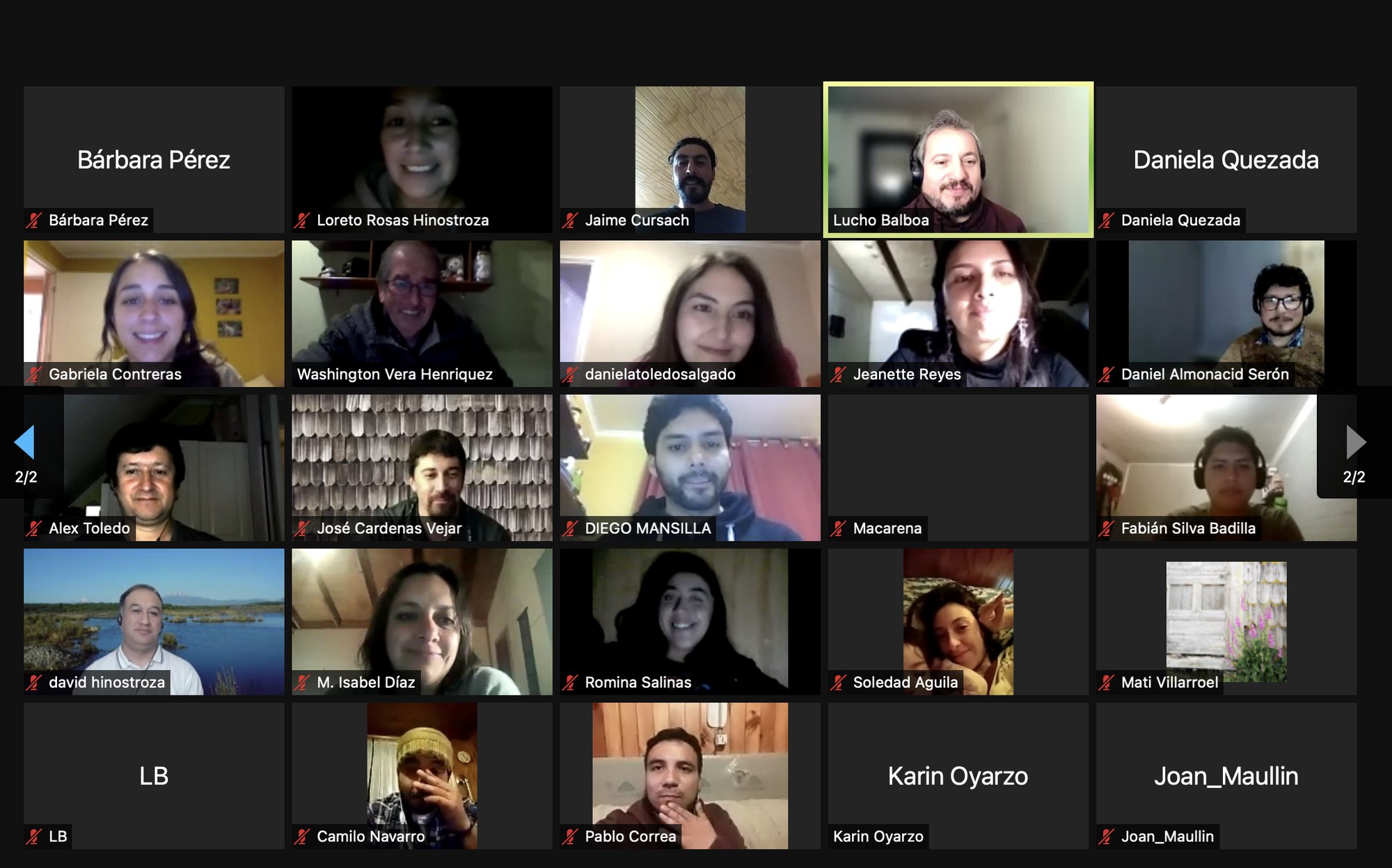
Across the three editions held, 85 people interested in wetland conservation have been trained, and the course was successfully adapted to a virtual format due to the COVID-19 pandemic in 2020 and 2021.