News
2026-08-15
2026-08-15
On August 15, 2026, a new session of Zarapitón de Invierno (Winter Godwit Count) was held — a citizen science initiative that brings together observers and volunteers to monitor waterbirds and shorebirds present in the coastal wetlands of southern Chile during the winter season.
The Zarapitón Program is developed collaboratively by Fundación Conservación Marina (FCM) and the Red de Observadores de Aves y Vida Silvestre de Chile (ROC), a partnership that since 2022 has strengthened a monitoring system based on citizen participation, the application of shared protocols, and coordinated censuses across various wetlands in the Los Lagos Region.
The winter session complements the counts carried out during the summer season and makes it possible to track how the bird community changes over the course of the year. Maintaining this continuity is especially important for identifying variations in abundance, distribution, and use of the wetlands, building a body of information that gains value the longer it is repeated over time.
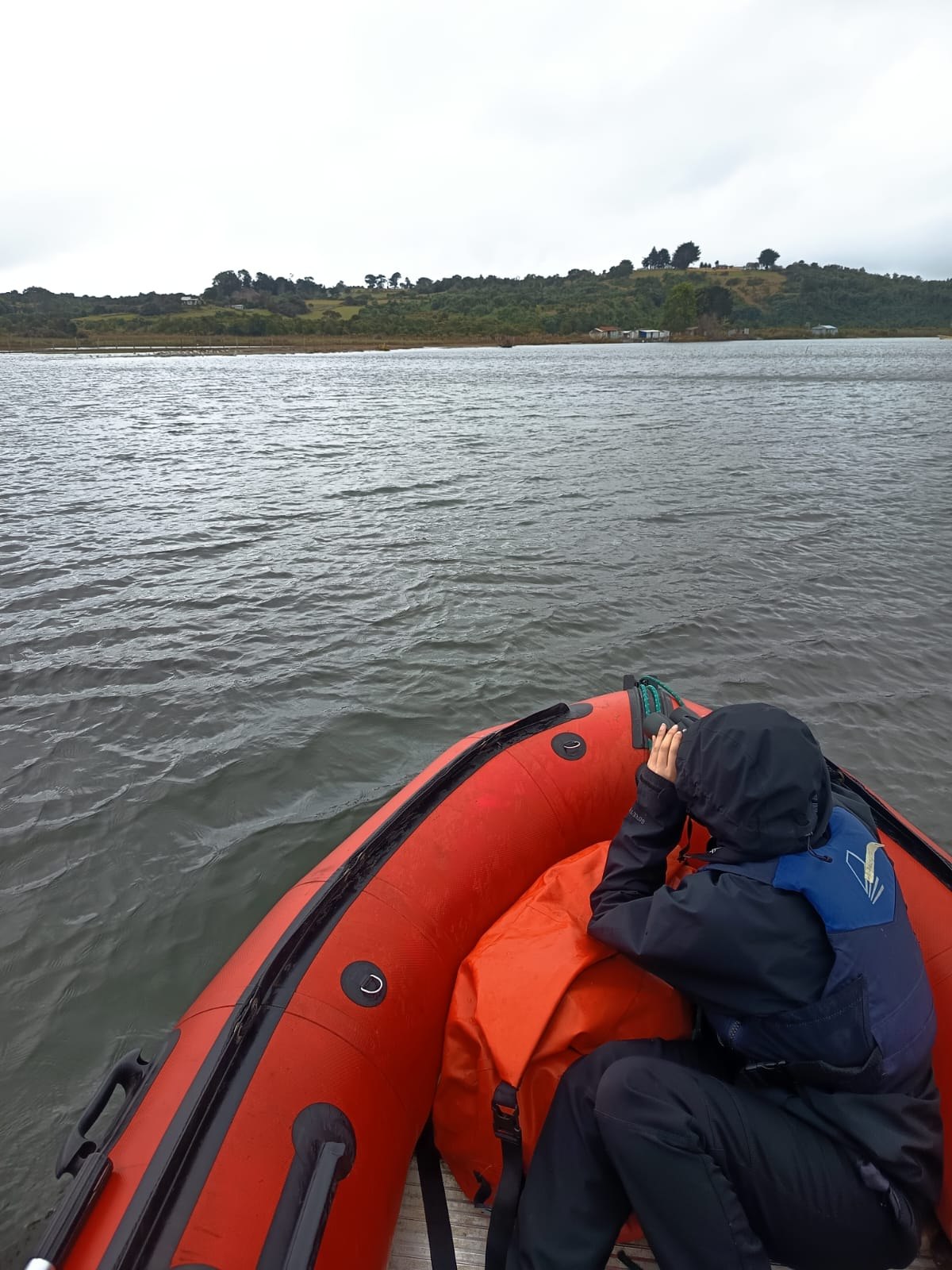
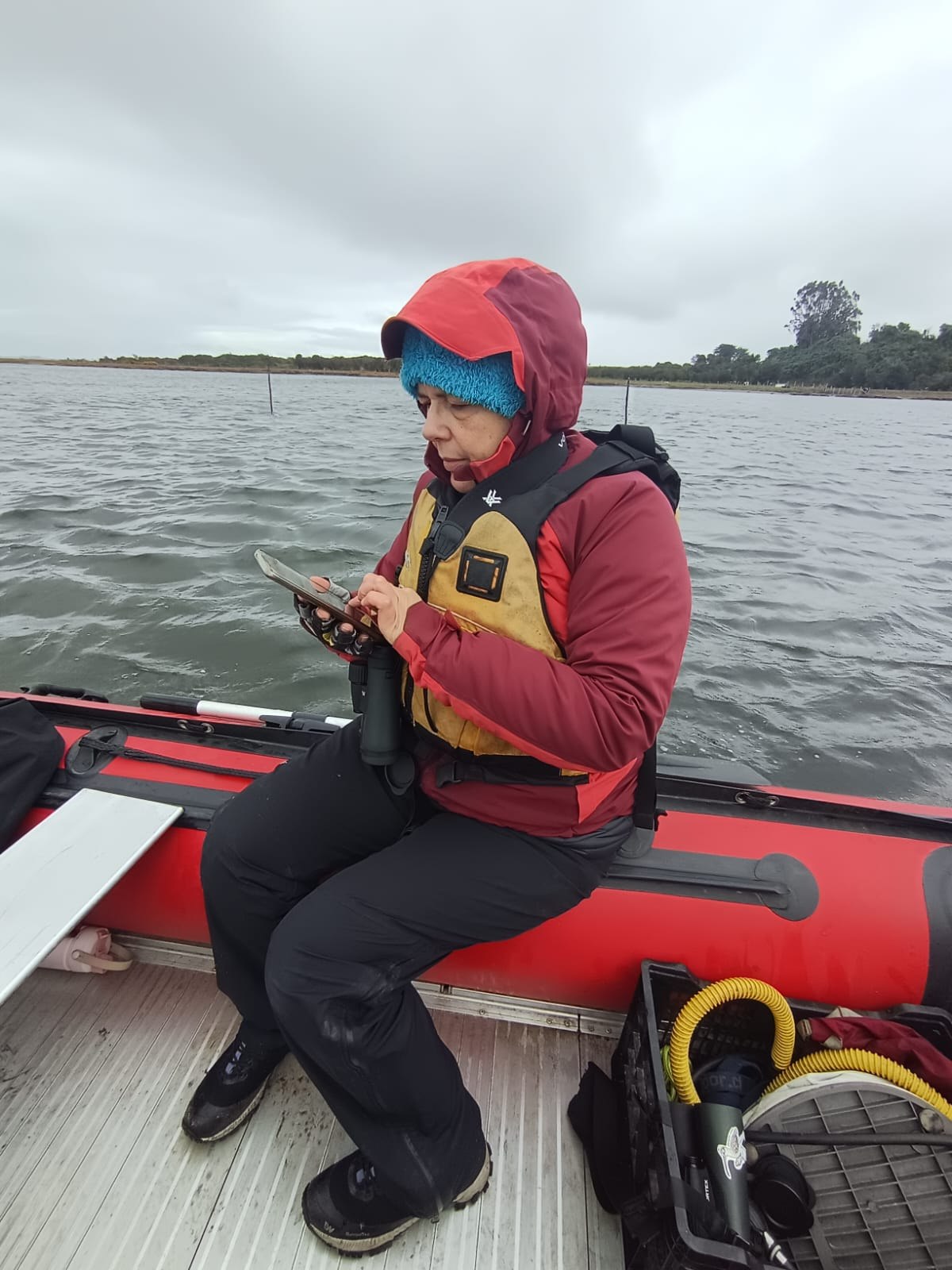
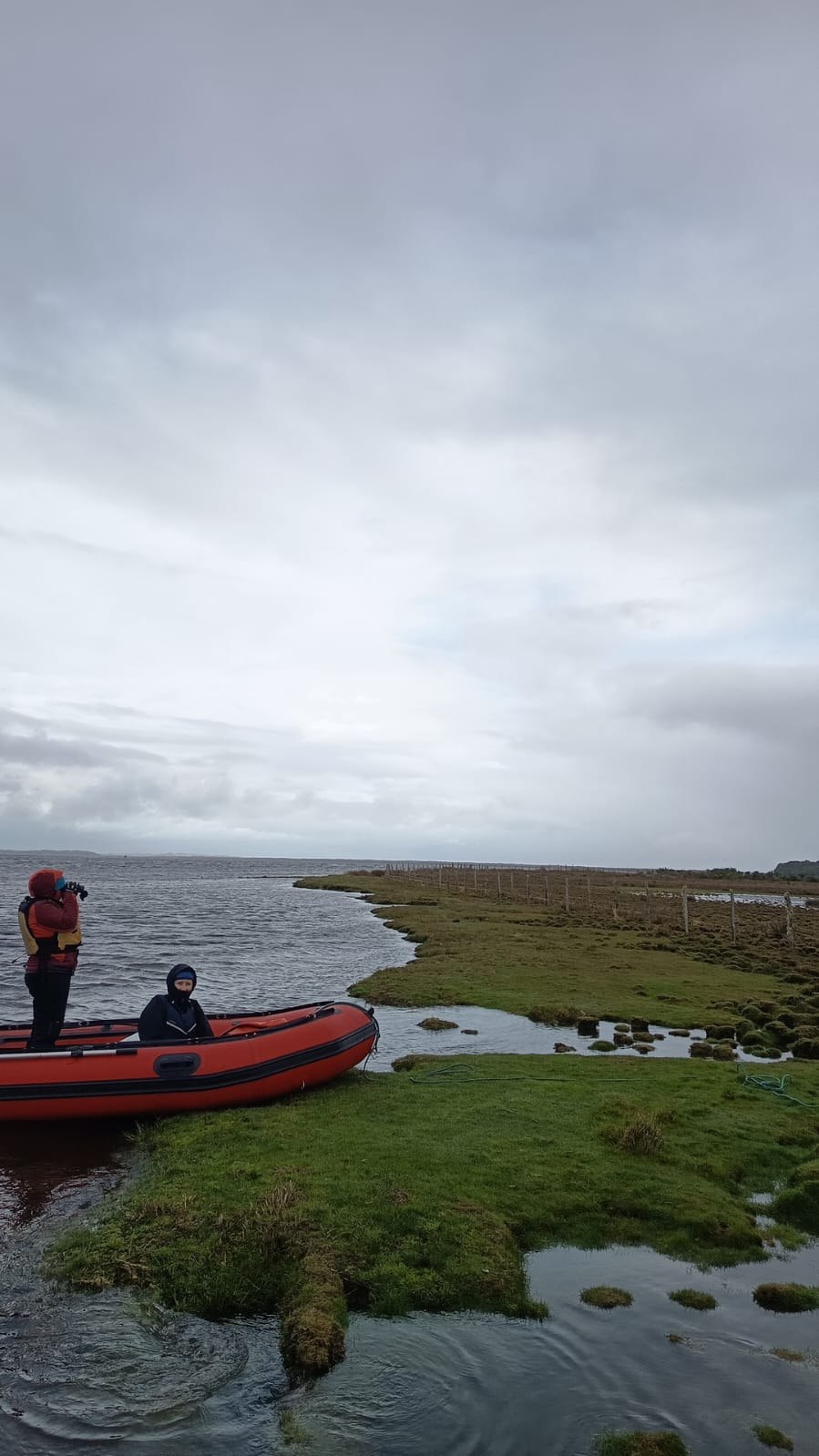
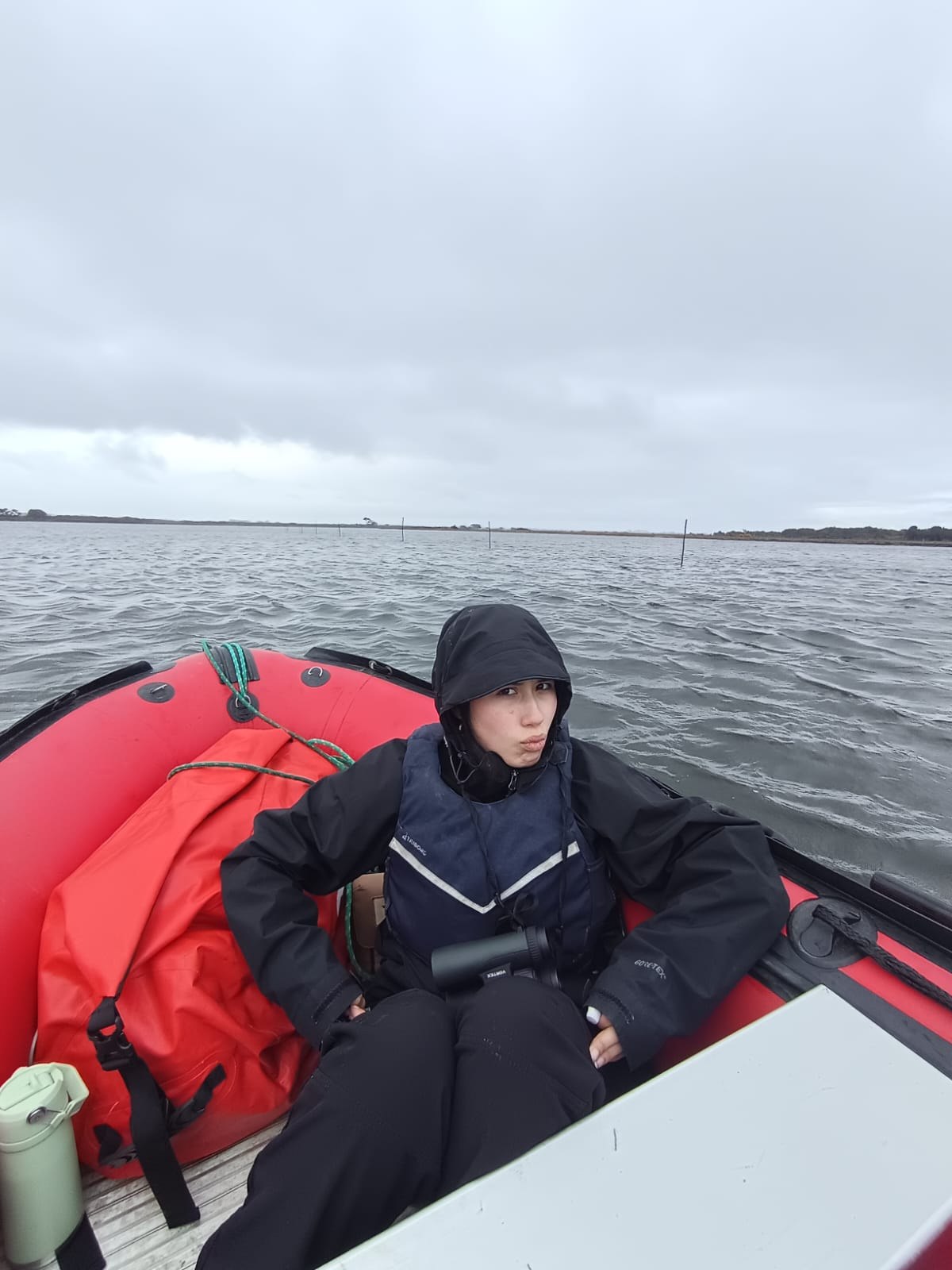
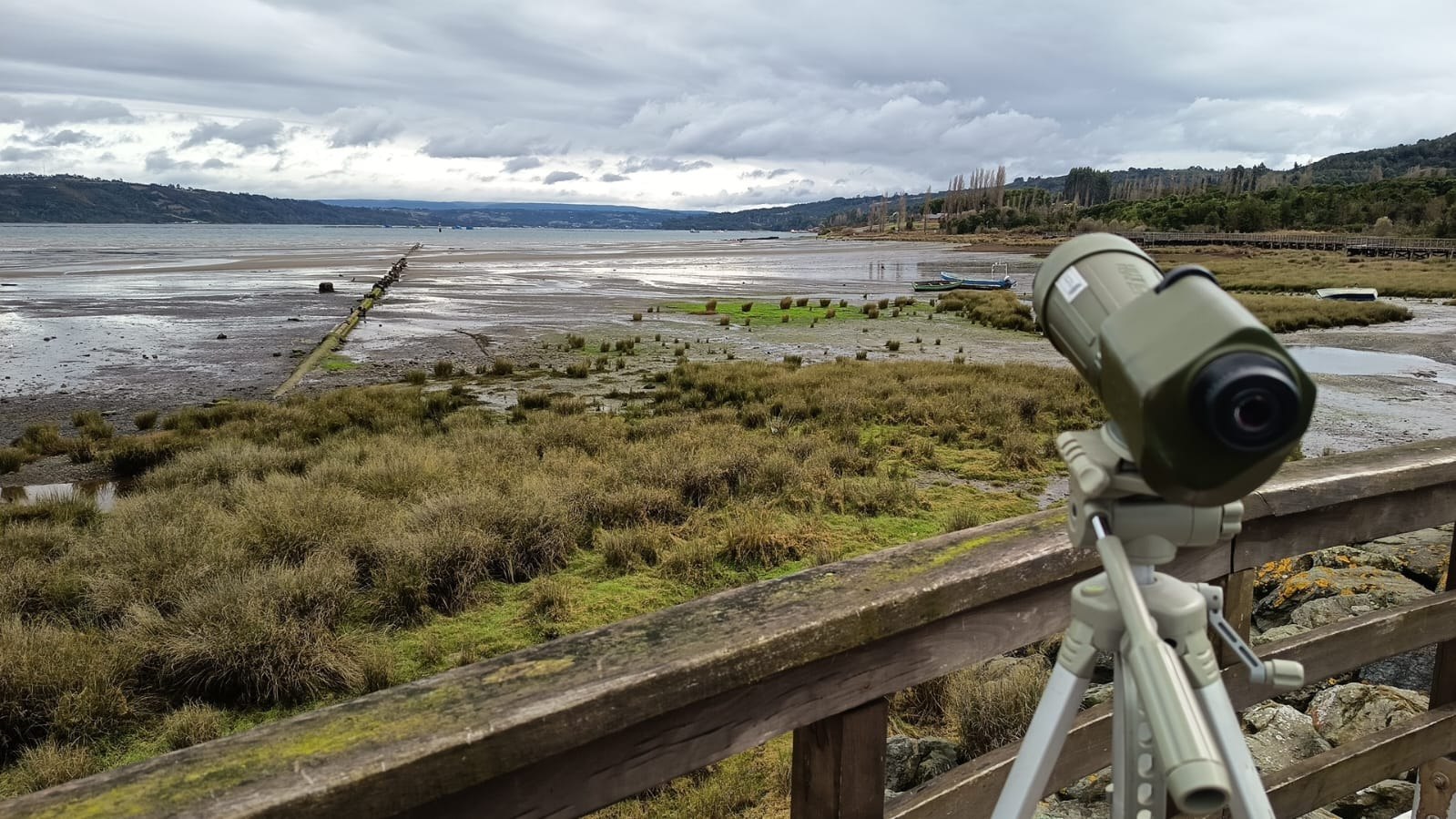
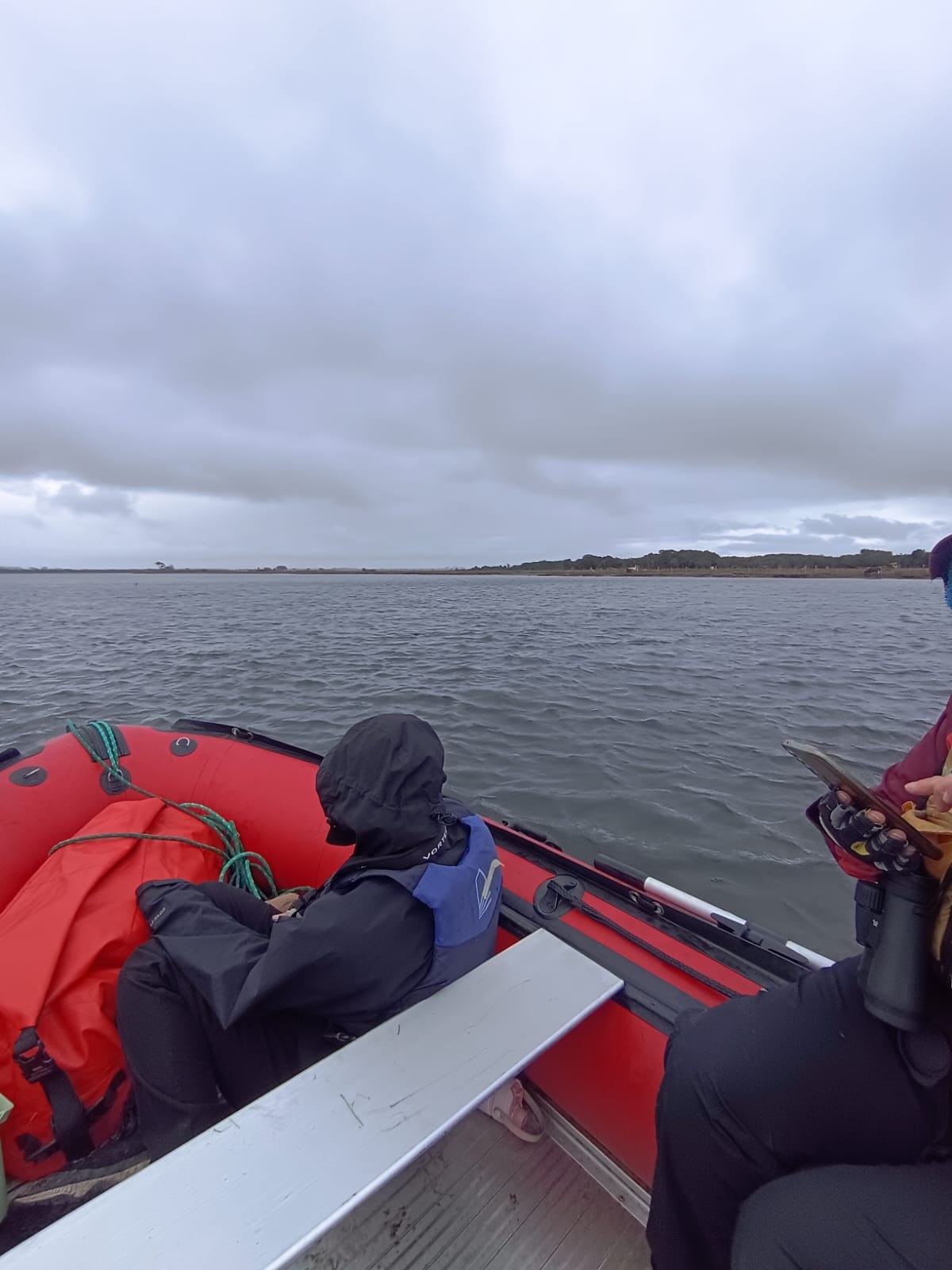
As this season's fieldwork shows, monitoring must adapt to the characteristics of each site. Teams made observations from land-based points using spotting scopes and binoculars, and in some sectors it was necessary to travel by boat to access and census intertidal areas and more isolated parts of the wetlands — all under the conditions typical of winter in southern Chile.
Beyond the data gathered in each count, one of the main strengths of Zarapitón is its collaborative nature. Observers with different levels of experience work toward a shared goal, building their skills in bird identification and counting while directly contributing information useful for conservation.
For FCM and ROC, citizen science is a particularly valuable tool for monitoring shorebirds. The sheer extent and dispersion of coastal wetlands make it difficult to obtain a regional picture using professional teams alone. Coordinated volunteer participation makes it possible to expand territorial coverage, repeat censuses, and maintain long-term monitoring of priority sites and species.
The data generated by Zarapitón also help improve understanding of wetlands that form part of an extensive network of sites used by resident and migratory birds. Repeating the counts in winter and summer helps clarify which sites are used year-round, which become more important during certain seasons, and how populations vary from year to year.
Zarapitón de Invierno 2026 thus reaffirms an idea at the heart of the program: bird conservation can also be built from the ground up, through citizen participation. Every observation, every site surveyed, and every day carried out collectively adds one more piece to understanding and protecting the coastal wetlands of southern Chile.