News
2026-05-15
2026-05-15
During the first half of 2026, the Curaco de Vélez Bay, Quinchao Bay, and Maullín River Wetlands Nature Sanctuaries formally began their recategorization processes under Law No. 21,600, which created the Biodiversity and Protected Areas Service (SBAP) and established a new national system of protected areas.
This process is especially relevant for the network of protected marine wetlands where Fundación Conservación Marina carries out shorebird conservation actions, strengthens local governance, and conducts scientific monitoring and habitat management. Recategorization will make it possible to review each sanctuary's legal status and integrate it into the new protection framework, seeking to preserve or strengthen the objectives for which they were created.
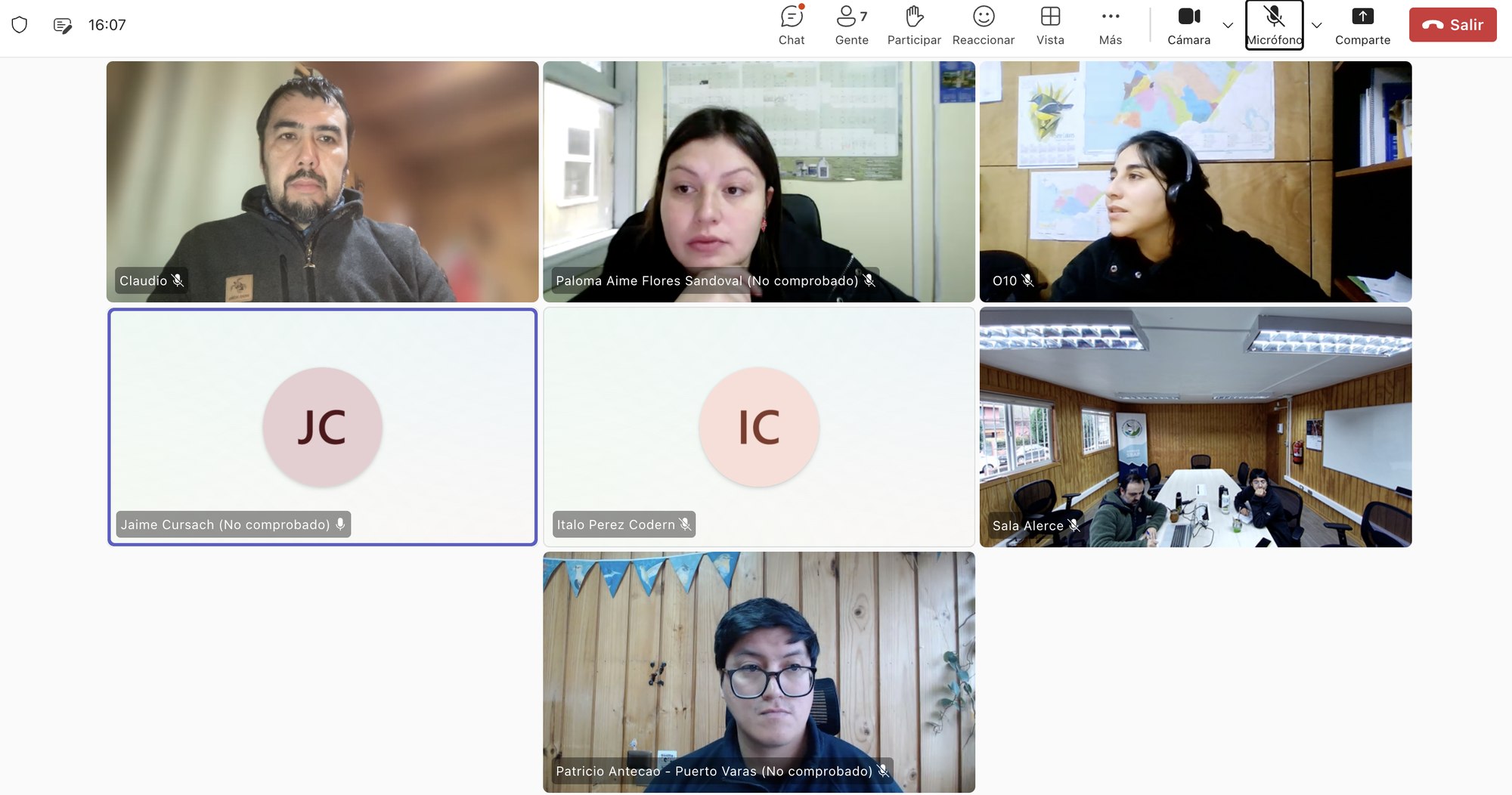
In Curaco de Vélez Bay, the Governance Roundtable held regular meetings on March 19 and May 15. These sessions reviewed progress made during 2025, set priorities for five management programs, and worked together with SBAP's Regional Directorate to identify the most suitable protection category for the site.
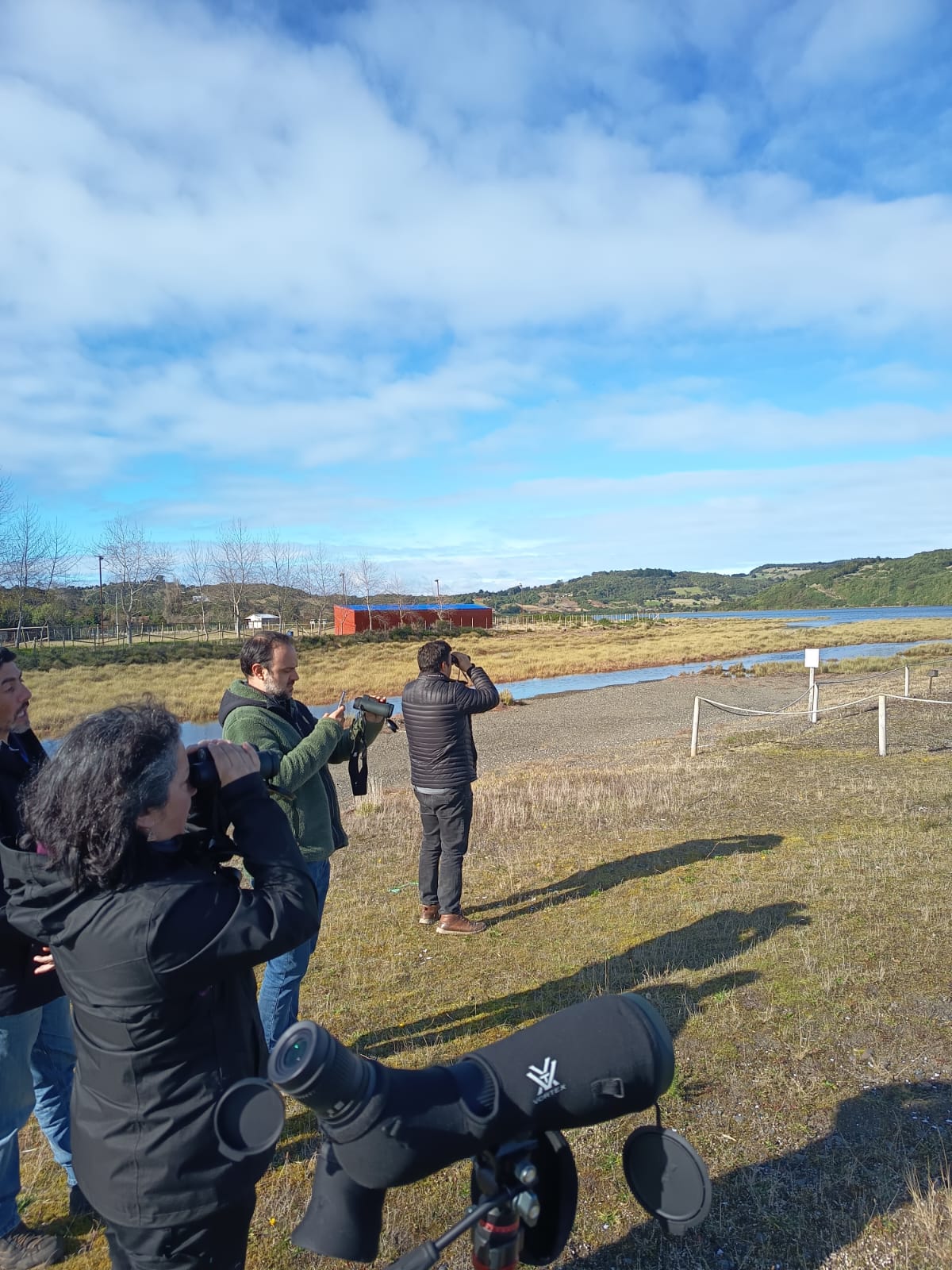
In Quinchao Bay, meetings were held with the sanctuary's management team, SBAP's regional directorate, and the commune's mayor. A technical visit also allowed for an on-site review of the American oystercatcher's breeding area and the infrastructure in place to protect this critical habitat.
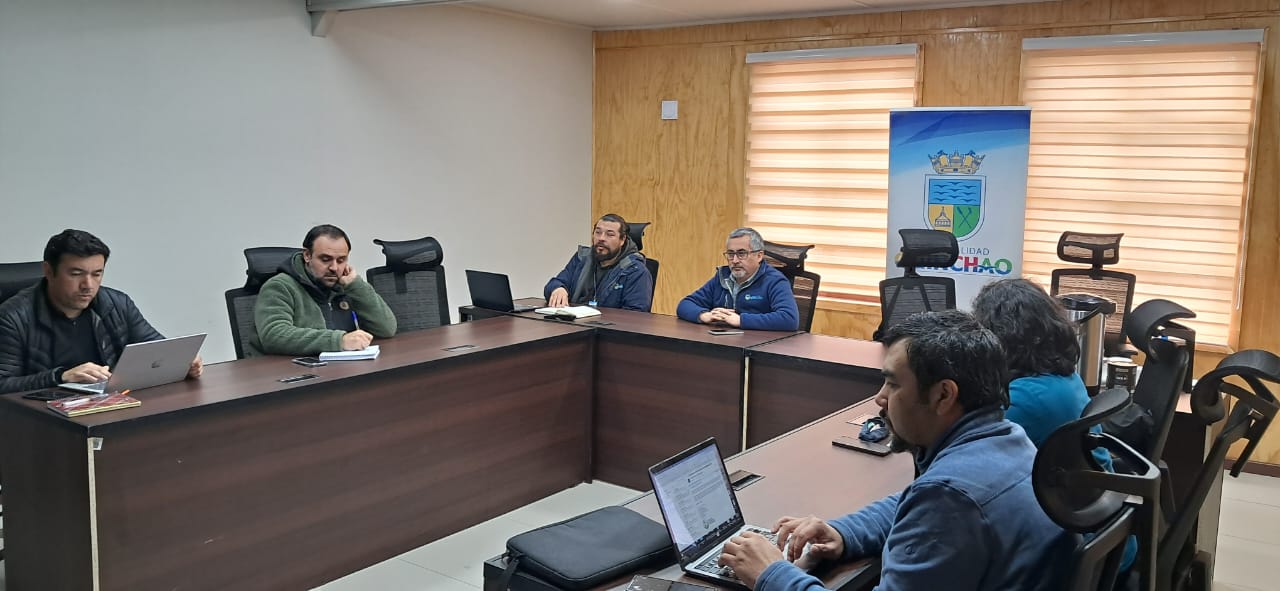
In the Maullín River Wetlands, FCM met with the new head of the municipal environmental office and took part in a joint meeting with SBAP, the Municipality of Maullín, and representatives from four neighboring municipalities. This coordination is essential because the sanctuary spans several communes and requires inter-municipal agreements for effective management.
Simultaneous progress across the three sites reflects favorable institutional coordination and active participation by municipalities, public agencies, local organizations, and sanctuary administrations. This work aims to ensure that the transition to the new national system strengthens the protection of wetlands essential to the Hudsonian godwit, the American oystercatcher, and numerous resident and migratory waterbirds.
These actions are part of the shorebird conservation site-strengthening project, implemented by Fundación Conservación Marina with support from Biome Conservation and RHRAP.