News
2026-10-09
2026-10-09
The session reviewed progress in the conservation and management of the Sanctuary, presented new results from the ecological monitoring of its wetlands, and addressed challenges related to the protection of migratory birds, responsible pet ownership, and the management of environmental threats.
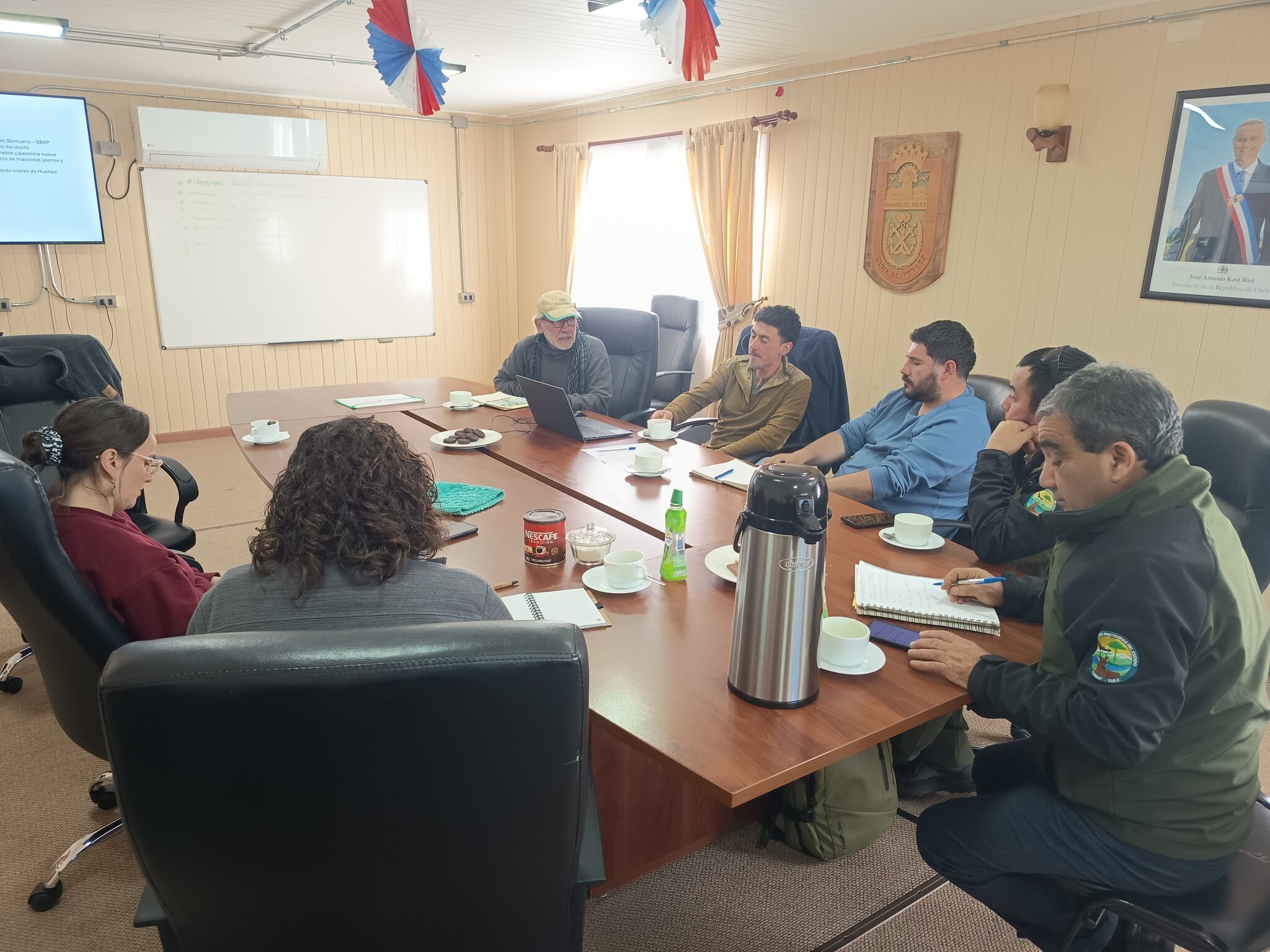
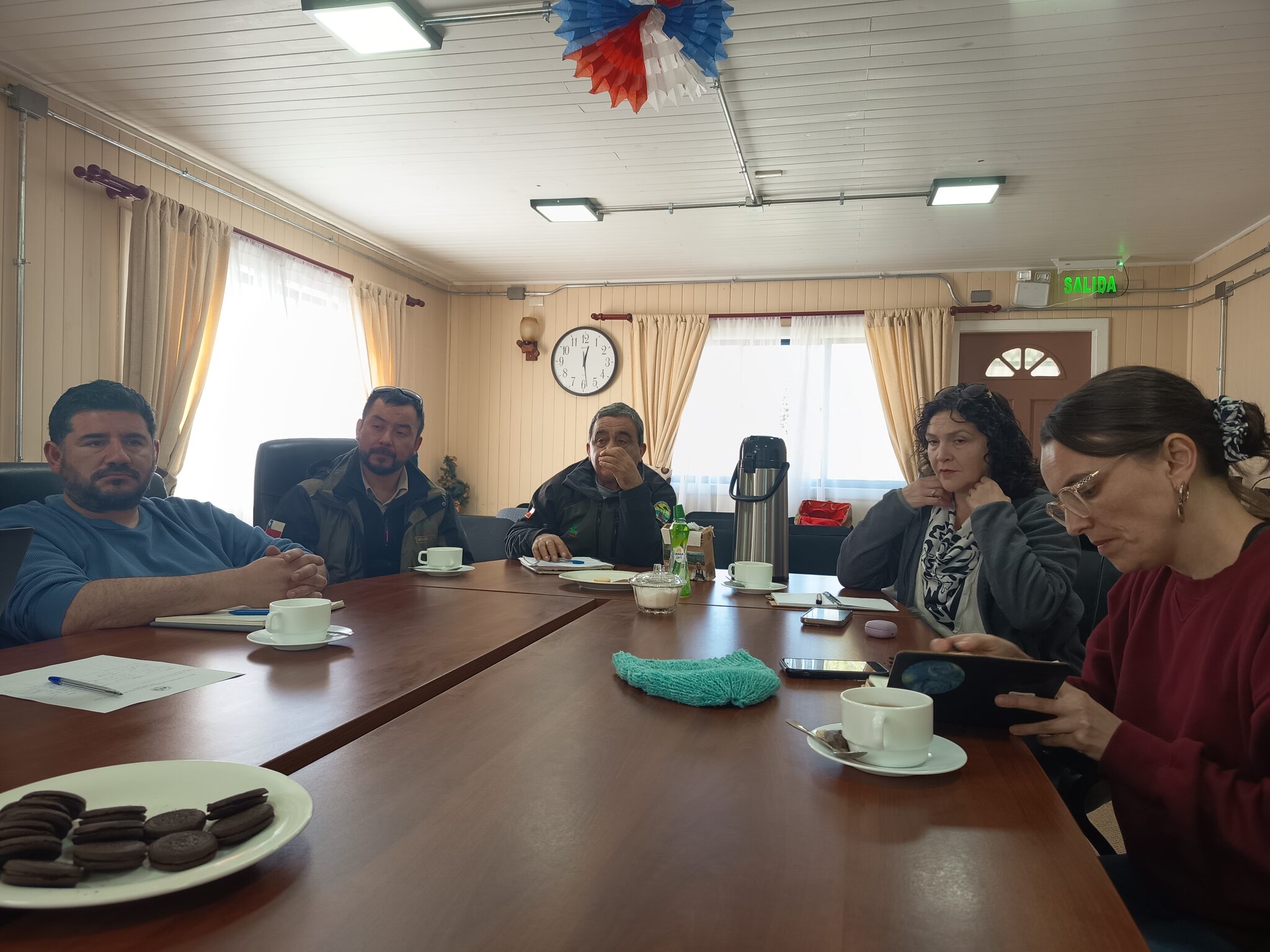
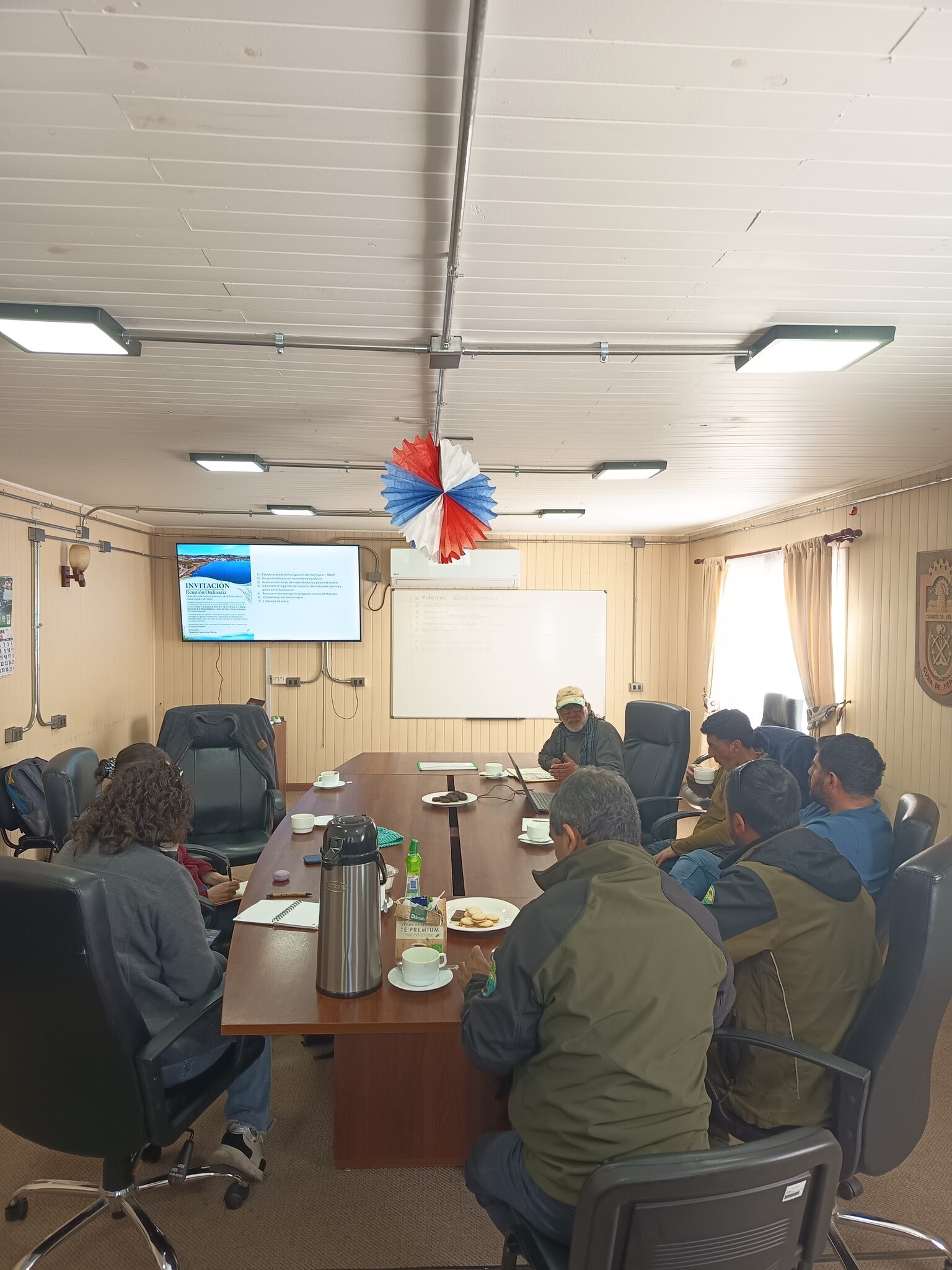
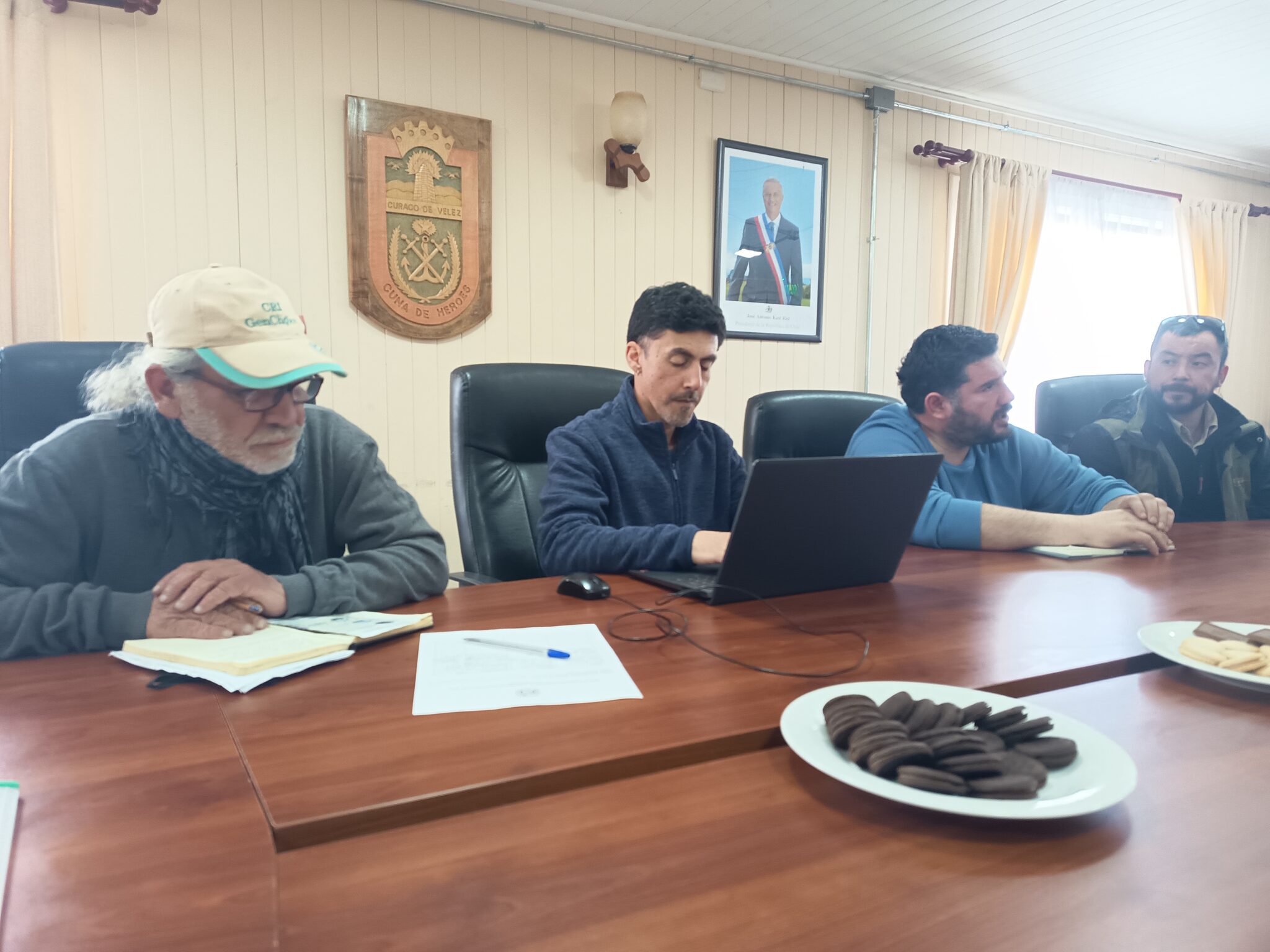
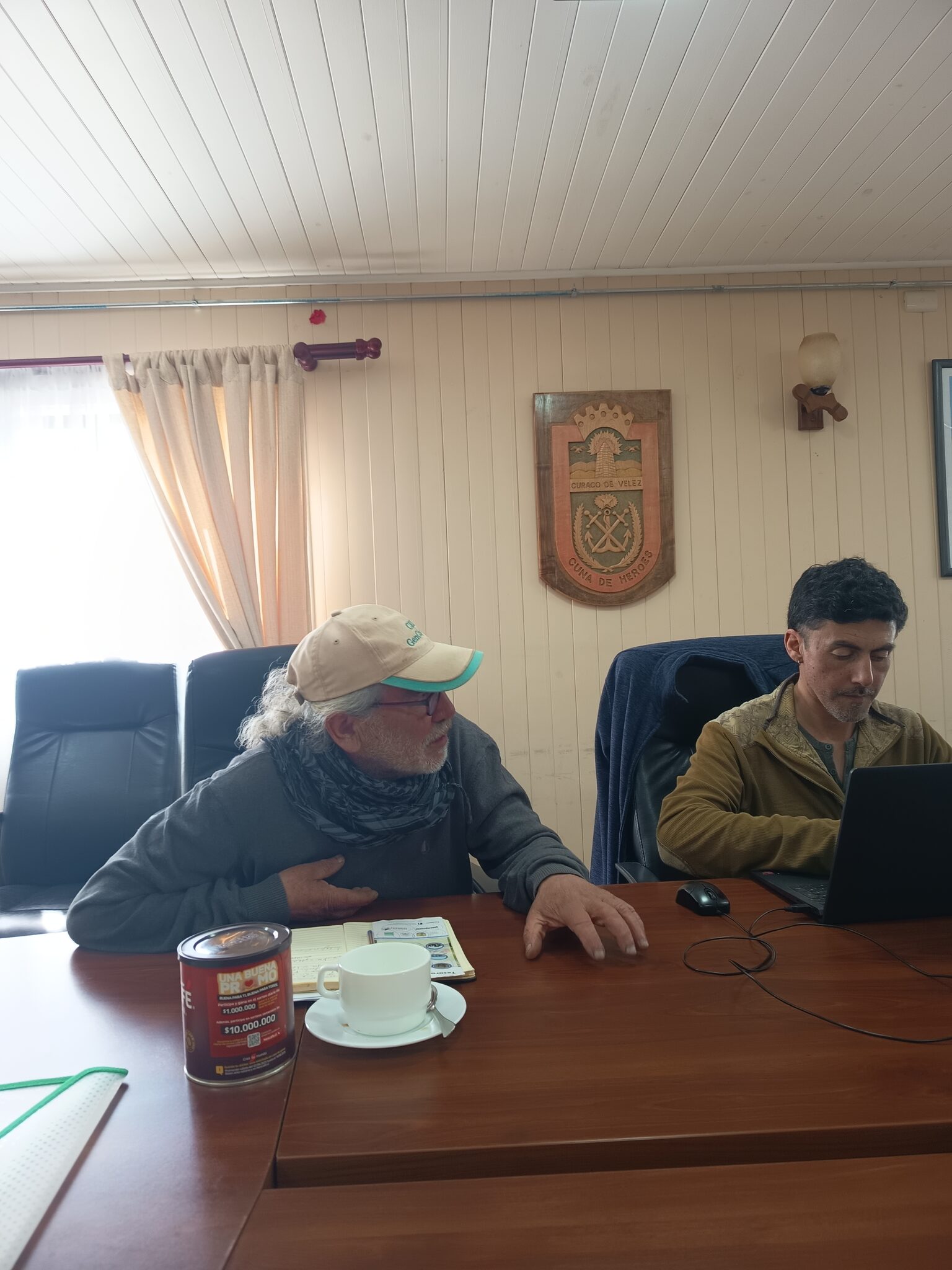
On Friday, October 9, the third meeting of the Governance Board of the Bahía Curaco de Vélez Nature Sanctuary was held at the Municipality of Curaco de Vélez, Quinchao Island, Chiloé. The board is part of the coordination and participation efforts aimed at strengthening the management and conservation of this protected area, recognized for its importance to migratory shorebirds and the biodiversity of coastal wetlands.
During the meeting, several matters related to the management of the Sanctuary were reviewed, including the process of homologating its protection category before the Biodiversity and Protected Areas Service (SBAP), the status of the debris associated with the old pipeline, household-origin pollution, and the planning of coastline clean-up actions.
Initiatives to reduce the impacts of dogs and cats on wildlife were also addressed, along with progress on the swan conservation project in Huenao Bay.
New Scientific Evidence for the Conservation of the Sanctuary
One of the main topics of the session was the presentation of results from the benthic macroinvertebrate monitoring program that Fundación Conservación Marina carries out in the Sanctuary.
The study, conducted through a network of 12 sampling stations, recorded 35 invertebrate species associated with intertidal sediments. The results show marked differences in abundance between the periods assessed, rising from approximately 7,000 individuals per square meter in July 2025 to more than 22,000 in April 2026.
These organisms, especially polychaetes and small crustaceans, are an important food source for migratory shorebirds, including the Hudsonian Godwit (Limosa haemastica), a species that uses the bay during its stay in southern Chile.
Results were also shared from an assessment of how the Sanctuary's new boardwalk is working, based on the analysis of images captured by monitoring cameras between 2024 and 2025.
Strengthening Governance and Wetland Conservation
The third meeting gave continuity to the work of the Governance Board as a coordination space to address the conservation needs of the Sanctuary and to promote management based on scientific information, local participation, and institutional collaboration.
For Fundación Conservación Marina, these spaces are essential to move toward effective protection of Chiloé's coastal wetlands, integrating ecological knowledge with territorial management actions and community participation.
Continued collaborative work and environmental monitoring will be key to addressing the threats facing the Sanctuary and ensuring the conservation of one of the archipelago's most important wetlands for migratory shorebirds.