News
2026-11-12
2026-11-12
The gathering brought together specialists, public-sector professionals, and local stakeholders to analyze the impacts of dogs and cats on biodiversity and public health, and the challenges of responsible pet ownership in the wetlands of Chiloé.
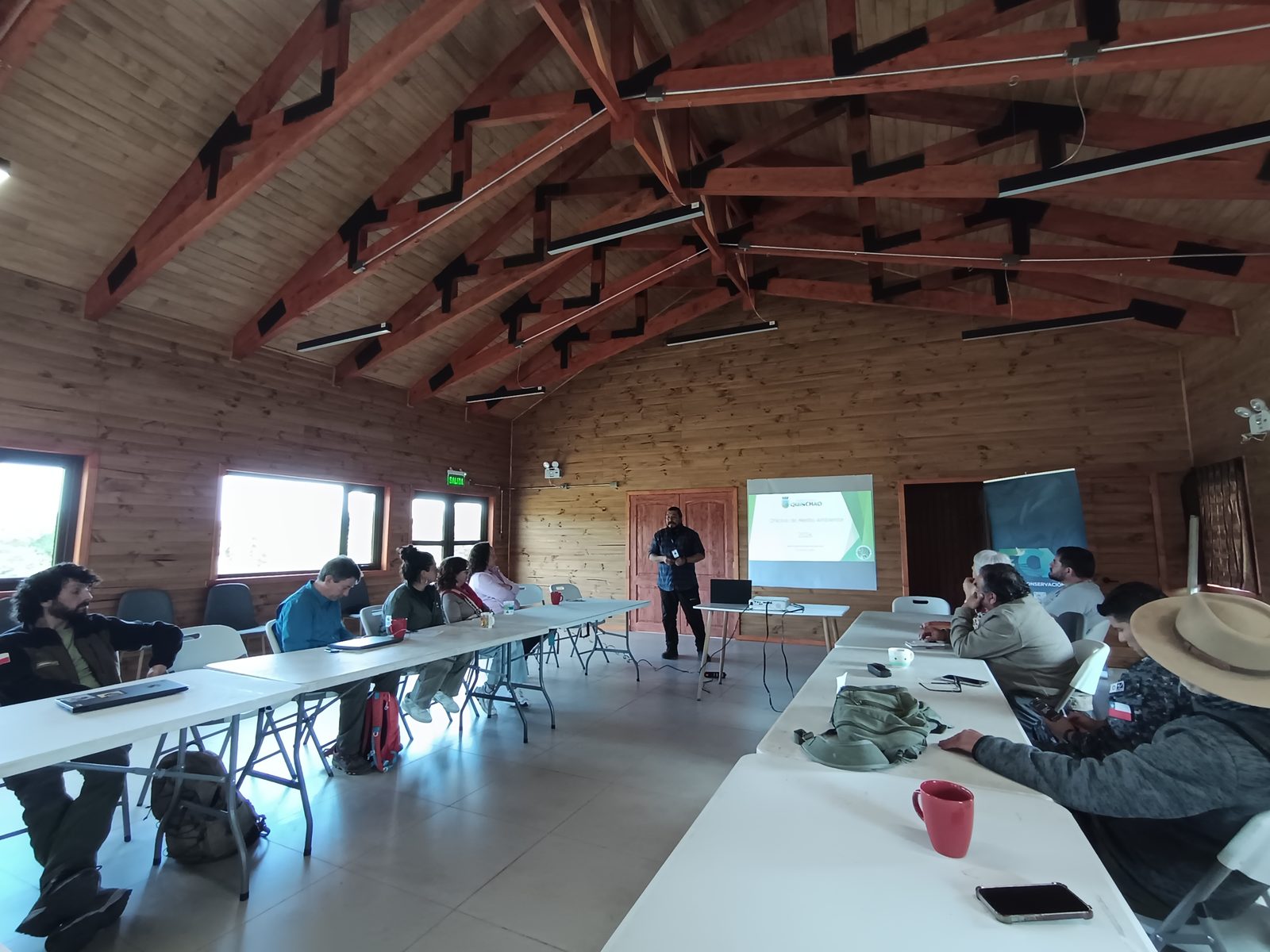
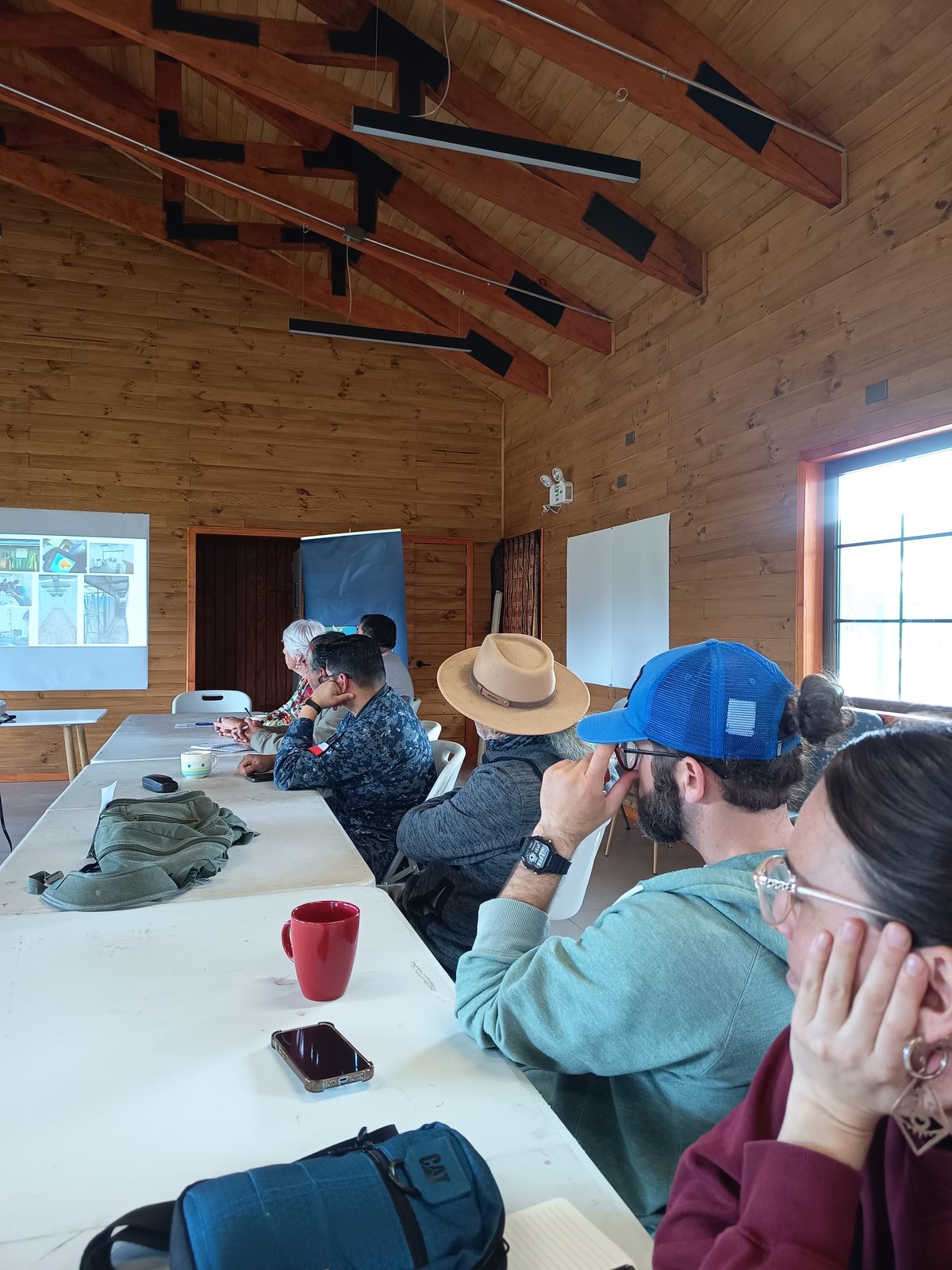
On Thursday, November 12, 2026, the seminar “Responsible Pet Ownership and Protected Areas” was held at the Villa Bicentenario Community Center in Curaco de Vélez: a day of knowledge and experience sharing aimed at promoting responsible coexistence between people, their companion animals, and wildlife.
The event was attended by Fundación Conservación Marina (FCM), representatives of public institutions, and specialists in biodiversity conservation, environmental management, and public health.
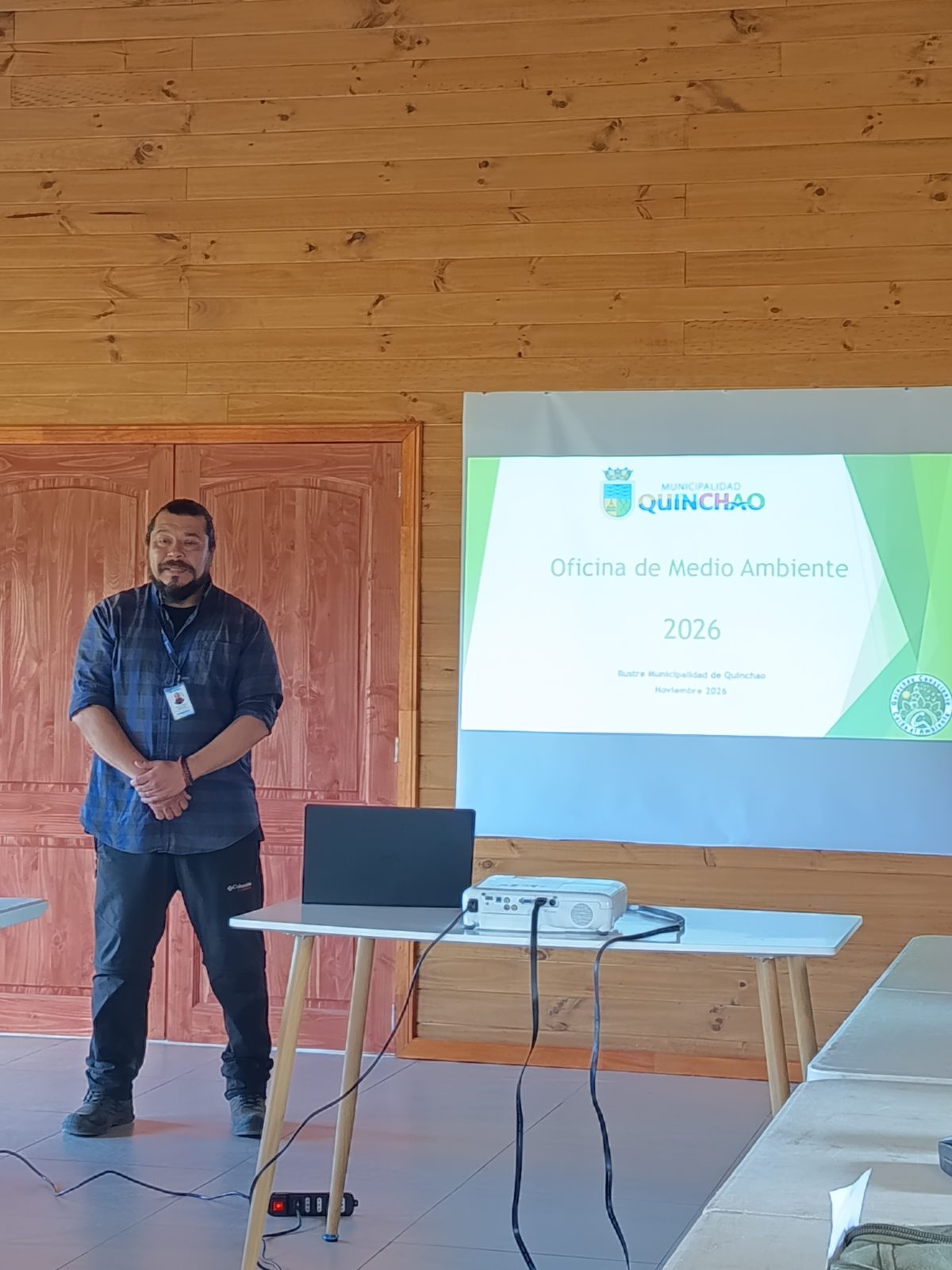
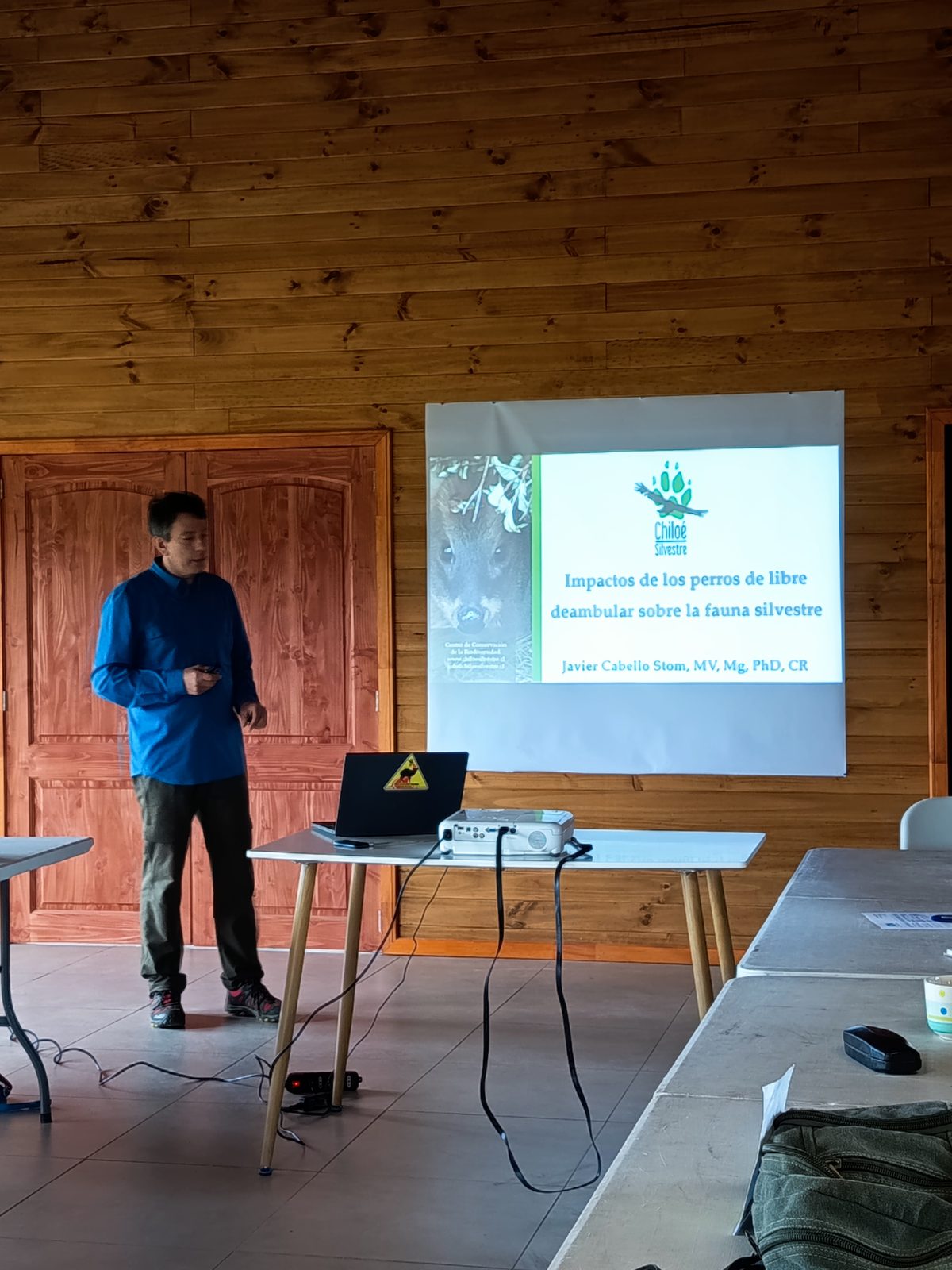
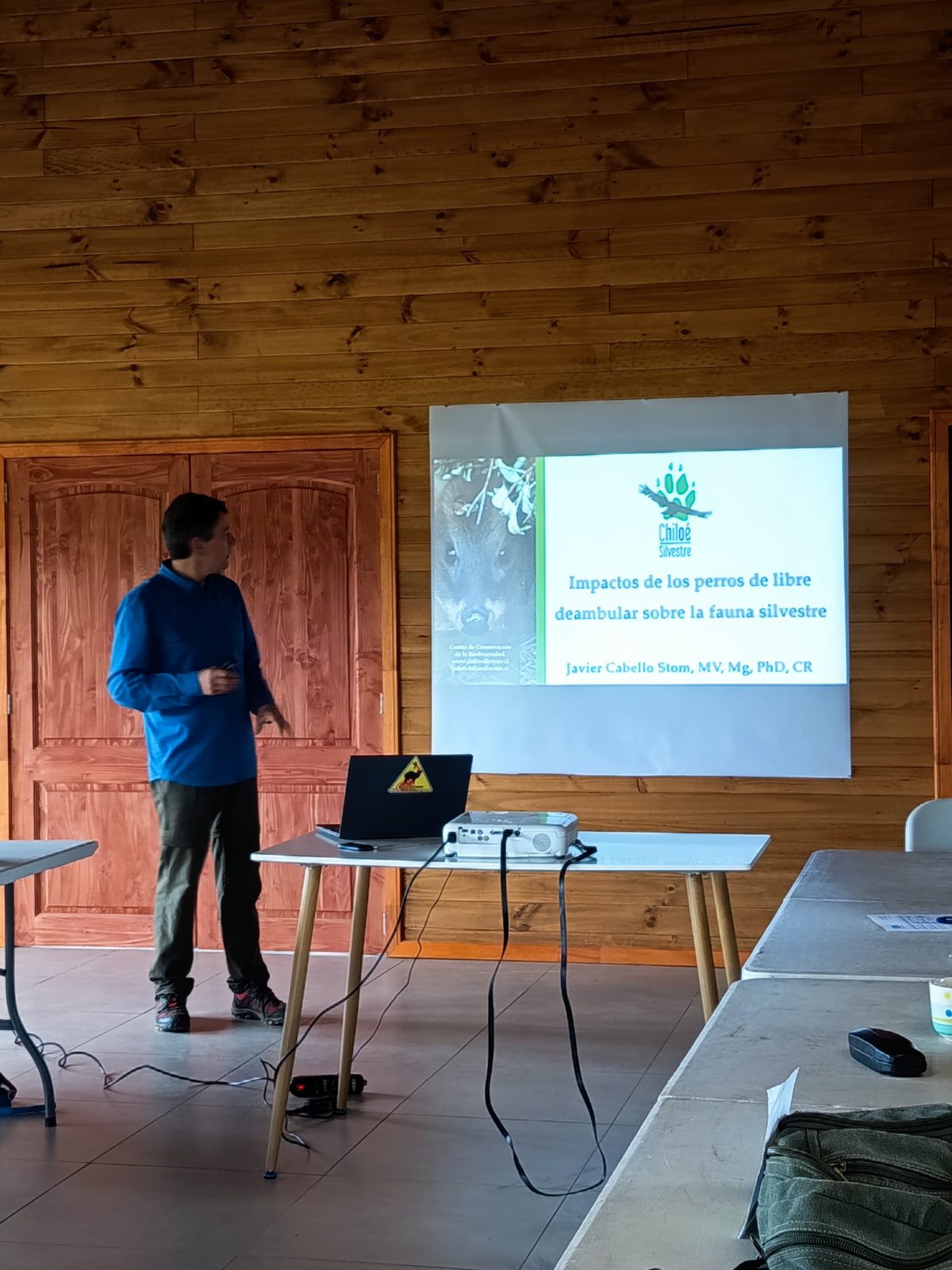
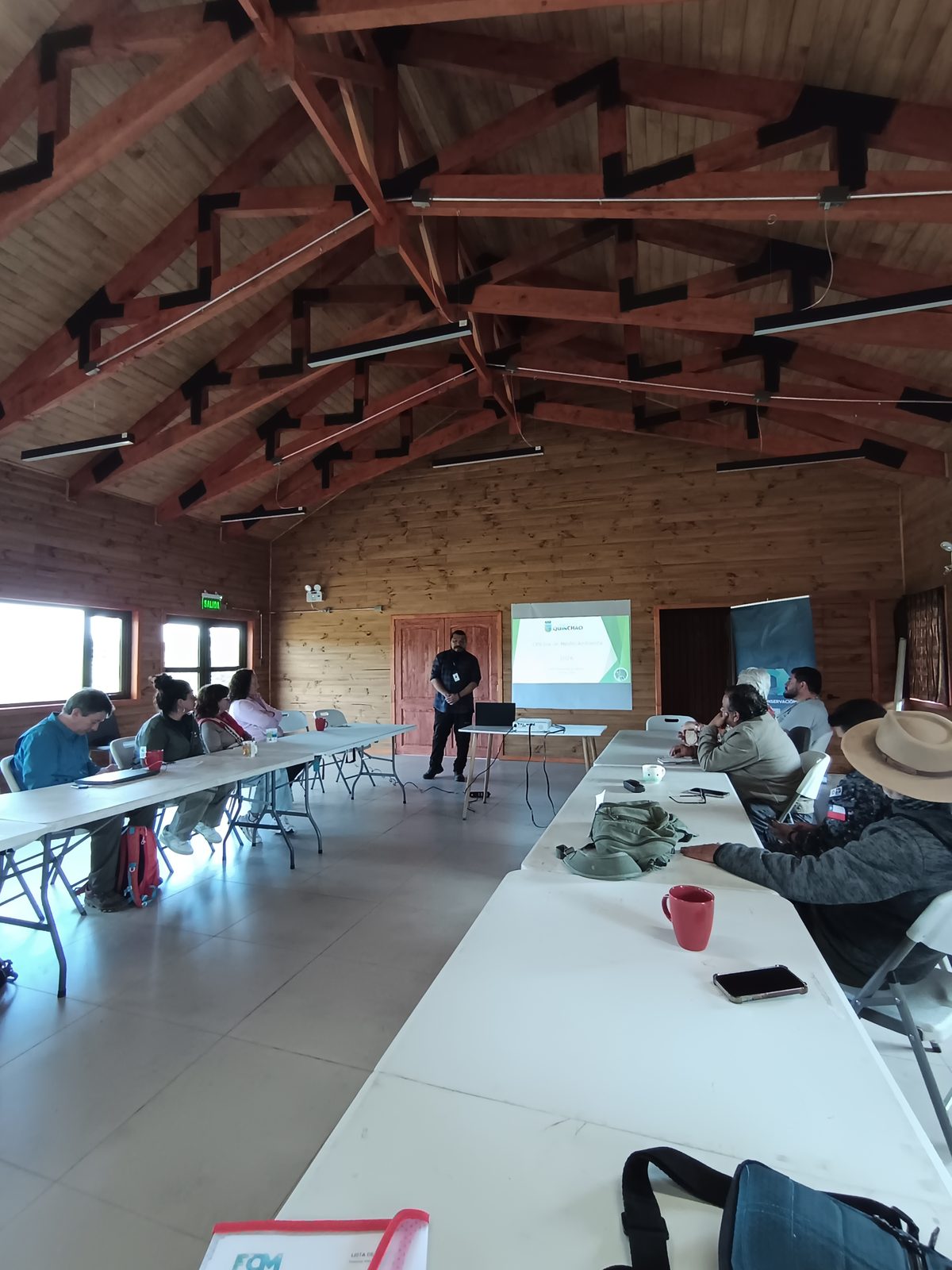
The day addressed the impacts of free-roaming dogs on wildlife and the challenges of Law 21.020, through a presentation by Dr. Javier Cabello, of the Chiloé Silvestre Biodiversity Conservation Center and regional councilor for Chiloé. Patricio Fuentes, from the Environment Office of the Municipality of Quinchao, also shared local experiences in managing responsible pet ownership.
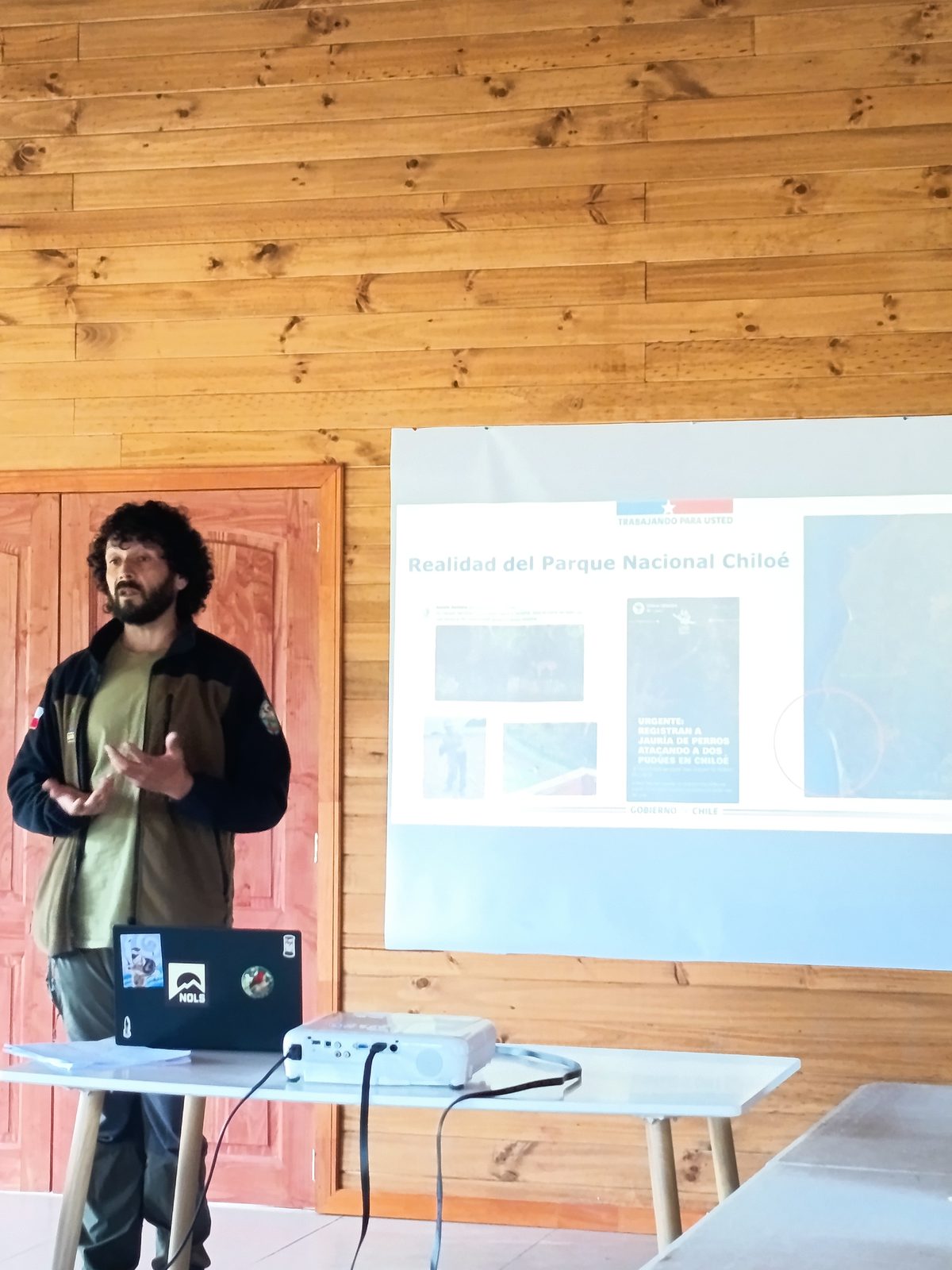
Andrés Meza, from CONAF, presented the actions undertaken to address the problem of dogs and cats in Chiloé National Park, while Rocío Cárcamo and Pamela Mora, professionals from the Los Lagos Regional Health Secretariat (SEREMI de Salud), discussed zoonotic risks and public health strategies in the province. Veterinarian Pamela Rivera Adaros spoke about regulatory tools and strategies to strengthen local management of responsible pet ownership.
Protecting Birds and Their Habitats Requires Everyone's Commitment
One of the central moments of the gathering was the discussion panel on local actions to promote responsible pet ownership in coastal wetlands important for shorebird conservation, moderated by Fundación Conservación Marina.
Unsupervised dogs and cats are a threat to many coastal bird species, particularly during their breeding, feeding, and resting periods. Predation of eggs and chicks, as well as disturbance caused by domestic animals, can affect the survival and breeding success of these species.
This issue is especially relevant in the nature sanctuaries and wetlands of the Maullín–Chiloé corridor, where FCM carries out research, monitoring, and conservation initiatives for waterbirds and their habitats.
The seminar made it possible to share experiences and strengthen dialogue between institutions and local stakeholders to move forward on prevention, education, enforcement, and responsible pet management measures.
At Fundación Conservación Marina we highlight the importance of promoting these collaborative spaces, which are essential to protect biodiversity and foster responsible coexistence in the territories we share with wildlife.
The conservation of our birds and wetlands also begins with everyday actions: caring for our pets, keeping them from roaming freely in natural areas, and helping maintain safe spaces for wildlife.