News
2026-11-05
2026-11-05
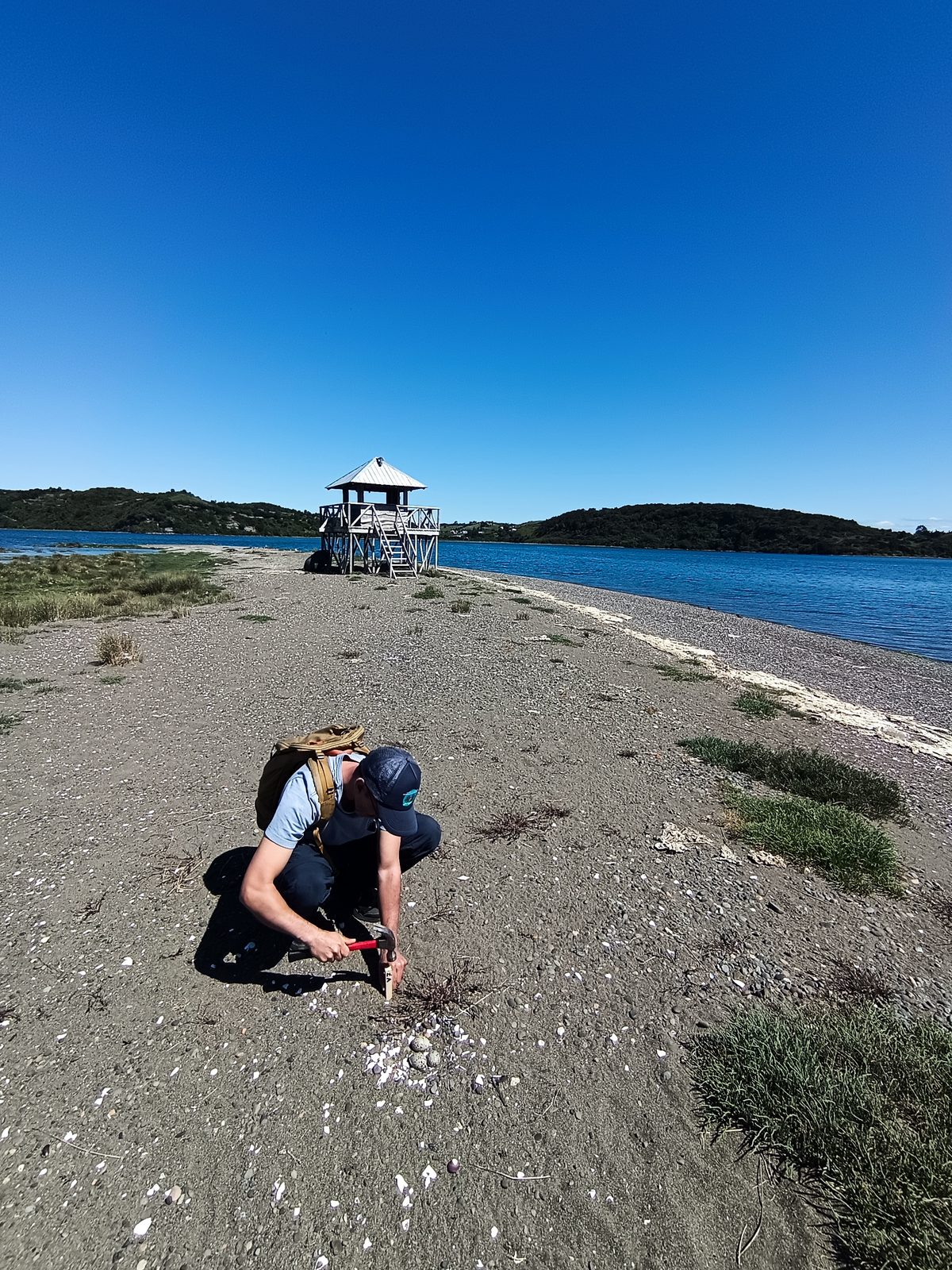
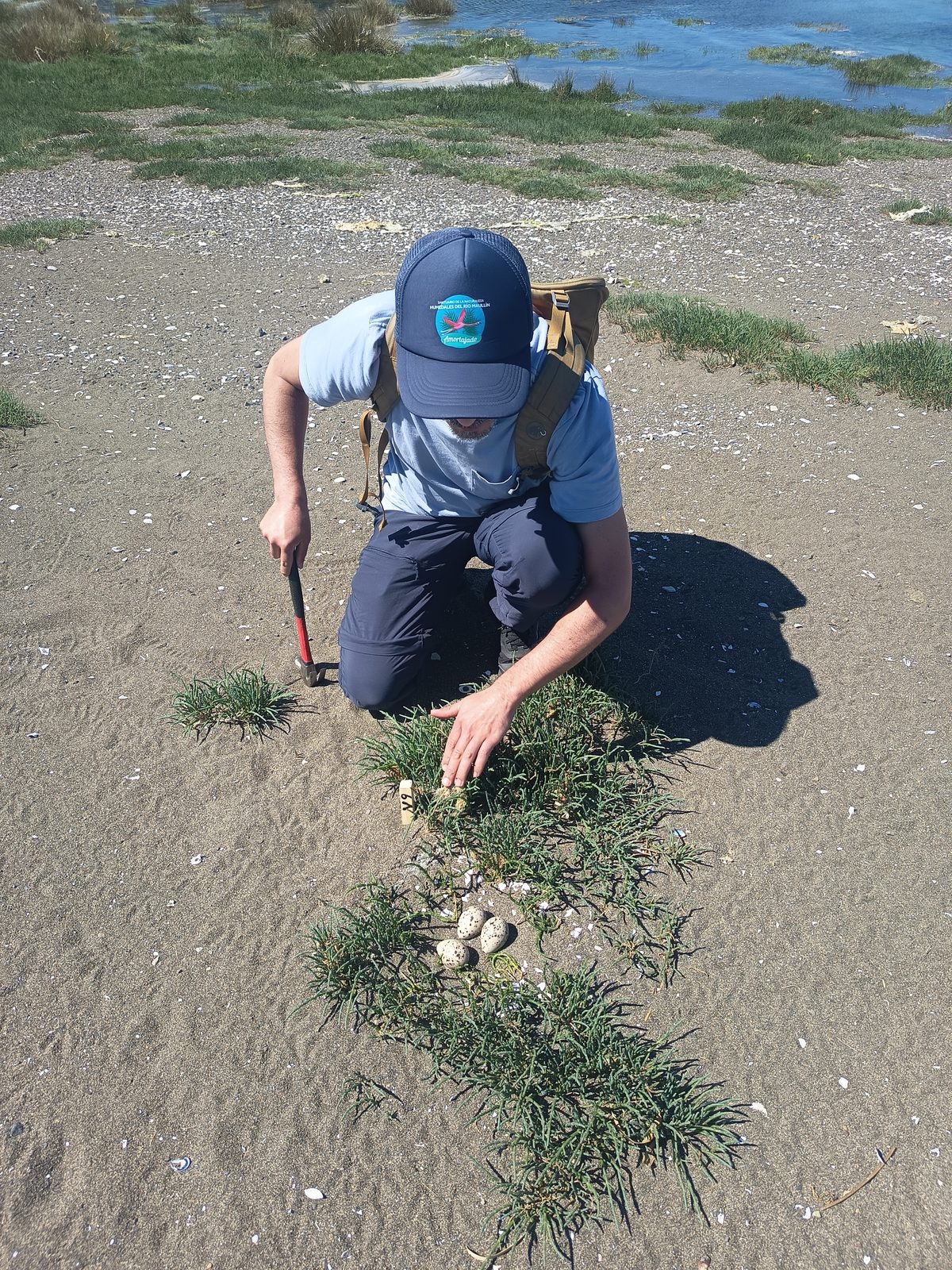
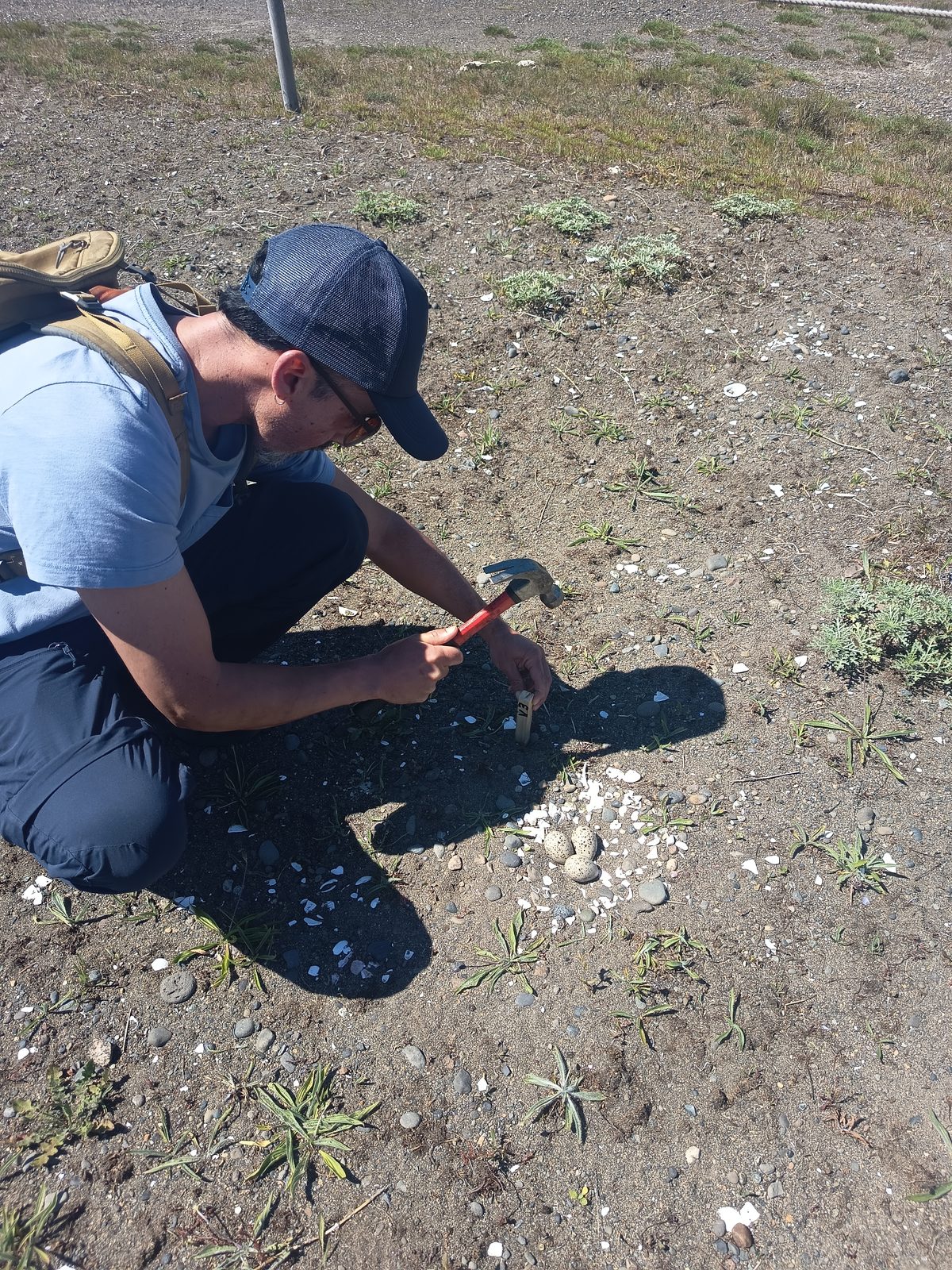
Fundación Conservación Marina (FCM) has begun monitoring the 2026–2027 breeding season of the American Oystercatcher (Haematopus palliatus), known locally as pilpilén, in the Bahía de Quinchao Nature Sanctuary, Chiloé. The first records show 11 nests and 31 eggs, underscoring the importance of protecting this habitat and avoiding disturbance over the coming months.
The American Oystercatcher is one of Chile's most characteristic coastal birds. It is recognized by its black-and-white plumage, pink legs, and long orange bill, specialized for feeding on mollusks and other marine invertebrates. When breeding, it nests directly on the ground, in small depressions among sand, gravel, and shell fragments, where it usually lays two to three eggs.
This particular way of nesting makes its eggs, whose color blends easily with the surroundings, especially vulnerable to trampling, human disturbance, and predation by domestic animals.
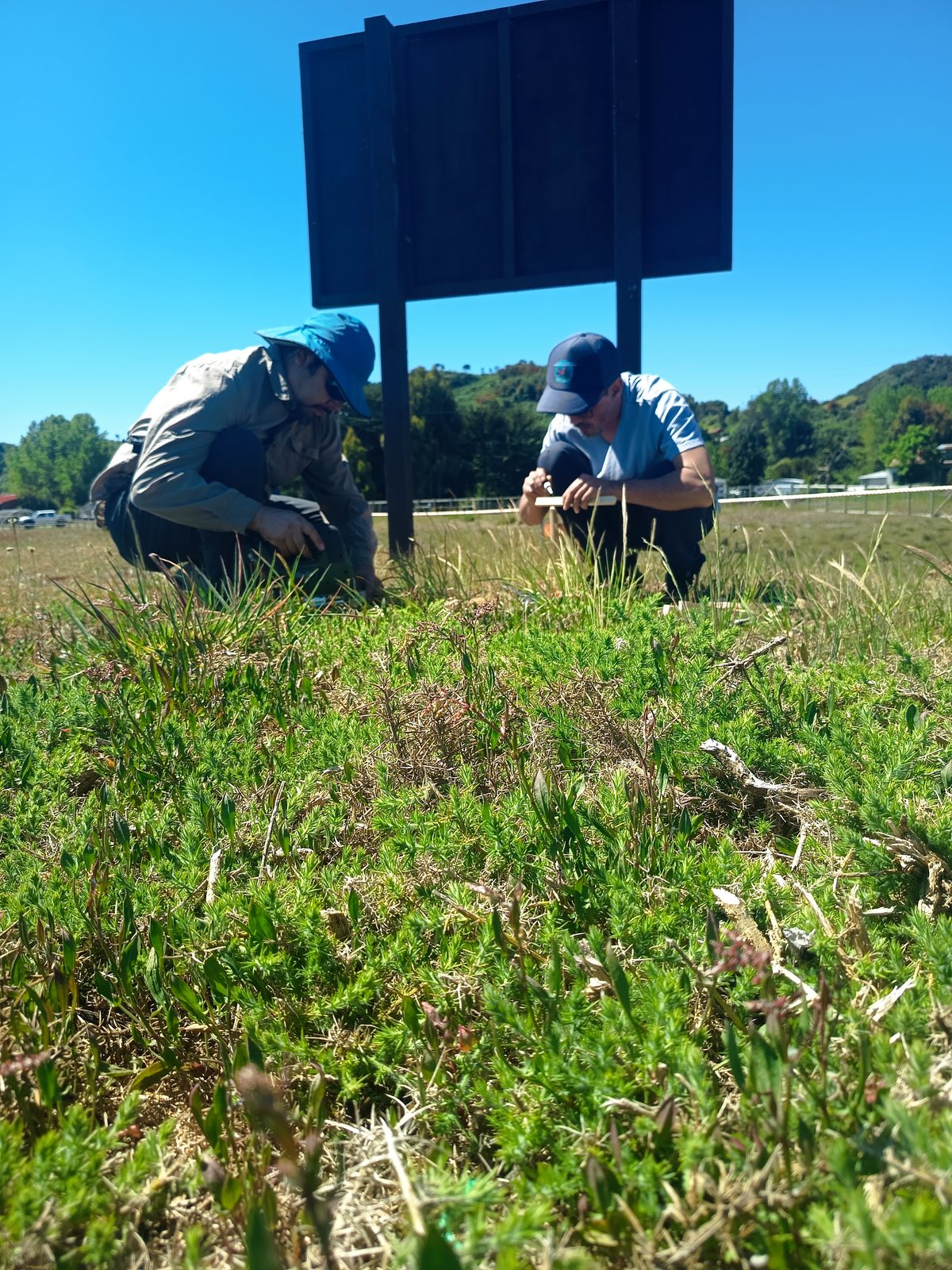
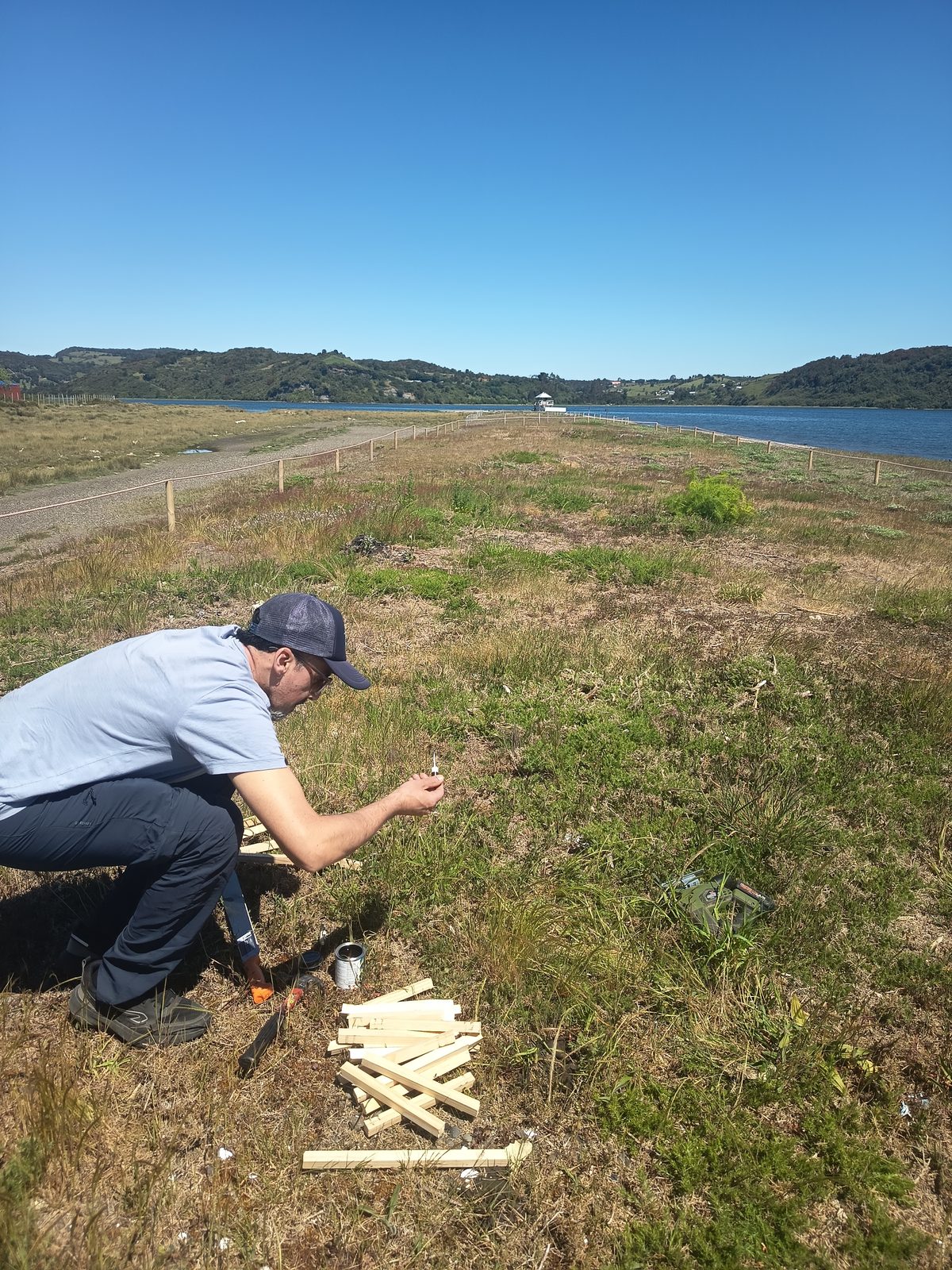
Since 2019, FCM has run an American Oystercatcher conservation program in Bahía de Quinchao that includes nest monitoring, tracking of eggs and chicks, breeding habitat management, and the delimitation of sensitive areas. These actions seek to improve breeding conditions for the species and increase the survival of its chicks.
Responsible Pet Ownership Is Essential
This season, we make a special call to residents and visitors to actively help protect the birds and their nests.
It is essential to keep dogs and cats out of breeding areas, keep pets supervised and on a leash where appropriate, and make sure that animals from nearby homes do not roam freely in the Sanctuary.
Dogs can destroy or prey on eggs and chicks, even when they are simply playing or exploring. Cats also pose a predation risk to chicks. In addition, approaching people and pets can cause birds to temporarily leave their nests, leaving the eggs exposed.
We ask everyone to respect the marked areas, use the designated trails, avoid approaching nests, and keep a prudent distance from breeding birds.
The 11 nests and 31 eggs recorded mark the beginning of a new breeding opportunity for the American Oystercatcher in Bahía de Quinchao. Protecting them requires the commitment of the entire community.
Caring for oystercatchers is also caring for Chiloé's natural heritage and helping its beaches and wetlands remain safe places for wildlife.