News
2026-08-17
2026-08-17
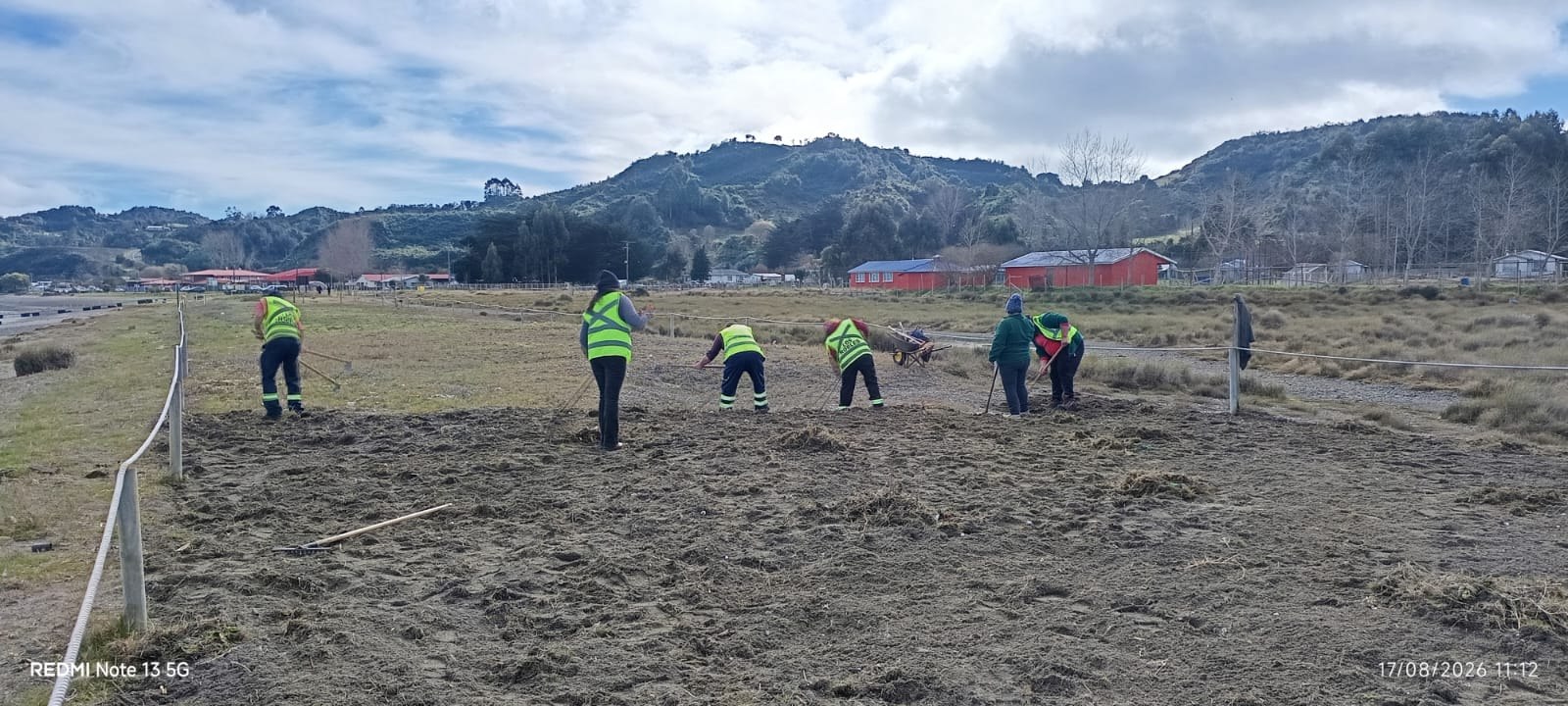
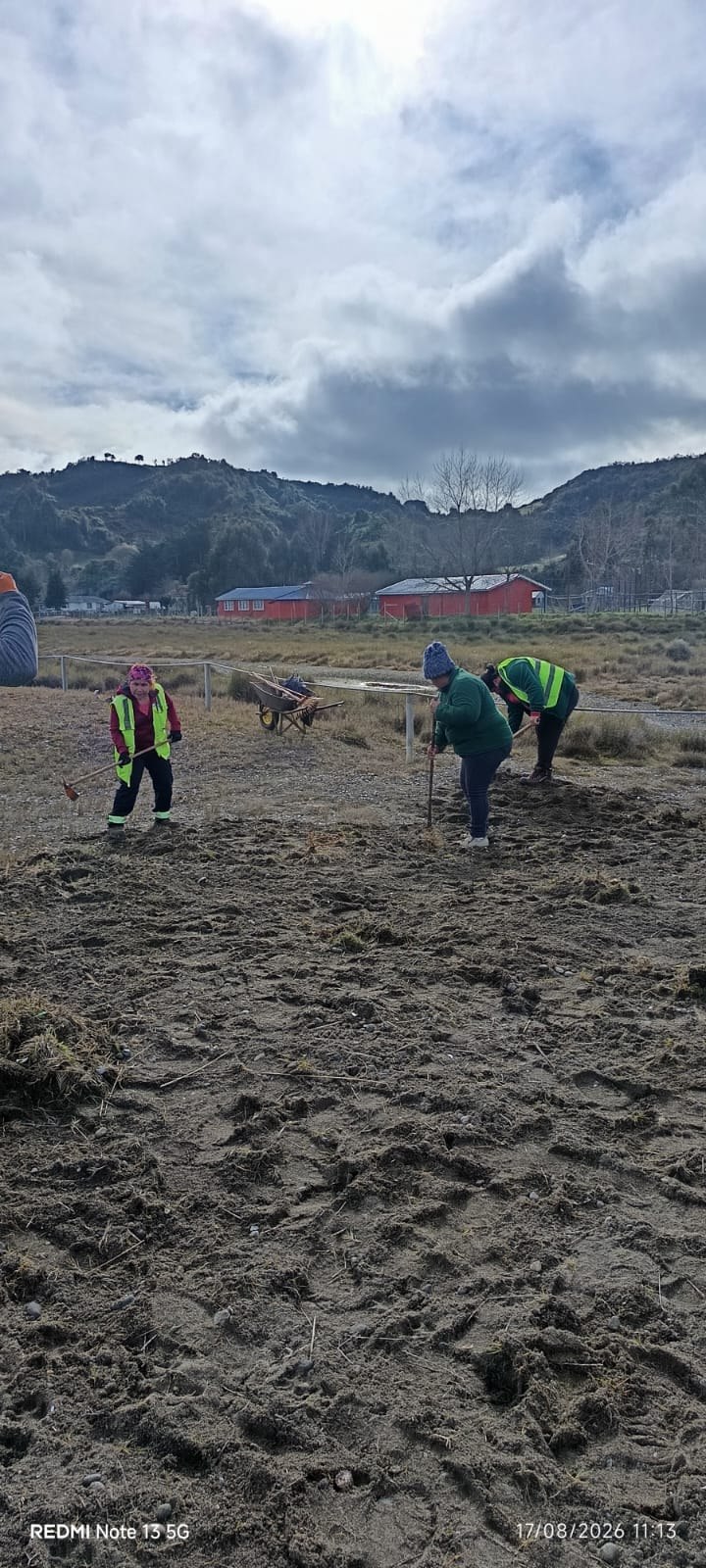
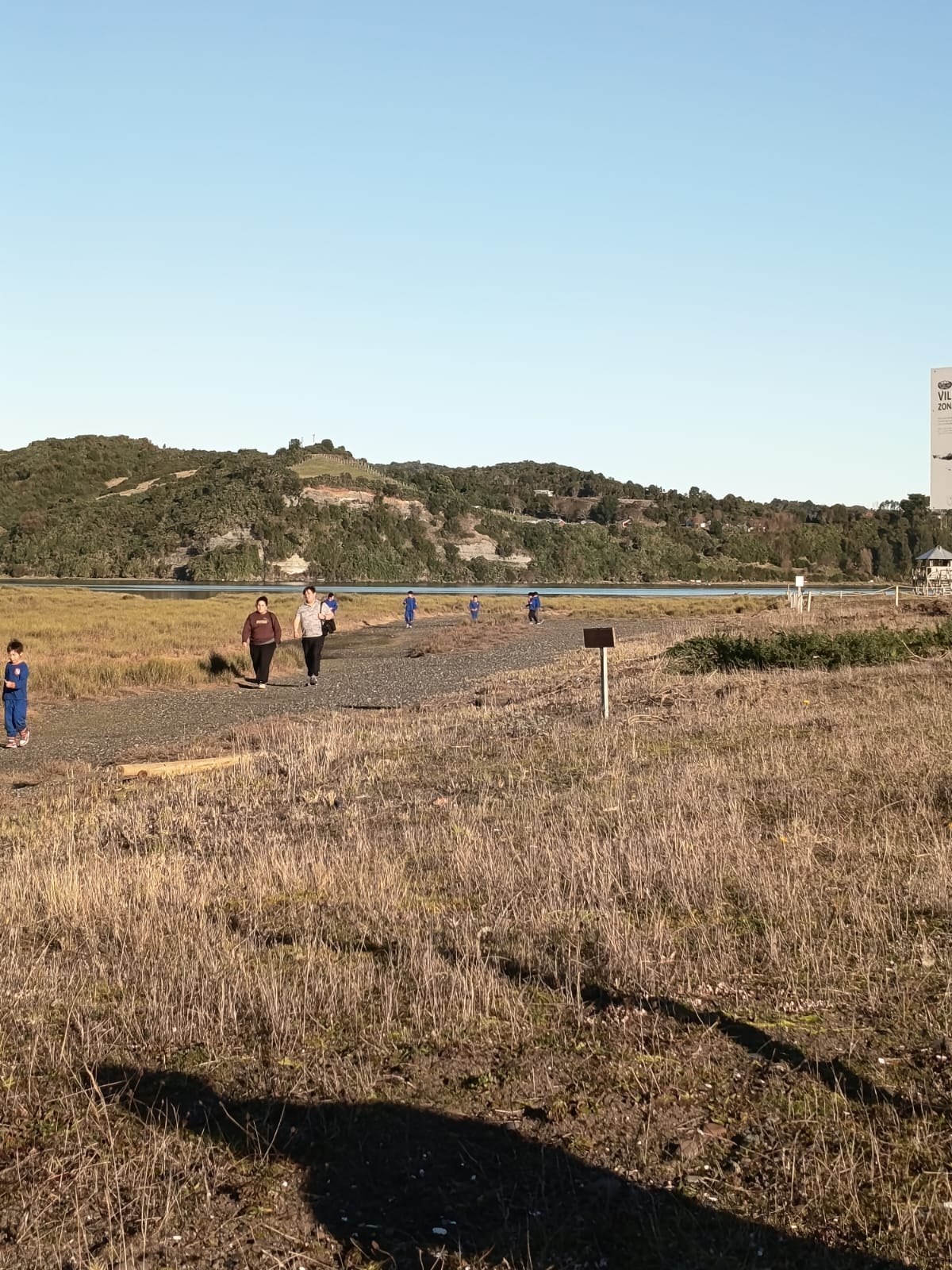
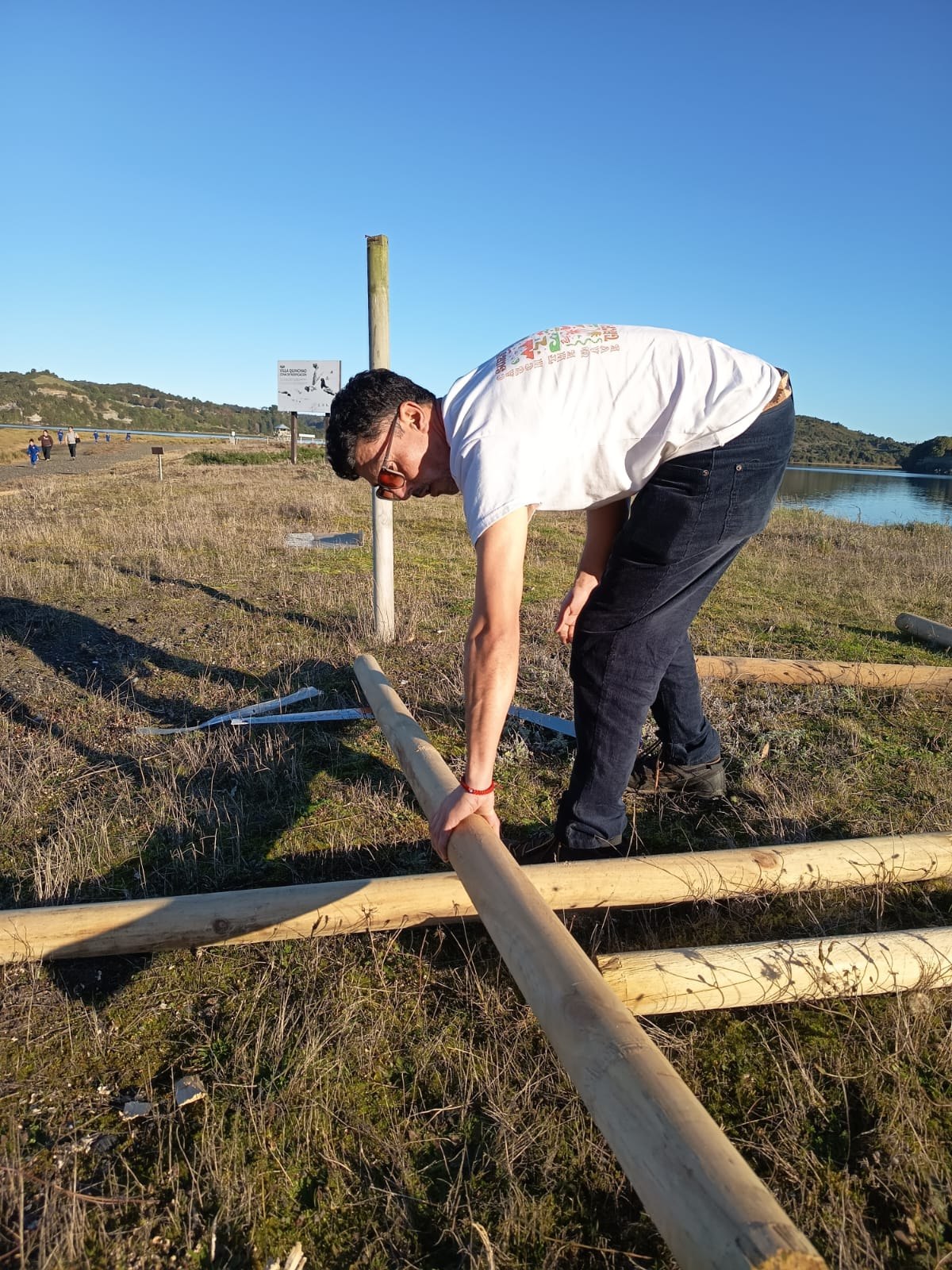
The work focused on one of the sectors historically used by the species for nesting. As the images from the session show, the actions included controlling and clearing vegetation that had begun to cover the substrate, along with maintenance and expansion of the fenced-off area set aside to protect bird reproduction.
This intervention responds directly to the ecological needs of the American oystercatcher. The species places its nests directly on the ground and preferentially selects open sectors with sand, gravel, and shell fragments, where it builds a small depression to lay its eggs. When vegetation grows excessively, the availability of this type of habitat decreases and suitable areas for nesting shrink.
For this reason, the management work seeks to recover and maintain open surfaces before the start of the breeding season, which in Quinchao Bay begins in September and can extend through March. Carrying out this work in August makes it possible to prepare the site before pairs begin establishing territories and making their first nesting attempts.
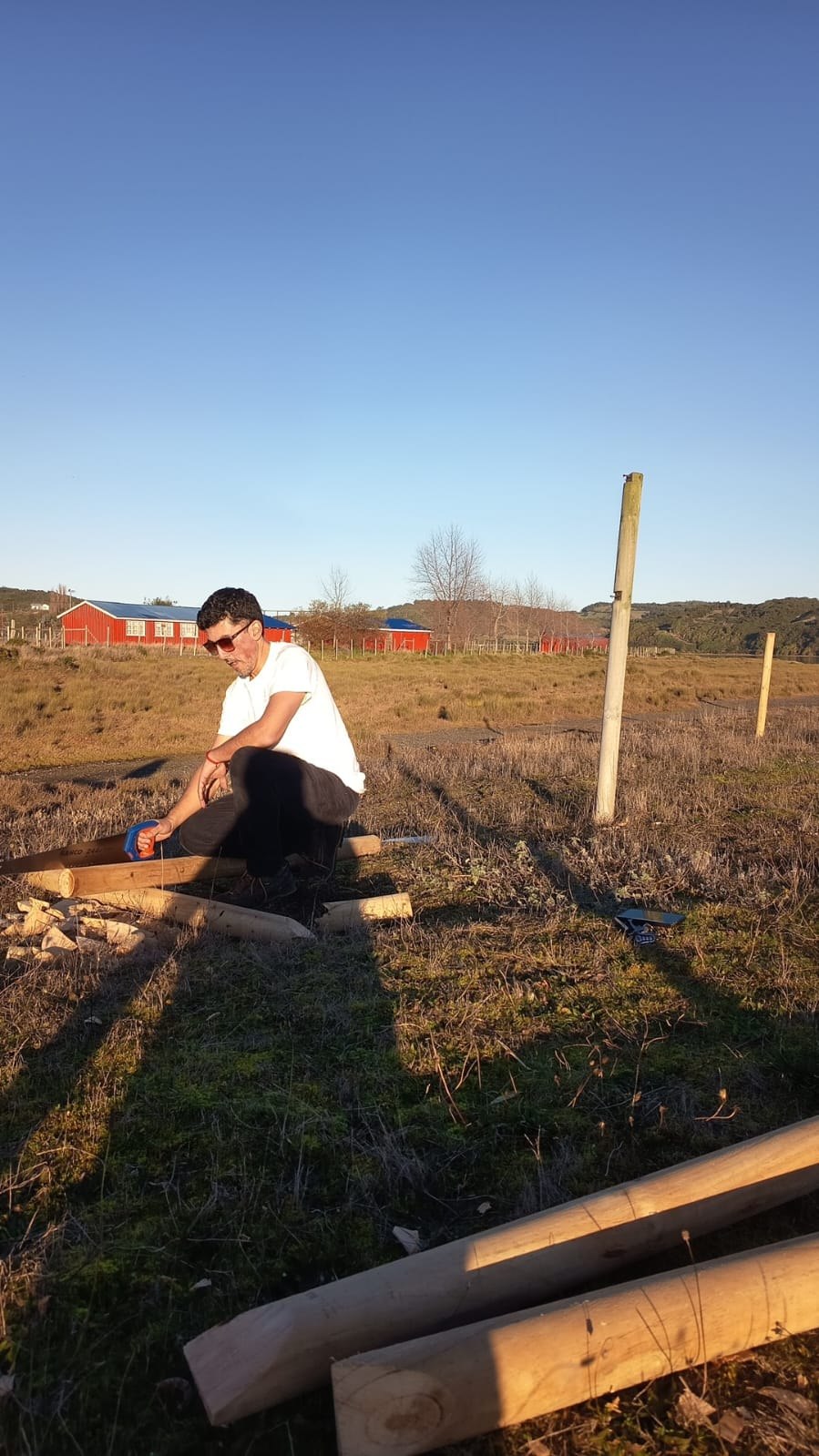
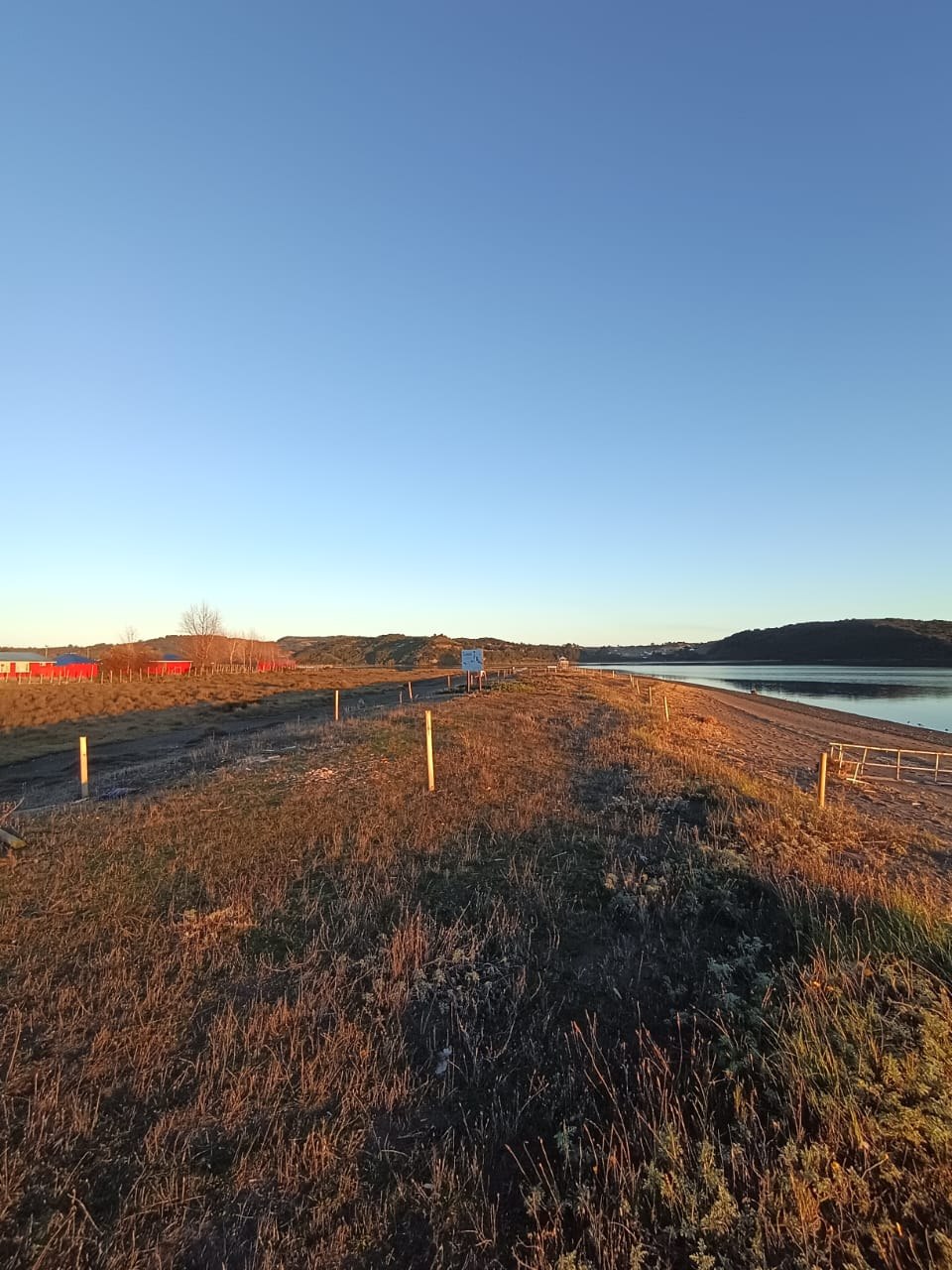
The session also included extending and reinforcing the protected and signposted area, increasing the space available to the birds and helping separate the breeding area from sectors of public use. This measure aims to reduce disturbance during a particularly sensitive stage of the American oystercatcher's life cycle.
This work is part of a conservation program that FCM has carried out for several years in Quinchao Bay, combining breeding monitoring, nest protection, habitat management, threat reduction, and work with the community and local authorities. The information gathered through monitoring of breeding pairs helps guide management measures each season toward the sectors of greatest importance.
A particularly relevant feature of this initiative is its collaborative nature. The participation of the Municipality of Quinchao and the Governance Roundtable allows conservation measures to be implemented directly from within the territory, bringing together municipal capacities, technical knowledge, and local participation around a shared goal.
The case of the American oystercatcher also shows that effectively conserving a protected area requires going beyond its legal designation. In certain situations, it is necessary to carry out concrete, periodic actions on the habitat, evaluate their results, and adapt measures according to how the species respond.
With this new session, Quinchao Bay begins preparing for a new breeding season. Over the coming months, monitoring will track the arrival and establishment of pairs, locate nests, and assess whether the habitat improvements help increase the chances of successful reproduction for this emblematic bird of Chiloé's coasts.