News
2026-09-14
2026-09-14
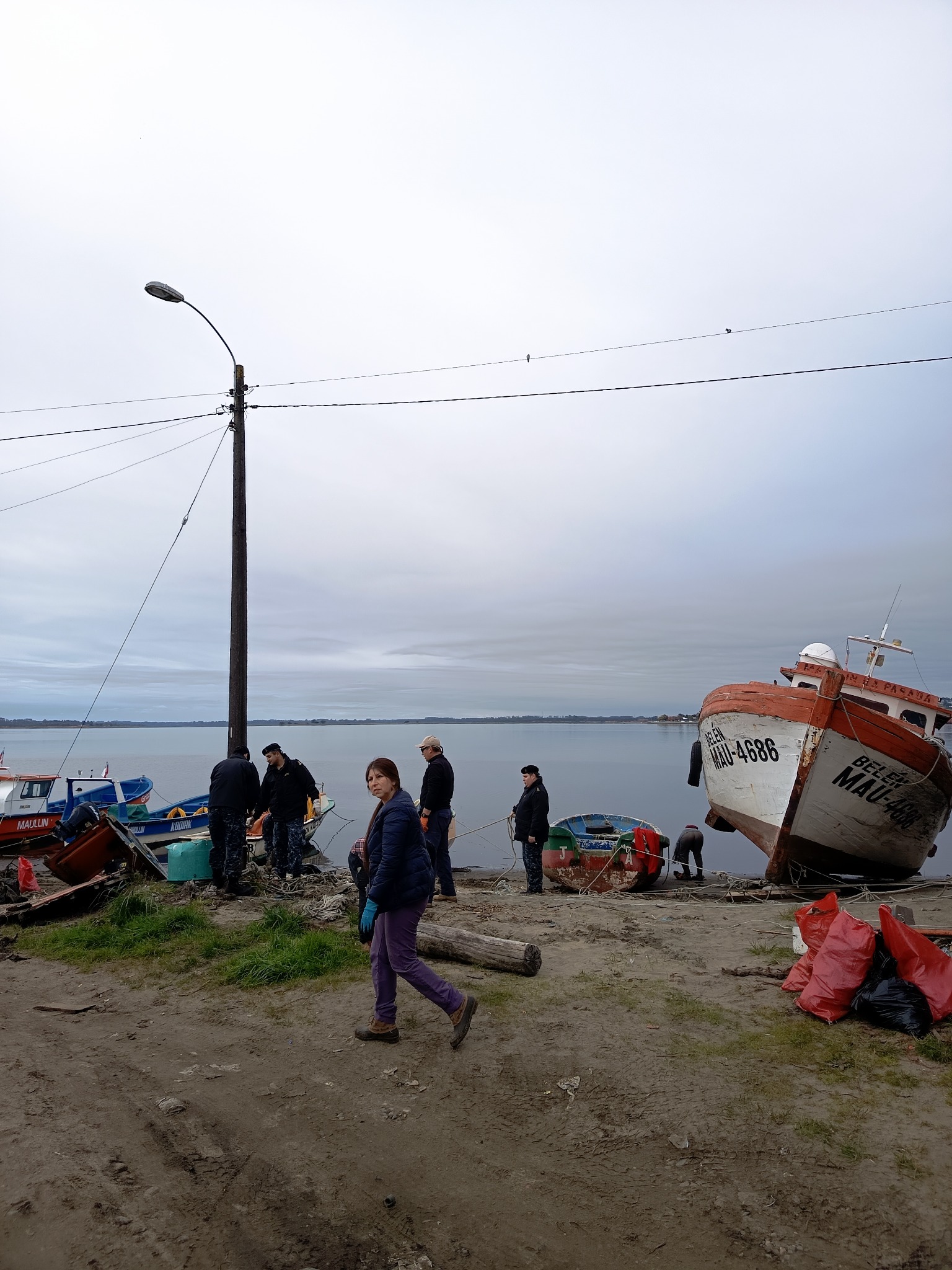
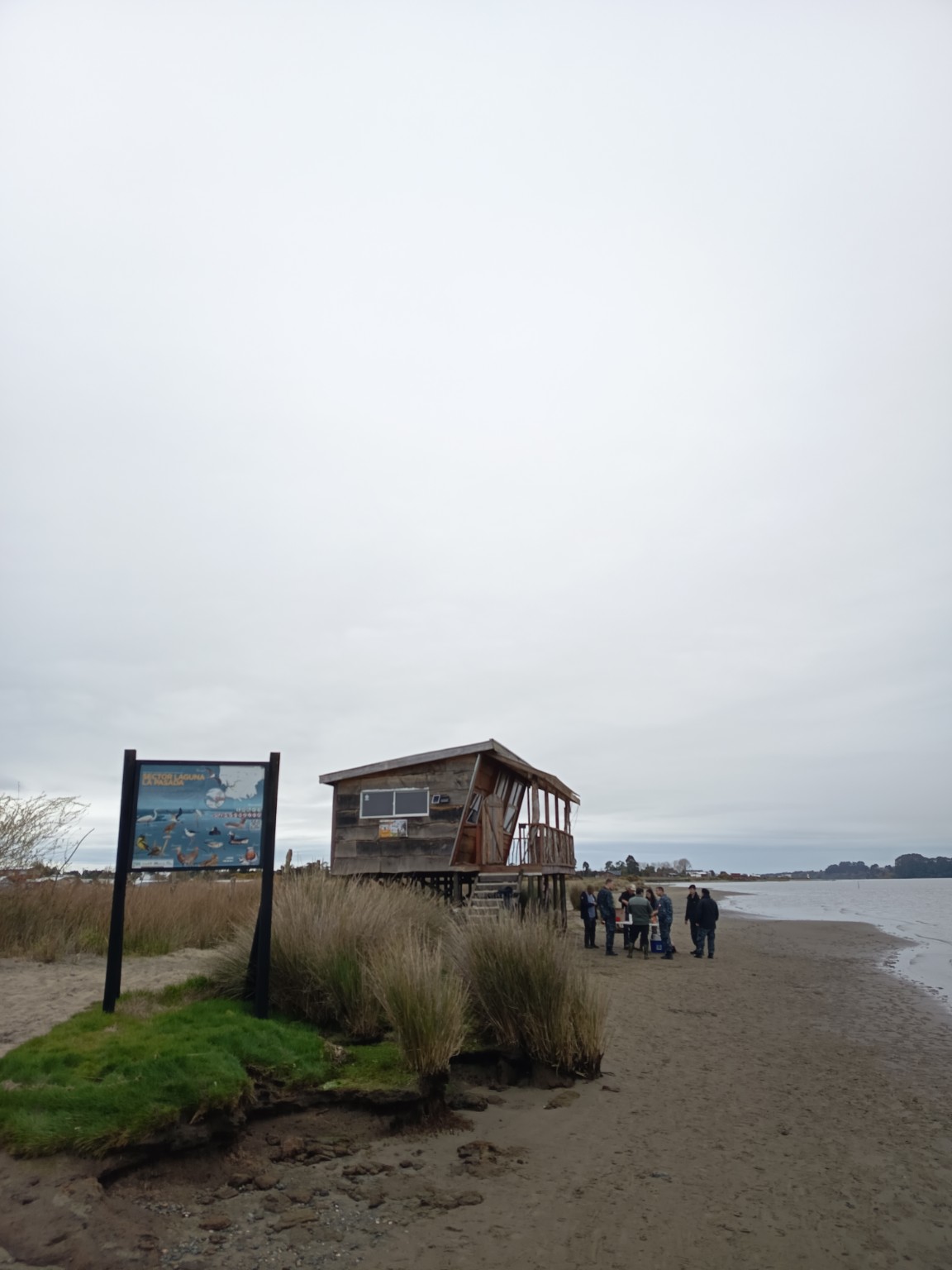
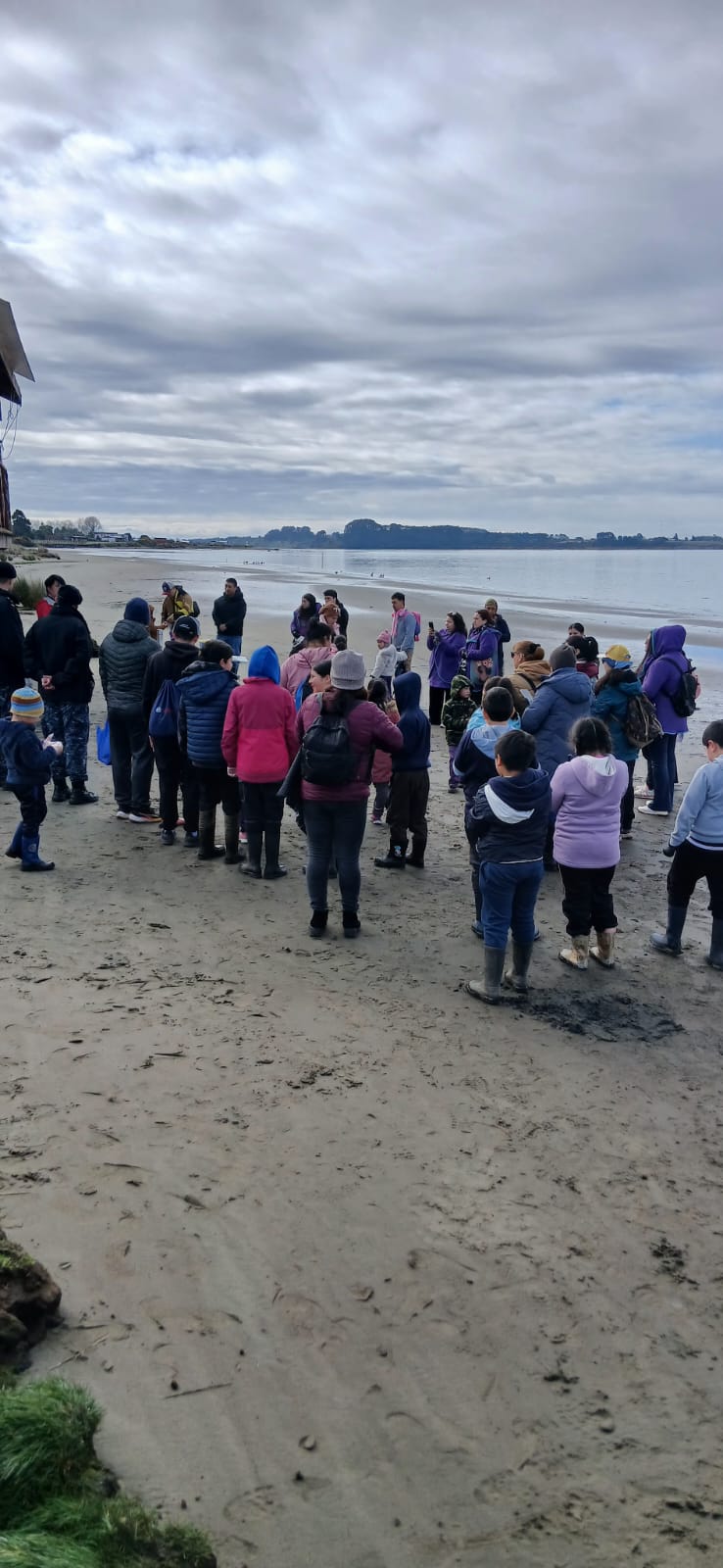
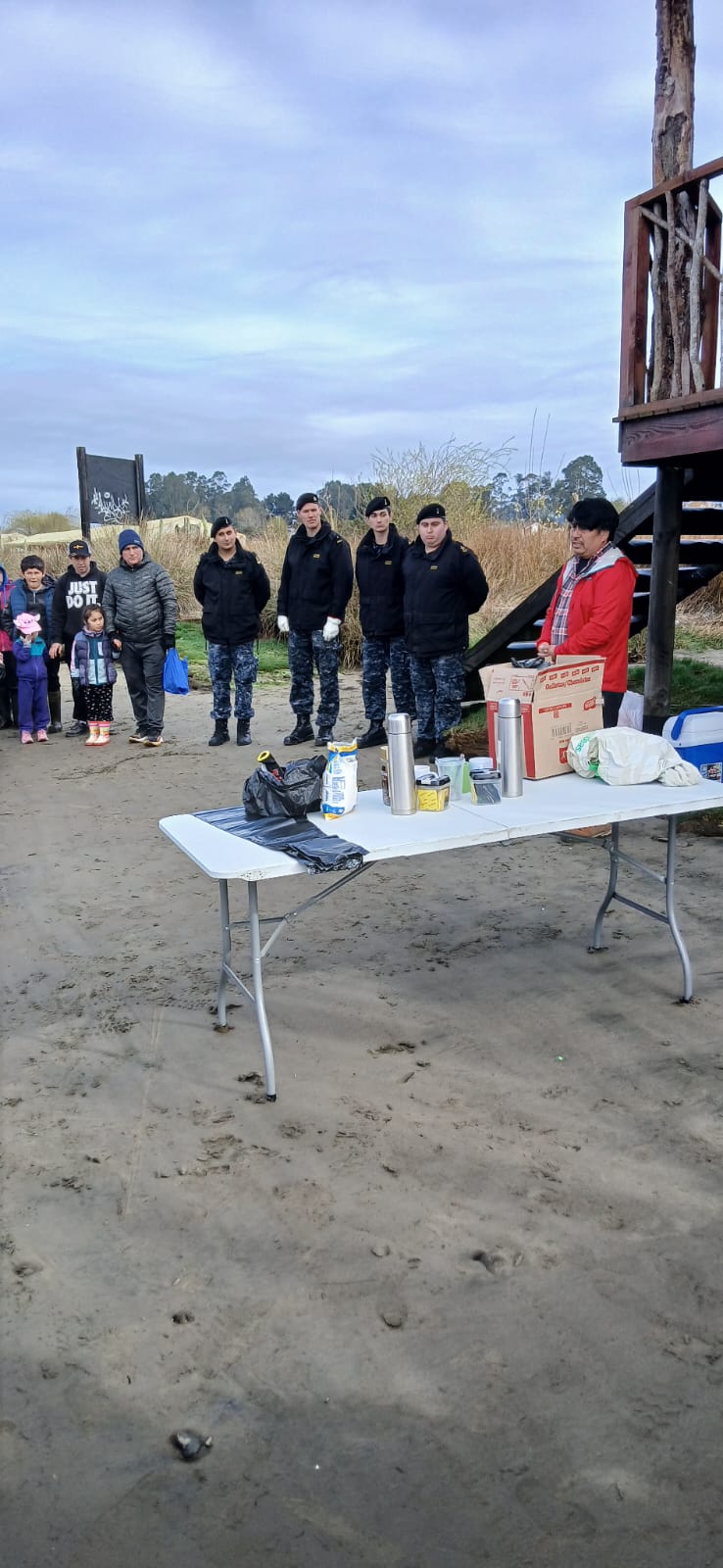
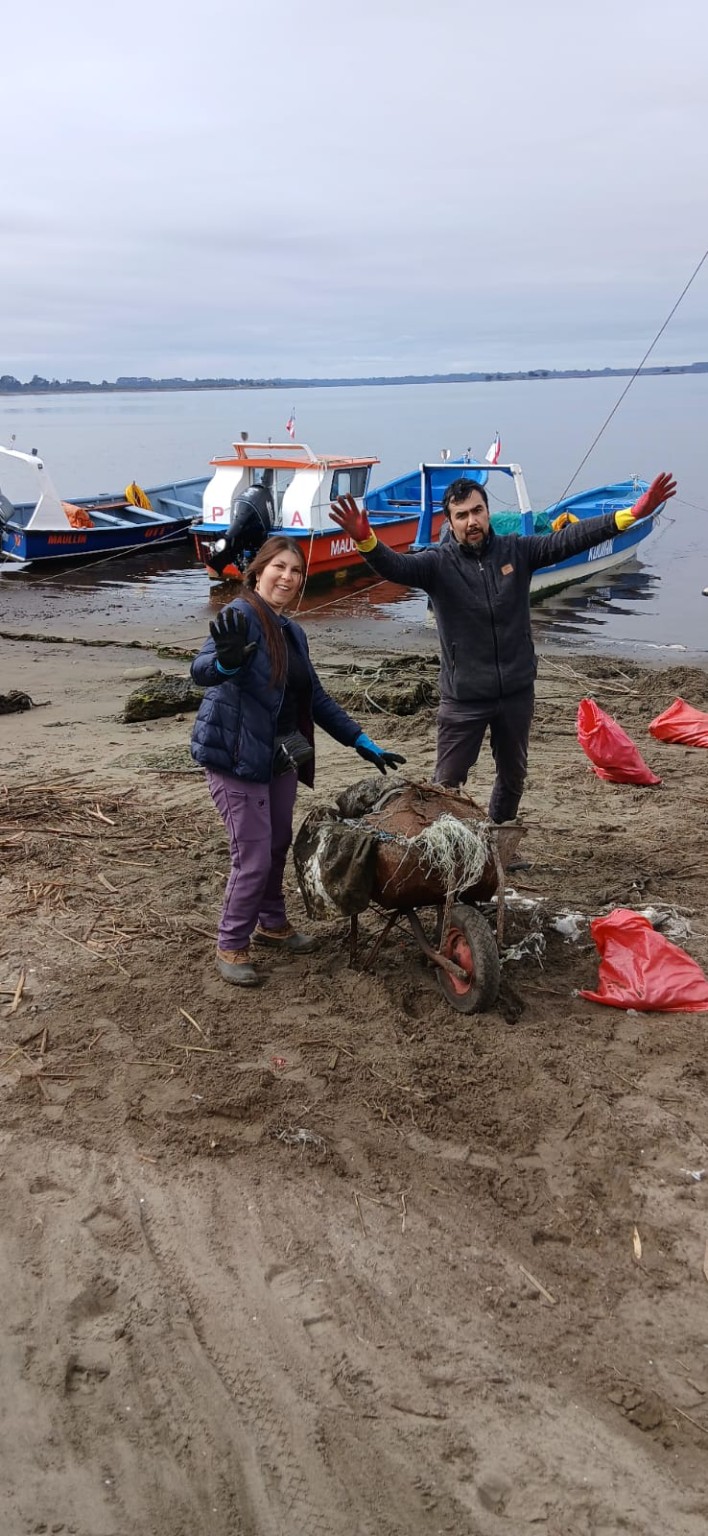
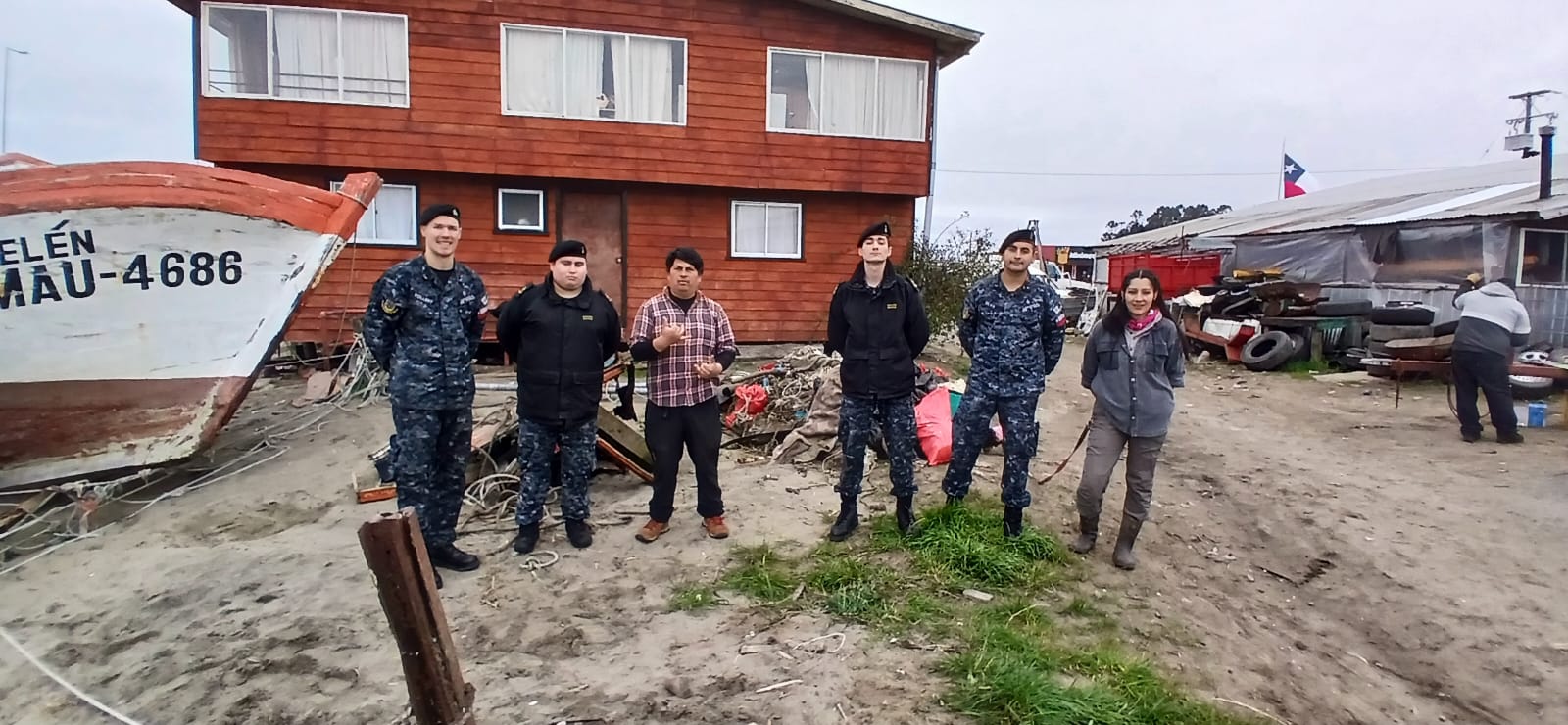
On Monday, September 14, a community clean-up day took place at the La Pasada wetland, in the Maullín River estuary. The initiative was led by the local birdwatching enterprises TurLepihue, Cabañas Lepihue, and Aves y Maravillas, with the participation of various organizations and the collaboration of Fundación Conservación Marina (FCM).
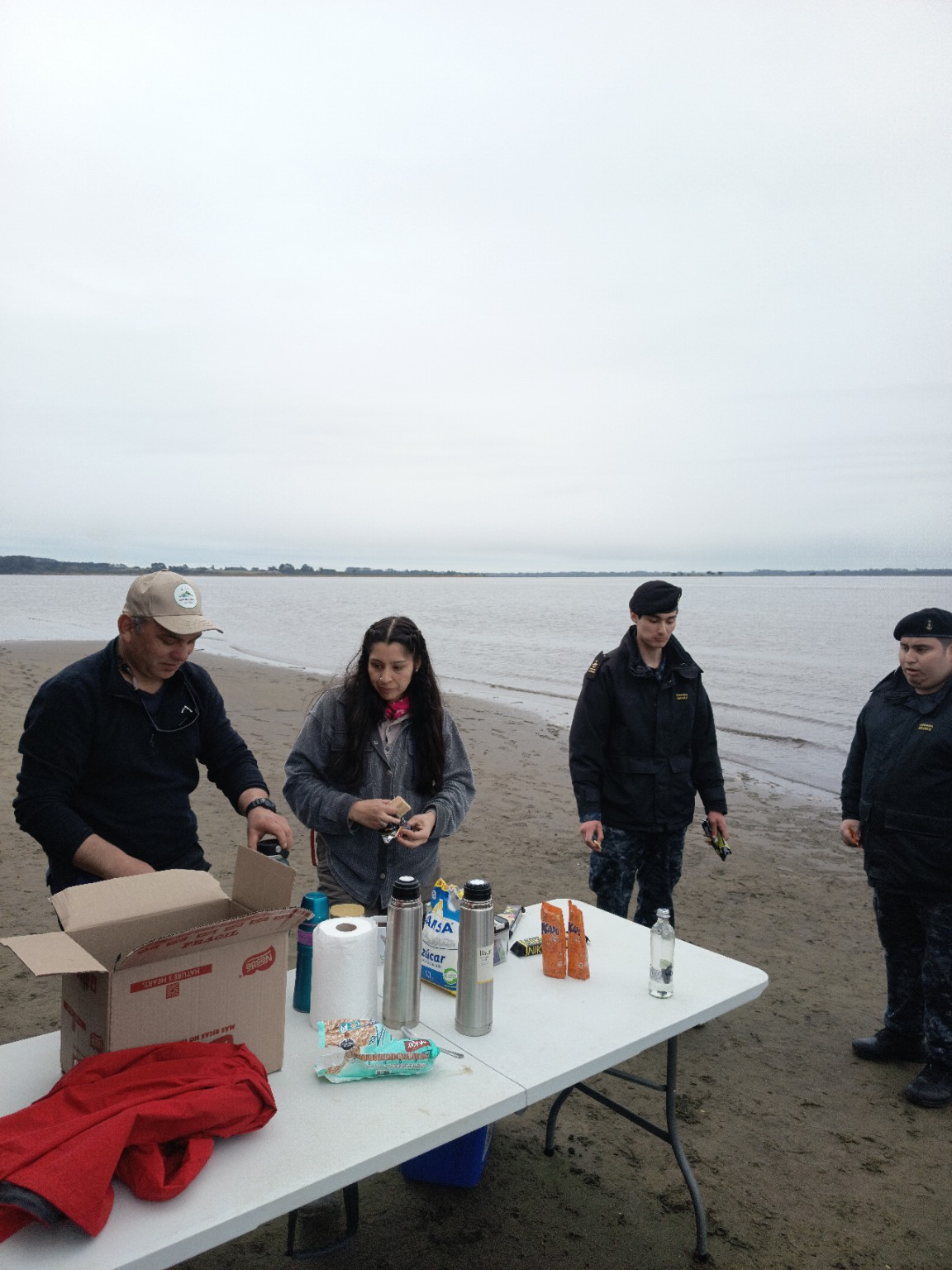
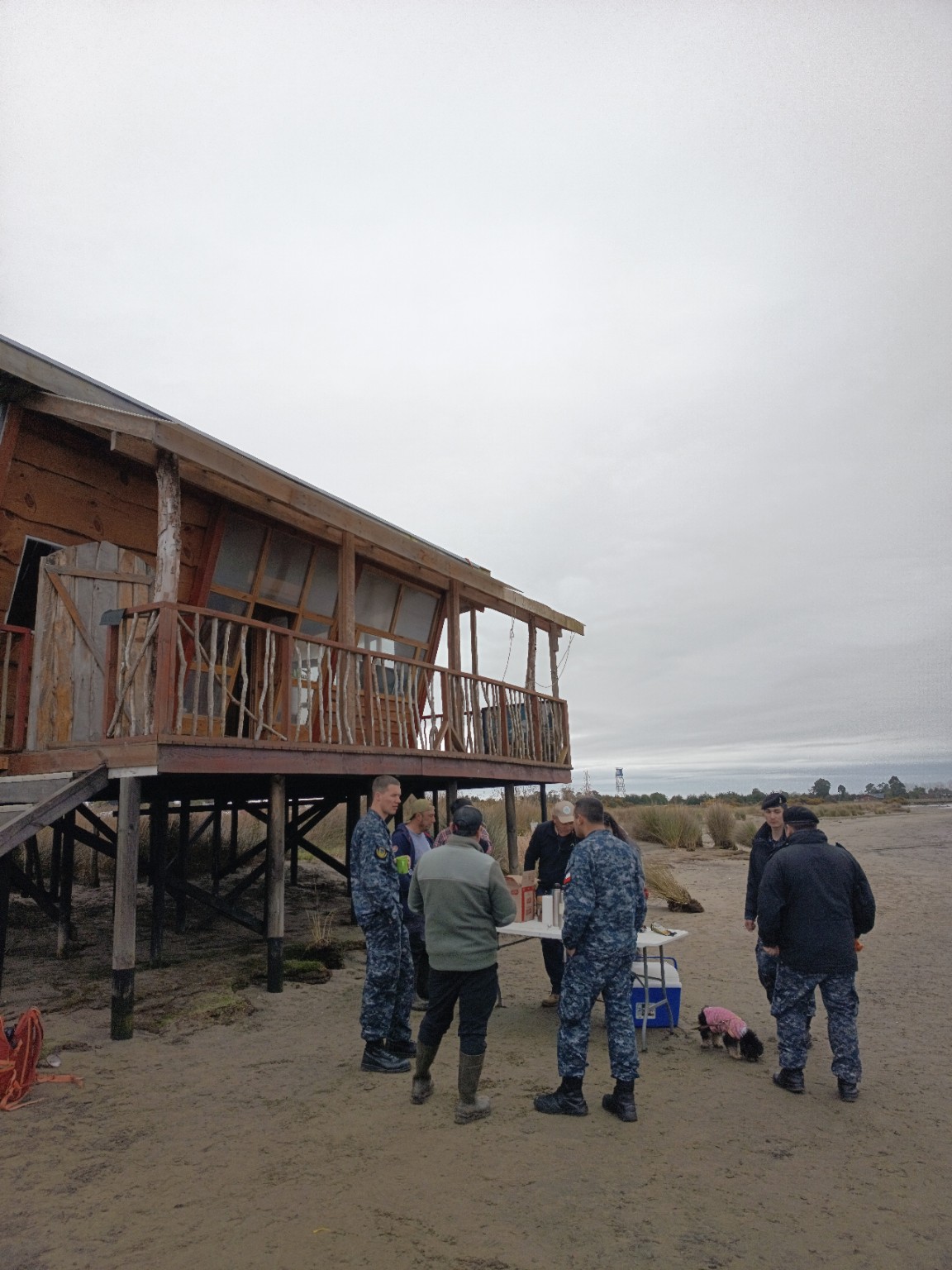
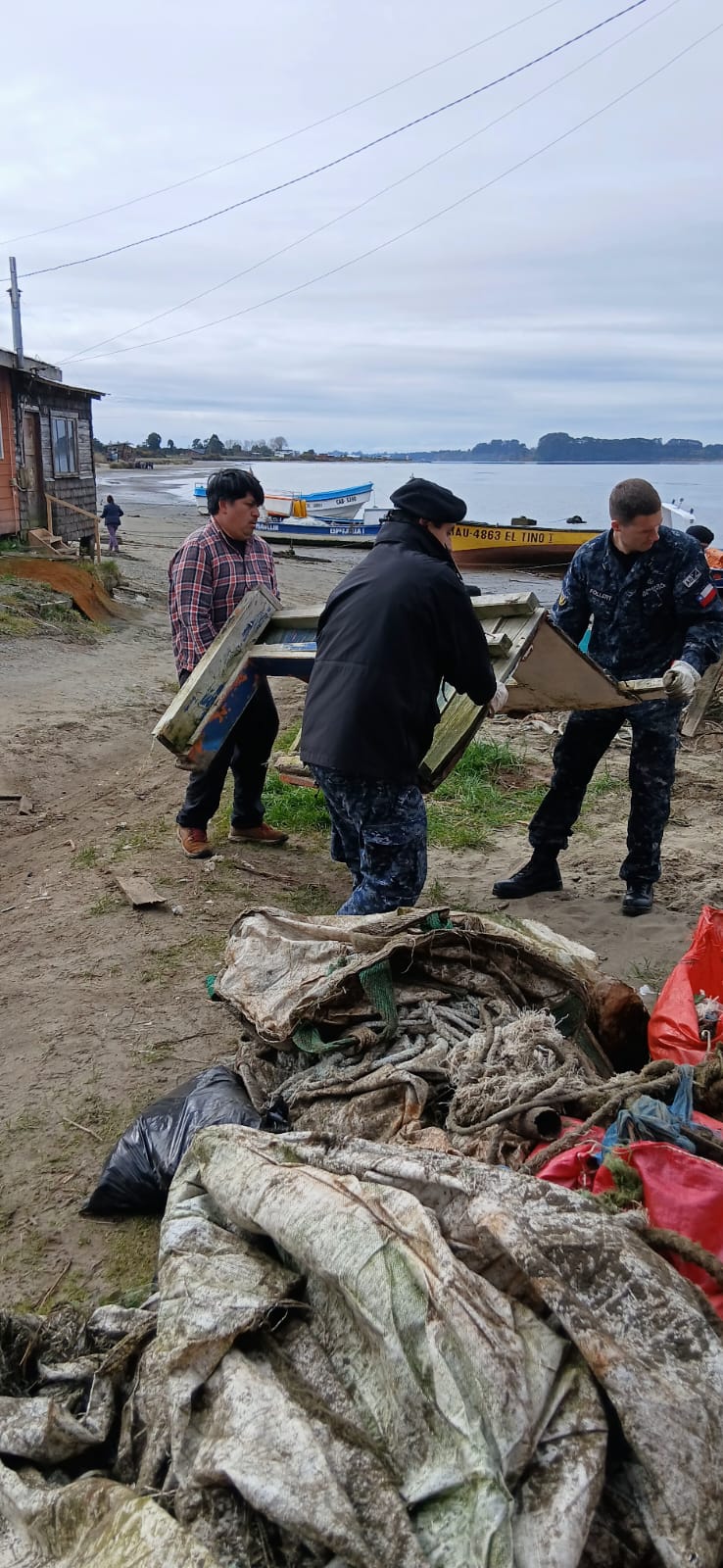
Also joining the activity were Aviturismo Maullín Expediciones, the Maullín Communal Environmental Committee (CAC), Cabañas No Me Olvides, Lankuyem School, Tía Hojita —an environmental educator from Los Muermos— and the Chilean Navy, represented by the Maullín Port Captaincy, along with neighbors, families, and volunteers.
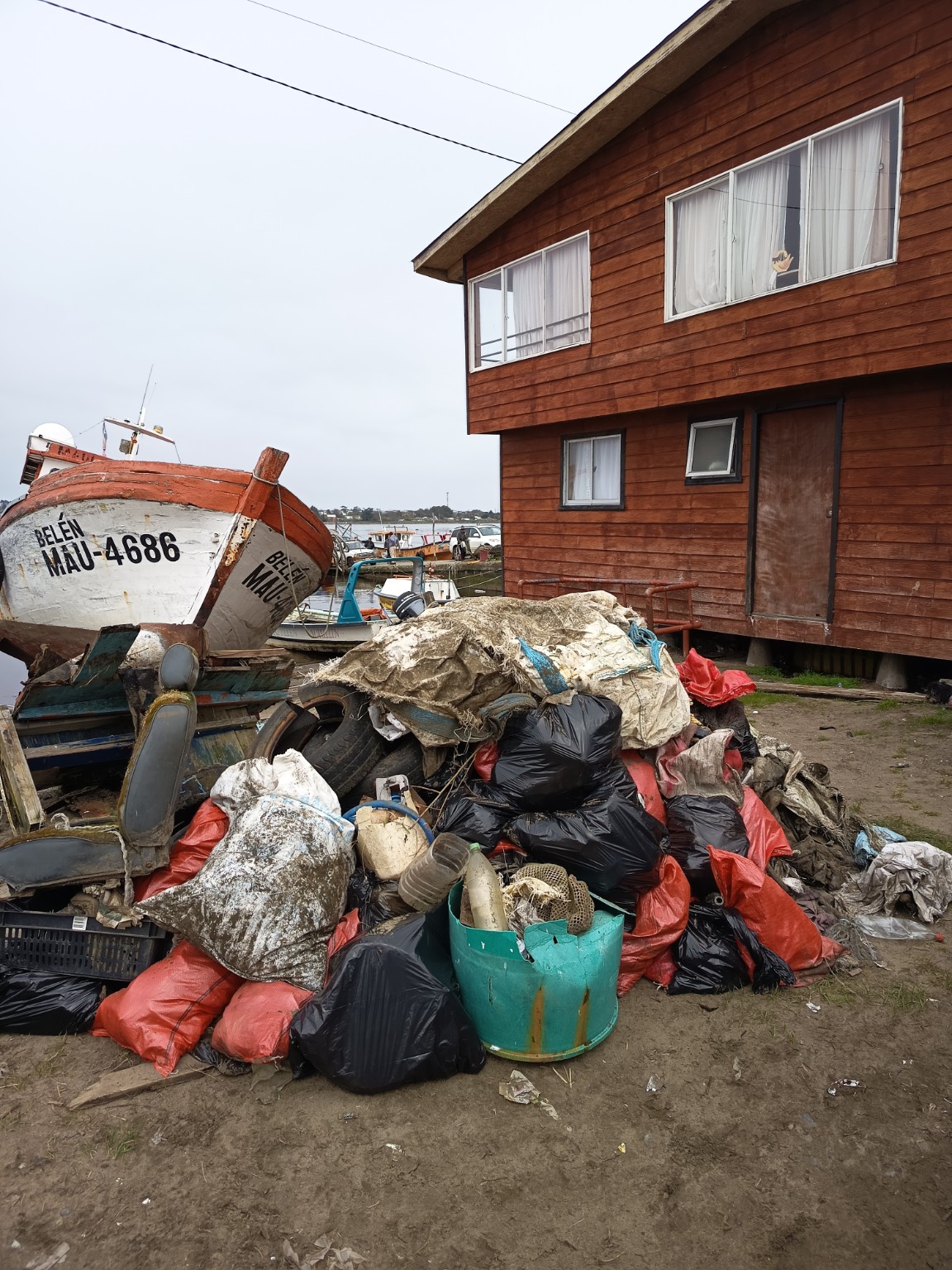
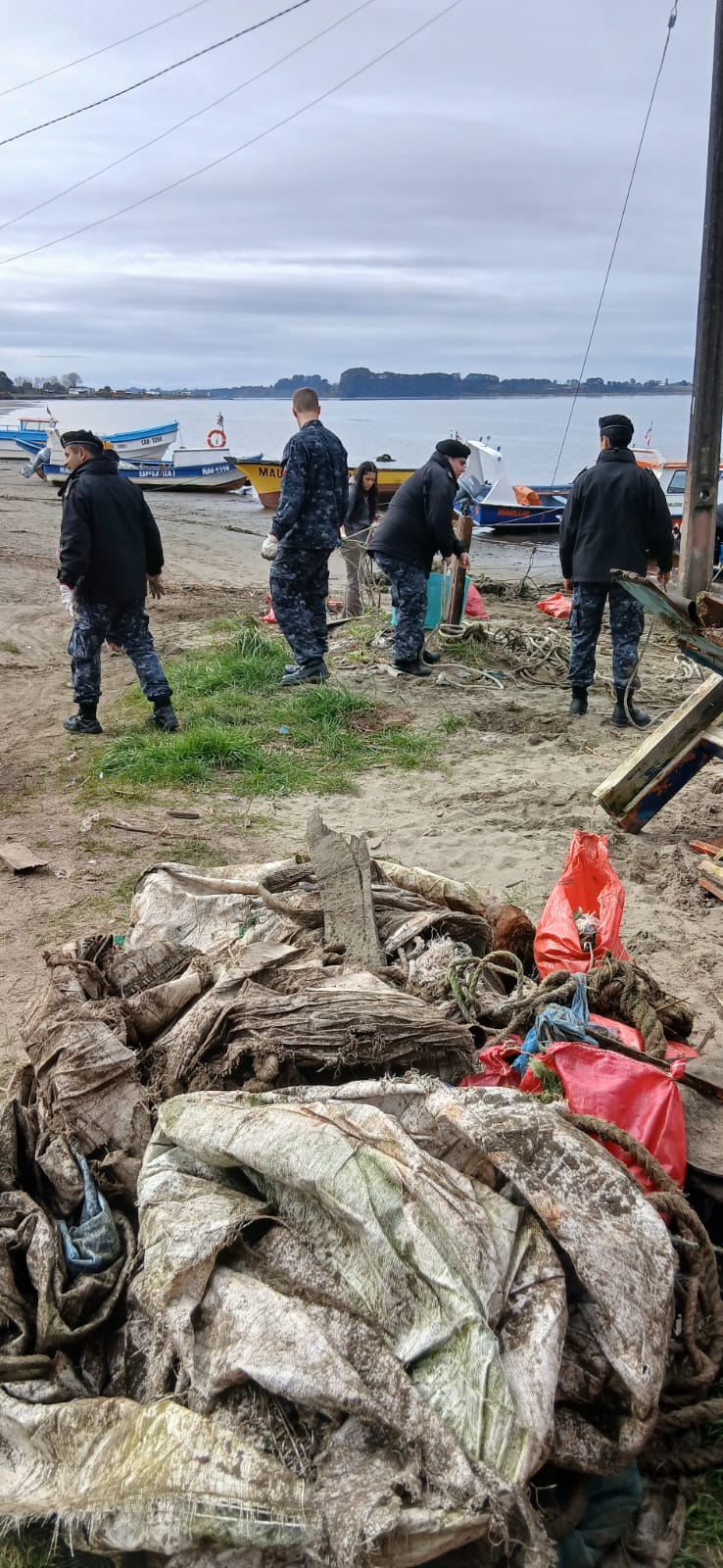
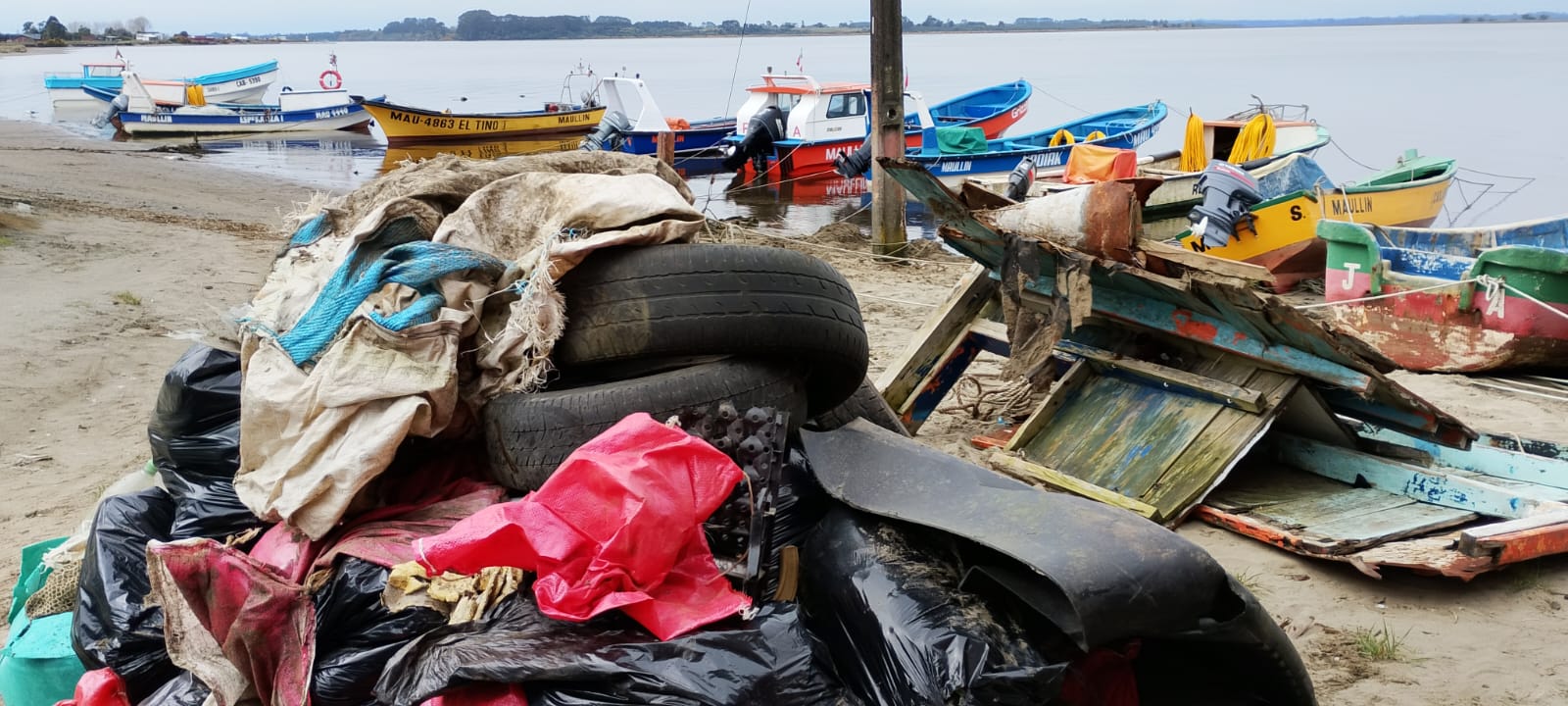
During the day, a significant amount of waste that had accumulated over the years in different areas of the coastline was removed, including plastics, tires, ropes, boat remains, and other debris.
Ariel Vera, a birdwatching guide at the Maullín River Wetlands Nature Sanctuary and owner of TurLepihue, highlighted the scale of the work carried out: "We had pockets of trash that had been piling up for many years, and we managed to remove almost all of it. We took out roughly three large bins of pure trash, so it's a lot." He also stressed the need to continue these efforts: "The idea is to be able to repeat this activity every year and gradually reduce this problem. Hopefully people understand that trash shouldn't be dumped along the coastline."
A particularly valuable aspect was the participation of students in the activity. Involving new generations from an early age in direct experiences of caring for nature helps strengthen their connection to the territory, instill habits of respect for wetlands, and understand that their conservation is a shared responsibility within the community.
La Pasada is a small wetland of approximately six hectares, formed by a shallow lagoon connected to the estuary, intertidal flats, marsh vegetation, and a sandbar. Studies conducted by FCM have recorded 45 bird species there, 13 of them migratory shorebirds. Among these, the Hudsonian Godwit (Limosa haemastica) stands out in particular. Congregations of up to 4,000 individuals have been recorded at La Pasada in autumn 2026 and 3,000 in autumn 2024, along with concentrations of more than a thousand birds in different seasons. This evidence confirms La Pasada as one of the main concentration sites for migratory shorebirds within the Maullín River estuary.
For Fundación Conservación Marina, one of the most significant aspects of this experience is that the activity was led by local birdwatching guides and enterprises. It is a good sign that sustainable tourism and bird conservation can move forward together.
When local economic activity depends on healthy wetlands, abundant birds, and well-preserved landscapes, there is also a concrete incentive to protect them. Birdwatching tourism can thus become a community conservation tool, building capacity, territorial identity, and economic opportunities, while strengthening the care of ecosystems.
The experience at La Pasada shows exactly that path: conservation, sustainable tourism, and local development can be part of the same strategy when communities take the lead.