News
2026-11-19
2026-11-19
The organization was recognized in the “Planet and Living Systems” category for its initiative on the collaborative conservation of marine wetlands and migratory birds in the Maullín–Chiloé corridor, honoring more than 15 years of scientific work, ecosystem protection, and collaboration with local communities.
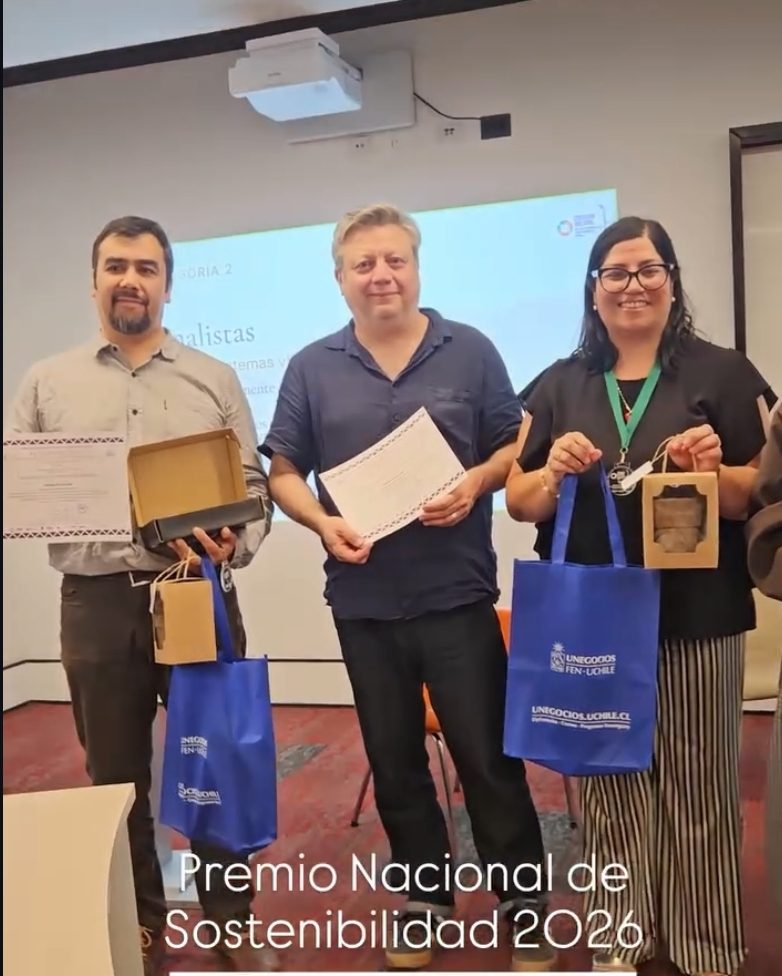
Fundación Conservación Marina (FCM) won first place in the “Planet and Living Systems” category of the 2026 National Sustainable Development Award, granted by Chile's National Sustainable Development Commission (CNDS). The award was presented on Tuesday, November 17, at a ceremony held at the Faculty of Economics and Business of the Universidad de Chile, in Santiago.
The distinction was granted to the initiative “Collaborative conservation of marine wetlands and migratory birds in the Maullín–Chiloé corridor,” highlighting its contribution to Chile's sustainable development and to the achievement of the Sustainable Development Goals (SDGs) of the 2030 Agenda.
A National Recognition for Biodiversity Conservation
The National Sustainable Development Award is an honorary distinction that seeks to recognize and give visibility to initiatives with relevant and verifiable contributions to the country's sustainable development. It is open to community organizations, foundations, Indigenous peoples' organizations, universities, research centers, cooperatives, and other entities carrying out projects with impact in Chile.
In its 2026 edition, the award included four categories and selected 14 finalist initiatives nationwide from 72 applications. The evaluation considered technical criteria, verifiable results, and the assessment of the members of the National Sustainable Development Commission.
The ceremony was attended by representatives of academia, civil society organizations, public institutions, and the United Nations system in Chile, at an event dedicated to recognizing experiences that contribute to the country's environmental, social, and economic challenges.
For Fundación Conservación Marina, this first place represents an important national recognition of a sustained track record of scientific research, protection of critical habitats, community participation, and collaborative management for biodiversity conservation.
From the Wetlands of the Los Lagos Region, a Contribution of International Importance
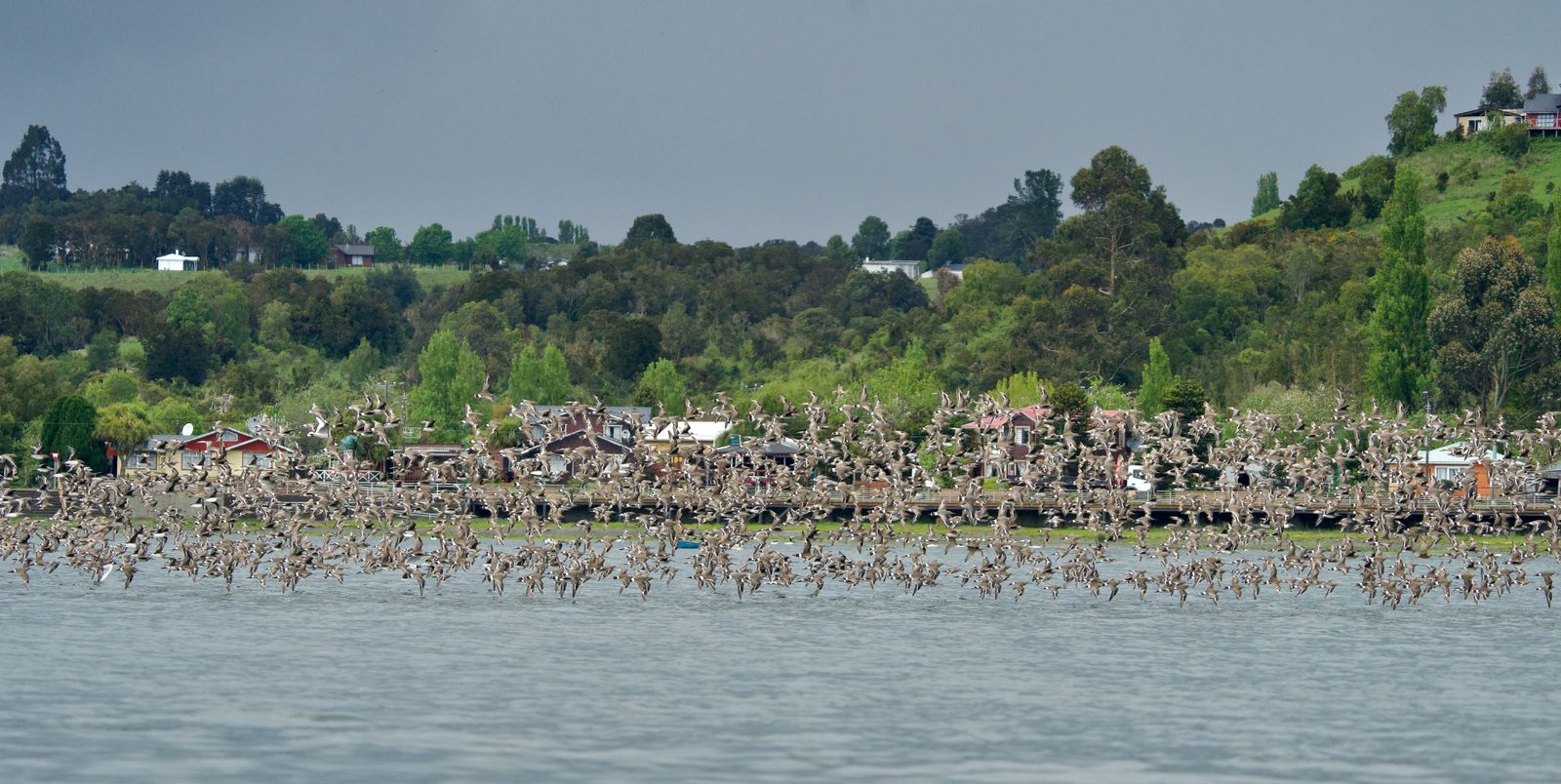
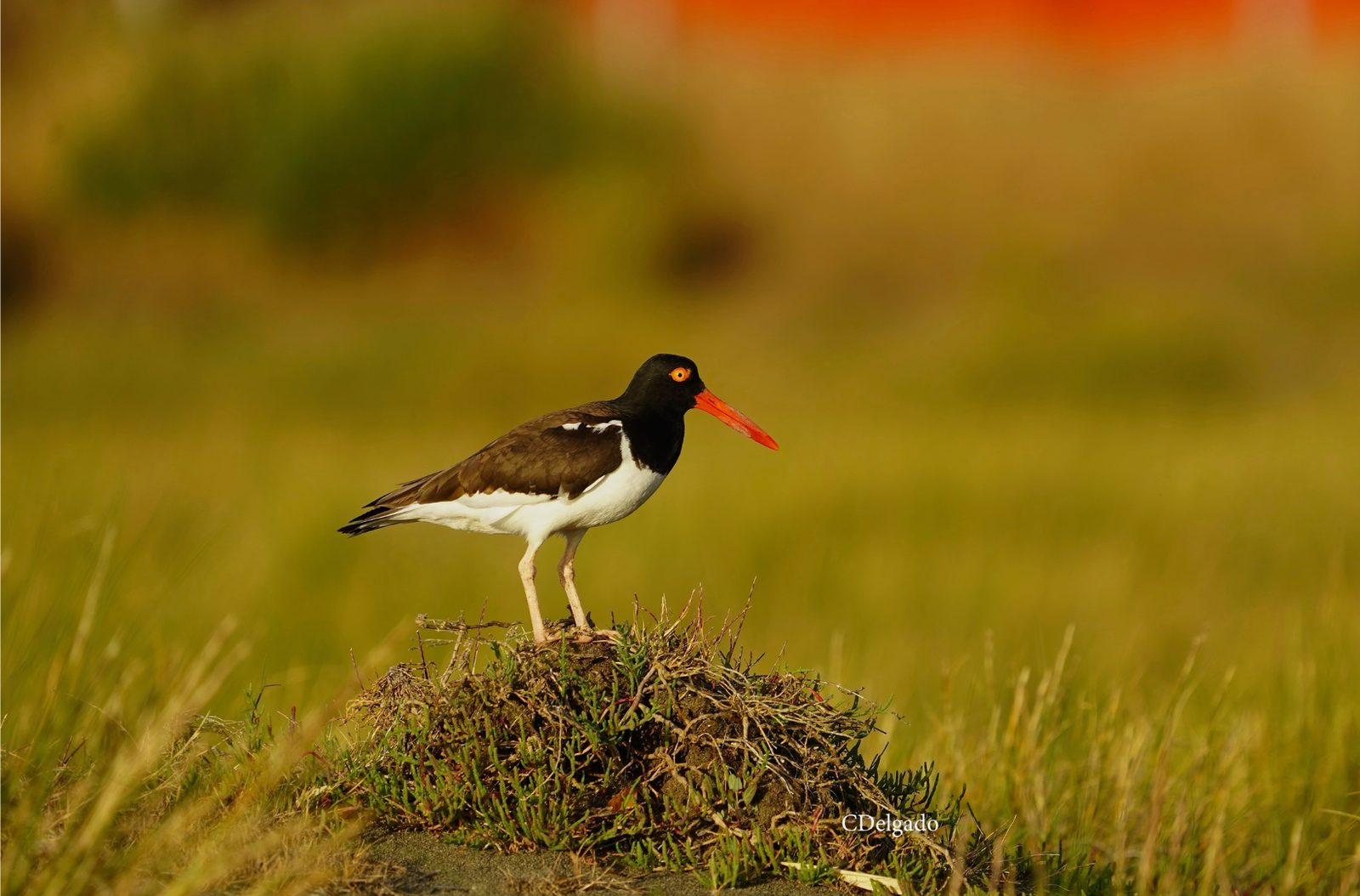
The recognized project is carried out in the Maullín–Chiloé migratory bird corridor, an extensive network of estuaries, salt marshes, beaches, and intertidal flats in the Los Lagos Region that is one of the continent's most important coastal wetland systems for the conservation of migratory shorebirds.
Its emblematic species include the Hudsonian Godwit (Limosa haemastica), a migratory bird that breeds in Alaska and travels thousands of kilometers every year to the wetlands of southern Chile. According to the available scientific evidence, this corridor supports approximately 99% of the Hudsonian Godwit population that breeds in Alaska and uses the Pacific flyway.
Protecting these wetlands therefore has an importance that transcends Chile's borders. Their conservation helps maintain ecological connectivity between North and South America, safeguarding essential feeding and resting sites for migratory birds whose life cycle depends on ecosystems distributed at a hemispheric scale.
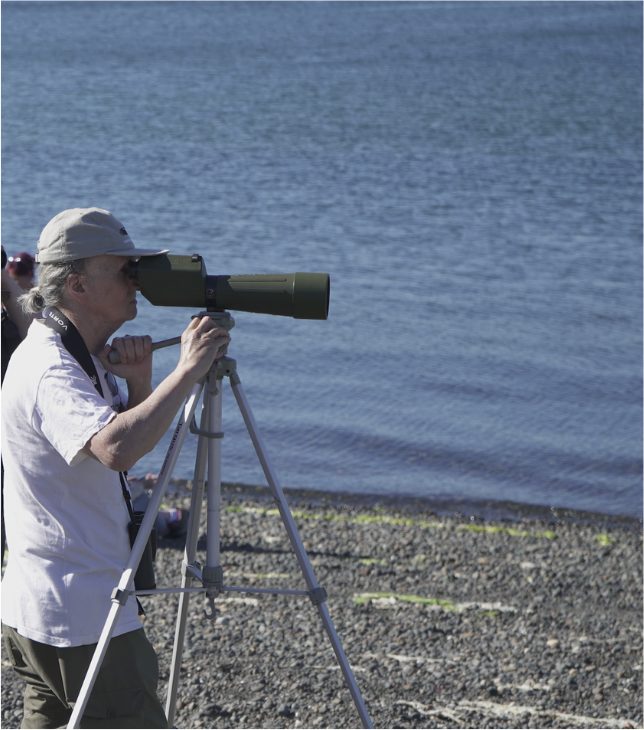
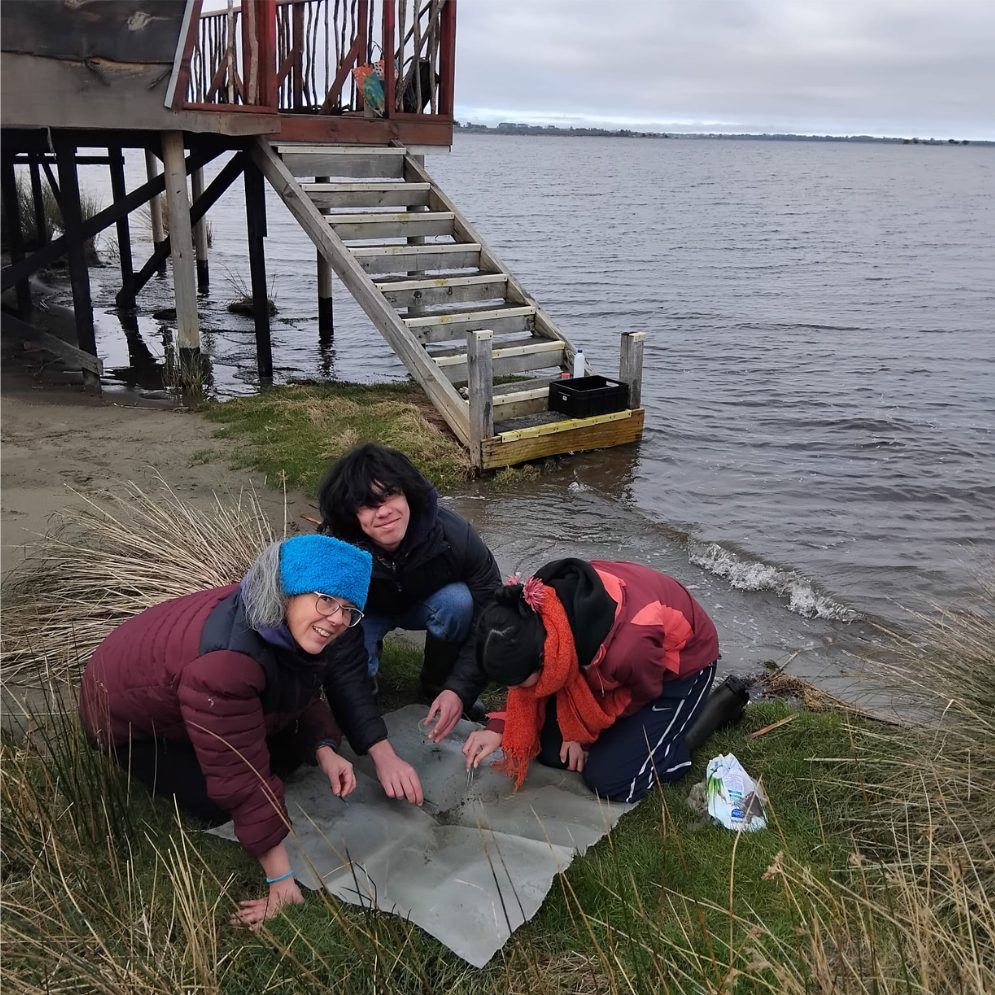
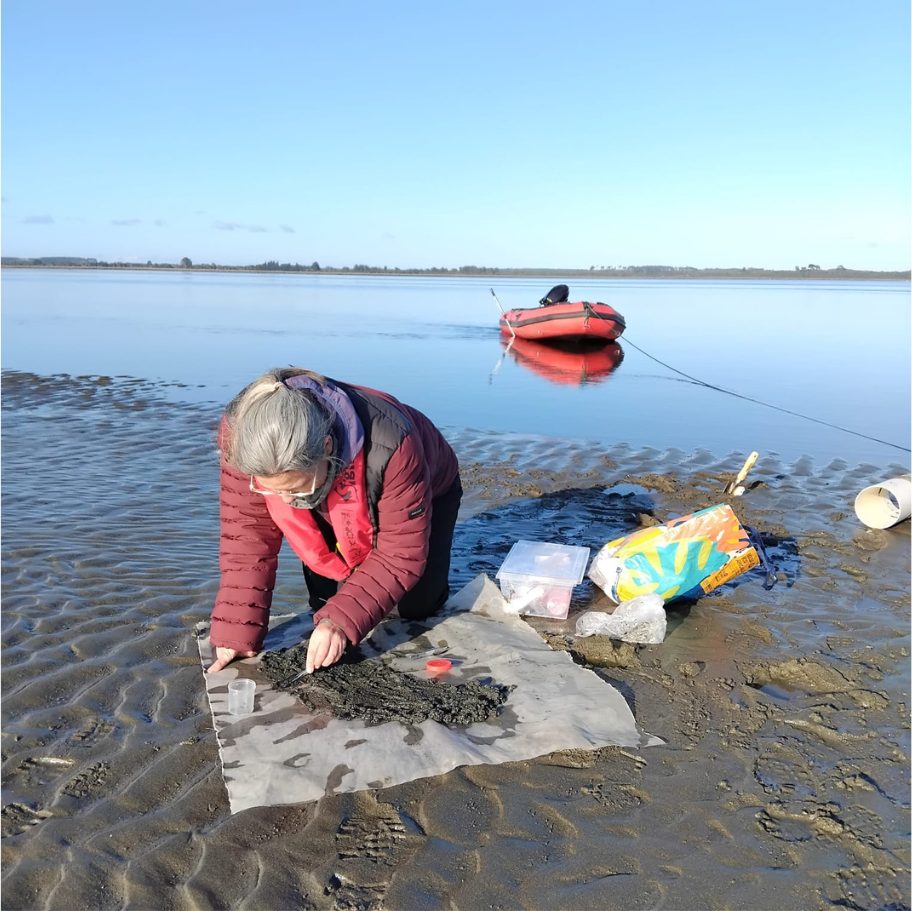
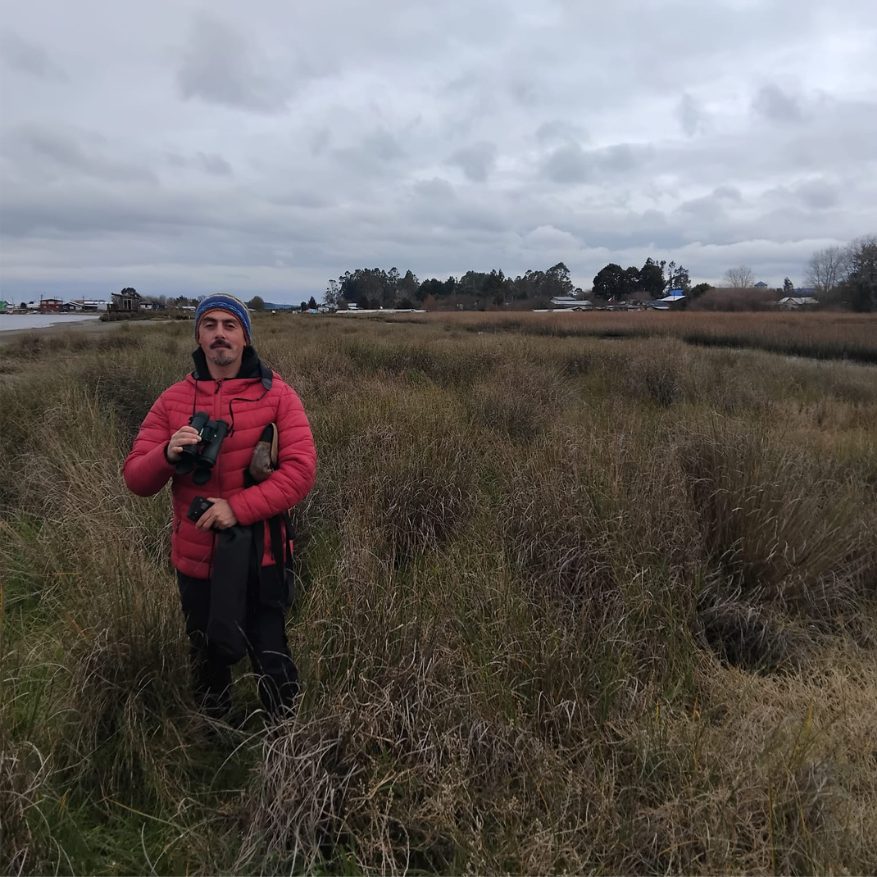
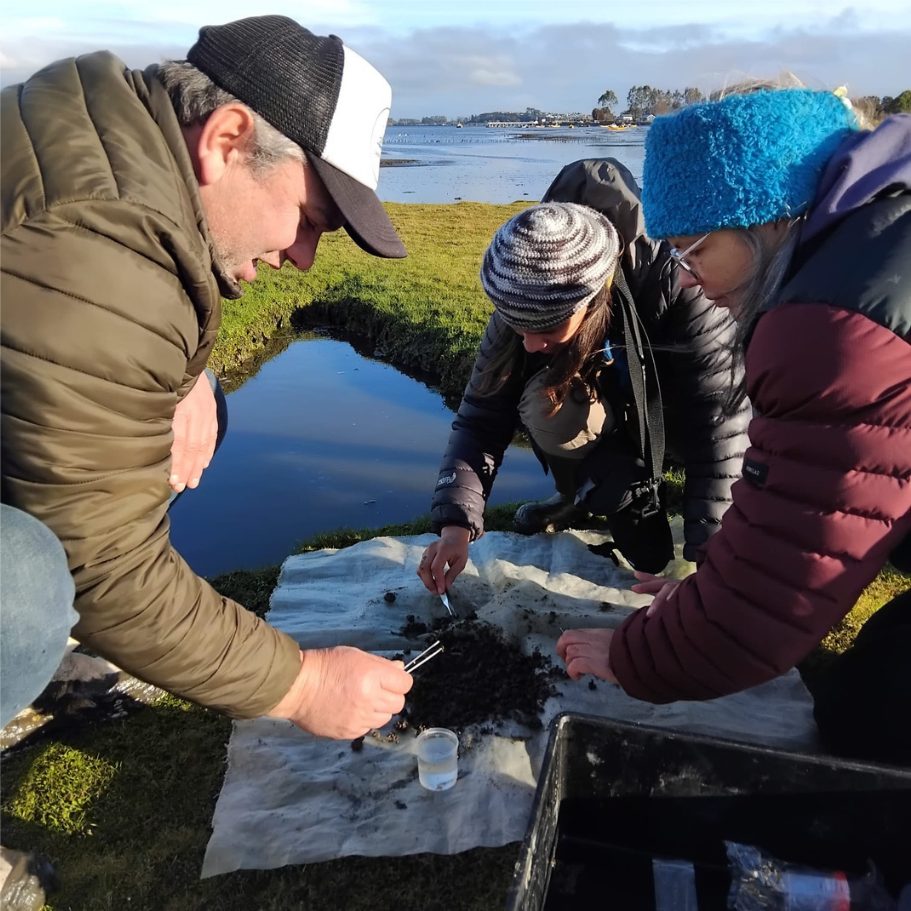
For more than 15 years, FCM has promoted research, bird population monitoring, satellite tracking of migrations, legal protection of wetlands, and habitat management and restoration actions. This work has contributed to the creation of three Nature Sanctuaries in Maullín and Chiloé, which together protect more than 8,300 hectares of ecosystems of high biodiversity value, as well as to the international recognition of two sites of the Western Hemisphere Shorebird Reserve Network (WHSRN): the Maullín Wetlands, with 1,350 hectares and Regional Importance status, and the Coihuín–Chamiza Marine Wetland, with 1,765 hectares and International Importance status. These achievements have helped consolidate a network of strategic wetlands for the conservation of migratory birds and ecological connectivity along the American Pacific flyway.
Collaborative Conservation and Sustainable Community Development
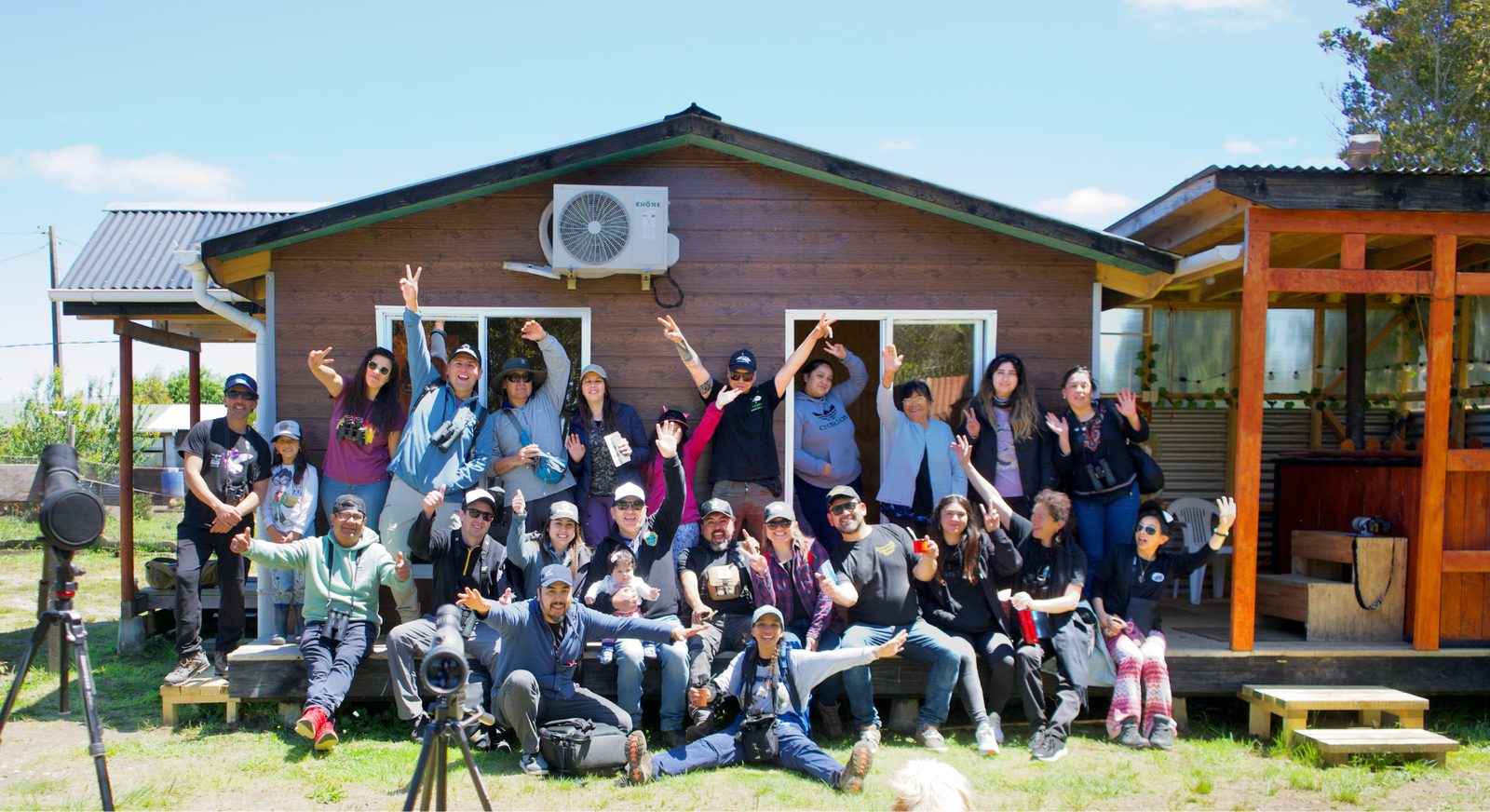
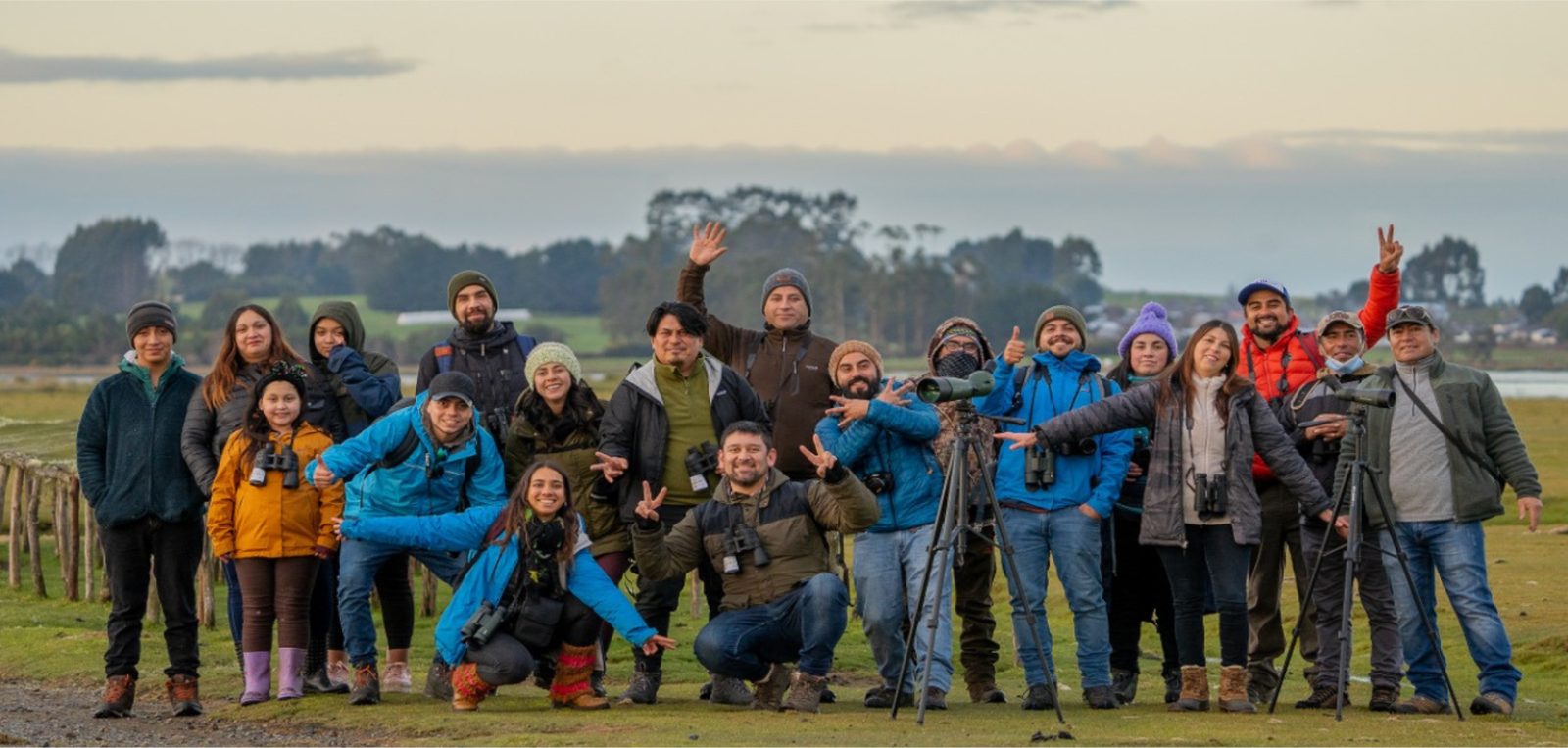
One of the core components of the initiative has been building partnerships with municipalities, Indigenous communities, local organizations, schools, researchers, public agencies, and nature tourism stakeholders.
This approach has linked scientific research with concrete conservation actions, strengthened local capacities, promoted environmental education, and developed birdwatching tourism as an economic development opportunity compatible with biodiversity protection.
The experience shows how the conservation of marine wetlands can simultaneously contribute to the protection of migratory species, the well-being of communities, and the appreciation of the territory's natural and cultural heritage.
A Shared Recognition and an Incentive to Keep Going
Fundación Conservación Marina thanks Chile's National Sustainable Development Commission, FUDESO, the Sustainability Observatory of the Faculty of Economics and Business of the Universidad de Chile, and the institutions that made this recognition possible.
We also extend special thanks to the local communities connected to the wetlands and birds, to the municipalities, partner organizations, research teams, volunteers, and national and international allies who have accompanied this process over so many years. Among them, the sustained support of Biome Conservation, International Conservation Fund (ICF), Manomet, the Western Hemisphere Shorebird Reserve Network, and Point Blue-MSP+ has been, and continues to be, essential to consolidate and expand conservation work in the Maullín–Chiloé bird corridor.
This first place recognizes a collective effort built from the territories and represents an important incentive to continue strengthening the protection of coastal wetlands, scientific research, and community participation in their conservation.