News
2026-10-10
2026-10-10
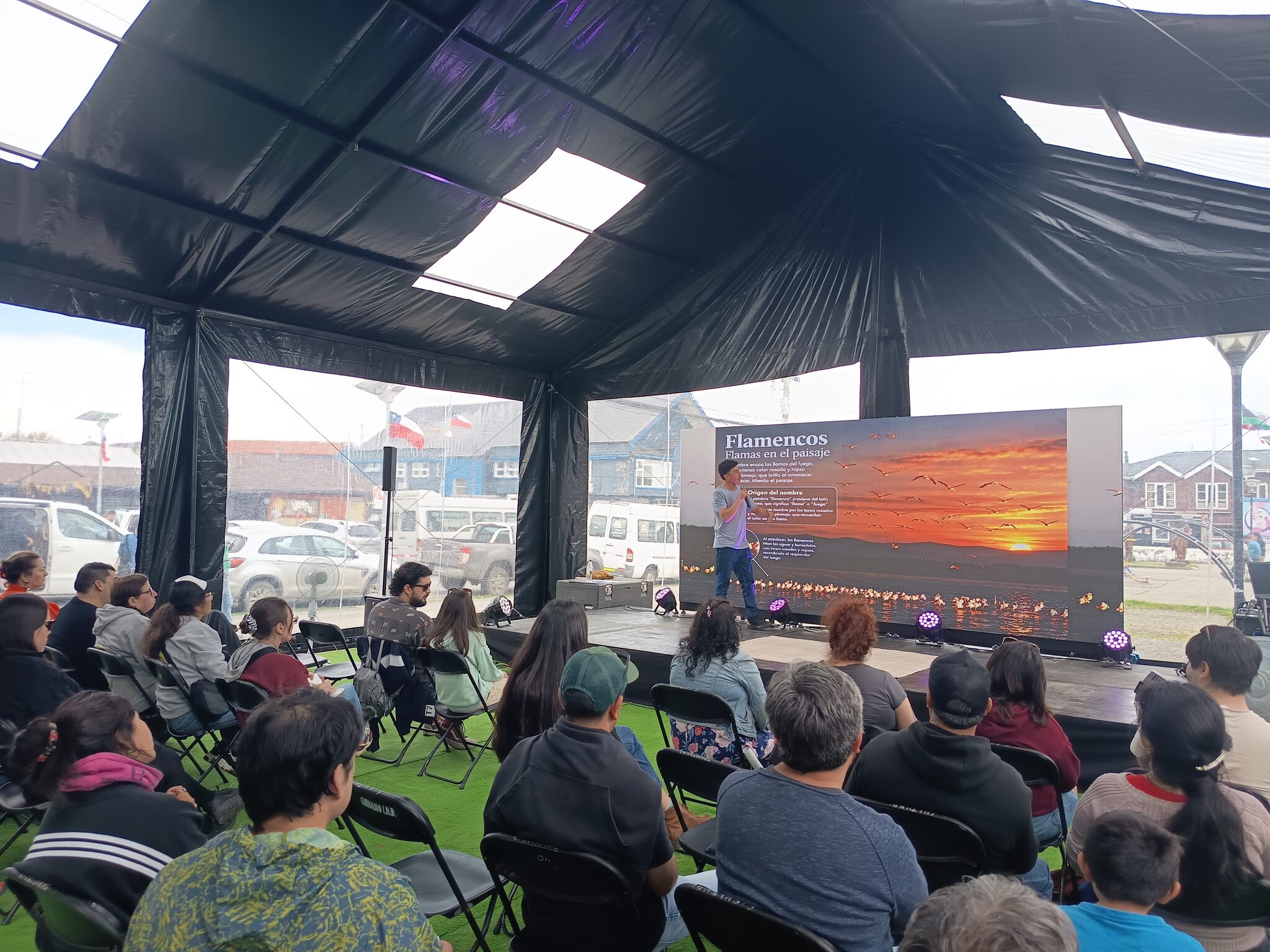
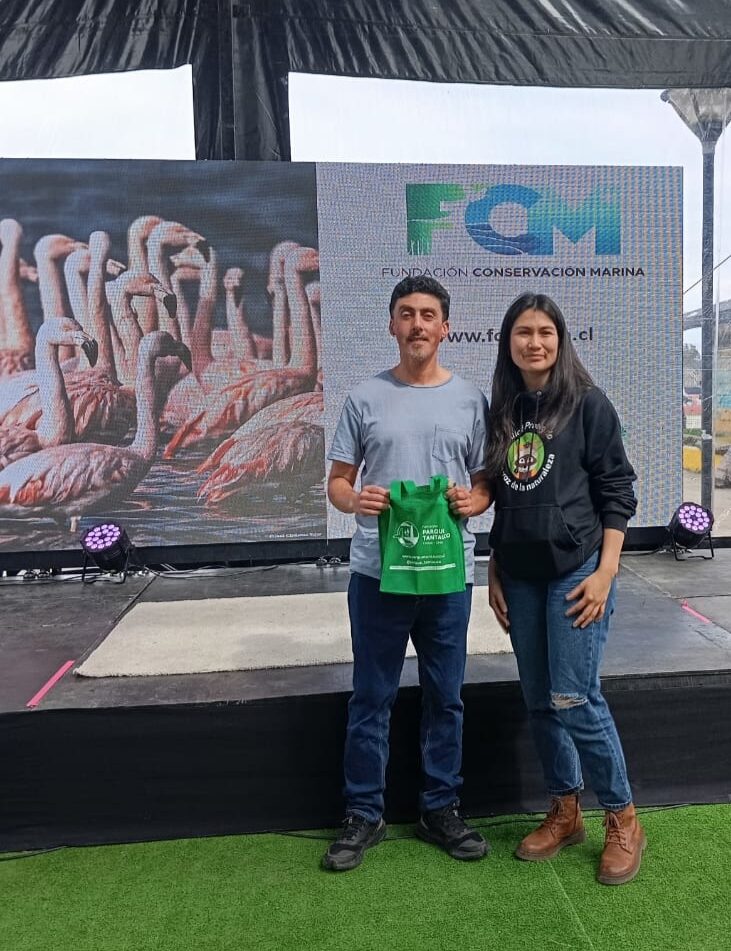
We took part in this important environmental gathering held in Quellón, where we presented the talk “The Flamingos' Winter,” sharing research results on the ecology of the Chilean Flamingo and the importance of Chiloé's marine wetlands for its conservation.
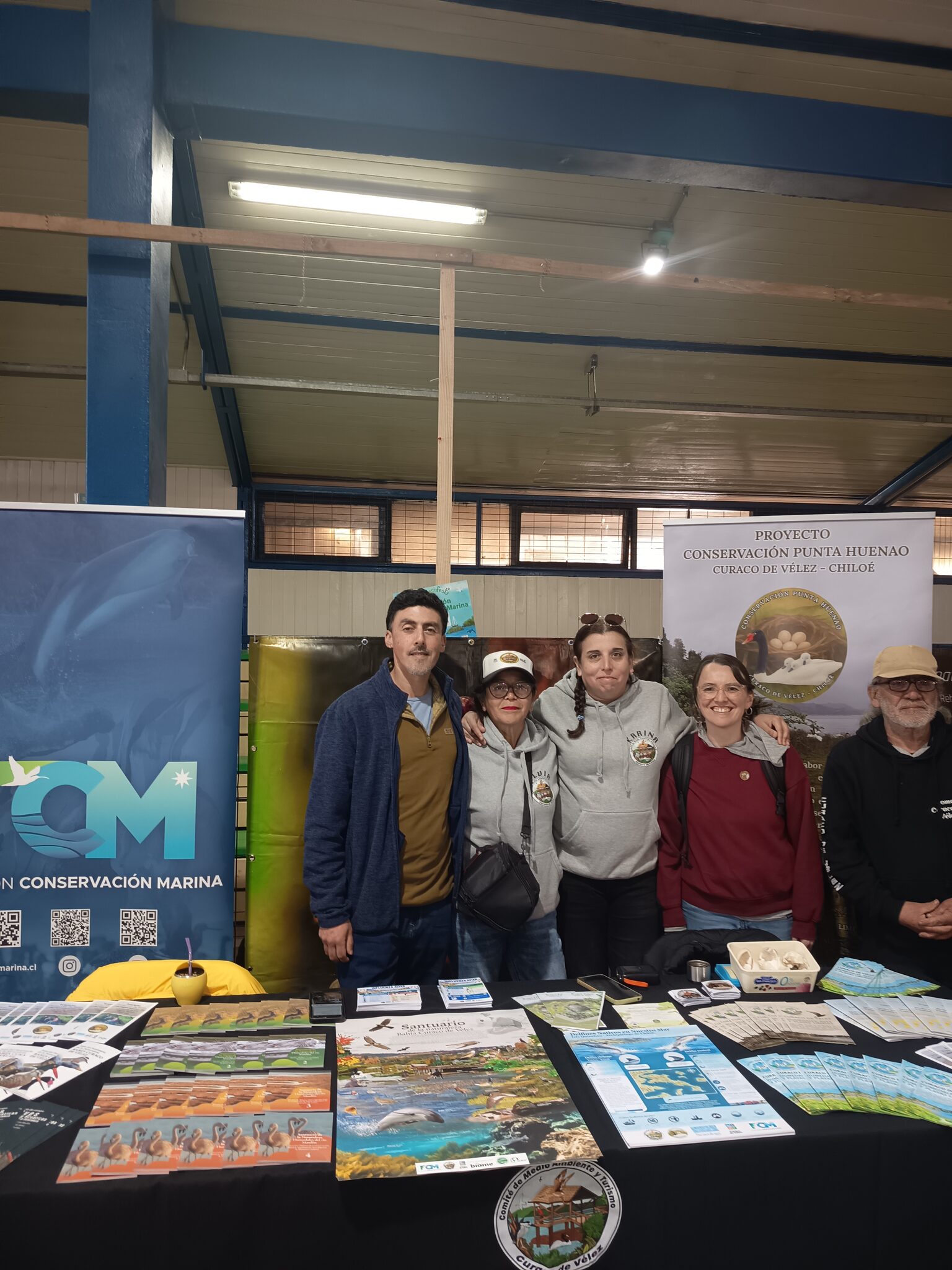
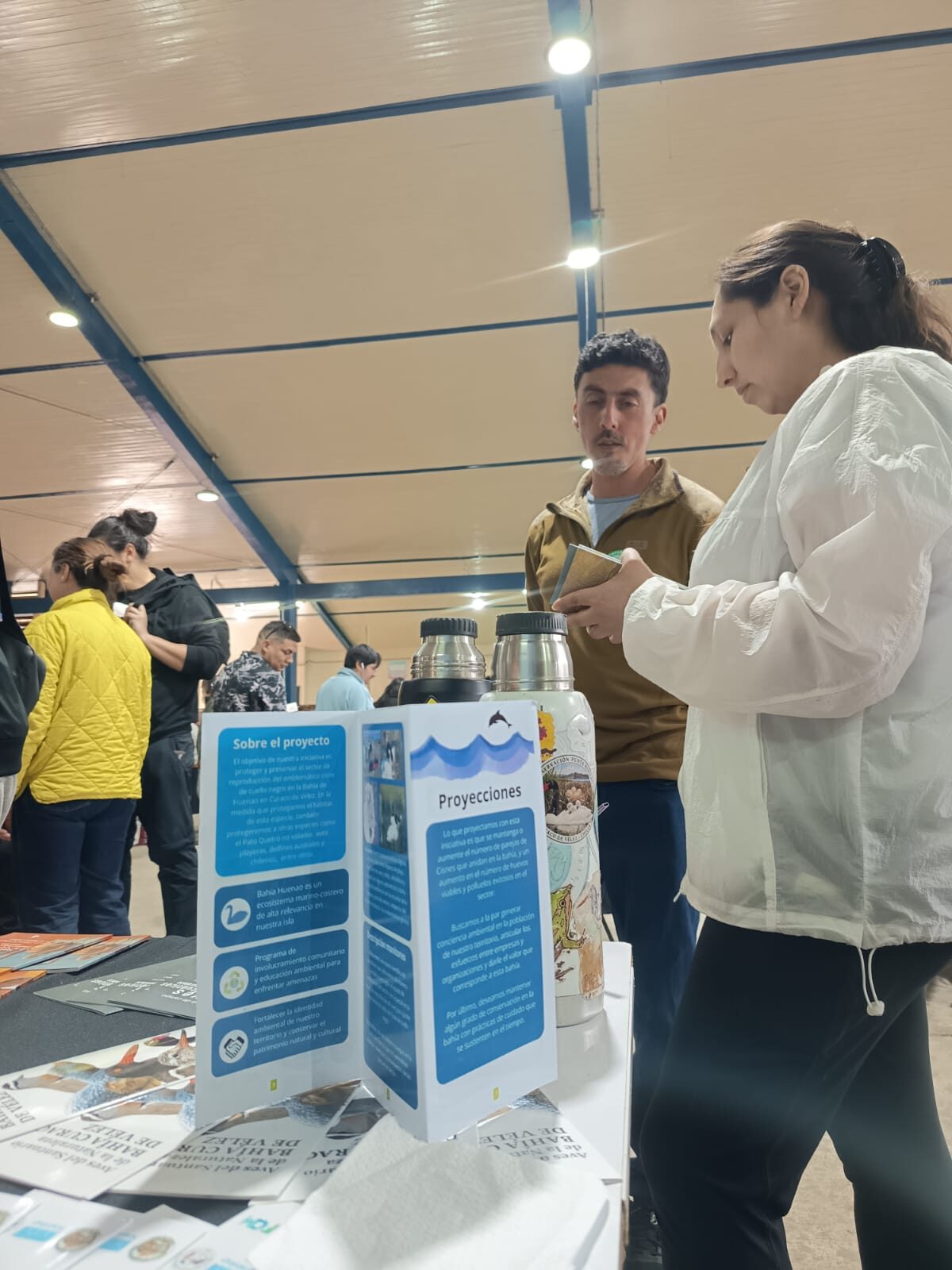
From October 5 to 11, the commune of Quellón hosted the third edition of Chiloé EcoFest 2026, a gathering dedicated to biodiversity conservation, environmental education, and the appreciation of the archipelago's natural heritage. The event, organized by Fundación Parque Tantauco, ONG Chiloé Protegido, and the Municipality of Quellón, included talks, workshops, educational activities, and an EcoFair that brought together local businesses and environmental organizations.
On Saturday, October 10, Fundación Conservación Marina (FCM) was invited to participate with the talk “The Flamingos' Winter: marine wetlands that shelter and feed the Chilean Flamingo (Phoenicopterus chilensis) in the Chiloé archipelago”, prepared by researchers Jaime Cursach and Claudio Delgado.
The presentation shared scientific evidence on the importance of Chiloé's coastal wetlands as feeding areas and winter refuges for this emblematic species, highlighting its ecology, seasonal movements, and relationship with the marine ecosystems of southern Chile.
Chiloé's Wetlands: Refuges for Flamingos
Although flamingos are usually associated with high-Andean salt flats and lagoons, the Chilean Flamingo also makes extensive use of the marine and estuarine wetlands of southern Chile, especially during the autumn and winter months.
The talk presented results from research carried out in the Maullín–Chiloé migratory bird corridor, based on records obtained between 2020 and 2026 at 14 coastal wetlands. This evidence shows marked seasonal variation in flamingo abundance, with higher concentrations during autumn and winter, particularly between March and July.
The species' seasonal movements and the connectivity between the different wetlands it uses throughout its annual cycle were also discussed, highlighting the importance of the Chiloé archipelago within this ecological network.
Science and Conservation Reaching Communities
FCM's participation in Chiloé EcoFest brought scientific knowledge closer to the community and highlighted the importance of protecting the archipelago's marine wetlands, ecosystems that are essential for numerous resident and migratory waterbird species.
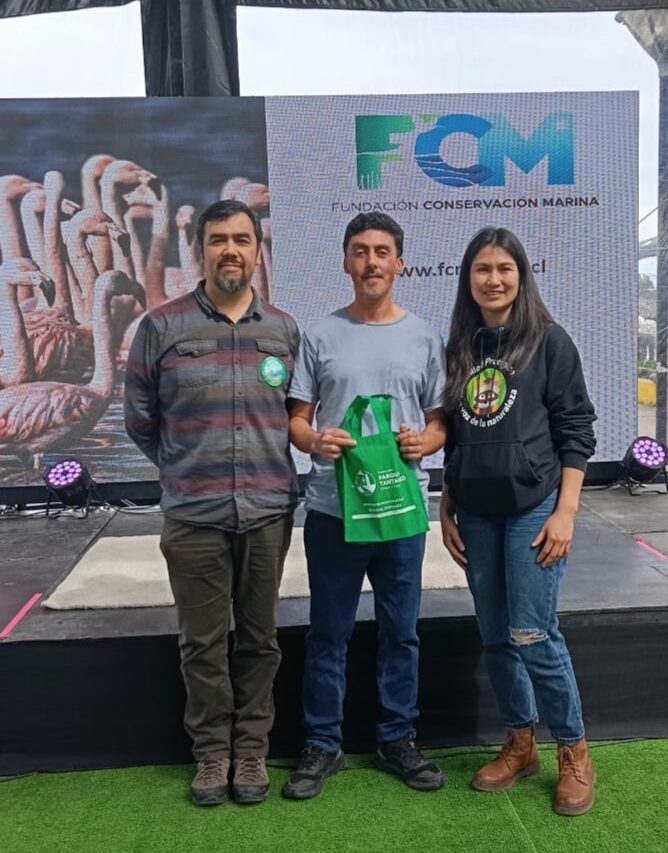
Fundación Conservación Marina thanks the organizers for the invitation and values this third edition of Chiloé EcoFest, which helps create spaces for gathering, learning, and environmental awareness, strengthening the bond between communities and Chiloé's natural heritage.
Sharing the results of our research is part of FCM's commitment to science communication, the appreciation of biodiversity, and the conservation of the coastal wetlands of southern Chile.