News
2026-06-17
2026-06-17
Fundación Conservación Marina (FCM) continues to strengthen its ties with the training of new professionals, supporting the capstone research and thesis work of a Marine Biology student from Universidad de Los Lagos, whose research aims to contribute new evidence on the feeding ecology of the Chilean flamingo (Phoenicopterus chilensis) in the Maullín River Wetlands Nature Sanctuary.
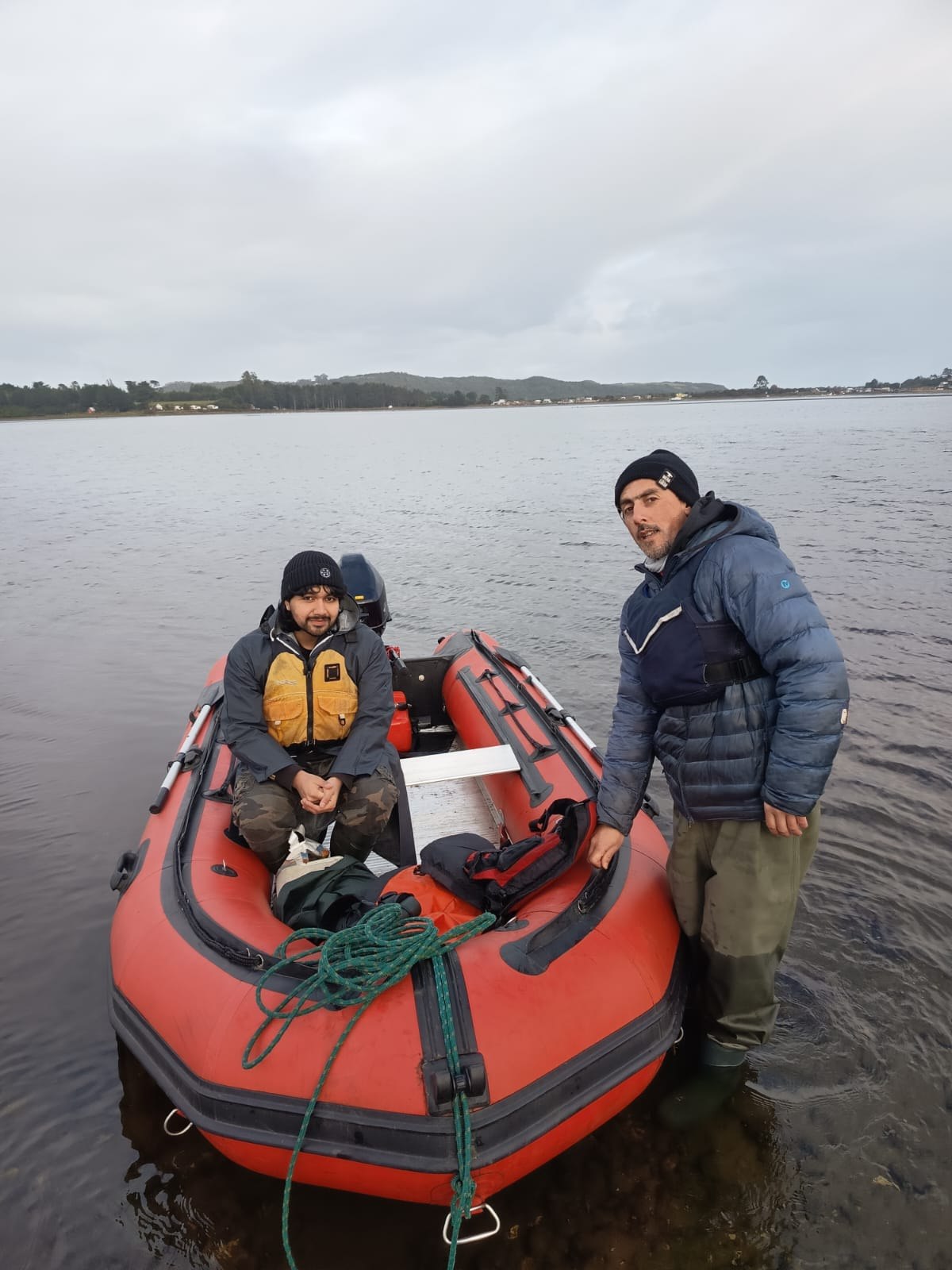
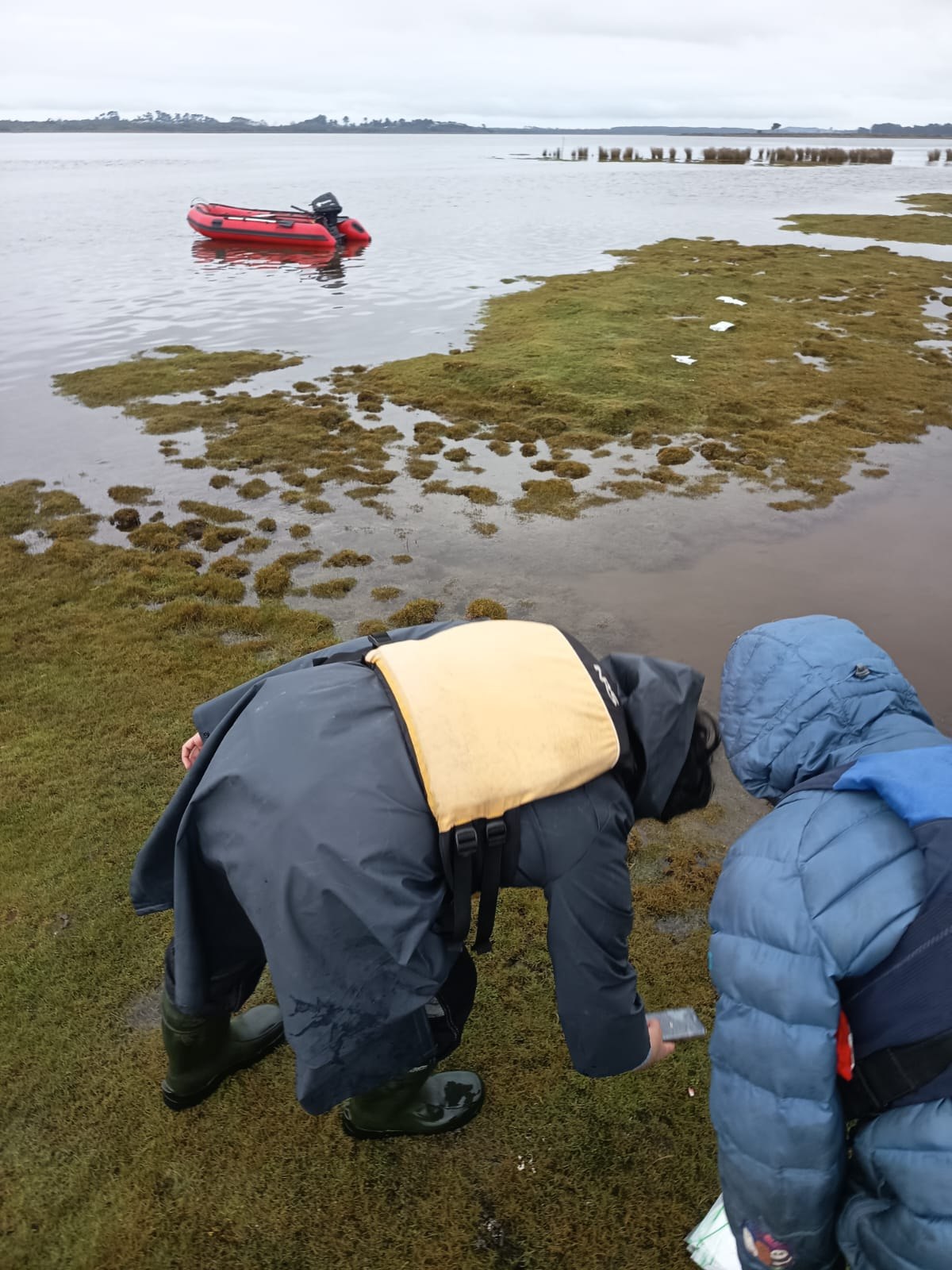
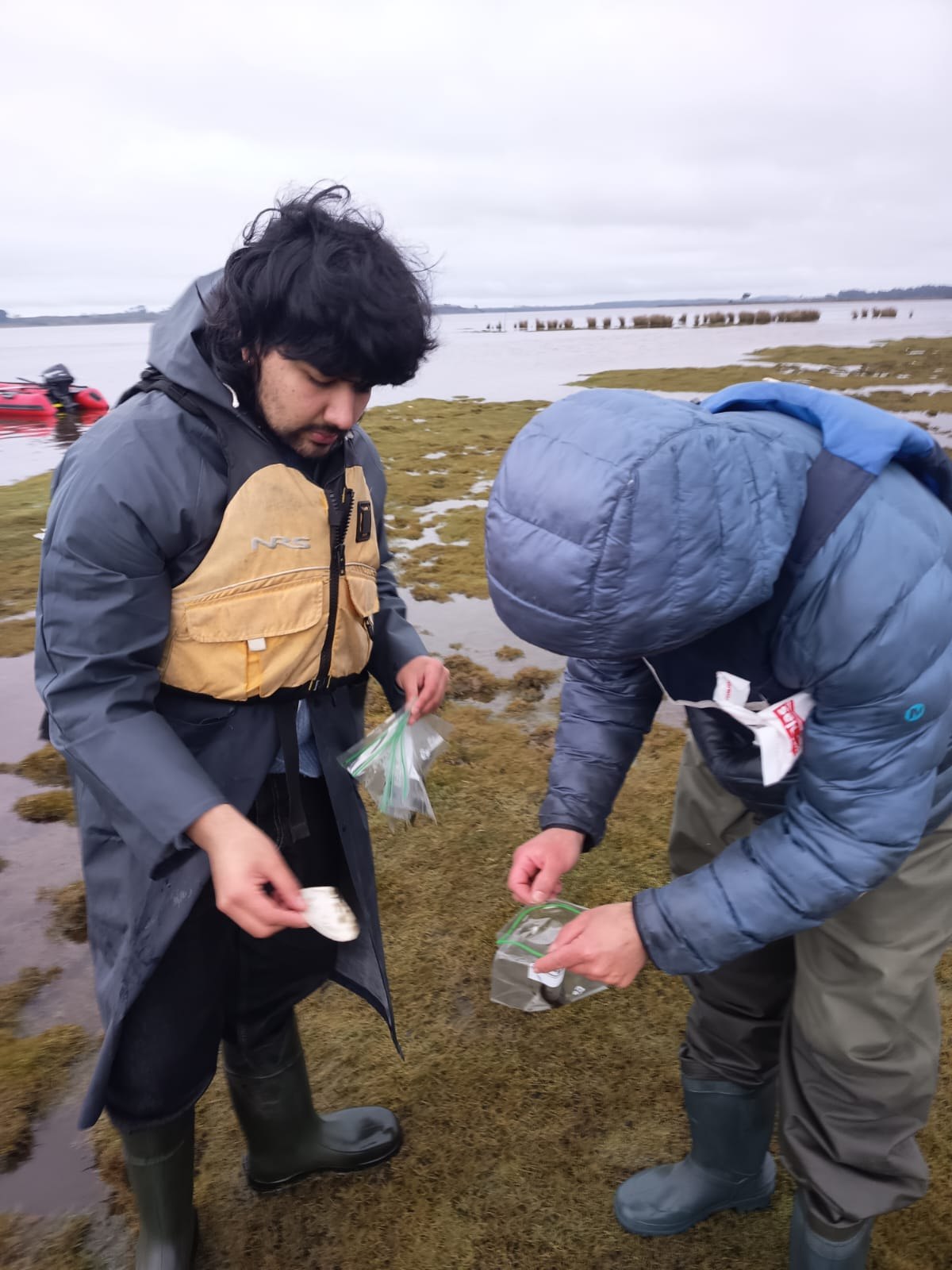
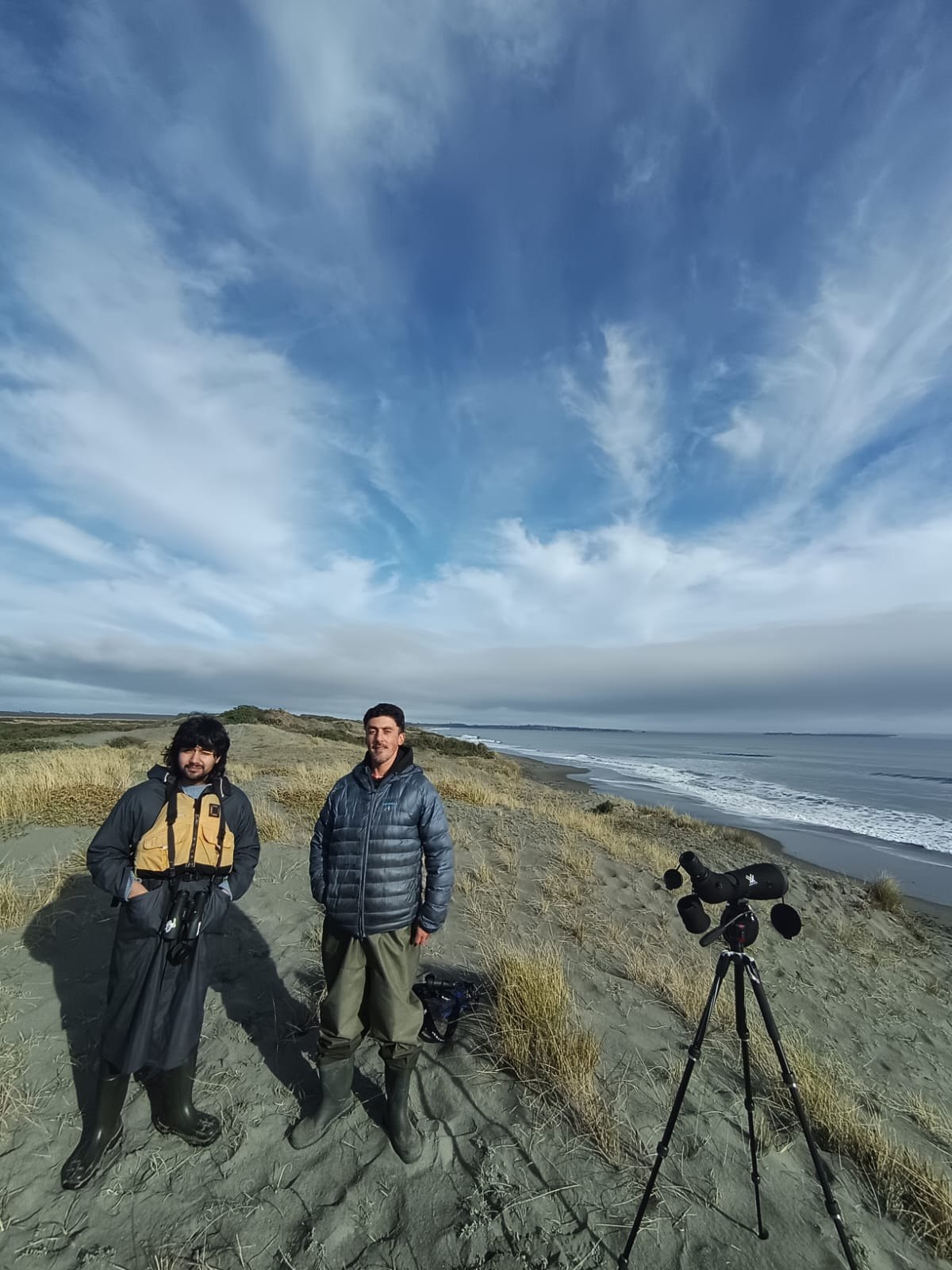
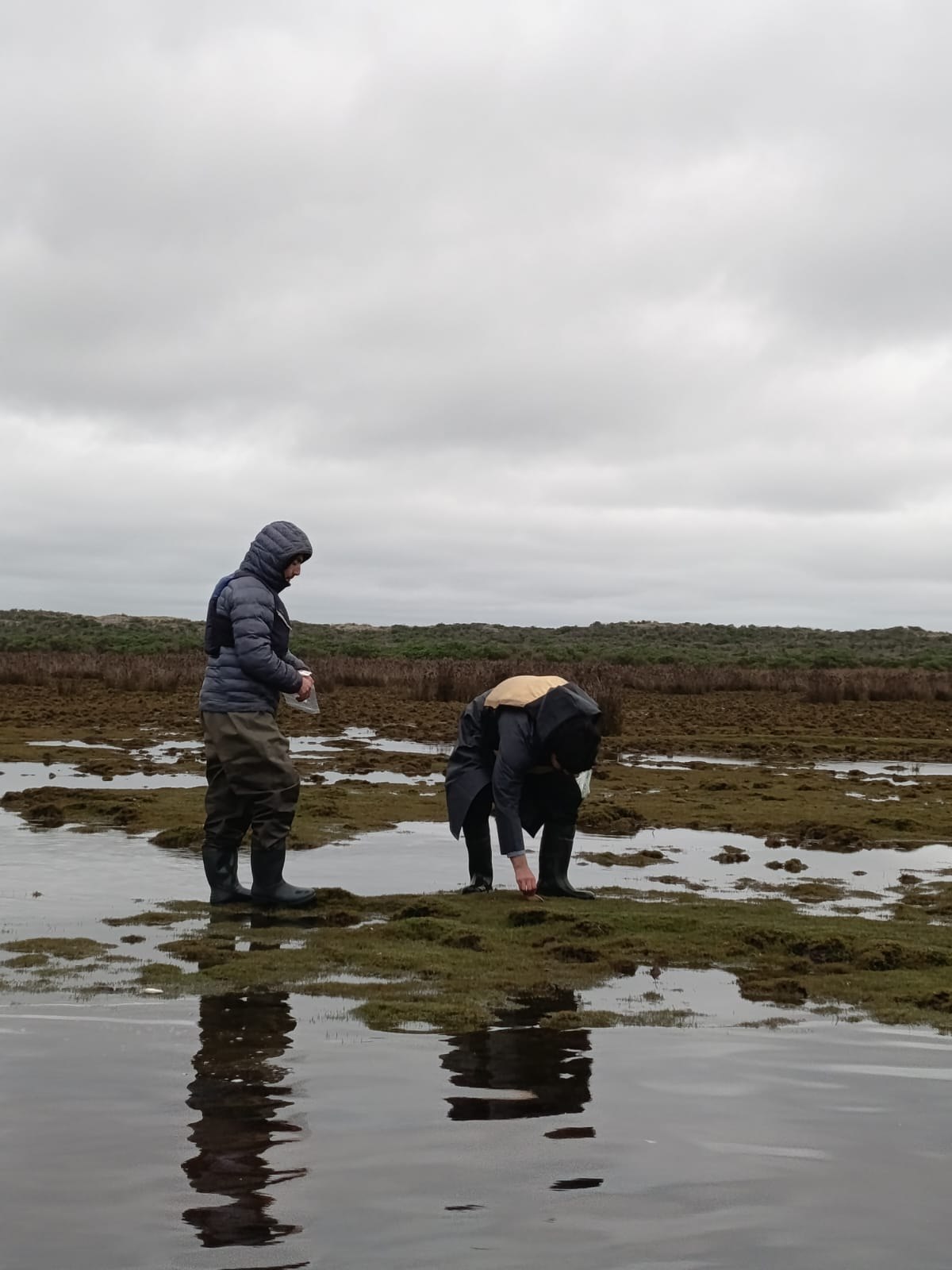
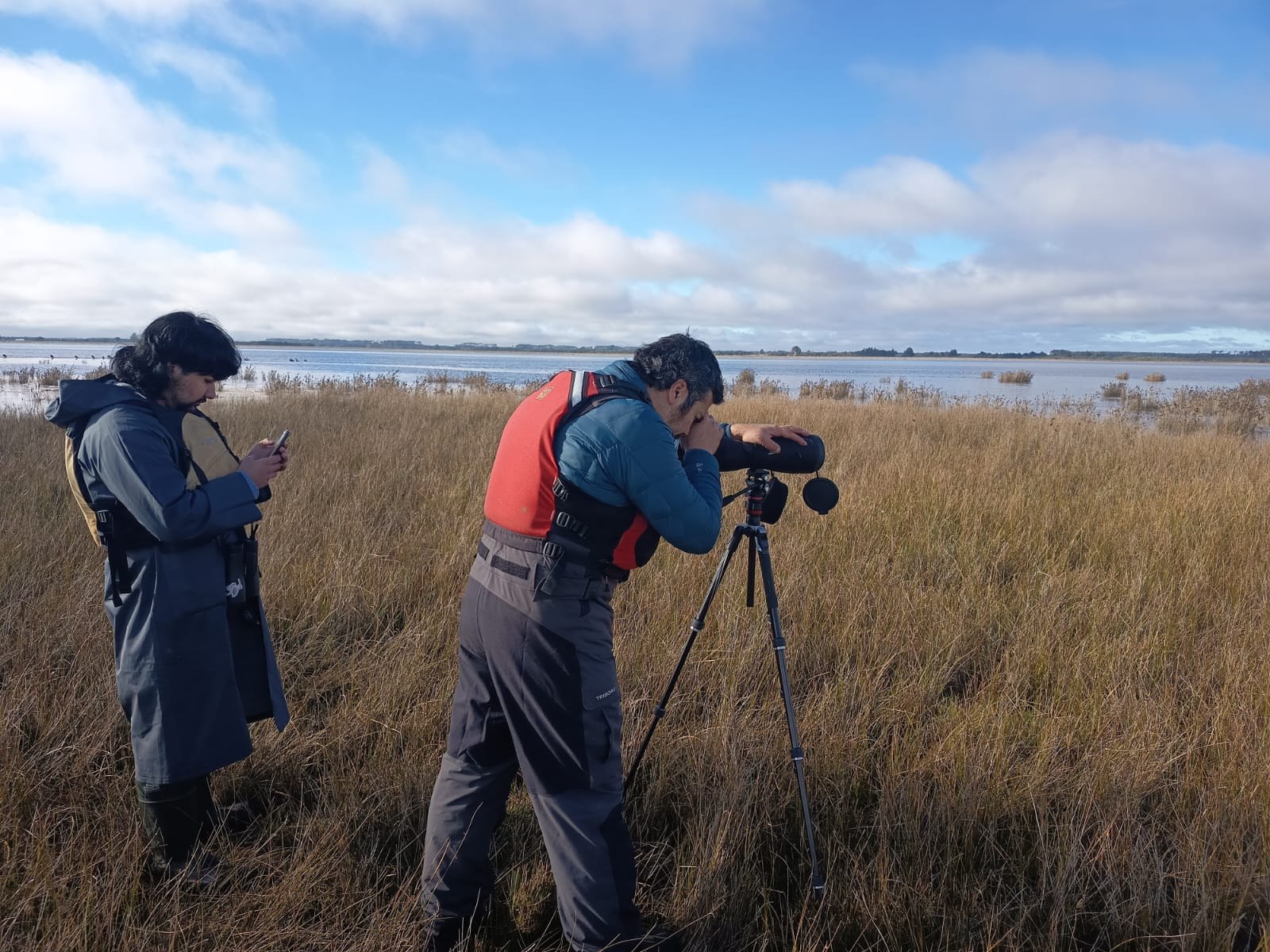
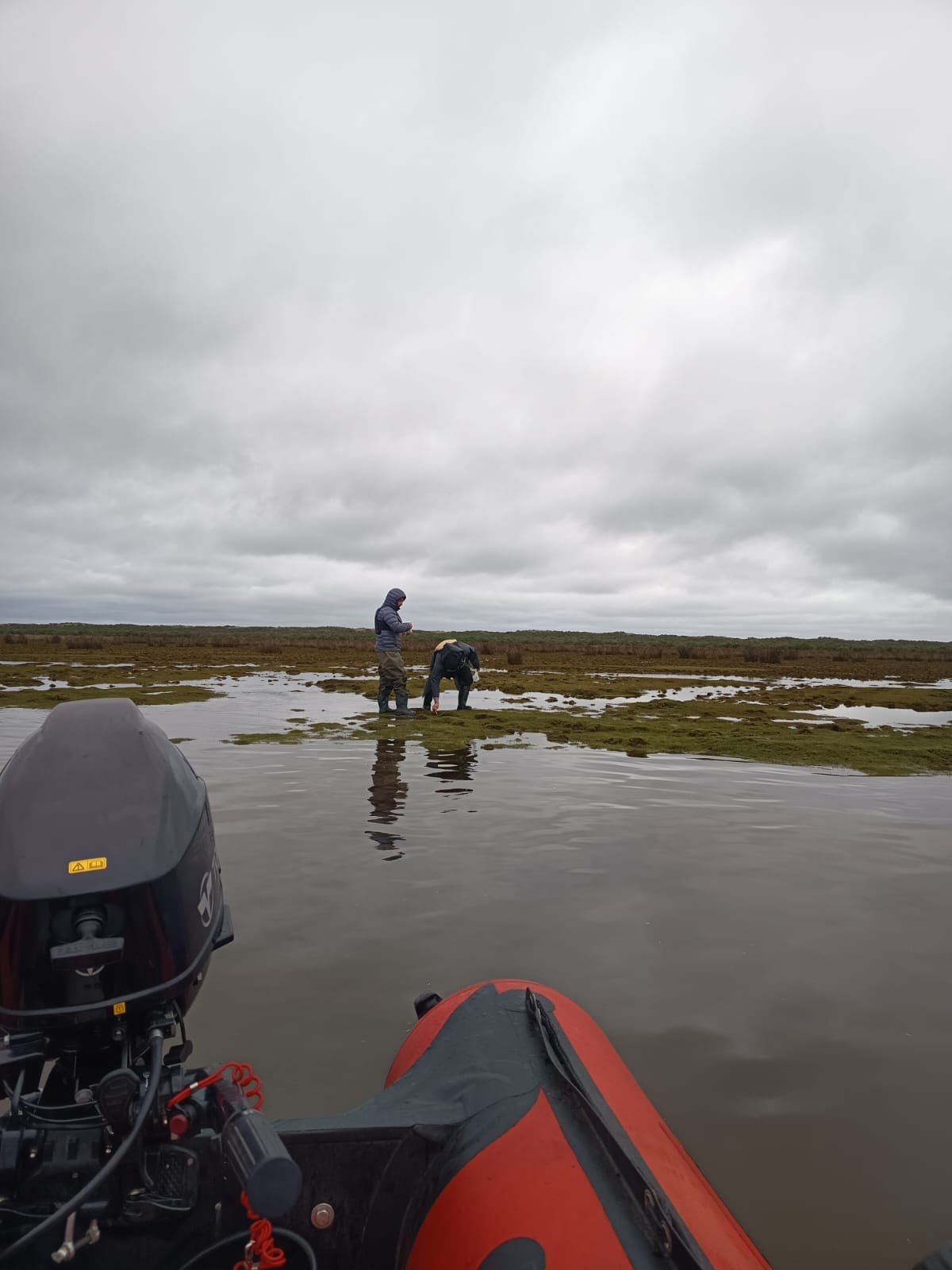
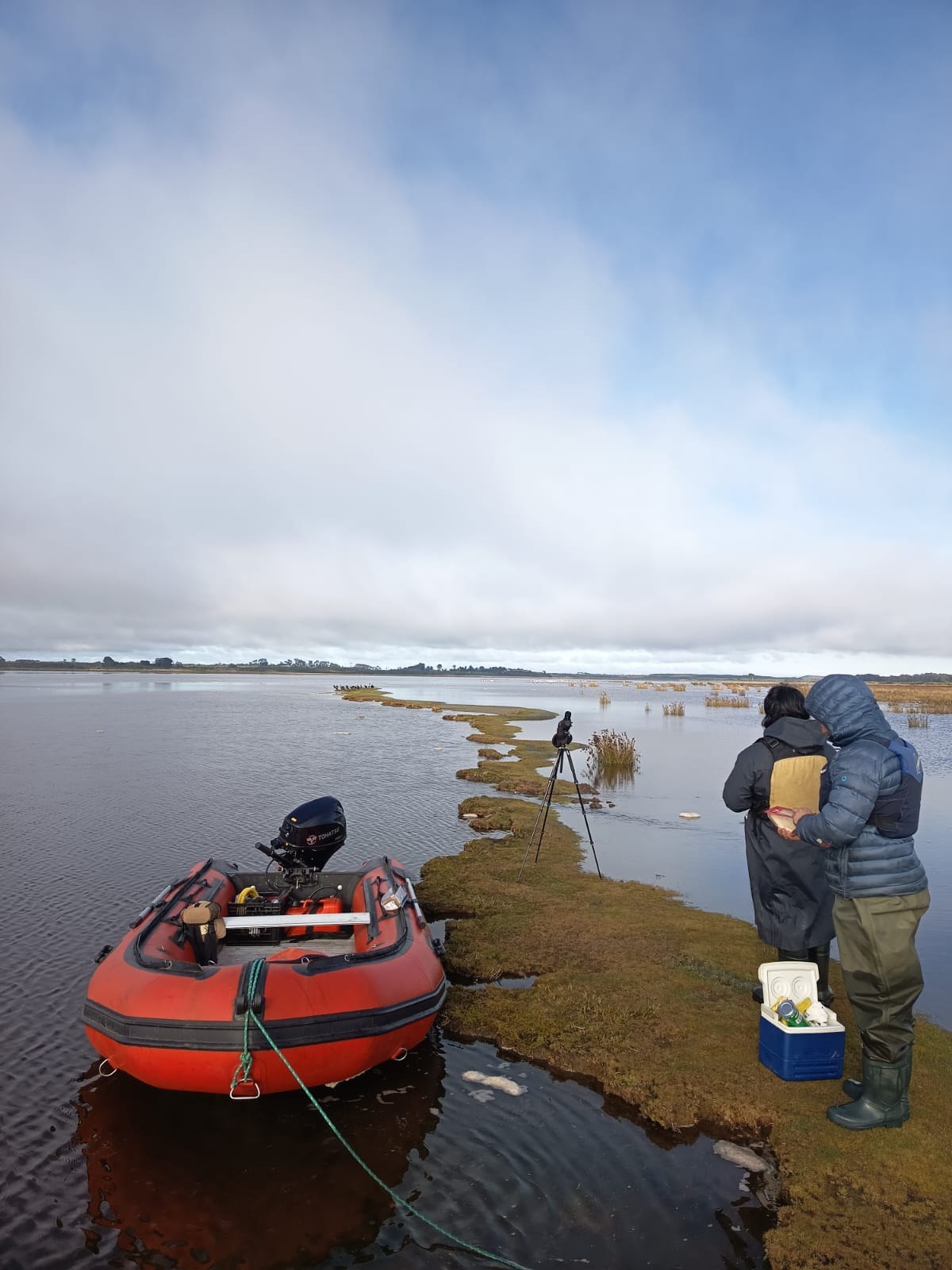
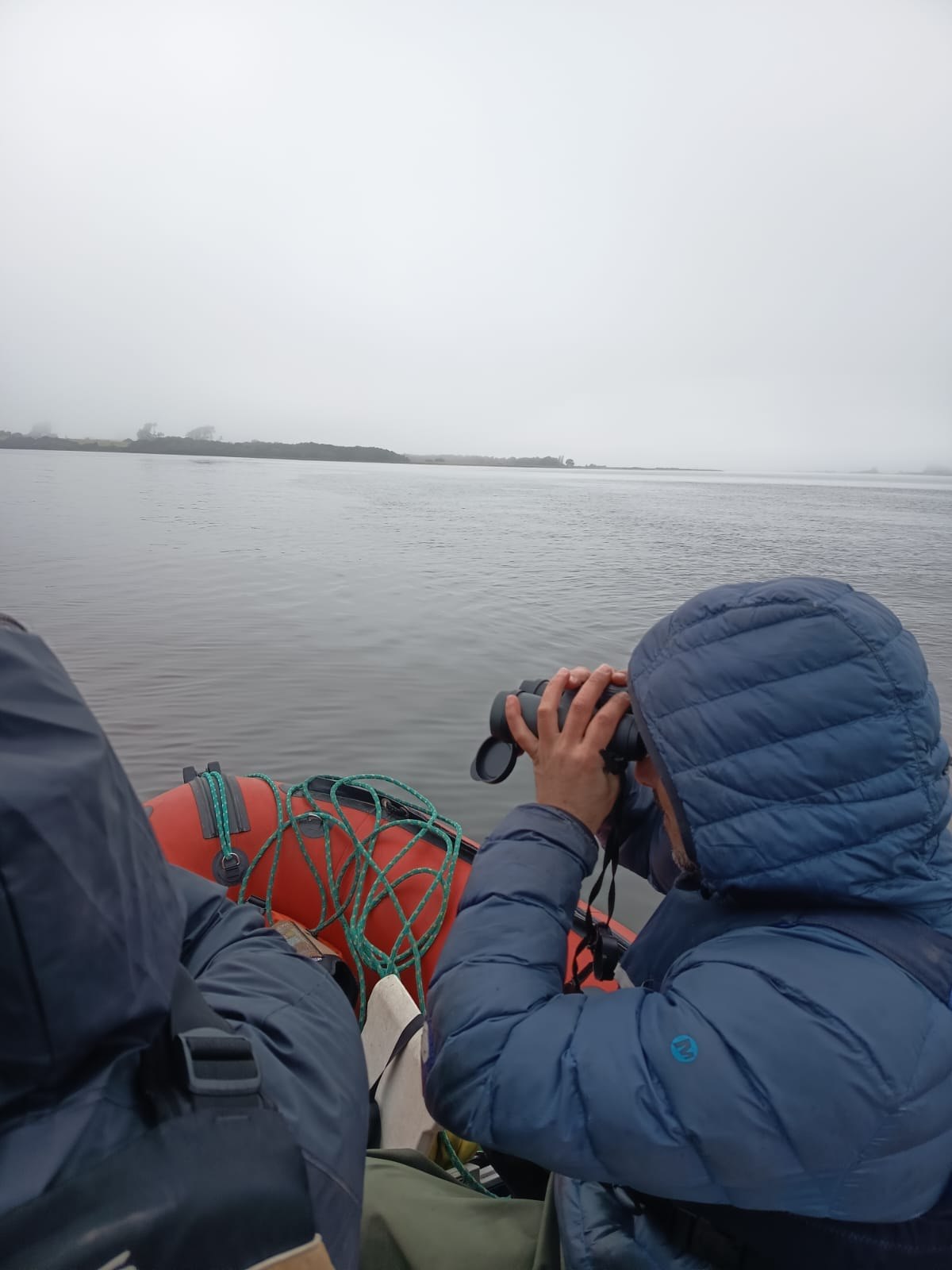
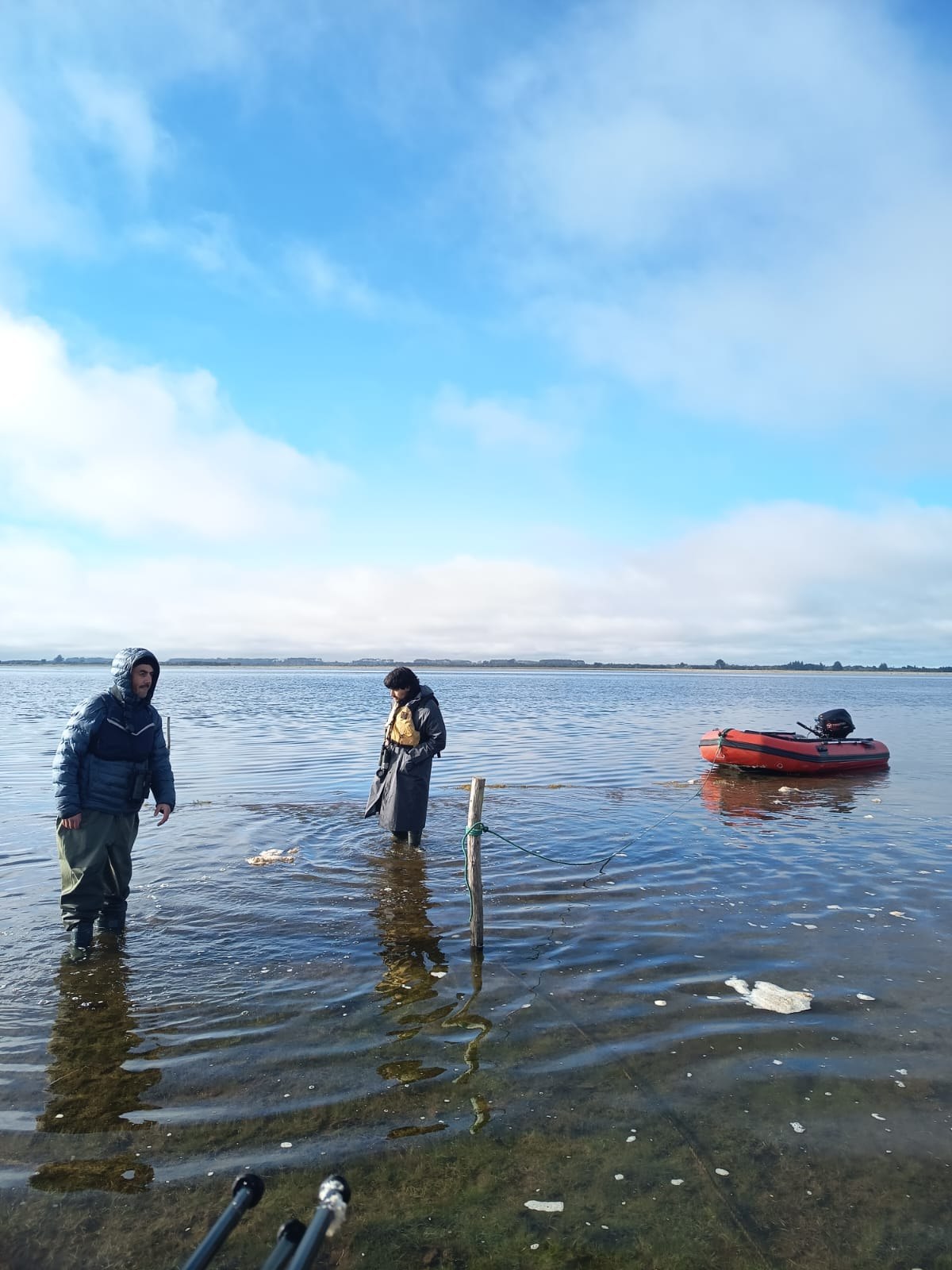
As part of this work, fieldwork sessions were carried out in June across different environments used by the flamingos for feeding. Activities included direct observation of the birds, identification of feeding areas, and sampling in intertidal sectors and aquatic environments, with logistical and technical support from FCM.
The research aims to advance understanding of what food resources are available to the flamingos and what characterizes the environments they use during their time in Maullín. This information will help improve understanding of the relationship between the species and coastal wetlands, generating evidence that can later be incorporated into monitoring and conservation actions.
The Chilean flamingo is one of the high conservation-value species present in the Maullín River wetlands. Its concentrations in certain sectors of the estuary underscore the importance of maintaining environments with suitable conditions for feeding and resting. However, significant information gaps remain regarding its ecology and the resources that determine site selection.
For FCM, supporting theses, capstone projects, and the training of university students is also a concrete way of connecting academic research with the territory's conservation needs. This support allows students to work on relevant scientific questions, gain access to study sites, and directly experience the challenges of monitoring and managing protected areas.
Collaboration with Universidad de Los Lagos thus contributes to generating applied knowledge while also training new professionals with direct experience in field research, bird conservation, and wetland ecology.
This work is part of the broader efforts Fundación Conservación Marina has been developing to improve knowledge of and conservation for the Chilean flamingo in the wetlands of southern Chile, combining monitoring, research, student training, and collaboration with universities and specialized institutions.
Supporting this type of research means that each day in the field produces not only new data on the species, but also new human capacity to face the future challenges of conservation.