News
2026-08-29
2026-08-29
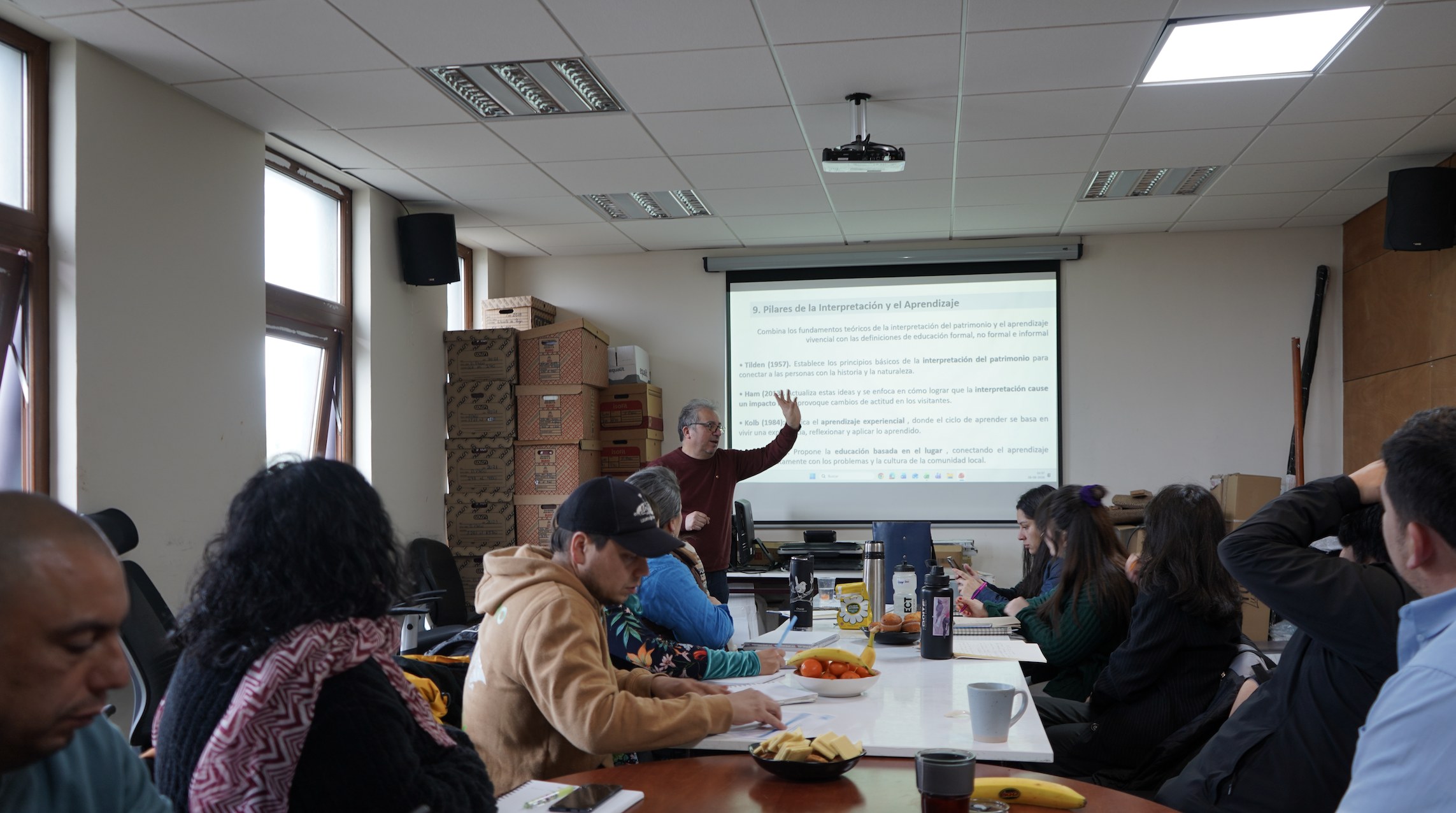
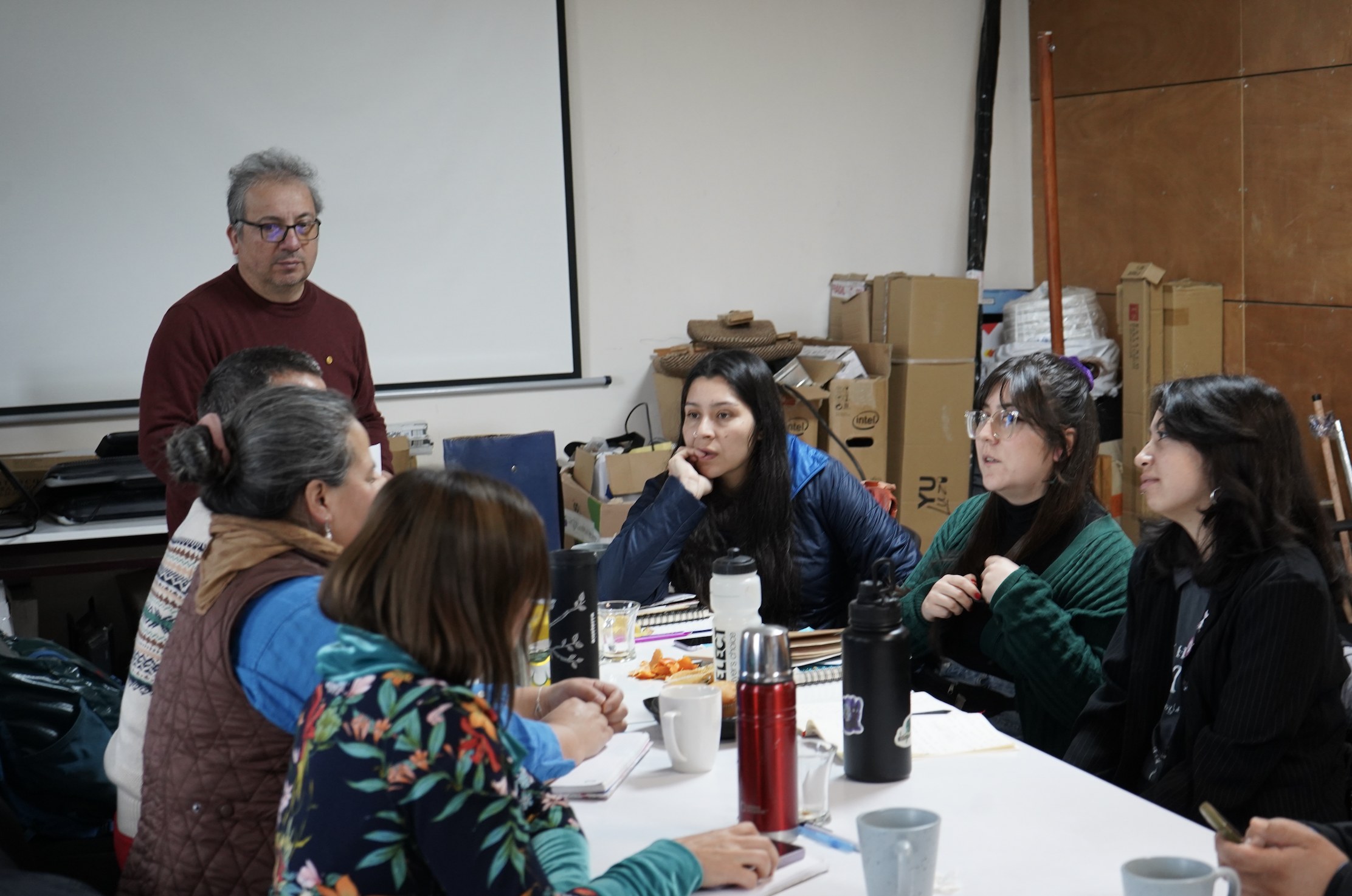
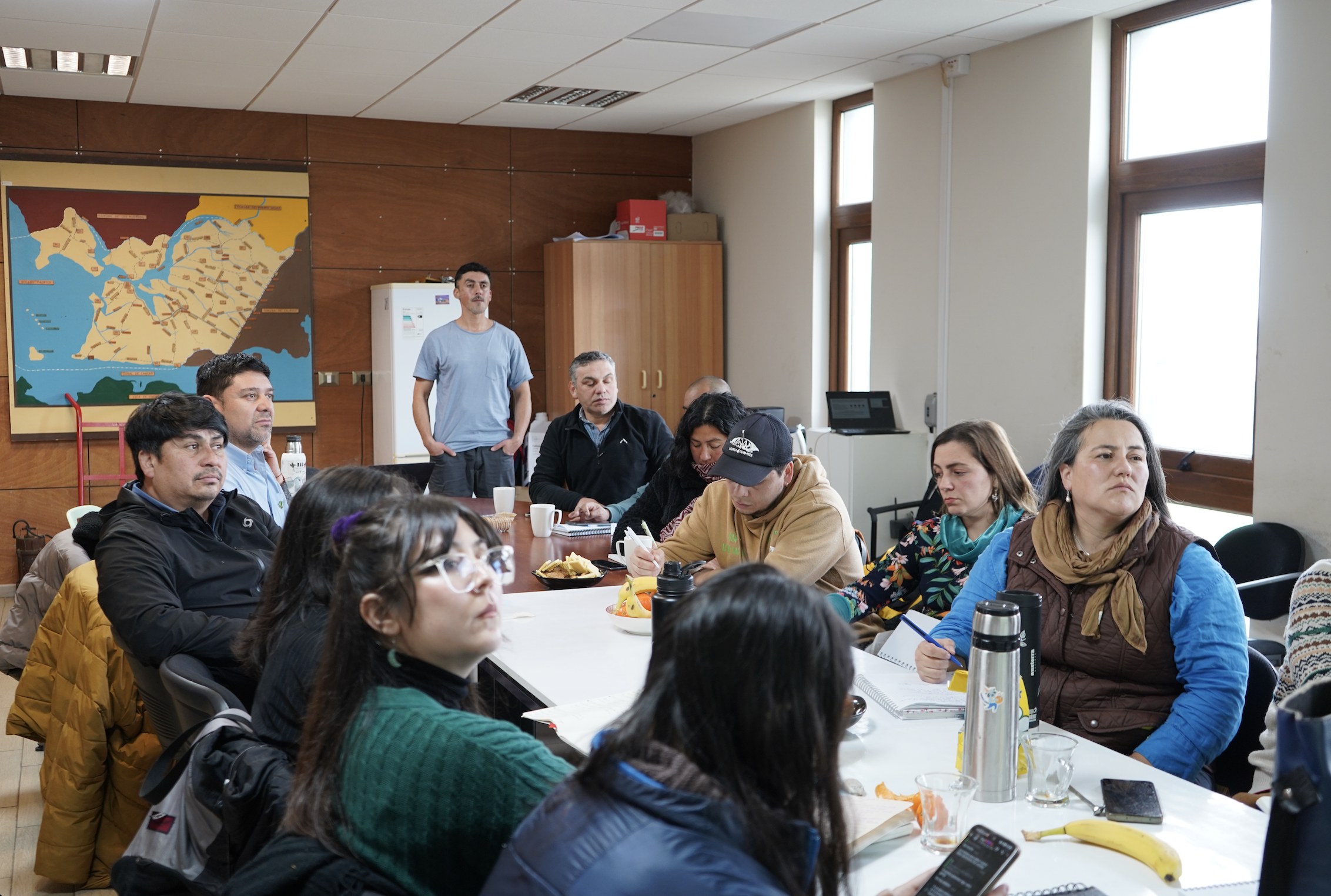
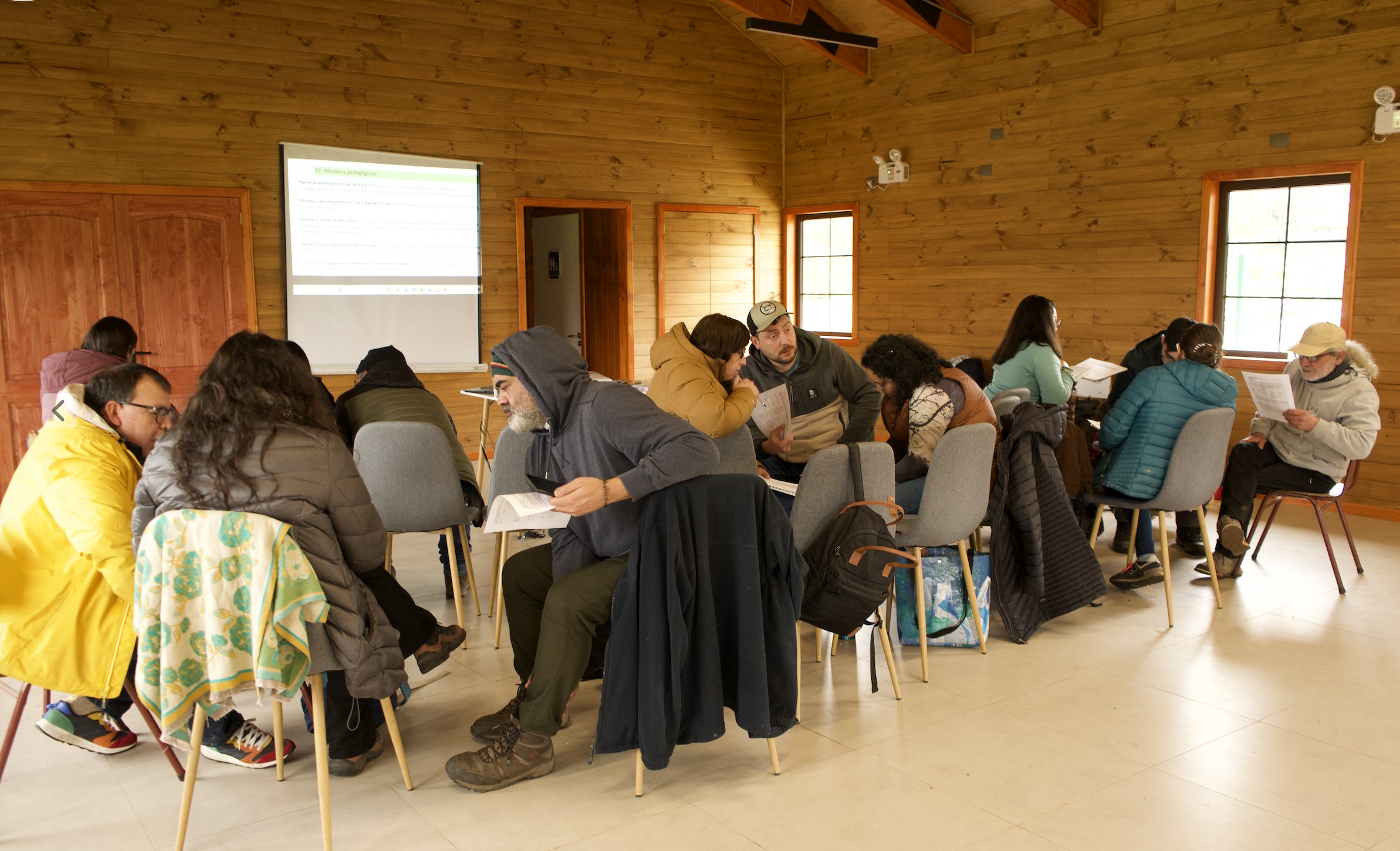
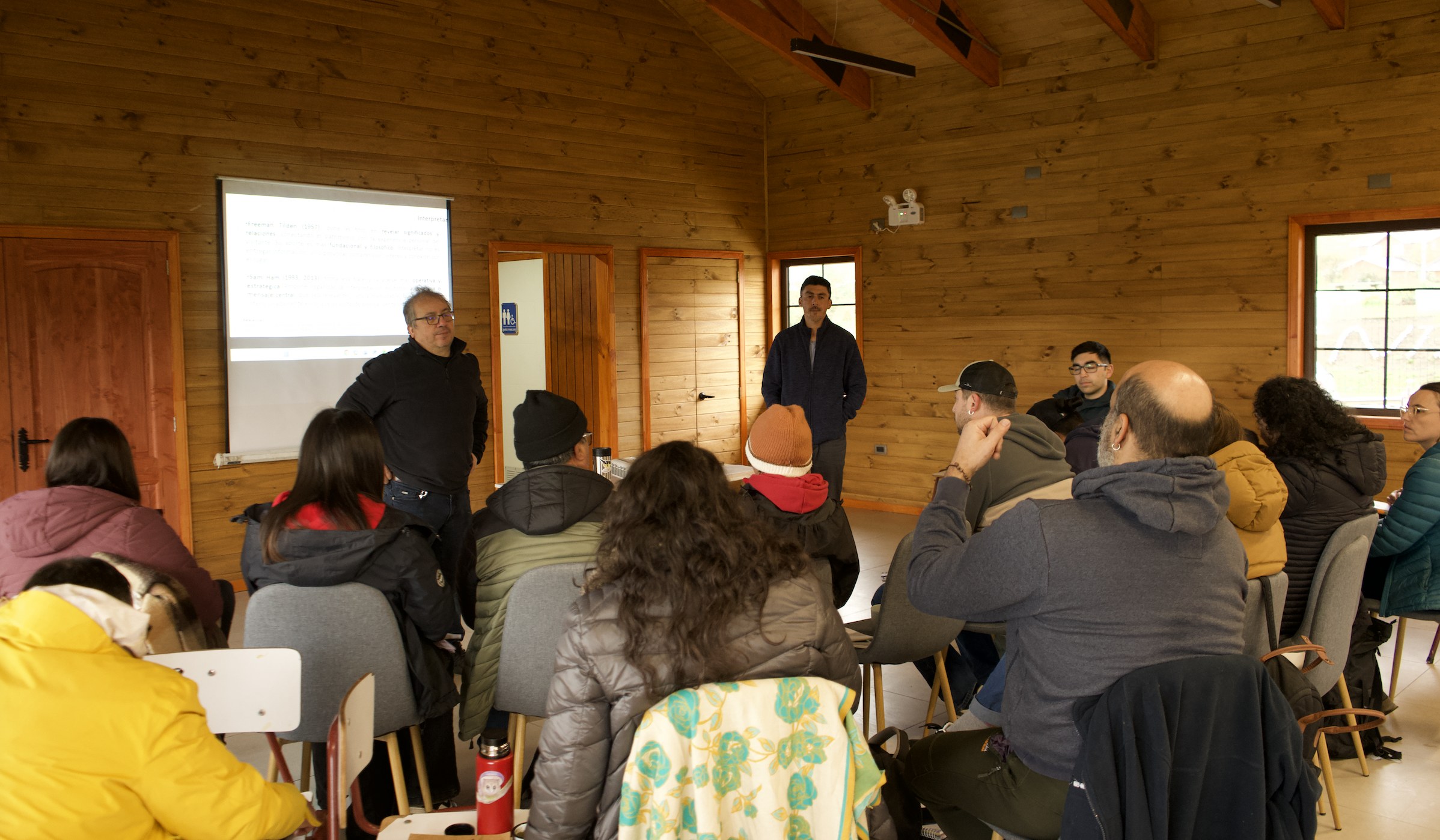
On Friday, August 28 and Saturday, August 29, the second module of the course "Environmental Education Tools for Strengthening Birdwatching Guides and Territorial Educators" took place in Maullín and Curaco de Vélez respectively, an initiative of Fundación Conservación Marina's School of Leadership for Nature Conservation (ELICONA).
The course seeks to strengthen the skills of birdwatching guides, nature interpreters, environmental monitors, and territorial educators linked to two areas of special importance for bird and wetland conservation in the Los Lagos Region: the Maullín river wetland system and the coastal wetlands of Quinchao Island.
This session covered the module "Didactics of Environmental Education Applied to Birdwatching and Territorial Education," taught by Professor Dr. Luis Balboa. The session was aimed at providing tools to design and develop field-based educational experiences that go beyond simply transmitting information, incorporating pedagogical intent, reflection, observation, and connection between people and nature and the territory.
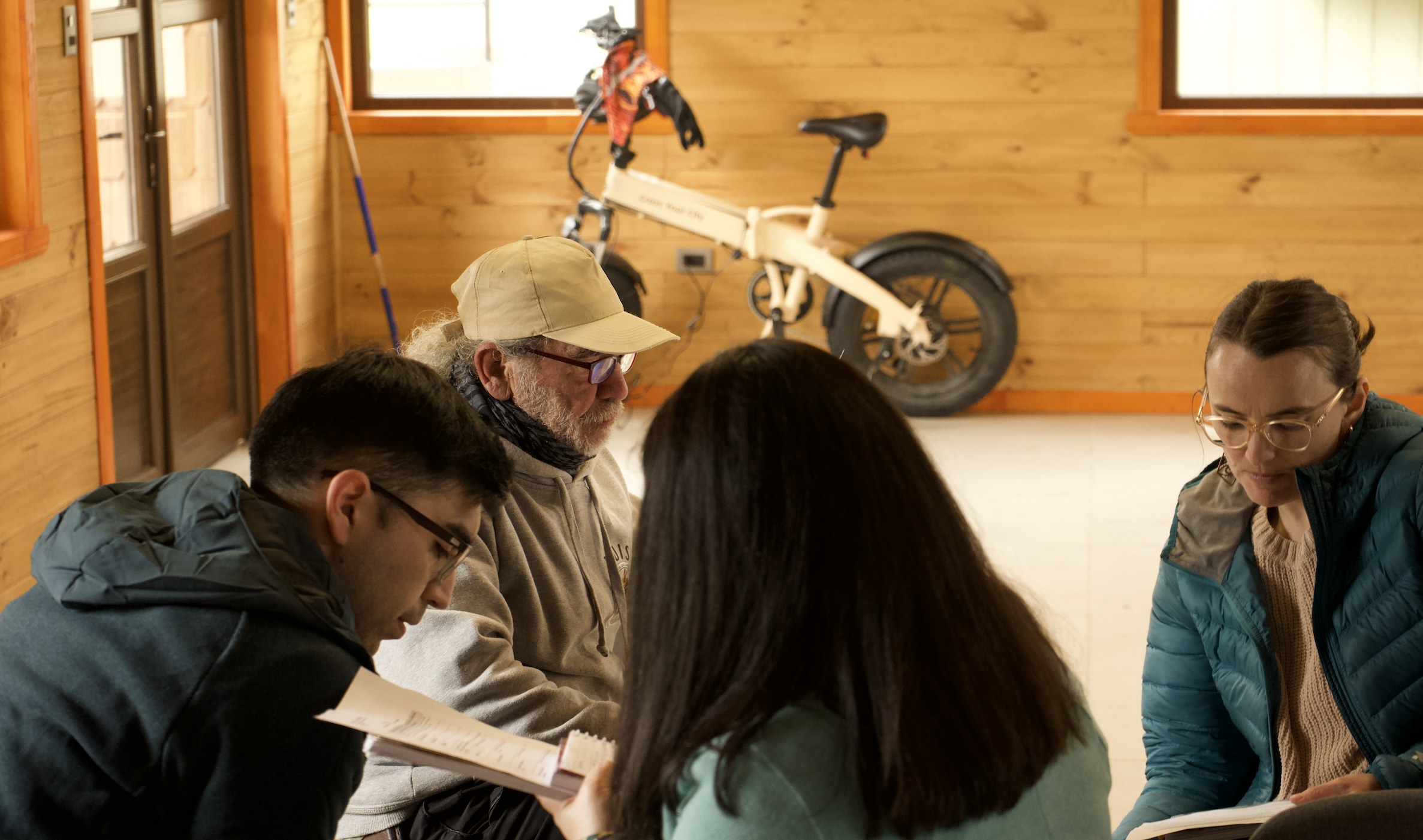
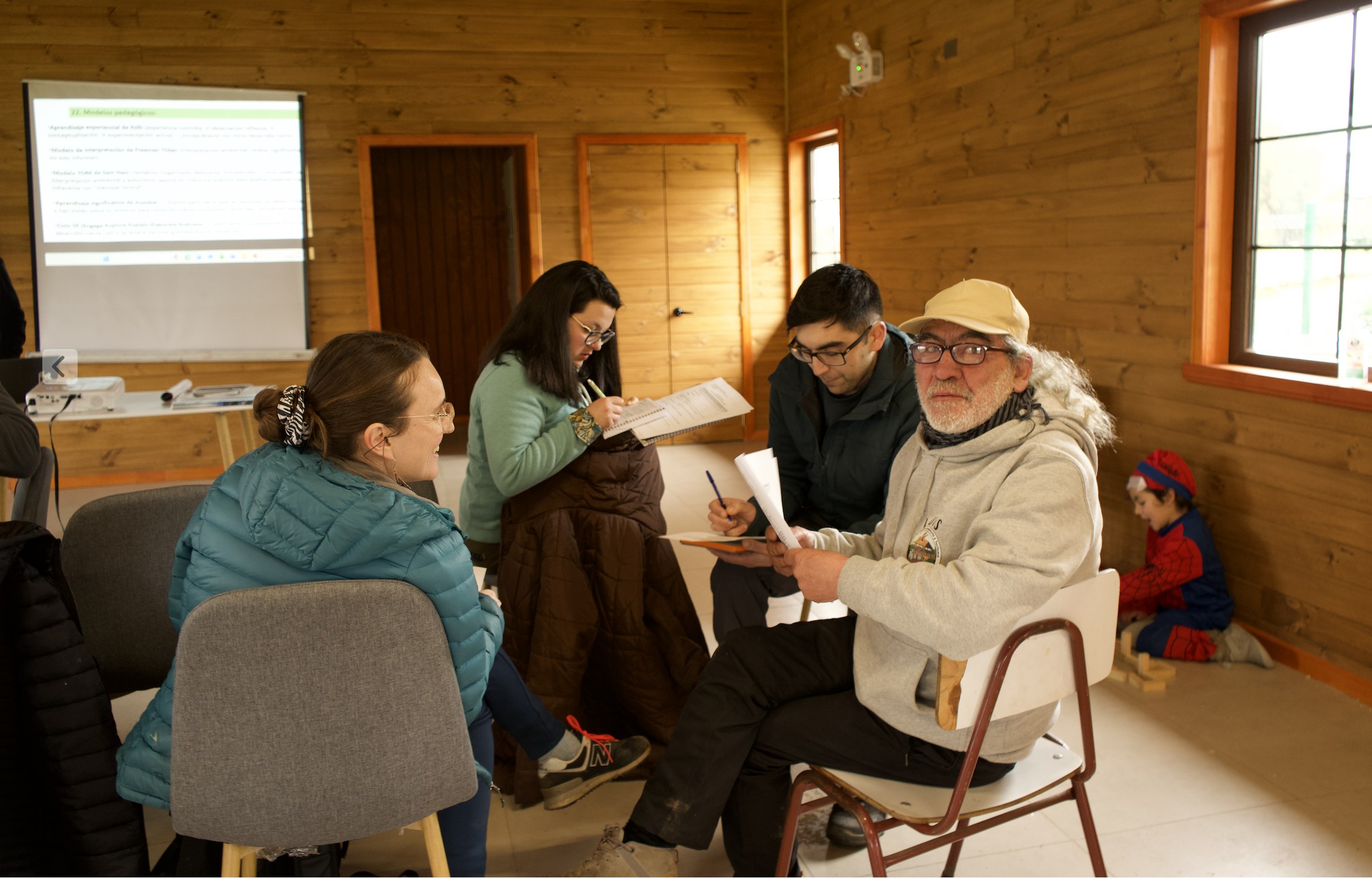
Topics covered included the fundamentals of didactics applied to birdwatching, field facilitation strategies, and tools for assessing learning in non-formal educational settings. Participants also carried out a practical exercise in designing birdwatching experiences, structuring activities with a beginning, development, and closing aimed at promoting meaningful learning.
This training is part of a program made up of four progressive modules focused on applied environmental pedagogy, experiential learning, environmental interpretation, and a biocultural approach. Through this initiative, ELICONA seeks to strengthen the role of those who work directly with visitors, communities, and students, recognizing them as relevant actors in promoting the appreciation and conservation of wetlands and their biodiversity.
The course is free and in-person, with 15 spots available in each territory, and is supported by the Municipality of Maullín and the Municipality of Curaco de Vélez. Its implementation is possible thanks to financial support from BIOME–International Conservation Fund of Canada.